
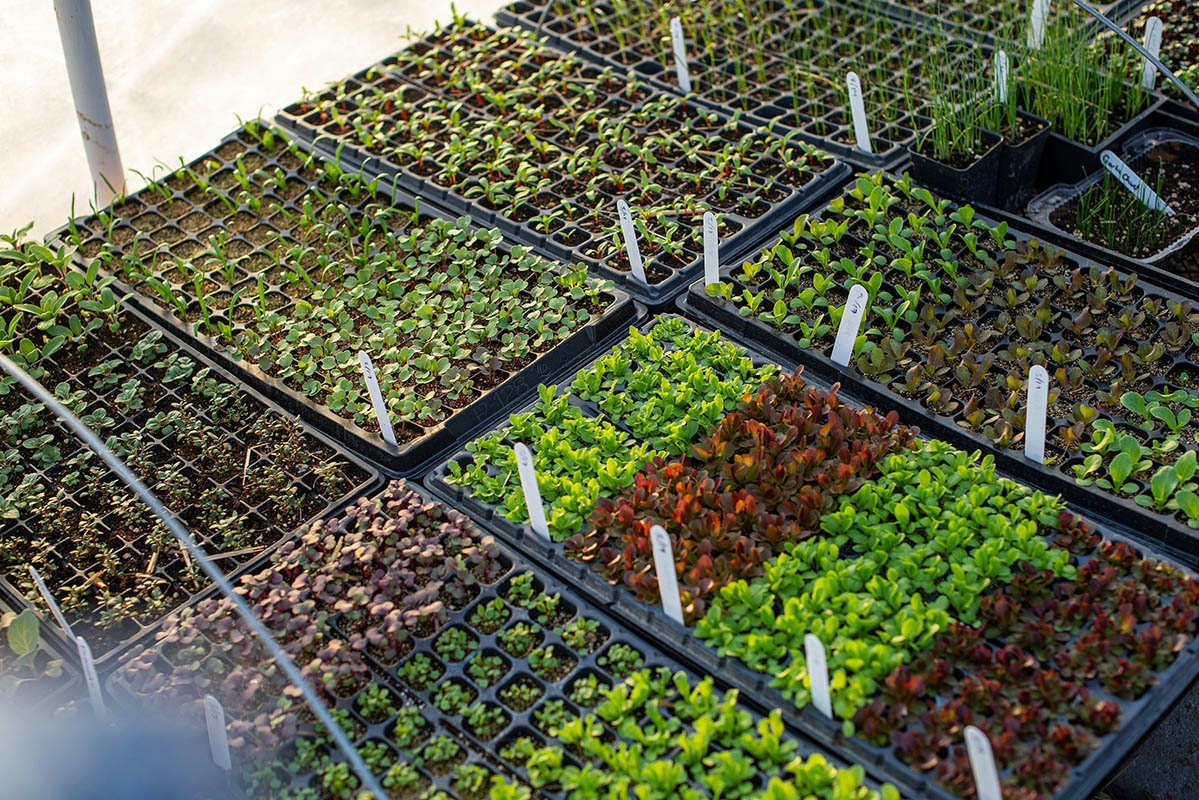
Choosing healthy vegetable seedlings sets the tone for the whole season. Strong seedlings put down good roots, grow faster and give you better harvests. This guide walks you through the signs of healthy plants, the best places to buy them, and how to care for them before transplanting. We’ll also show how the easyDacha app can help you pick and track seedlings, plus current trends in organic and climate-adapted varieties. With a few simple checks, you’ll make smarter choices and get more from your garden.
What Are the Key Signs of Healthy Vegetable Seedlings?
Healthy seedlings share a few clear traits that make them ready for the garden: lively, evenly colored leaves; firm, upright stems; and a well-developed, fibrous root system. Spotting these signs helps you avoid weak or sick plants and gives you a better chance of a productive plot.
The value of selecting healthy seedlings is so clear that researchers are developing smart systems to sort and plant them more reliably.
Intelligent Sorting for Healthy Vegetable Seedlings & Transplanting
Healthy vegetable seedlings are those that survive and show good biological characteristics. If mechanized transplanting could selectively place only healthy seedlings, it would reduce yield losses caused by missed or failed plantings. Because current transplanting machines lack this selective ability, researchers have proposed an intelligent sorting and transplanting system for healthy seedlings.
Design and experiment of intelligent sorting and transplanting system for healthy vegetable seedlings, 2021
How to Inspect Seedling Leaves, Stems, and Roots for Health Indicators
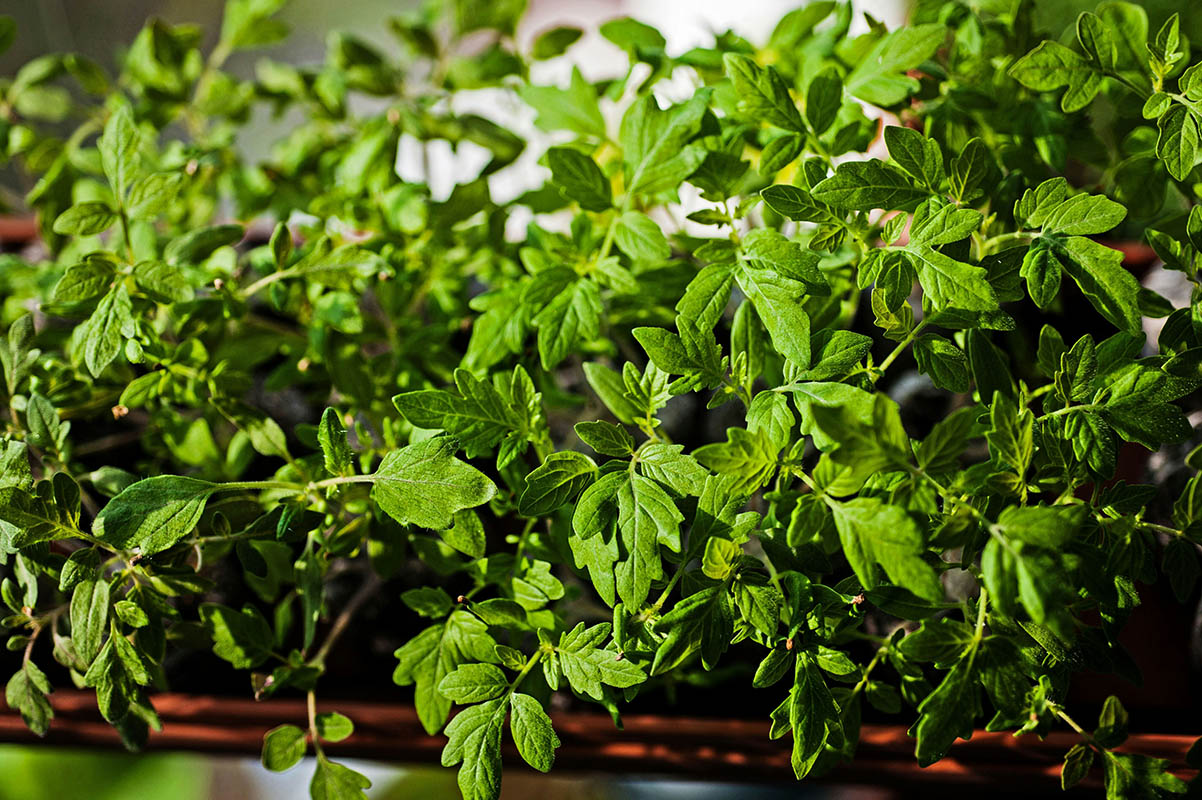
Start with the leaves: they should be a clear, even green with no unusual spots, holes or yellowing. Then look at the stems — they should be straight and sturdy, not floppy or pinched. If you can, ease a seedling from its pot to check the roots: healthy roots are white or creamy, fibrous and spread through the soil without circling tightly (root-bound). These quick checks will help you pick seedlings that are ready to thrive once planted.
Which Seedling Quality Indicators Reveal Disease or Pest Damage?
Watch for early warning signs like yellowing or spotted leaves, wilting, sticky residue from sap-sucking insects, or visible pests such as aphids and spider mites. Fungal problems show up as gray or white mold, dark spots, or soft stems. Simple prevention — correct watering, good air circulation and using clean soil and trays — cuts the risk dramatically. Catching problems early gives you the best chance to save affected plants.
Where to Buy the Best Vegetable Seedlings: Nurseries and Online Sources
Picking the right source matters. Local nurseries and reputable online sellers both have advantages — knowing what to look for helps you get healthy, well-matched plants for your garden.
What Are the Advantages of Buying Seedlings from Local Nurseries?
Local nurseries often offer seedlings grown for your climate and region, so they’re already adapted to local conditions. You can talk to experienced growers, get specific planting advice, and choose plants in person. Buying locally also supports small businesses in your community — a practical benefit that feels good, too.
How to Choose Reliable Online Sources for Healthy Seedlings
When buying seedlings online, check customer reviews, clear photos and the seller’s shipping practices. Look for guarantees or return policies that protect you if plants arrive damaged. Reliable sellers will share planting dates, growing conditions and transit precautions so you get seedlings that arrive healthy and ready to go in the ground.
How to Prepare and Care for Vegetable Seedlings Before Transplanting
Proper pre-transplant care gives seedlings the best start. Focus on balanced watering, disease prevention and gently hardening plants off so they handle outdoor conditions when you transplant them.
What Are the Best Practices for Seedling Watering and Root Health?
Water consistently but avoid soggy soil. A practical rule: water when the top inch of soil feels dry. Overwatering shows as yellowing leaves and soft, mushy stems; under-watering causes wilting and slowed growth. Healthy roots are white and firm — if roots are brown, slimy or tightly wound around the pot, the seedling needs attention or a larger container before transplanting.
How to Prevent Common Seedling Diseases and Stress Before Transplanting
Prevent problems by avoiding overcrowding, using clean or sterilized soil and containers, and keeping good air circulation around seedlings. Inspect plants regularly for pests or disease and remove any sick seedlings promptly. Gradually harden seedlings by exposing them to outdoor light and wind over a week to ten days before transplanting.
How Does the easyDacha App Help You Select and Track Healthy Seedlings?
The easyDacha garden app is built to make seedling care straightforward. It helps you track growth, set reminders and get tailored care tips so you don’t miss the small steps that matter.
Which easyDacha App Features Support Seedling Health Assessment?
easyDacha offers tools to log seedling types and planting dates, track growth stages, and set reminders for watering, feeding and hardening off. These features make routine care simple and help you spot patterns early — the kind of small data that prevents big problems. The garden planner’s interface is designed so both new and experienced gardeners can use it easily.
Similar technological advances are helping growers assess plant traits quickly using mobile devices.
Mobile App for Plant Trait Analysis & Healthy Seedling Selection
Plant Screen Mobile is an example of a smartphone tool that estimates leaf area and biomass from images in the lab, greenhouse or field. It separates plant tissue from background using adjustable classification methods so users get on-the-spot results.
Plant Screen Mobile: an open-source mobile device app for plant trait analysis, M Müller-Linow, 2019
How to Use the easyDacha App for Personalized Seedling Care and Tracking
Get started by downloading the app and creating your profile. Add your seedlings with type and sowing or transplant dates, then let the app suggest care steps based on your location and plant type. Use reminders and notes to keep track of watering, fertilizing and hardening off — small habits the app helps you keep up with for healthier plants.
What Are the Latest Trends in Choosing Organic and Climate-Adapted Seedlings?
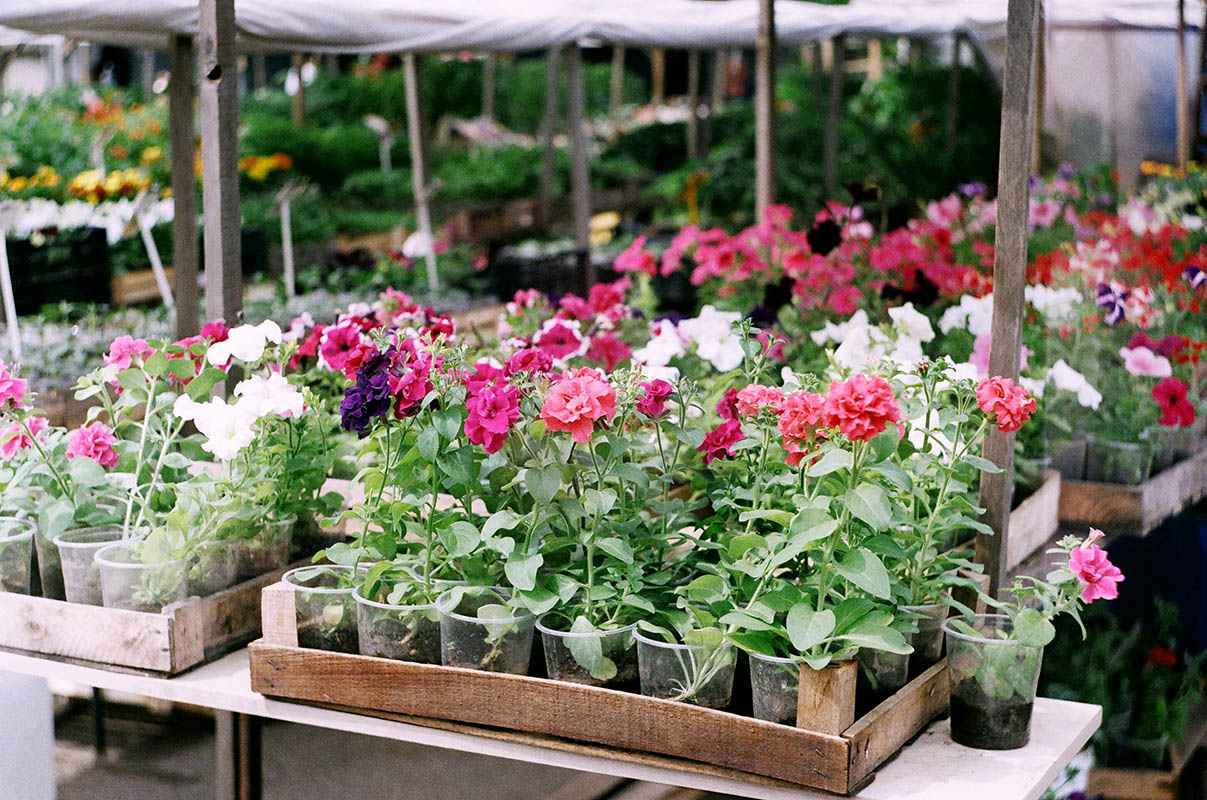
Gardeners increasingly choose organic and climate-adapted seedlings to reduce chemical use and improve resilience. These trends reflect a practical shift toward plants that perform well in local conditions and support healthy ecosystems.
Why Choose Organic Vegetable Seedlings for Your Garden?
Organic seedlings are grown without synthetic pesticides or fertilizers, which can mean cleaner produce and fewer chemicals in your soil. Choosing organic supports biodiversity, protects beneficial insects and strengthens soil health — all benefits that add up season after season.
How to Select Climate-Resilient Seedlings for Sustainable Gardening
Look for varieties bred or selected for your region — those are more likely to handle temperature swings, drought and local pests. Climate-resilient seedlings give you a steadier harvest with less input, making your garden both more reliable and more sustainable as conditions change.