
Timing, Varieties, and What Every New Gardener Should Know
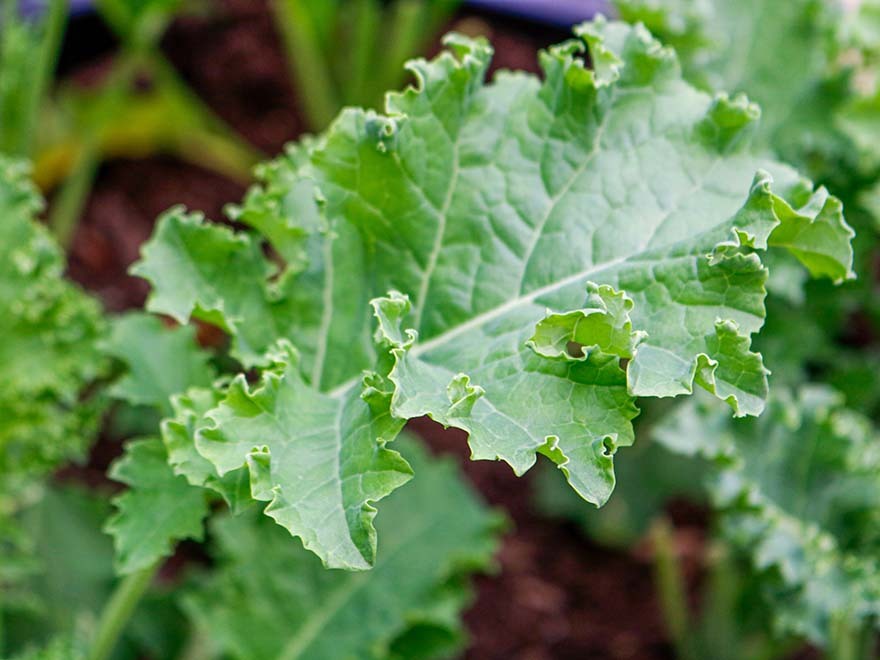
With its deep green (or sometimes purple) leaves, resilience, and impressive nutrition, kale is one of the easiest and most satisfying crops to grow. This kale planting guide is perfect for beginners looking to plant something hardy, healthy, and forgiving.
If you're exploring how to start a vegetable garden, kale is the ideal first choice. It grows quickly, survives in cool temps, and can even sweeten after a light frost.
Why Grow Kale?
Kale belongs to the brassica family—along with cabbage and broccoli—but is far less demanding. It's cold-tolerant, grows fast, and doesn’t need perfect soil or much babying.
- Cold-hardy and can be planted early
- Produces over a long season
- Packed with vitamin K, C, fiber, calcium, and iron
- Perfect for raised beds, containers, or open garden spaces
💡 Pro tip: Use the easyDacha garden planner app to choose the best location, schedule planting tasks, and track kale growth by climate.
When to Plant Kale
Knowing when to plant kale is key to success. This cool-season crop thrives in early spring and fall.
- Direct sow: 2–4 weeks before your last expected frost
- Start indoors: 6–8 weeks before the last frost, then transplant
- Ideal soil temperature: 45–75°F
Use a local planting calendar (like the one in our garden planner app) to get climate-based timing suggestions.
Best Kale Varieties for Beginners
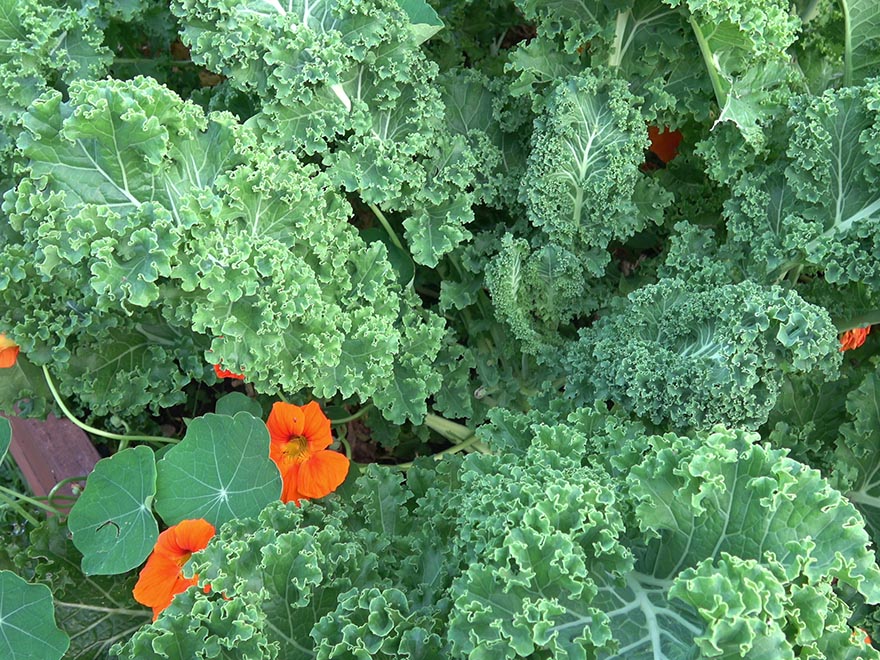
- Lacinato (Dino Kale): Long, dark leaves, mild flavor
- Curly Kale: Bright green and classic; great for salads and soups
- Red Russian: Purple stems, tender leaves, cold-hardy
- Siberian Kale: Pale green, very cold-tolerant
Stick to fast-maturing, beginner-friendly types if you're just learning how to grow kale.
Preparing the Soil
Kale isn’t picky, but for best results, use best soil for raised beds or amend your garden soil with compost.
- pH between 6.0–7.0
- Well-drained, loamy soil
- Add aged compost or balanced organic fertilizer
Need help choosing the right soil mix? Our app recommends how to fertilize vegetable garden beds based on your crop and zone.
How to Grow Kale: Step-by-Step
- Choose a sunny spot — at least 6 hours of sunlight
- Sow seeds ½ inch deep and 4–6 inches apart
- Thin seedlings once they sprout
- Water regularly and mulch to retain moisture
- Harvest lower leaves first to keep the plant producing
If you're using containers, make sure they’re at least 12 inches deep and have drainage.
Companion Planting & Layout Tips
Kale pairs well with herbs, onions, and beets. You can find ideal companions in our companion planting chart and use vegetable garden layout ideas from the app to place plants effectively.
Care & Troubleshooting
- Aphids or cabbage worms? Use row covers and inspect leaves.
- Heat causing bolting? Shade the plants or replant in fall.
- Leaves bitter? Harvest before temps rise too high.
Harvesting & Beyond
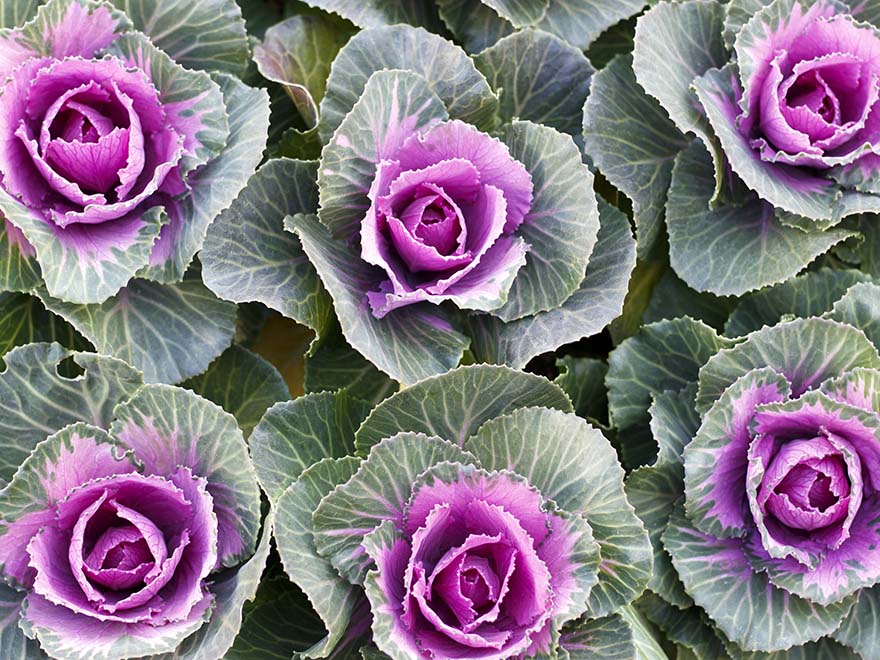
Pick outer leaves when they reach 4–6 inches long. Kale keeps producing for weeks or months if regularly harvested.
Even neglected plants will bounce back after water or cooler weather. It’s truly the most forgiving green to grow.
Grow Better with easyDacha
The easyDacha garden planner app helps you grow kale and other cool-season crops with ease:
- Know exactly when to plant kale in your zone
- Get reminders for watering, feeding, and harvesting
- Plan your layout and companion planting with confidence
Download the app now to start your spring garden right!
You may also like:
→ How to Grow Spinach Indoors
→ Best Soil Mix for Raised Beds
→ 10 Time-Saving Gardening Tips