
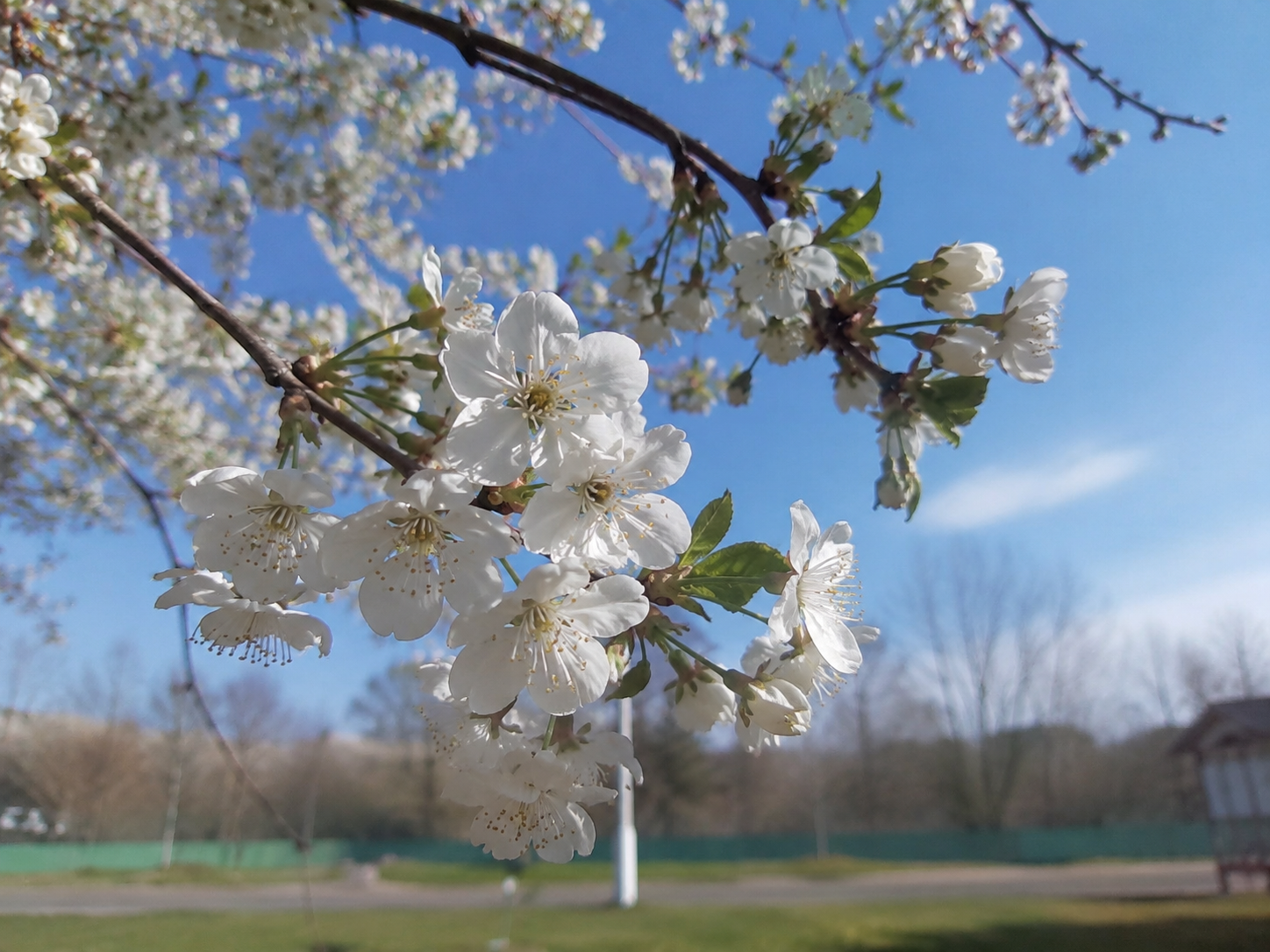
Spray fruit trees at the pink bud stage — when buds show color but flowers have not opened. At this stage:
- Use Captan (fruit tree fungicide) to prevent brown rot and scab. It works even when spring temperatures are still cool.
- Add pyrethrin spray to kill weevils and flower beetles before they damage the blossoms.
- Or use neem oil if you prefer organic. It handles both disease and insects in one spray.
Do not spray after flowers open. It harms bees. This window lasts 5 to 7 days.
The problem
You did everything right. The tree bloomed beautifully. Then the flowers dropped and you got almost no fruit. What set you had turned soft and brown by midsummer.
This happens because spring is when Monilinia (brown rot and blossom blight) spores become active, and when weevils and flower beetles start feeding on developing buds. By the time damage is visible, the harvest is already gone. Most gardeners spray too late, or miss the window entirely and spend the season watching the tree produce nothing.
The fix is one spray at the right moment. The pink bud stage is that moment.
When exactly is the pink bud stage?
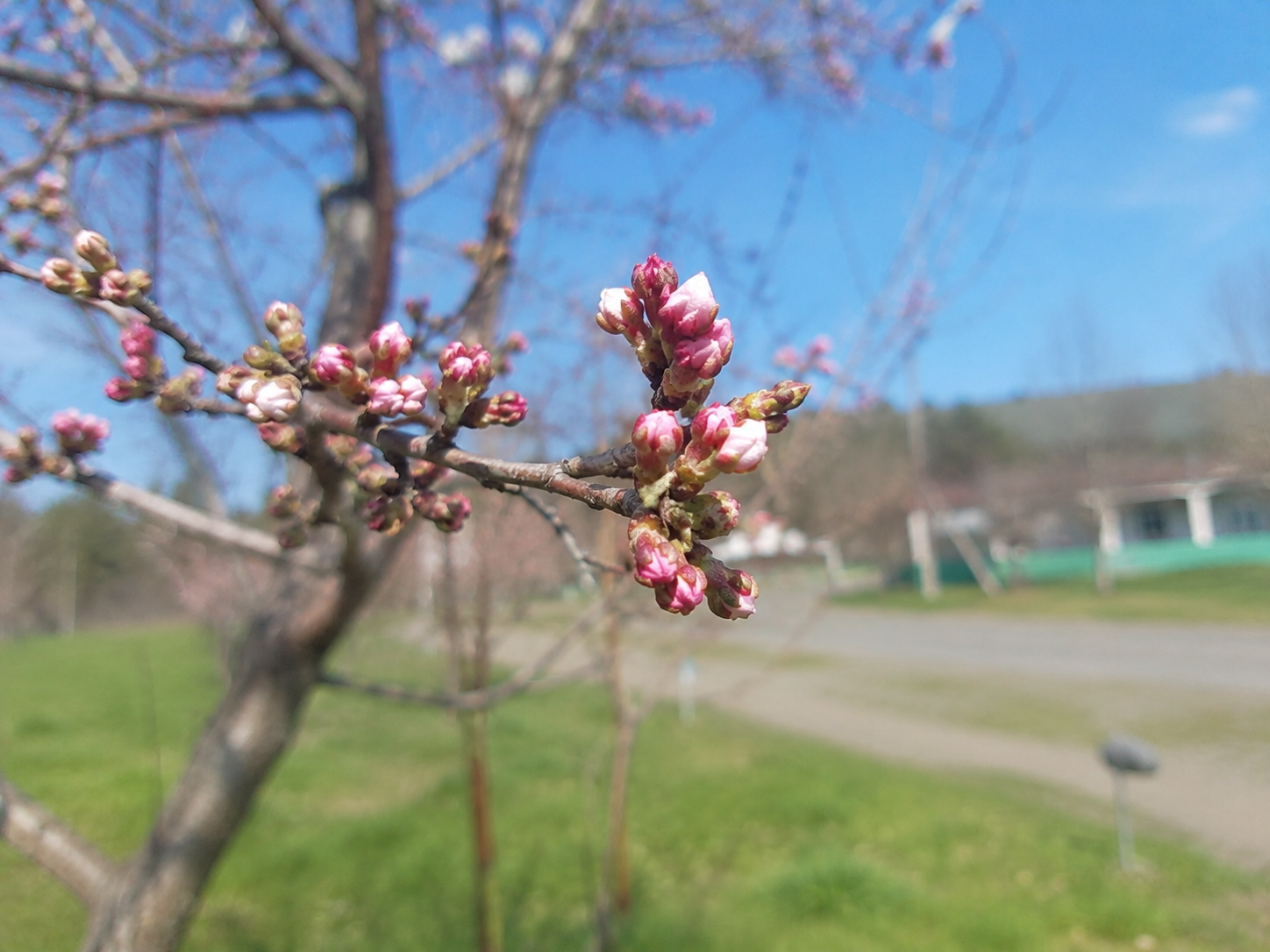
The pink bud stage is when the buds are showing color but the petals have not opened. On stone fruits — cherry, sweet cherry, plum, apricot, peach — this typically arrives one to two weeks before full bloom. Pear and apple follow closely behind.
In warm spring weather, this window closes fast. From first pink color to fully open flowers can be five to seven days. Watch the buds daily, not the calendar. Once petals open, spraying damages pollinators and the protective window is gone.
What are you protecting against?
Brown rot and blossom blight (Monilinia)
The most destructive spring disease on stone fruits. Monilinia infects through open flowers, travels down the stem, and kills entire branches. By summer it causes the soft brown rot that spreads quickly through the harvest. A wet, warm spring dramatically increases infection pressure. According to the University of California Agriculture and Natural Resources, Monilinia is the leading cause of stone fruit crop loss in the US and preventive fungicide application at the pink bud stage is the single most effective control measure.
Flower weevils and bud-feeding beetles
Small insects that feed on developing buds before they open. A single weevil can destroy dozens of flowers. The damage is invisible from a distance until blossoms fail to open or fall off without setting fruit.
Mites
Spider mites and strawberry mites become active in warm dry spring weather. They feed on developing leaves and flowers, causing distorted growth. On stone fruits, raspberries, blackberries, and grapes, early treatment prevents serious yield loss later in the season.
Pear rust and the juniper connection
Pear rust alternates between juniper trees and pears. Junipers carry the spores through winter and release them in spring when temperatures warm. If you have junipers near your pears, include them in your spray program — treating only the pear and leaving the nearby juniper untreated is only half the job.
Which spray method should you use?
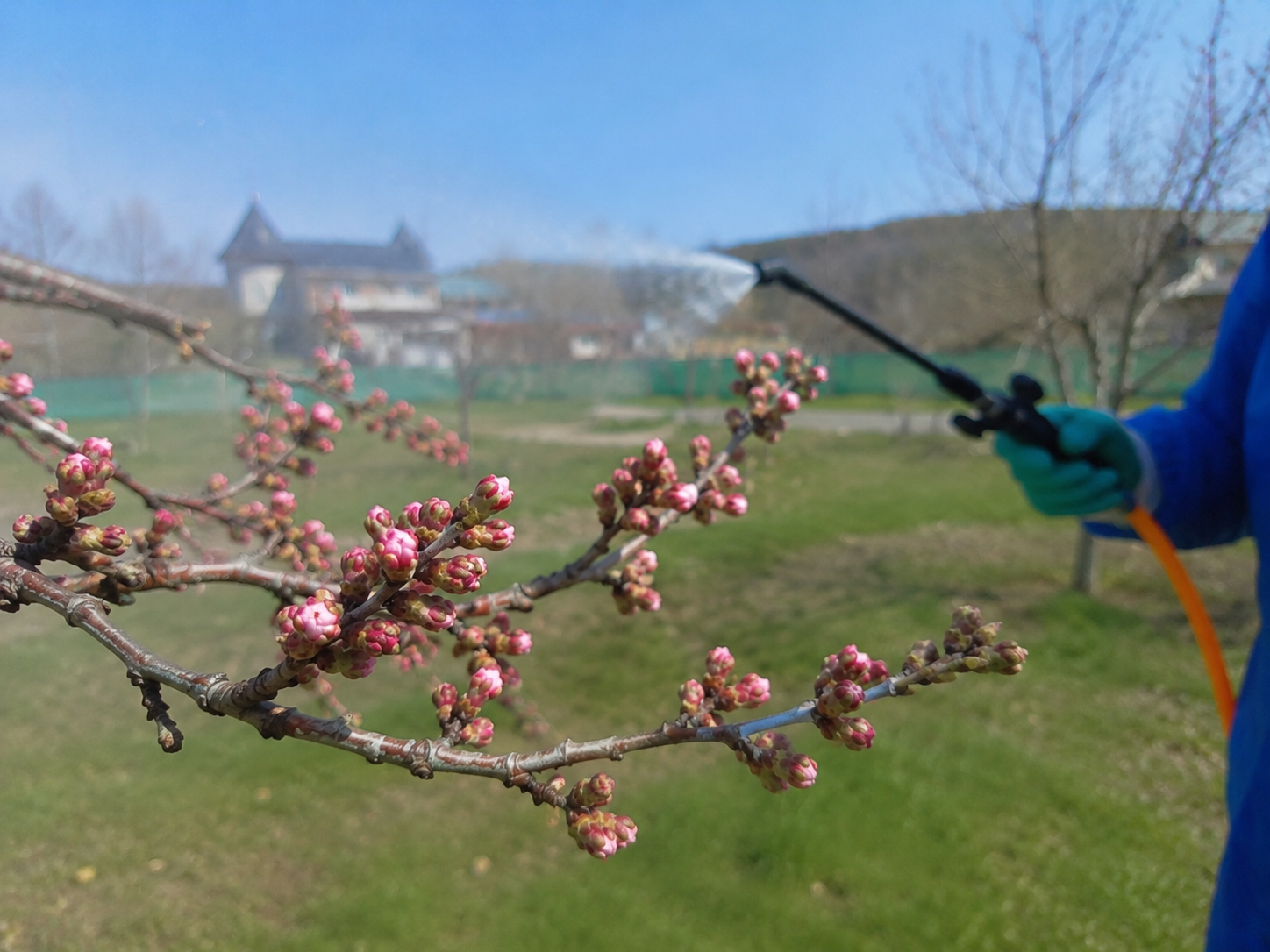
Chemical approach: most effective when disease pressure was high last year
Mix Captan (a fruit tree fungicide) with pyrethrin spray.
Captan works even when daytime temperatures are only around 55 to 60°F, which is typical during early spring bloom in most US zones. Pyrethrin spray stays active on plant surfaces for 20 to 25 days even after rain and UV exposure, so one application at pink bud covers the entire pre-bloom period.
Pyrethrin is a contact product, not systemic. It does not enter the nectar. Applied at pink bud, before bees begin working the flowers, it poses no risk to pollinators. This same spray can be applied to all trees and shrubs in the garden, including conifers.
Biological approach: best for those avoiding synthetic pesticides
Use Bt spray (Bacillus thuringiensis) for insect control. Bt spray is widely available at garden centers and covers a broad range of pests including weevils, bud-feeding beetles, and mites. One product handles both insects and mites at the same time.
For disease control, add a beneficial bacteria fungicide (Bacillus subtilis). It colonizes leaf surfaces and actively suppresses fungal pathogens including Monilinia. The combination of Bt spray and beneficial bacteria fungicide is synergistic: the disease suppression is stronger than either product applied alone.
The full biological spray can be applied to the entire garden in one pass.
Neem oil: the simplest organic option
Cold-pressed neem oil handles both fungal disease and insects in a single application. It disrupts the reproductive cycle of insects rather than killing on contact, which means it is safe for adult pollinators even if timing slips slightly. It also suppresses a wide range of fungal pathogens.
Neem oil works best as a preventive treatment applied consistently throughout the season. At pink bud it is a solid choice for gardens with moderate disease history and for growers who want to avoid all synthetic inputs. Apply in the evening to reduce evaporation and potential phototoxicity.
Can you add a biological fungicide to the chemical spray?
Yes, and it helps. A beneficial bacteria fungicide (Bacillus subtilis) is compatible with most standard fungicide and insecticide mixes. Adding it extends the window of disease protection beyond what Captan covers alone. This is the easiest step toward reducing synthetic inputs over time without changing your existing spray program.
What if you miss the pink bud window?
The next treatment window is after petal fall, when pollinators are no longer active on the flowers. The focus at that stage shifts to fruit development and pest management rather than blossom protection. You cannot undo missed pink bud protection, but you can reduce further disease pressure for the rest of the season.
The bottom line
The pink bud stage is a narrow window with an outsized impact on the season. One spray at the right moment protects against the diseases and pests responsible for most fruit tree crop loss. Miss it and most of what follows is damage control.
All three approaches work. Choose based on your disease history, your tolerance for synthetic inputs, and what you have available. The timing matters more than the product.
Your fruit tree spray schedule, built for your location
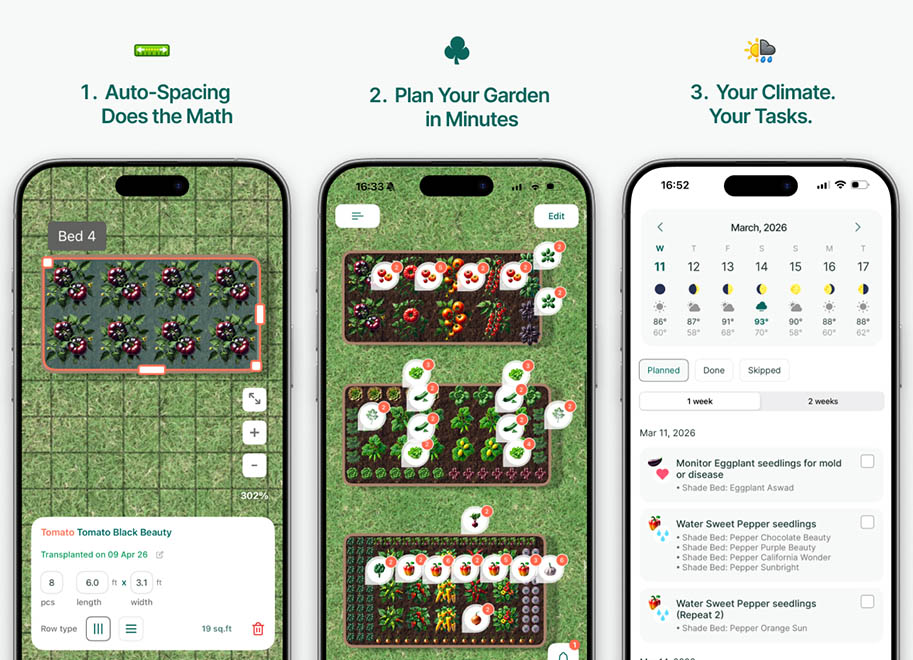
"Pink bud" falls on a different date for cherry versus pear versus apple, and a different week in Georgia versus Minnesota. easyDacha tracks your fruit trees and sends a notification when the spray window opens for each variety, calculated for your location and the variety you are growing.
Frequently Asked Questions
When exactly is the pink bud stage on fruit trees? When buds show color but petals have not opened. On stone fruits (cherry, plum, apricot), this is typically 7 to 14 days before full bloom. In warm weather the window lasts 5 to 7 days. Watch the buds daily — do not rely on the calendar.
Can I spray after the flowers open? No. Once flowers are open, spraying harms pollinators and the protective window is closed. Wait for petal fall before the next treatment.
Is pyrethrin spray safe to use before bloom? Yes, when applied at pink bud before flowers open. Pyrethrin is a contact product that does not enter the nectar. Applied before bees begin foraging on open flowers, it poses no pollinator risk.
Why do I need to treat juniper trees near my pears? Junipers host pear rust (Gymnosporangium), which alternates between conifers and pear trees. Treating only the pear while leaving nearby junipers untreated does not break the disease cycle. Include both in your spray program.
What causes brown rot on fruit trees? Brown rot is caused by Monilinia fungi. Spores infect through open flowers in wet, warm conditions. Prevention at pink bud with a systemic fungicide is the most effective control. Once the infection spreads to branches it cannot be reversed without pruning.
Can I mix a beneficial bacteria fungicide into the chemical spray? Yes. Beneficial bacteria fungicide (Bacillus subtilis) is compatible with Captan and pyrethrin spray. Adding it extends disease protection and is the easiest first step toward reducing synthetic inputs over time.
How long does pyrethrin spray stay active on fruit trees? Pyrethrin spray remains active on plant surfaces for 20 to 25 days, even after rain and UV exposure. One application at pink bud covers the full pre-bloom period.