
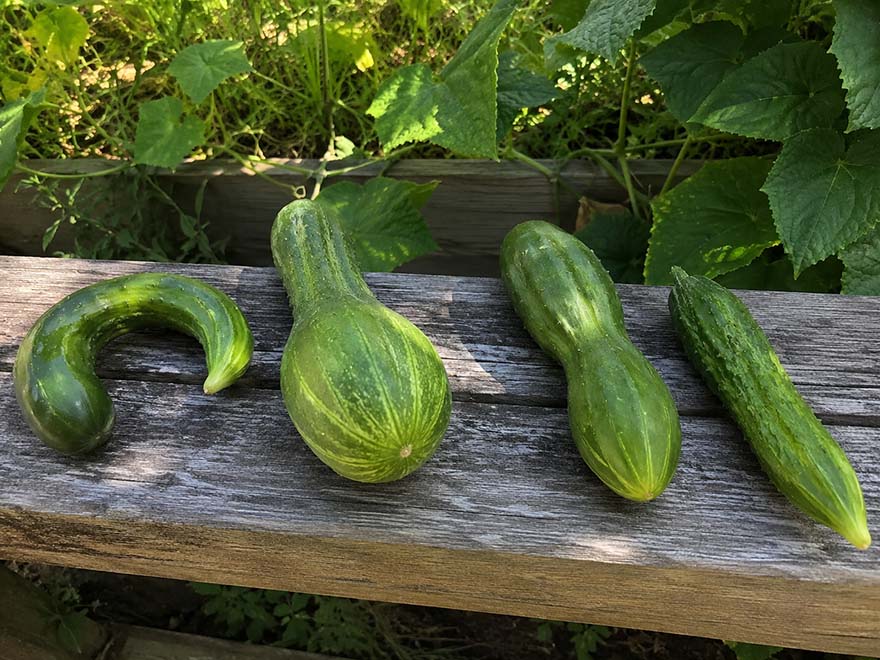
You reach into the vine and pull out a cucumber shaped like a comma, or one that is fat at the bottom and skinny at the top. Then another comes off pinched in the middle like an hourglass. If you are wondering why my cucumbers are misshapen, the plant is actually telling you exactly what it needs. Cucumber fruit reacts to stress within days, so the shape is a fast, readable signal. Match the shape to the cause, and you can straighten out the next flush.
TL;DR: Cucumbers grow misshapen from specific stresses, and the shape names the cause. A full-length curl means uneven water, a pear shape means low potassium, a pinched waist means cold water, and a tapered pale tip means poor pollination.
Read the shape, find the cause
Look at where the cucumber is wrong, because each deformity points to one cause. This is the fastest way to answer why are my cucumbers deformed.
Curved along the whole length, like a C: Water deficiency. Irregular or too-little watering makes the fruit bend as it grows.
Pear-shaped, thick and swollen toward the blossom end: Potassium deficiency. The plant cannot fill the fruit evenly without enough potassium.
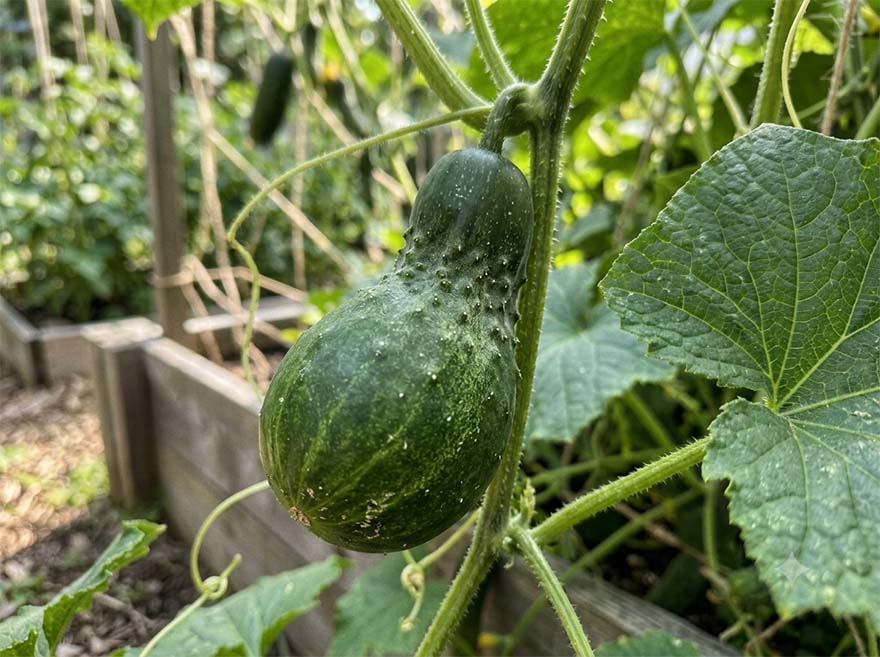
Narrowed body with a curved, yellowed tip: Nitrogen deficiency. The pale, tapering tip is the giveaway.
Hourglass shape, thick at both ends and pinched in the middle: Cold-water shock. Watering with cold water from the tap or well stresses the roots and pinches the fruit.
Tapered, browning tip on a stunted fruit: Poor pollination. Not enough pollen reached the flower, so the fruit fails to fill from the tip.
What each shape is telling you
Every one of these shapes is the plant reporting a specific shortage or stress, so the fix follows directly from the shape. Fixing the cause straightens the next fruit, not the one already curled.
Cucumbers curling into a C is the most common complaint, and it almost always means water. When soil moisture swings between bone-dry and soaked, the fruit grows unevenly and bends. Cucumbers are thirsty plants, and steady moisture is the single biggest lever you have. Consistent watering also prevents the bitterness that shows up under the same stress, which we cover in why cucumbers turn bitter.
Pear shaped cucumbers, swollen at the blossom end, point to potassium. Potassium moves sugars and water into the developing fruit, so a shortage leaves the fruit unable to fill evenly. It bulges where it can and stays thin where it cannot. This is a feeding fix, not a watering one.
A cucumber pinched in the middle, the hourglass, is a cold-water tell. Cucumber roots are hypersensitive to cold, and a blast of cold tap or well water shocks them. The fruit responds within days by pinching at the waist. Letting water warm before it hits the soil solves it. This is the same cold-root effect that stalls whole plants, which ties into how to water vegetables in summer.
A pale, tapered, browning tip means the flower was not fully pollinated. Each cucumber needs many pollen grains delivered to set a full fruit. In heat or with few bees around, pollination falls short and the tip never fills. Our guide on hand-pollinating squash and cucurbits shows the exact technique.
The fixes, by shape
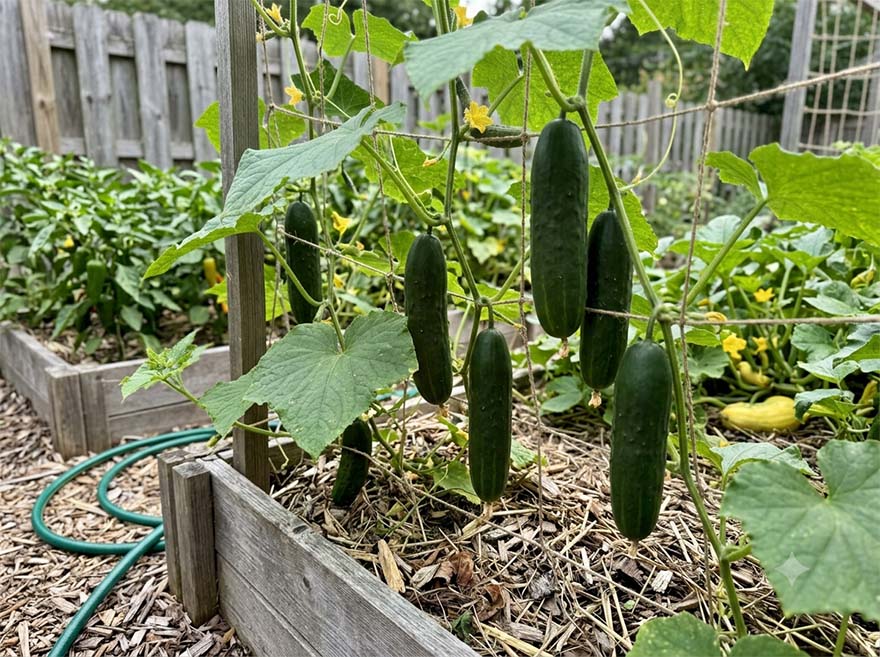
Match the fix to the shape you found, and correct the cause before the next flush sets. Here is what to do for each cucumber fruit shape problem.
Curved fruit (water): Water deeply and on a regular schedule. Aim for about 13 gallons (50 L) per 10 square feet (0.9 m²) of bed per week, and more during a summer heat wave. Mulch the bed to hold moisture steady between waterings.
Pear-shaped fruit (potassium): Feed a potassium fertilizer, and choose the sulfate form for cucumbers. Apply at the label rate and water it in.
Narrowed, yellow-tipped fruit (nitrogen): Feed a nitrogen source such as fish emulsion at the label rate. New growth should green up within a week.
Hourglass fruit (cold water): Switch to room-temperature water. Let it sit in a covered barrel or in the sun before you irrigate, and never water straight from a cold tap or well.
Tapered pale tip (pollination): Hand-pollinate in the morning by touching a male flower to the female flowers, or plant flowers nearby to draw more bees.
How to apply the fixes on a schedule
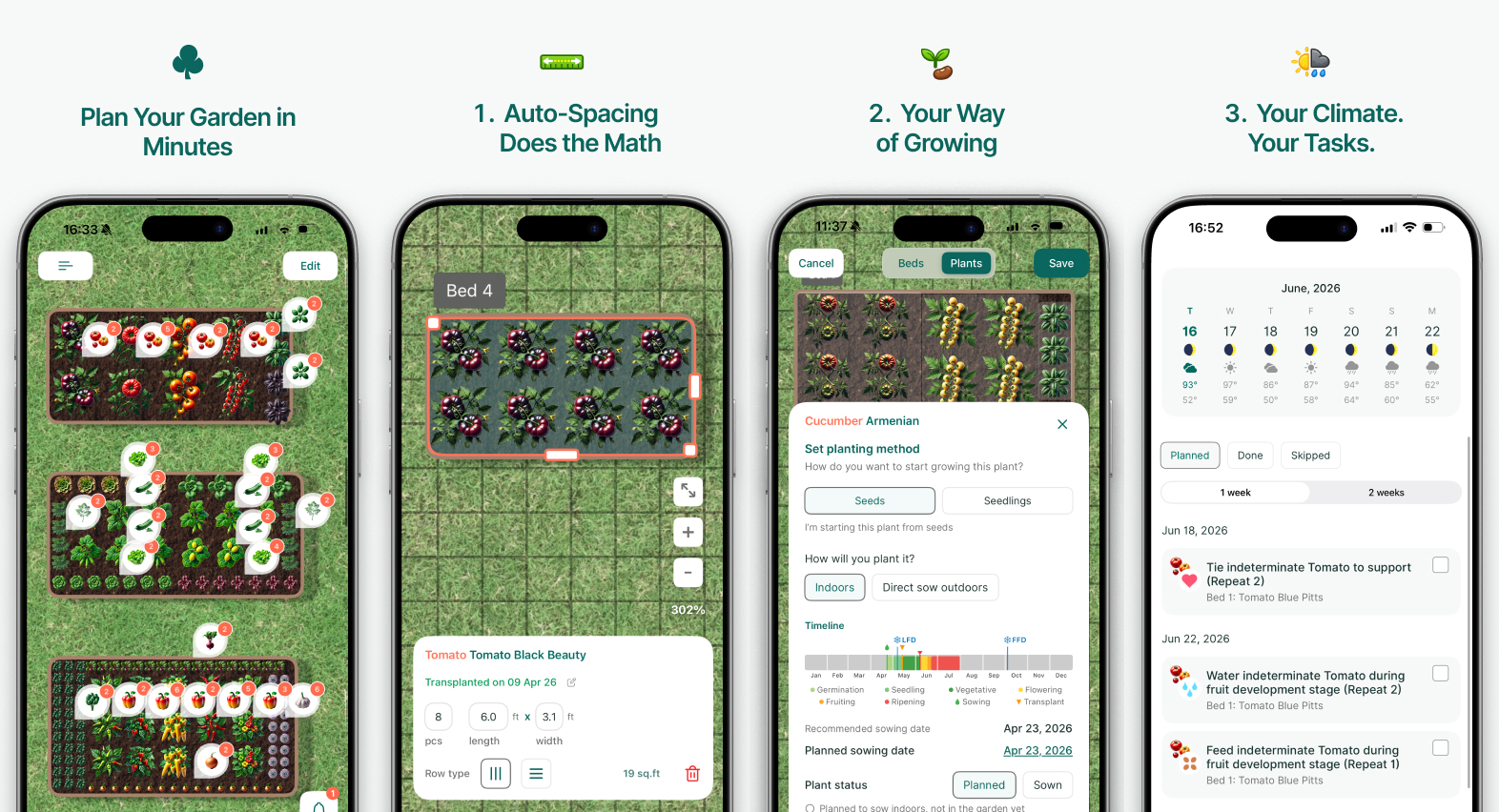
Steady water and stage-timed feeding are the whole game, and both live or die on consistency. Set watering and feeding with potassium and nitrogen at the growth stage; each one matters most. That is several overlapping schedules for one crop, which is easy to lose track of in July. easyDacha builds watering and feeding tasks into a care plan for your cucumbers and reminds you before each one, tied to your bed and your local dates. As a gardening app it keeps the routine that prevents misshapen fruit from slipping. Try easyDacha.
Are misshapen cucumbers safe to eat?
Yes. Curled, pinched, and pear-shaped cucumbers are perfectly safe and taste fine. The odd shape is cosmetic and does not affect food safety.
Pick them a little young if the plant is stressed, since oversized stressed fruit can turn bitter at the stem end. Trim that end and taste before using a whole batch.
What NOT to do
Don't let the soil dry out between waterings. Moisture swings are the number one cause of curled cucumbers. Steady beats heavy.
Don't water with cold water straight from the tap or well. Cold shocks cucumber roots and pinches the fruit. Warm it first.
Don't dump extra nitrogen to fix every problem. Too much nitrogen grows leaves at the expense of fruit and hides the real cause.
Don't leave misshapen fruit on the vine. Pick it so the plant puts energy into setting better fruit next.
Best for which plants
This shape-reading approach works for the whole cucurbit family, with a few notes:
- Slicing and pickling cucumbers: the clearest shape signals. Water and potassium fixes work fast.
- Zucchini and summer squash: show the same tapered-tip pollination clue. Hand-pollinate in the morning.
- Melons and winter squash: respond to steady water and potassium the same way, just over a longer season.
When misshapen cucumbers keep coming back
If odd shapes keep showing up, three things are usually behind it. Your watering is still uneven, so mulch and lock in a fixed schedule. Your feeding skips the fruiting stage, so potassium runs short right when fruit fills. Or pollinators are scarce, so blossoms set poorly in the heat. Fixing the routine, not the individual fruit, is what ends the cycle. Once the vines are producing straight fruit again, you may end up with a glut, so keep our guide on what to do with too many cucumbers handy. And if a plant is fading, there is still time to sow a fresh round for a fall harvest.
FAQ
Why are my cucumbers misshapen and curled?
A full-length curl almost always means uneven watering. When soil moisture swings between dry and wet, the fruit bends as it grows. Water deeply on a regular schedule and mulch the bed to keep moisture steady.
What causes pear shaped cucumbers?
Pear shaped cucumbers, swollen at the blossom end, signal a potassium shortage. The plant cannot fill the fruit evenly without enough potassium. Feed a potassium fertilizer in the sulfate form at the label rate.
Why is my cucumber pinched in the middle like an hourglass?
An hourglass cucumber, pinched in the middle, comes from cold-water shock to the roots. Cucumbers hate cold water. Let irrigation water warm to room temperature in a barrel or in the sun before you use it.
Are misshapen or deformed cucumbers safe to eat?
Yes. Misshapen cucumbers are safe and taste fine, since the odd shape is only cosmetic. If a stressed fruit tastes bitter at the stem end, trim that end before eating the rest.
Can poor pollination cause cucumber fruit shape problems?
Yes. A cucumber with a tapered, pale, browning tip did not get enough pollen. In heat or with few bees, pollination falls short and the tip fails to fill. Hand-pollinate in the morning or plant flowers to attract more bees.
Is there an app that helps prevent misshapen cucumbers?
easyDacha is a gardening app that schedules the steady watering and stage-timed feeding that keep cucumbers growing straight. It builds those tasks into a care plan for your bed and reminds you before each one, so the routine never slips.