
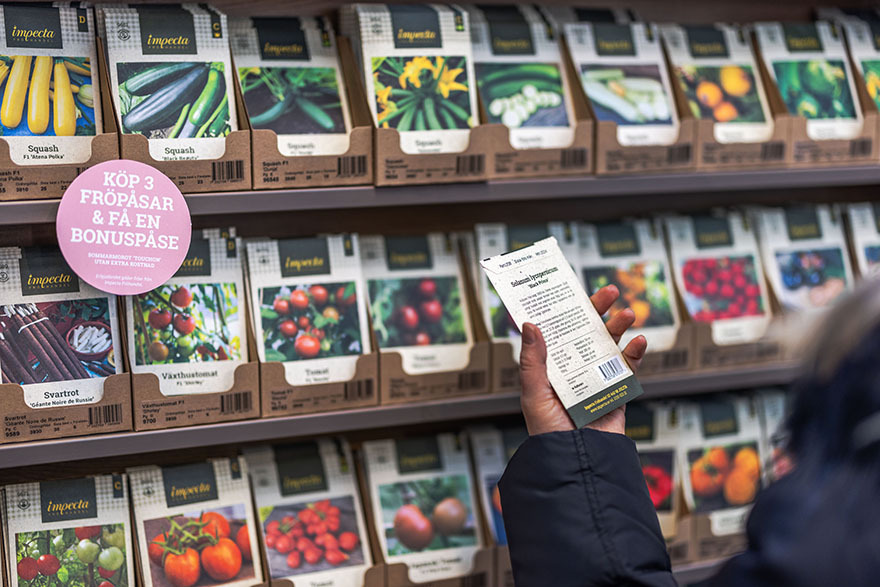
So, you want to grow your own plants, but seed packets look like they’re written in some secret gardening code? Don’t worry! This guide will help you understand all the terms on seed packets so you can pick the best seeds for your garden. 🌿
Indeterminate vs. Determinate plants
Indeterminate (vining plants – keep growing forever!)
These plants are like overachievers – they never stop growing! 🌿 They keep getting taller, producing flowers, and making fruit all season long until frost or disease stops them.
Important facts:
- Need support (stakes, cages, or trellises) because they grow tall and vine-like.
- Keep producing new fruit continuously instead of all at once.
- Good for long growing seasons.
Example: Cherokee Purple" Tomato – will keep growing and making tomatoes until frost.
Best for: Gardeners who want a steady supply of fruit all season.
Best for: Gardeners who want a steady supply of fruit all season.
Determinate (bush plants – short & predictable)
Determinate plants grow to a set height, produce all their fruit at once, and then stop. Think of them like a one-time harvest rather than a continuous supply.
Important facts:
- Stay short and bushy, no need for big stakes.
- Ripen all at once – great for canning or batch harvesting.
- Ideal for small gardens, patios, or short growing seasons.
Example: Roma VF Tomato – grows to a set height, makes a lot of tomatoes quickly, then stops.
Best for: Gardeners who want a big harvest all at once (perfect for making sauces or freezing).
Best for: Gardeners who want a big harvest all at once (perfect for making sauces or freezing).
Quick tip: If you want a long harvest season, grow both types – determinate for an early big harvest, and indeterminate for continuous picking!
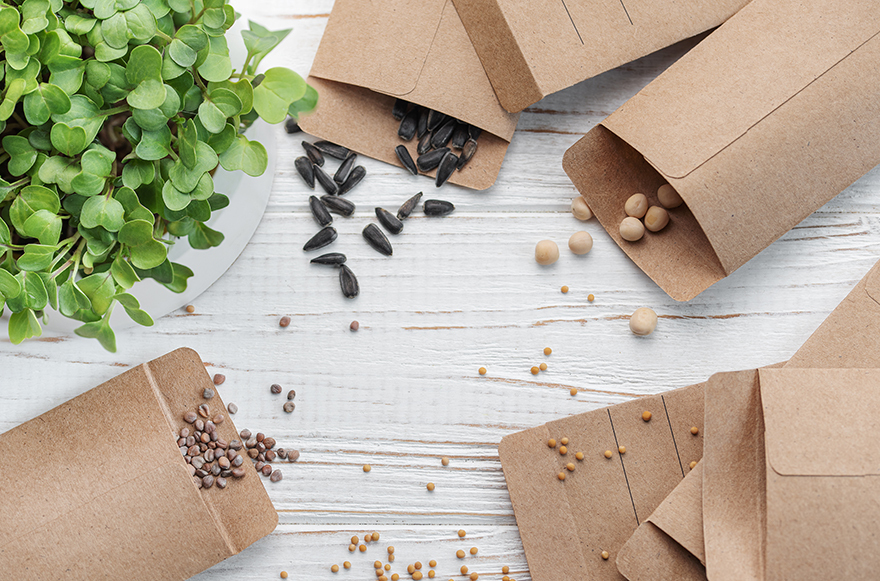
Hybrid vs. Open-Pollinated vs. Heirloom Seeds
F1 – Hybrid seeds
If you see F1 on a seed packet, it means the plant is a first-generation hybrid. This means breeders combined two strong plant varieties to create one that grows bigger, faster, and stronger.
Pros: Disease-resistant, high-yielding, and reliable.
Cons: You can’t save seeds from F1 plants – they won’t grow the same next year.
Example: F1 Hybrid Tomato "Big Boy" – super juicy and productive, but don’t save the seeds.
Cons: You can’t save seeds from F1 plants – they won’t grow the same next year.
Example: F1 Hybrid Tomato "Big Boy" – super juicy and productive, but don’t save the seeds.
F2 – Second-generation hybrid
These are seeds from F1 hybrids, but they can grow into plants with different characteristics (size, color, taste).
Example: An F2 hybrid tomato might produce a mix of big and small tomatoes.
OP – Open-pollinated seeds
These plants are pollinated naturally by bees, wind, or insects. If you save their seeds and plant them next year, you’ll get the same plant again.
Example: Traditional sunflowers, non-hybrid carrots.
Best choice if you want to save seeds and regrow the same plants every year.
Best choice if you want to save seeds and regrow the same plants every year.
Heirloom seeds
Heirloom seeds are open-pollinated but also have a long history. These seeds have been passed down for at least 50 years without being changed by breeders. They often have unique flavors and colors that you won’t find in stores.
Example: Brandywine tomatoes, Paris Market carrots.
All heirlooms are open-pollinated, but not all open-pollinated seeds are heirlooms!
All heirlooms are open-pollinated, but not all open-pollinated seeds are heirlooms!
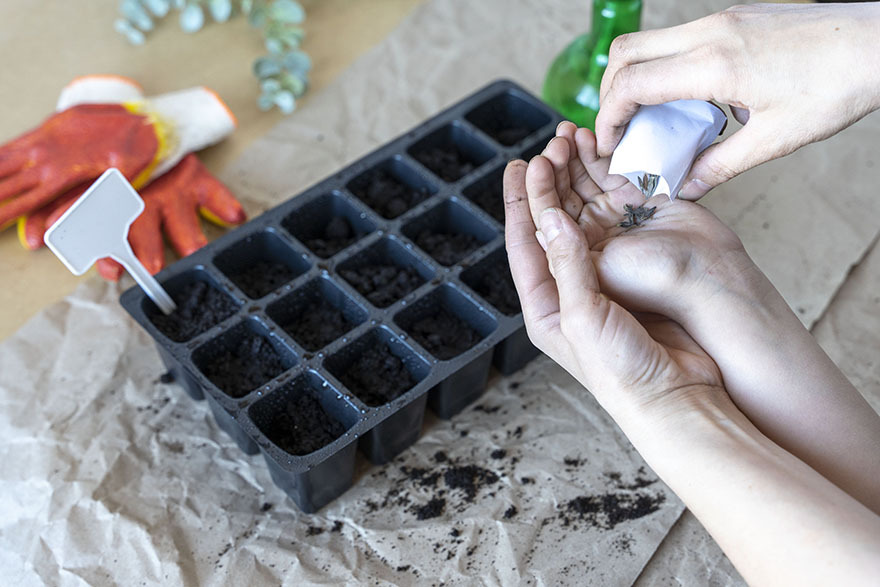
Disease resistance codes (VFN, TMV, etc.)
Ever seen random letters on a seed packet? They tell you which diseases the plant can resist.
Common Codes:
- V – Resistant to Verticillium Wilt (a common soil fungus).
- F – Resistant to Fusarium Wilt (another deadly fungus).
- N – Won’t be attacked by root-knot nematodes (tiny soil pests).
- TMV – Tolerates Tobacco Mosaic Virus (a virus that ruins leaves).
Example: Tomato "Roma VF" – won’t get Verticillium or Fusarium Wilt.
Disease-resistant doesn’t mean disease-proof! You still need to take care of your plants.
Disease-resistant doesn’t mean disease-proof! You still need to take care of your plants.
Perennial vs. Annual vs. Biennial plants
Perennial (plants that keep coming back every year)
Perennials live for many years and flower every season once they mature.
Examples:
- Strawberries
- Mint
- Lavender
Great if you want plants that stay in your garden year after year!
Annual (one-season plants)
Annuals grow, flower, produce seeds, and die in one season. If you want them again, you have to replant them next year.
📝 Examples:
- Petunias
- Basil
- Marigolds
Great for quick, colorful blooms and fast-growing veggies.
Biennial (two-year plants)
Biennials grow leaves in the first year, then flower and produce seeds in the second year before dying.
Examples:
- Carrots
- Parsley
- Leeks
Fun fact: We usually eat biennials (like carrots) in their first year, before they flower!
Other important seed packet terms
D – Dwarf (compact plants)
Dwarf plants stay small and bushy, perfect for containers and small spaces.
Example: "Tiny Tim (D)" Tomato – a mini tomato plant that thrives in pots!
PVP – Plant variety protection
If a plant is labeled PVP, it means the variety is legally protected, and you can’t save or sell the seeds without permission.
Example: Some hybrid tomatoes have PVP status to protect the breeders' work.
AAS Winner – All-America selections
If a plant is an AAS Winner, it means it has been tested across the U.S. and grows well in most climates.
Example: "Buttercrunch" Lettuce – one of the best lettuce varieties for American gardens!
If you’re unsure what to plant, AAS Winners are a safe bet!
Pelleted seeds – coated for easy planting
Some seeds are tiny and hard to handle, so they are coated with a special pellet (clay or nutrients) to make them easier to space out.
Best for:
- Carrots
- Lettuce
Days to maturity – how fast will it grow?
This number tells you how many days it takes from planting to harvest.
Example:
- Radish "Cherry Belle" – 22 days to maturity – ready in just three weeks!
H – Heat-tolerant plants
These plants won’t wilt in the summer heat and can handle drought better.
Example:
- "Cayenne H" Peppers – thrive in hot weather!
C – Cold-tolerant plants
These plants can survive frost and cold temperatures.
Example:
- "Winterbor C" Kale – even grows in the snow!

How easyDacha can help
Now that you know how to read seed packets, you can pick the best seeds for your garden like a pro! Planning a garden doesn’t have to be complicated. The easyDacha app simplifies the process by analyzing your space and suggesting crops that will thrive based on factors like sunlight, water availability, and ground type. It even provides step-by-step to-do lists tailored to your location and climate, ensuring you never miss a critical gardening task.
🌱 Download the App to get early access and make your gardening journey smoother, more productive, and more enjoyable!
🌱 Download the App to get early access and make your gardening journey smoother, more productive, and more enjoyable!