
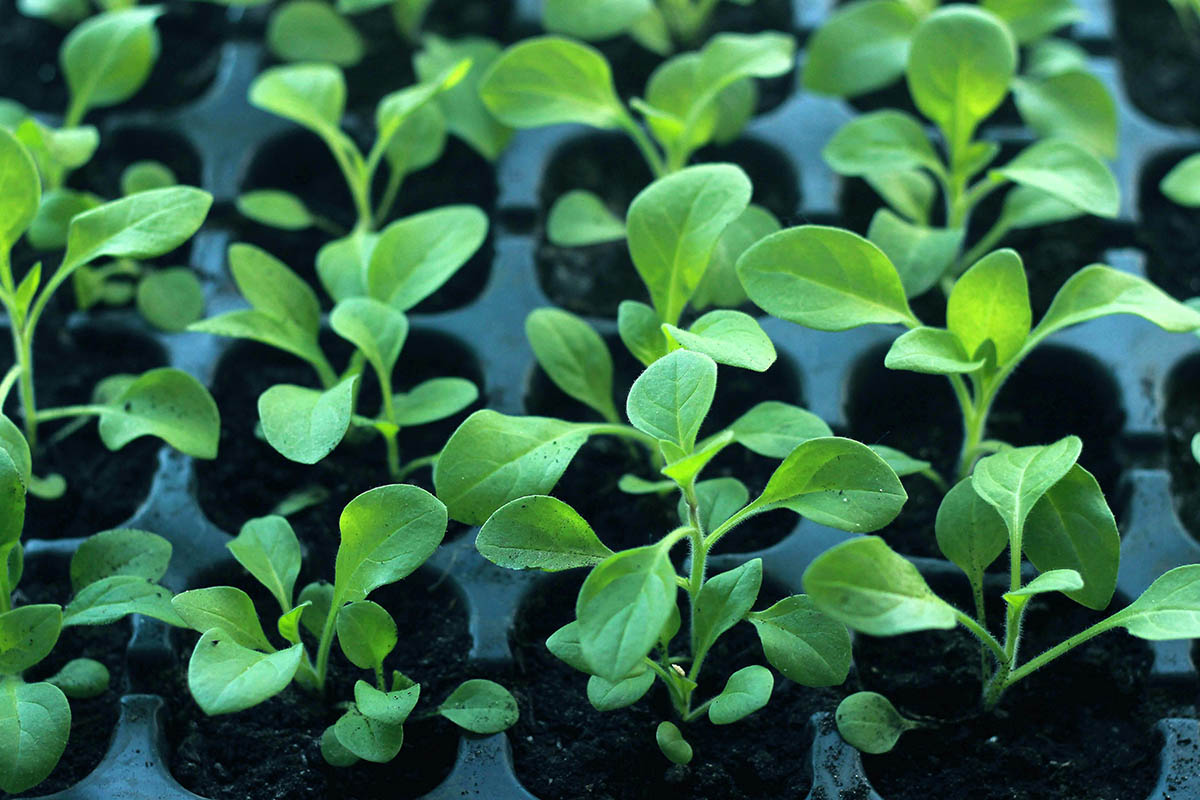
Hardening off seedlings is a crucial process that prepares young plants for the transition from indoor to outdoor environments. This gradual acclimatization helps prevent transplant shock, a condition that can hinder a seedling's growth and development. In this comprehensive guide, you will learn the essential steps to harden off your seedlings effectively, ensuring they thrive in their new surroundings. We will explore the importance of this process, the signs of transplant shock, and the best practices for managing environmental factors during acclimatization. Additionally, we will discuss common mistakes to avoid and how the easyDacha app can support your seedling care journey.
What Is Hardening Off and Why Is It Essential for Seedling Acclimatization?
Hardening off refers to the gradual process of acclimatizing seedlings to outdoor conditions, which is essential for their survival and growth. This method allows seedlings to adapt to changes in temperature, light, and humidity, reducing the risk of transplant shock. Transplant shock occurs when seedlings are suddenly exposed to harsh outdoor conditions, leading to stress and potential failure to thrive. By hardening off seedlings, gardeners can ensure a smoother transition, promoting healthier plants that are better equipped to handle their new environment.
Further emphasizing the importance of this initial acclimatization, research highlights how proper management during seedling establishment is key to minimizing transplant shock and ensuring successful plant growth.
Seedling Acclimatization to Minimize Transplant Shock trays should be moved to the greenhouse environment to allow them gradually to acclimatize to the new environment. Proper management during seedling establishment is important because it helps minimize transplant shock and ensures successful plant growth. Plant propagation for successful hydroponic production©, MY Lin, 2017
How Does Hardening Off Prevent Transplant Shock?
The hardening off process prevents transplant shock by allowing seedlings to undergo physiological changes that enhance their resilience. As seedlings are gradually exposed to outdoor conditions, they develop thicker cuticles, which help reduce water loss and protect against environmental stressors. Additionally, their root systems strengthen, enabling better nutrient and water uptake. Implementing best practices during this process, such as gradually increasing exposure to sunlight and wind, can significantly improve seedling survival rates.
What Are the Signs of Transplant Shock in Seedlings?
Recognizing the signs of transplant shock is crucial for timely intervention. Common symptoms include wilting, yellowing leaves, stunted growth, and leaf drop. These indicators suggest that the seedlings are struggling to adapt to their new environment. Early detection allows gardeners to take corrective measures, such as adjusting watering schedules or providing shade, to help seedlings recover and thrive.
Indeed, transplant shock is formally understood as the mortality or decelerated growth observed shortly after transplanting, underscoring the need for robust seedlings.
Defining & Limiting Transplant Shock in Seedlings Transplant shock can be defined as the mortality or decelerated plant growth soon after transplanting [6]. Therefore, the use of high-quality seedlings is a prerequisite in limiting transplant shock of muskmelon transplants in diverse environments [7]. The use of high-quality watermelon seedlings is prerequisite to limit the transplanting shock and achieve yield earliness, F Bantis, 2023
How to Harden Off Seedlings: Step-by-Step Outdoor Preparation Process
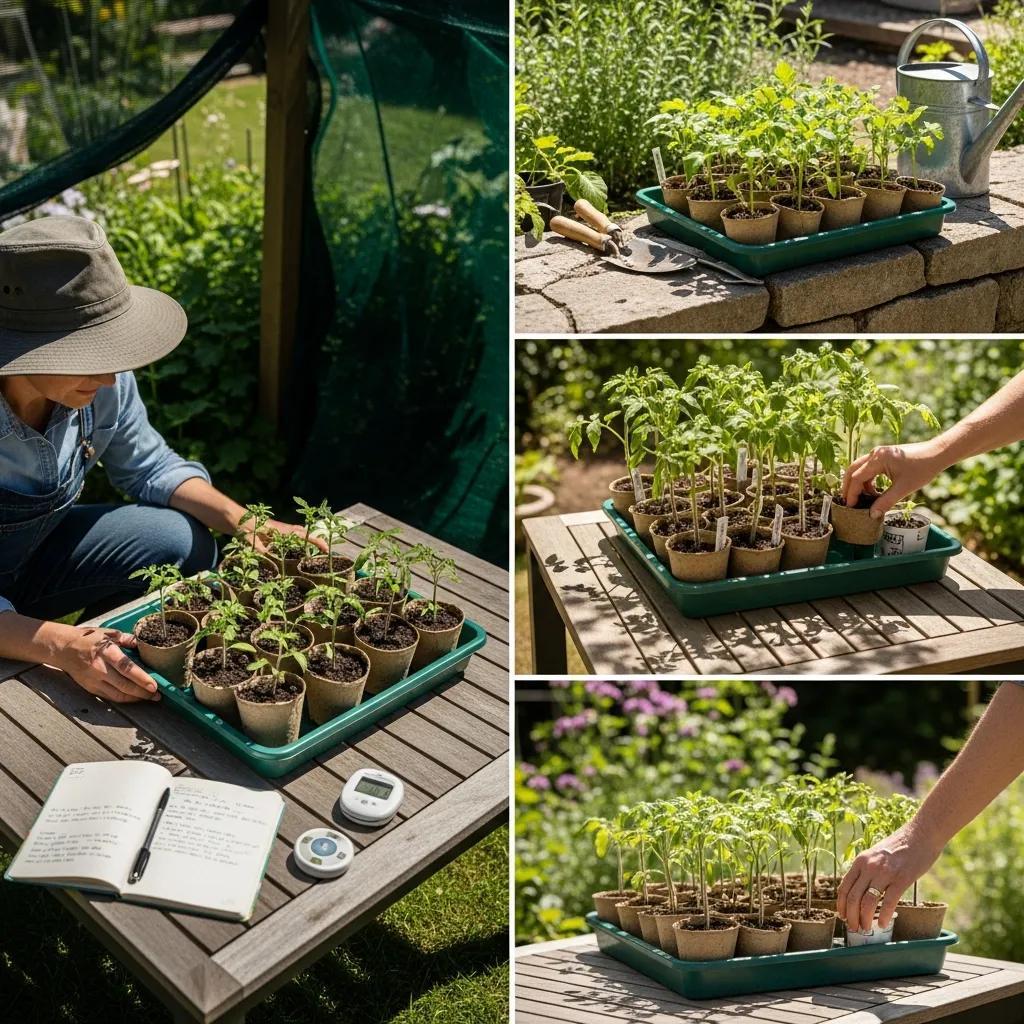
Successfully hardening off seedlings involves a systematic approach to acclimatization. The following steps outline an effective process to prepare your seedlings for outdoor living.
- Start Indoors: Begin by placing seedlings in a sheltered outdoor location for a few hours each day, gradually increasing their exposure over one to two weeks.
- Increase Duration: Each day, extend the time seedlings spend outside, ensuring they are protected from direct sunlight and strong winds initially.
- Monitor Conditions: Keep an eye on temperature fluctuations and adjust exposure times accordingly. If temperatures drop significantly, bring seedlings back indoors.
- Introduce Sunlight: After several days, gradually introduce seedlings to direct sunlight, starting with just an hour or two and increasing as they adapt.
- Watering Adjustments: Modify your watering schedule to match outdoor conditions, ensuring seedlings receive adequate moisture without becoming waterlogged.
What Is the Ideal Hardening Off Schedule for Different Seedling Types?
Different types of seedlings require tailored hardening off schedules to ensure optimal acclimatization. Below is a comparison of ideal schedules for various seedlings:
Seedling Type
This table illustrates how different seedlings benefit from specific hardening off durations, allowing for a more successful transition to outdoor conditions.
Real-world applications demonstrate the effectiveness of such structured acclimatization, with some studies detailing specific indoor and outdoor adaptation periods for successful field establishment.
Indoor & Outdoor Acclimatization for Field Establishment In vitroregeneration of black nightshade (Solanum nigrumL.) plants was achieved through callus-mediated shoot organogenesis followed by 30 d indoorex vitroadaptation to nutritional stress under environmental ambience and thereafter 6-d outdoor acclimatization in pots prior to field establishment. Photosynthetic and transpiration responses of in vitro-regenerated Solanum nigrum L. plants to ex vitro adaptation, 2010
How to Manage Sunlight, Temperature, and Watering During Acclimatization?
Managing environmental factors is critical during the hardening off process. Here are some best practices:
- Sunlight Exposure: Gradually increase the amount of direct sunlight seedlings receive, starting with filtered light to prevent sunburn.
- Temperature Management: Monitor temperature changes and protect seedlings from extreme conditions, such as frost or excessive heat.
- Watering Best Practices: Adjust watering based on outdoor conditions, ensuring seedlings are neither overwatered nor allowed to dry out completely.
By carefully managing these factors, gardeners can enhance the success of their seedlings during the hardening off phase.
Which Environmental Factors Affect Seedling Hardening Off Success?
Several environmental factors can significantly impact the success of the hardening off process. Understanding these elements is essential for effective seedling care.
How Do Temperature Fluctuations Impact Seedling Acclimatization?
Temperature fluctuations can stress seedlings, making it vital to monitor and manage their exposure. Sudden drops in temperature can lead to shock, while excessive heat can cause wilting. Gradual acclimatization helps seedlings adapt to these changes, promoting resilience and growth.
What Role Does Sunlight Exposure Play in Preventing Seedling Stress?
Sunlight exposure is crucial for seedling health, but too much too soon can lead to stress. Gradually increasing exposure allows seedlings to develop protective mechanisms, such as thicker leaves, which help prevent damage from intense sunlight. Understanding the optimal duration and intensity of sunlight is key to successful hardening off.
What Are Common Mistakes in Hardening Off Seedlings and How to Avoid Them?
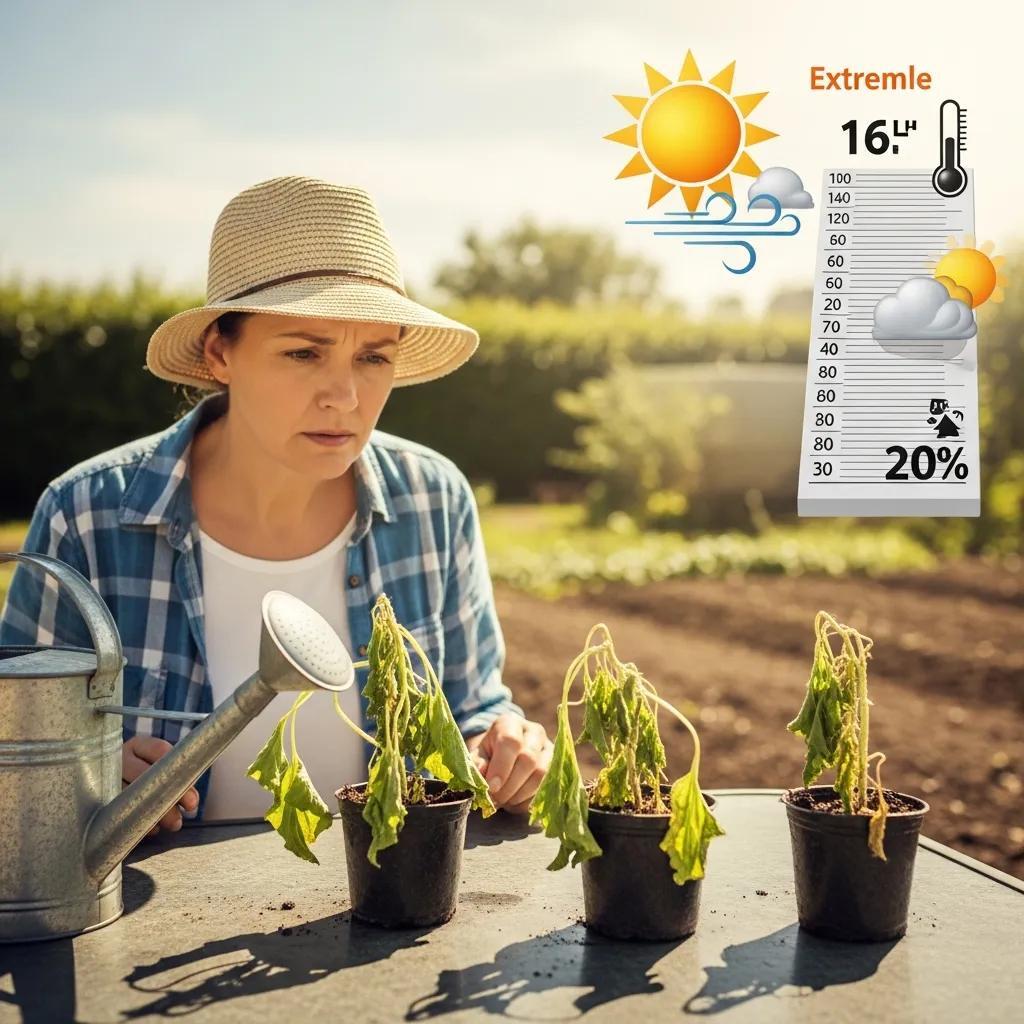
Avoiding common mistakes during the hardening off process can significantly improve seedling survival rates. Here are some pitfalls to watch out for:
- Skipping Gradual Acclimatization: Sudden exposure to outdoor conditions can shock seedlings. Always follow a gradual schedule.
- Ignoring Weather Conditions: Failing to monitor weather changes can lead to stress. Be prepared to bring seedlings indoors during extreme conditions.
- Overwatering or Underwatering: Inconsistent watering can exacerbate transplant shock. Maintain a consistent watering schedule that reflects outdoor conditions.
How Can Overwatering or Underwatering Cause Transplant Shock?
Overwatering can suffocate roots and lead to root rot, while underwatering can cause dehydration. Both conditions stress seedlings, making it essential to find a balance. Regularly check soil moisture levels and adjust watering practices accordingly.
Why Is Rushing the Hardening Off Process Harmful?
Rushing the hardening off process can lead to severe consequences, including transplant shock and poor growth. Gradual acclimatization allows seedlings to adapt and thrive in their new environment. Taking the time to properly harden off seedlings is crucial for long-term success.
How Does the easyDacha App Support Personalized Seedling Care and Hardening Off?
The easyDacha app is designed to assist gardeners in optimizing their seedling care, including the hardening off process. By providing personalized insights and reminders, the garden planner enhances the overall gardening experience.
What Features Does easyDacha Offer for Tracking Environmental Conditions?
The easyDacha app includes features for tracking environmental conditions, such as temperature and humidity levels. This data helps gardeners make informed decisions about when to expose seedlings to outdoor conditions, ensuring a smoother acclimatization process.
How Can easyDacha Reminders Improve Seedling Acclimatization Success?
The app's reminder system helps users stay on track with their hardening off schedules. By sending notifications for watering and exposure adjustments, easyDacha ensures that seedlings receive the care they need during this critical phase.
What Are the Latest Research Insights and Statistics on Hardening Off and Transplant Success?
Recent research highlights the importance of gradual acclimatization in reducing transplant shock. Studies indicate that seedlings that undergo a proper hardening off process can experience a reduction in transplant shock by approximately 30 to 50%.
How Does Gradual Acclimatization Reduce Transplant Shock by Up to 40%?
Gradual acclimatization allows seedlings to adapt to their new environment, significantly reducing the likelihood of transplant shock. Research shows that seedlings exposed to outdoor conditions over a period of time develop better resilience, leading to improved survival rates.
Why Is Adaptive Hardening Off Important in Variable Climate Conditions?
Adaptive hardening off is essential in variable climate conditions, as it allows seedlings to adjust to fluctuating temperatures and light levels. This flexibility is crucial for ensuring that seedlings can thrive in diverse environments, ultimately leading to healthier plants and better yields.