
Your tomatoes were setting fruit, then a hot spell hit and the flowers dropped overnight. That is heat stress, and it starts before a single leaf looks burned. Knowing how to protect plants in a heat wave comes down to five fast moves you can do the day before it lands. Four of them cost almost nothing.
TL;DR: To protect plants in a heat wave, shade them with 40 to 50% cloth, mulch the soil, water deeply at dawn and dusk, cool your pots, and spray only at sunrise. Do it before the spike, not after.
The 5-move heat wave protocol
Block the sun, hold soil moisture, water deep, cool the containers, and feed at dawn. That order matters, because the first four moves do most of the work and the spray is the finish.
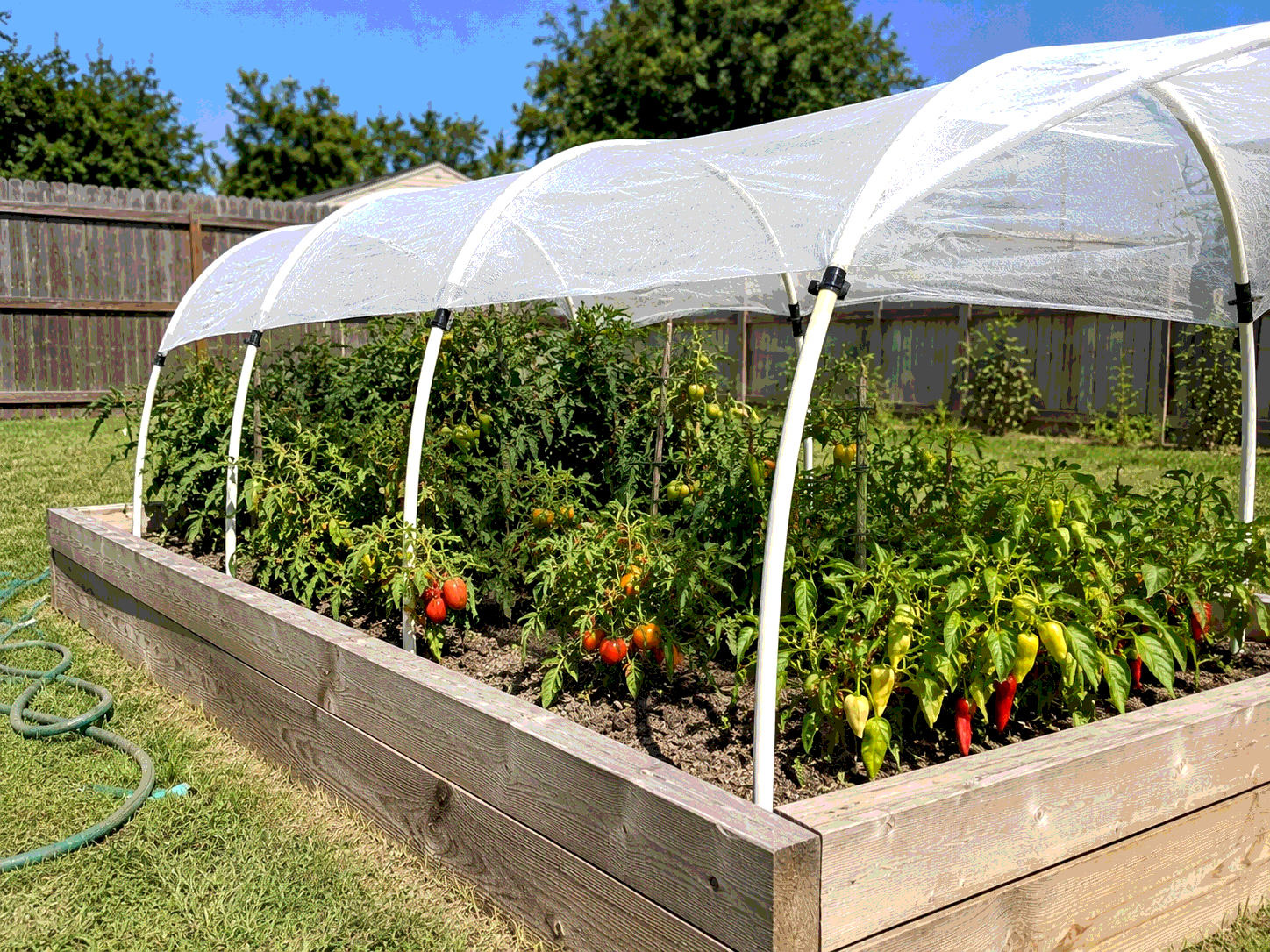
1. Shade them. Stretch shade cloth over hoops so it floats above the plants, not on the leaves. Use 40 to 50% for most crops. Go to 60 to 70% in the hottest gardens. A white sheet or a patio umbrella works in a pinch.
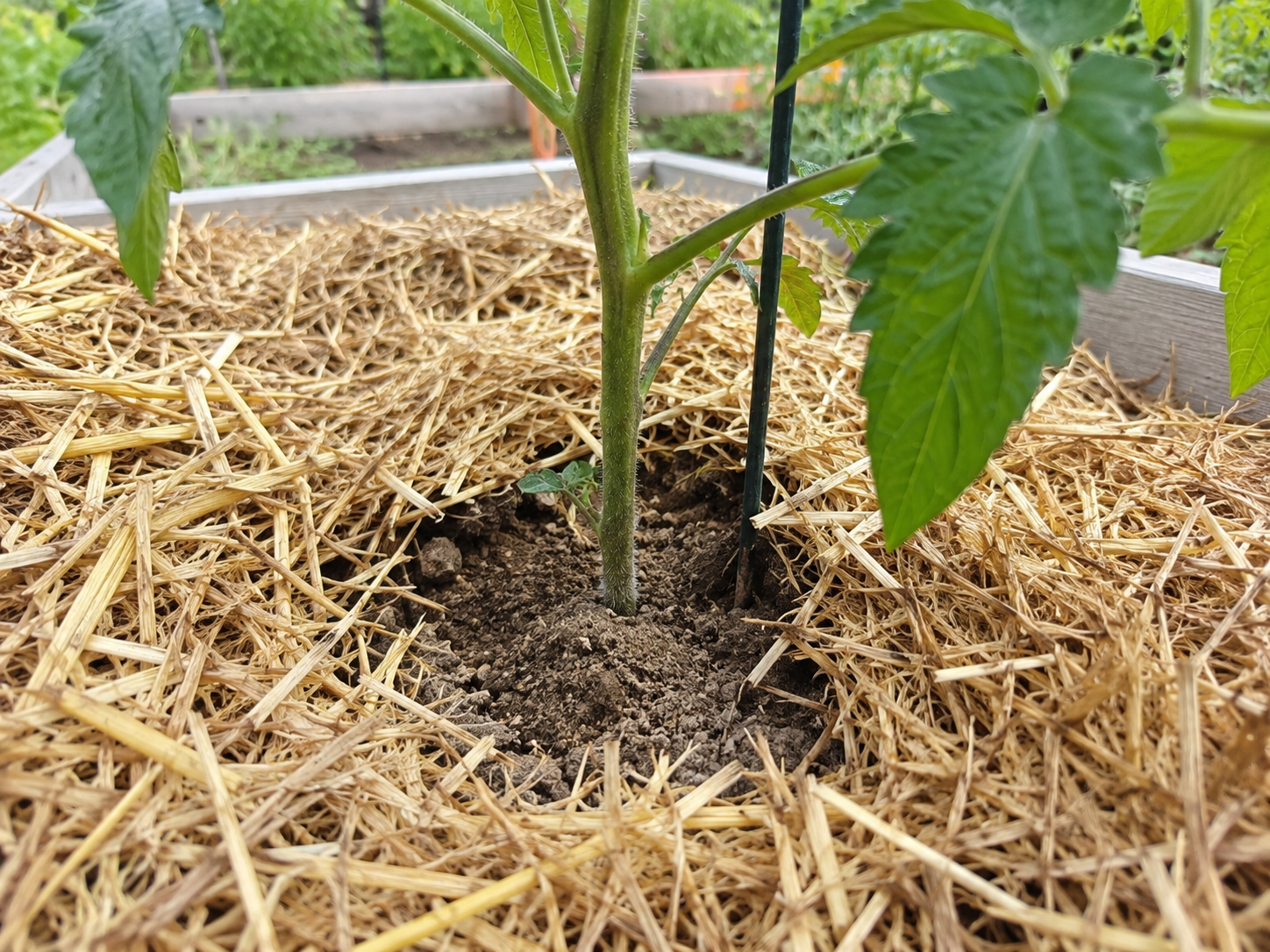
2. Mulch the soil. Spread 3 inches (7.5 cm) of straw, dry grass, or leaves around the base. Keep it 2 inches (5 cm) off the stem. This holds water and keeps roots cool.
3. Water deep. Water at the base at dawn, then again at dusk on the worst days. Soak the soil 8 to 12 inches (20 to 30 cm) down, about 1 gallon (3.8 L) per plant. Skip shallow sprinkles.
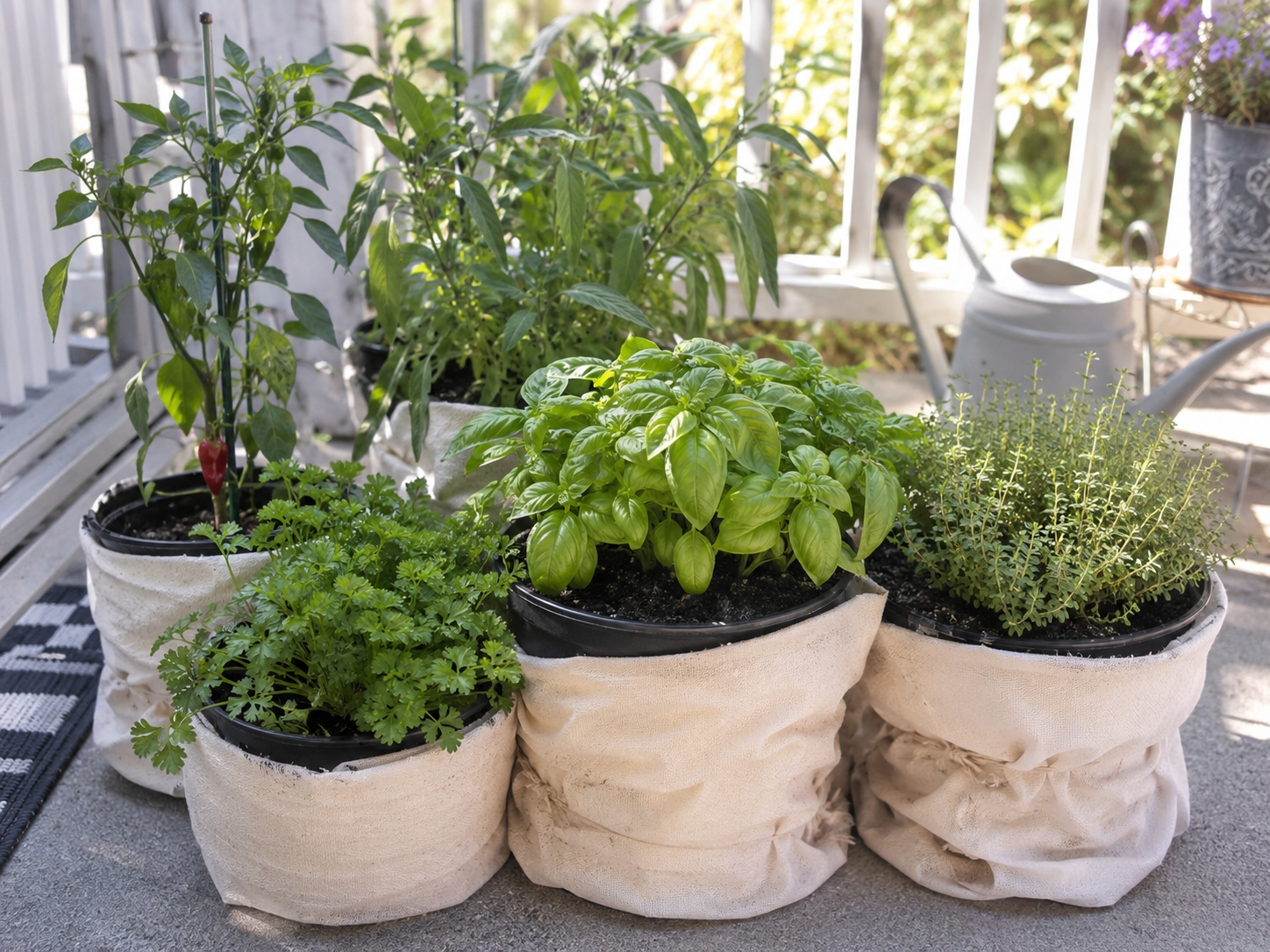
4. Cool your containers. Wrap dark pots in white cloth, or slip each pot inside a larger empty one. Group pots so they shade each other. Lift them off hot pavement.
5. Spray at dawn. A light foliar feed helps the plant hold water and recover. It goes on at sunrise, never in the midday sun.
The dawn spray, for 1 gallon (3.8 L) of water:
- Sulfate of potash: 2 teaspoons (10 g). A potassium feed that helps the plant manage water under heat.
- Liquid amino acid feed: 1 tablespoon (15 ml). It rebuilds leaves the sun has scorched.
Nice additions if you have them:
- Uncoated aspirin: 1 tablet (325 mg). Aspirin is acetylsalicylic acid, which primes the plant's own heat defenses. Use it the day before a forecast spike, sold at any pharmacy.
- Glycine betaine: 1/8 teaspoon (about 0.5 g). It shields plant cells during a long, grinding heat wave. Look for betaine anhydrous in the supplement aisle.
Mix it: stir until fully dissolved.
Shelf life: mix fresh each time and use it within a day.
How to apply the protocol
Do the four physical moves first, then treat the spray as a booster. Shade, mulch, water, and pot-cooling protect the plant. The spray feeds and defends it, so it comes last.
Spray every affected plant and the ones next to it. Wet the tops and the undersides of the leaves, because the pores sit underneath. Always spray at sunrise or after sunset. Midday droplets act like tiny lenses and burn the leaf.
Repeat the potassium and amino spray once or twice during the wave. If you add aspirin, use it once before the spike, then again after 10 to 14 days if the heat drags on. If you add glycine betaine, spray it once a week until the heat breaks.
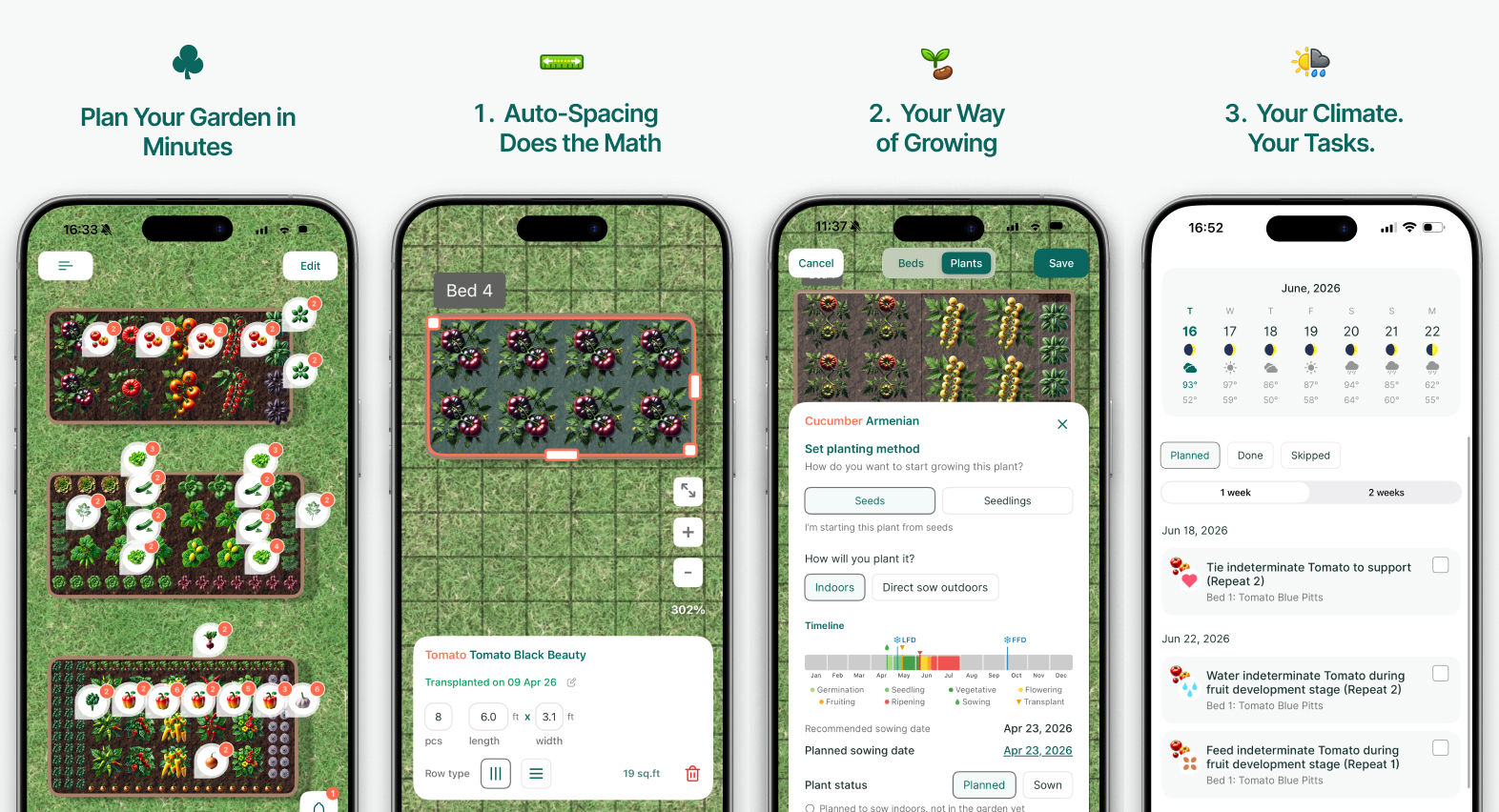
A rough heat wave can mean shading each morning, watering twice a day, and hitting two or three dawns with the sprayer. That is a lot to hold in your head during a busy week. The easyDacha gardening app builds the full heat schedule for your plants and your USDA zone, then reminds you before each task.
Set it up here
Set it up here
Why this works
Heat damage starts at the roots and the leaf pores, so cooling the soil and slowing water loss is how you protect plants in a heat wave. Above 95°F (35°C), a plant shuts its pores and drops flowers to survive. Every move here fights that.
Shade and mulch drop the temperature the plant feels. Shade cloth alone cuts about 10°F (5°C), and mulch keeps the root zone from baking. Cooler roots keep the plant working instead of quitting.
Deep watering sends roots down where the soil stays cool and moist. Shallow sprinkles do the opposite and leave roots stranded near the hot surface. Wrapping and grouping pots protects the most exposed roots you have.
Potassium runs the plant's water balance and pore control, which is exactly what breaks down in heat. Amino acids give scorched leaves the raw material to rebuild. Salicylic acid from aspirin switches on stress defenses in advance, and glycine betaine steadies cells while it is hot.
Is a dawn spray safe for my plants and pollinators?
Yes. A dawn spray at these low doses is safe for edible plants and for bees, because you spray before the sun is strong and before pollinators are active. The concern with any foliar spray is leaf burn and bee contact, and dawn timing avoids both.
Follow three simple rules:
- Spray at sunrise or after sunset, never in direct sun.
- Keep the doses above. More is not stronger, it just burns leaves.
- Test on a few leaves first and check them the next morning.
What NOT to do
- Don't mist leaves at midday. Water droplets focus the sun and scorch the leaf.
- Don't pour on extra nitrogen. It pushes soft growth that fries in the heat.
- Don't rely on shallow sprinkles. They keep roots near the hot surface and make the next hot day worse.
- Don't transplant or hard-prune during the heat. Both add stress the plant cannot spare right now.
Best for which plants
- Fruiting crops (tomato, pepper, eggplant, cucumber, squash): hit hardest, because heat makes tomatoes drop their flowers and stall fruit. Give them shade cloth and the potassium spray first.
- Leafy greens (lettuce, spinach, cilantro): they bolt fast, so lettuce bolts and turns bitter. Prioritize shade and mulch, and skip the spray.
- Container plants and young transplants: the most exposed roots in the garden. Cool the pots before anything else.
- Houseplants: pull them back from hot south-facing windows during the wave.
When heat damage keeps coming back
If plants wilt every hot afternoon even after you water, check three things. First, the soil may never soak deep, so water slower and longer until it is wet 12 inches (30 cm) down. Second, the shade may be too thin, so move up to 60 to 70% cloth. Third, container plants may be sitting on hot pavement that radiates heat into the roots.
FAQ
How do I protect plants in a heat wave if I work all day?
Do the work at the two cool ends of the day. Shade and mulch the evening before, water at dawn before you leave, and water again at dusk. The shade cloth then carries the plants through the midday heat while you are out.
What shade cloth percentage should I use for vegetables?
Use 40 to 50% shade cloth for vegetables in most gardens, which drops the temperature about 10°F (5°C). Go to 60 to 70% in USDA zone 9 and zone 10, such as the Gulf Coast and Southwest. Use 50% over lettuce and greens to slow bolting.
How often should I water plants in a heat wave?
Watering plants in a heat wave means deep and twice daily on the hottest days, at dawn and dusk. Soak the soil 8 to 12 inches (20 to 30 cm) down. In dry western gardens (USDA zone 5, zone 6, zone 7) water every day. In humid Southeastern gardens keep water off the leaves.
How do I protect container plants from heat?
To protect container plants from heat, wrap dark pots in light-colored cloth to reflect the sun. Slip each pot inside a larger empty pot with an air gap, group pots together, and lift them off hot pavement. Roots in pots overheat first, so this is the highest-value move for a patio garden.
Does aspirin really help with heat stress in plants?
It can, as a low-dose primer used before the heat. Aspirin becomes salicylic acid, which activates the plant's defenses against heat stress in plants. Use 1 tablet (325 mg) per gallon (3.8 L) at dawn, no more than every 10 to 14 days, and test on a few leaves first.
Will my wilted plants recover after a heat wave?
Usually yes, as long as the roots stayed alive. To keep plants alive in extreme heat, water deeply once temperatures drop and spray amino acids at dawn to rebuild burned leaves. Give it a week or two. New upright growth means it is bouncing back.
Is there an app that reminds me to protect my plants in the heat?
Yes. The easyDacha gardening app builds a day-by-day care plan for your plants and your USDA zone, then sends reminders before each heat task, from shading to the dawn spray. It turns this whole protocol into simple alerts, so you act before the heat hits instead of after.