
If you are wondering how to start a vegetable garden, you are in the right place. You do not need a big backyard or expensive tools. You just need a simple plan, decent soil, and a routine that makes watering and care easy to stick with.
This guide covers the basics for raised beds, in-ground beds, and container gardening vegetables, plus simple seedling steps so you can actually harvest this season.
Step 1. Pick your garden style and sunlight
Choose the setup that fits your life, not the “perfect” setup.
Option A. In-ground garden
Great if you already have a sunny spot with workable soil.
Option B. Raised beds
Easier for beginners because you control the soil and weeds better. Raised beds also warm up faster in spring.
Option C. Containers or pots
Perfect for patios, balconies, and garden layout small space situations. Many vegetables grow well in containers, especially greens, herbs, peppers, and cherry tomatoes.
Sun rule: Aim for 6+ hours of direct sun per day for most vegetables. Leafy greens can handle less.
Step 2. Start with a simple garden layout
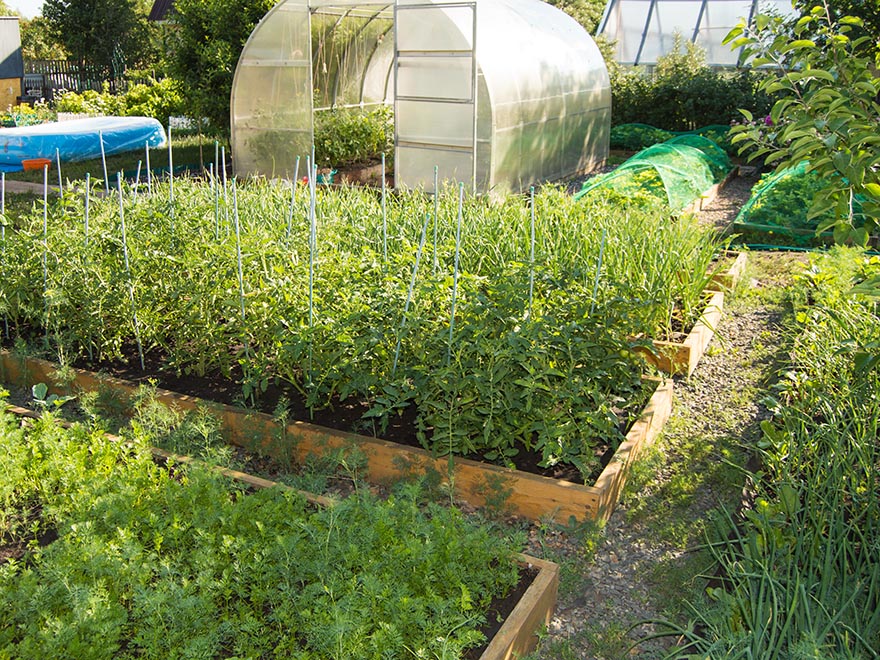
A beginner garden works best when it is small and easy to maintain. If you overload yourself, watering and weeding become exhausting fast.
Here are beginner-friendly vegetable garden layout ideas:
- Pick 4 to 6 crops you actually eat.
- Group plants with similar watering needs.
- Leave walking space so you are not stepping on soil and roots.
- Put tall crops behind shorter crops so you do not block sunlight.
If you want to go even easier, use a garden planner app to map beds, spacing, and reminders. This is especially helpful if you are building a routine and do not want to remember everything.
Step 3. Get the soil right
Soil is where beginners win or lose. You can fix almost anything else, but weak soil causes slow growth, pests, and disappointing harvests.
Best soil for raised beds
If you are filling raised beds, aim for a mix that holds moisture but still drains well. You want soil that feels crumbly and smells earthy.
A simple raised bed soil mix recipe:
- 50% quality topsoil
- 30% compost
- 20% aeration (perlite, pumice, or coarse sand)
If your bed dries out too fast, add a little more compost. If it stays soggy, add more aeration.
For containers
Use potting mix, not yard soil. Yard soil compacts in pots and can suffocate roots. For container gardening vegetables, pick a potting mix that drains well and add compost if the mix looks “too fluffy” to hold moisture.
Step 4. Choose easy plants for your first season
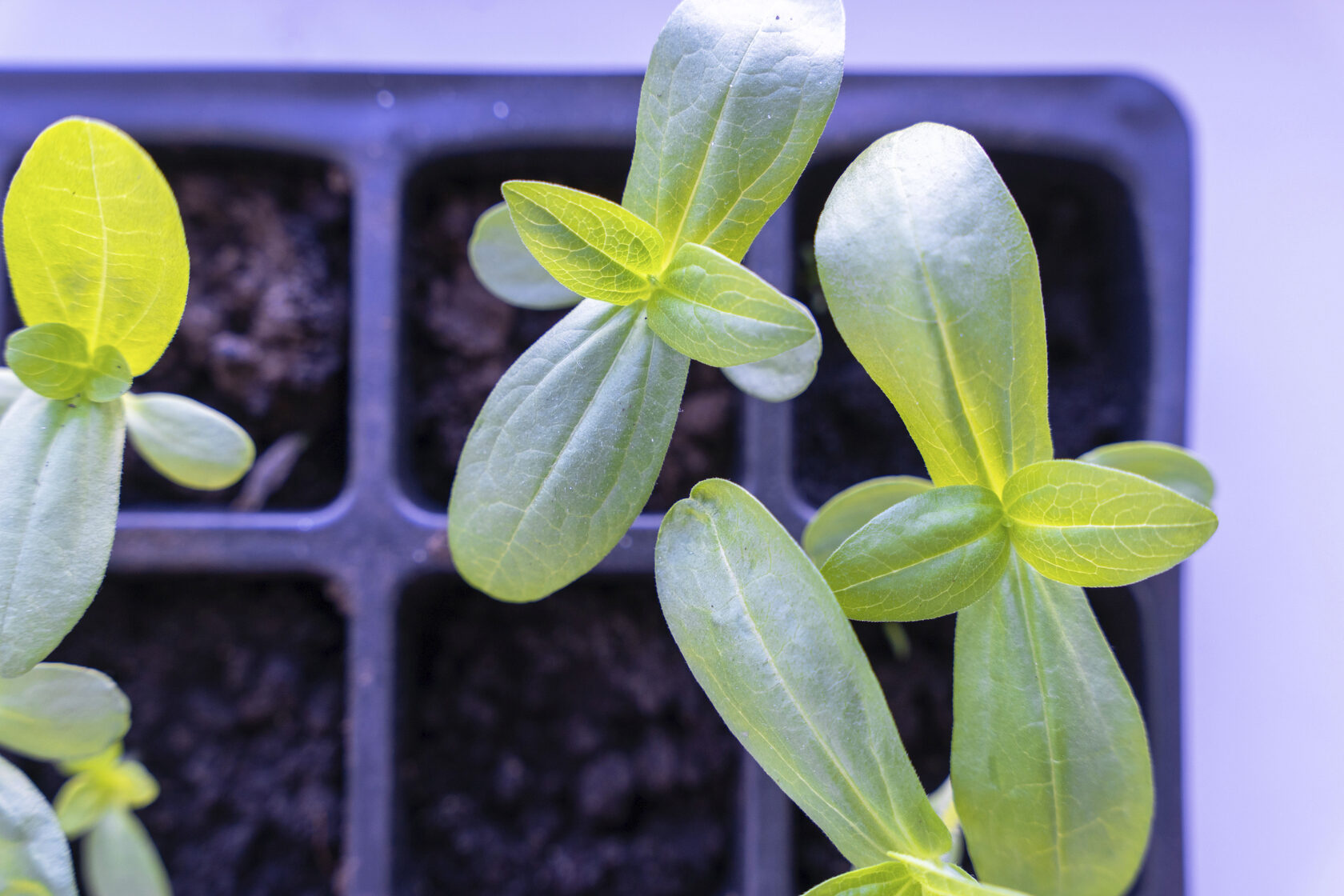
If you are learning how to start a vegetable garden, pick plants that forgive mistakes and grow quickly.
Great beginner choices:
- Lettuce and spinach
- Radishes and carrots
- Green beans
- Basil and parsley
- Cherry tomatoes and peppers if you have enough sun
Start small. You can always add more next season once you know what your space can handle.
Step 5. Seeds vs starter plants
Starter plants are faster and easier for warm-season crops like tomatoes and peppers. Seeds are cheaper and give you more variety.
If you start from seed, keep these seed starting tips in mind:
- Use a light seed-starting mix.
- Keep soil evenly moist, not soaked.
- Give 12–16 hours of light once seedlings sprout.
- Use a timer so your schedule stays consistent.
Common seed starting problems to watch for:
- Leggy seedlings. Not enough light or the light is too far away.
- Mold on soil. Too wet and not enough airflow.
- Slow germination. Temperature is too low for that crop.
Step 6. Watering. Make it simple and consistent
Most beginners lose plants from uneven watering, not “bad seeds.”
A basic watering schedule for vegetables:
- Water deeply when the top 1 inch of soil is dry.
- Water in the morning when possible.
- In containers, expect to water more often, especially in hot weather.
Quick finger test: Stick your finger 1 inch into the soil. If it feels dry, water. If it feels damp, wait.
Step 7. Use a planting calendar by zip code
Planting too early is one of the fastest ways to waste time and money. Use a planting calendar by zip code to time your outdoor planting around your last frost date.
This helps you decide:
- When to start seeds indoors
- When to transplant
- When to direct sow outside
Step 8. Harden off seedlings before they go outside
If you start seeds indoors, do not move them straight outdoors. That shock can stunt growth for weeks.
How to harden off seedlings:
- Day 1: 1–2 hours outside in shade, protected from wind
- Add 1–2 hours each day
- Slowly introduce more sun
- After 7–10 days, most seedlings can handle full outdoor life
This one step is a huge success booster for beginners.
Step 9. Feeding. Do not overdo it
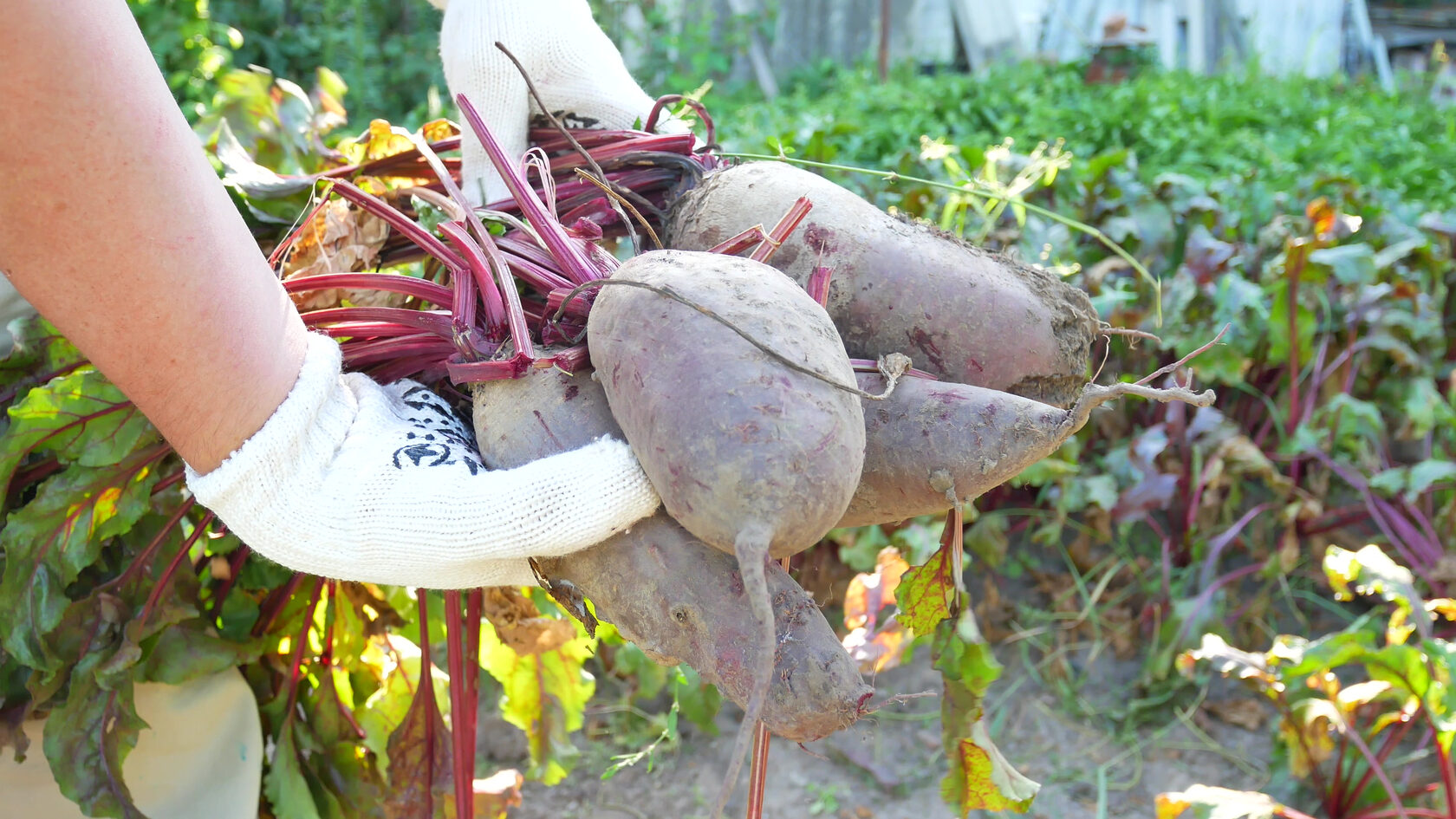
Beginners often over-fertilize. More is not better.
A simple approach for how to fertilize vegetable garden:
- Add compost at planting time
- Use a gentle organic fertilizer every 3–4 weeks if growth is slow or leaves look pale
- Focus on steady growth, not “fast growth”
If plants look dark green but produce few flowers, you may be giving too much nitrogen.
A simple beginner checklist
- Choose a sunny spot
- Pick a small layout you can maintain
- Use good soil, especially in raised beds and containers
- Plant beginner-friendly crops
- Follow a planting calendar by zip code
- Keep a simple watering schedule for vegetables
- Harden off seedlings before transplanting
- Feed lightly and consistently
Bonus. Make the season easier with easyDacha
If you want fewer mistakes and less mental load, a garden planner app can help you plan layout, spacing, and timing. easyDacha is built for beginners and busy gardeners. It helps you organize your garden, track plants, and follow step-by-step to-do lists based on your location and season.
Use easyDacha app
It simplifies the process by analyzing your space and suggesting crops that will thrive based on factors like sunlight, water availability, and ground type. It even provides step-by-step to-do lists tailored to your location and climate, ensuring you never miss a critical gardening task.