
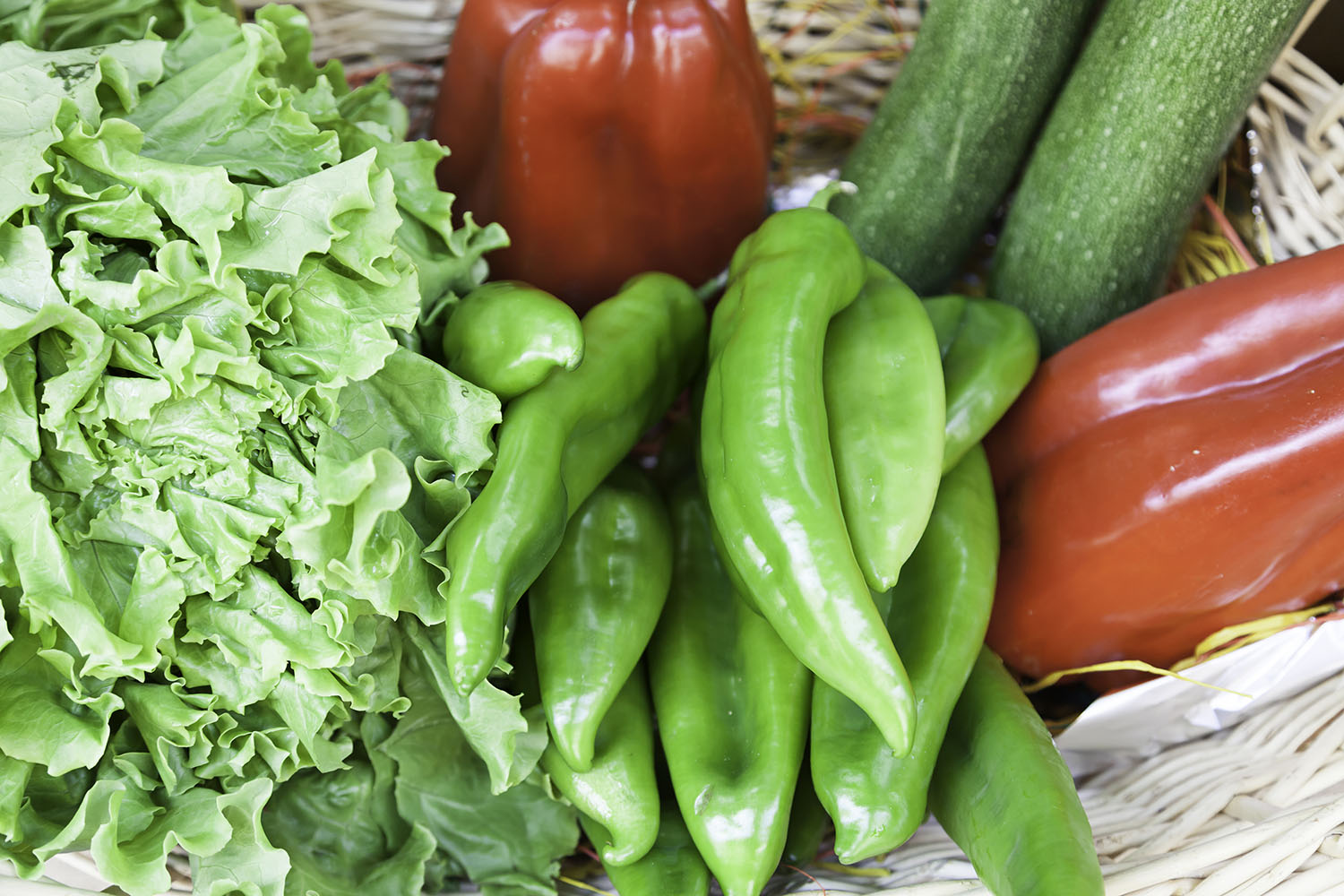
Want a happy, healthy veggie garden? 🧑🌾
If you want your vegetable garden to feel balanced and easy to care for, choosing the right plant neighbors is a great place to start. Some vegetables quietly support each other, while others compete or make each other more vulnerable to pests and disease.
Can I plant onions and cucumbers together?
This guide walks you through the best companions for onions, lettuce, cucumbers, and peppers — plus a few pairs you’ll want to keep apart.
Can I plant onions and cucumbers together?
This guide walks you through the best companions for onions, lettuce, cucumbers, and peppers — plus a few pairs you’ll want to keep apart.
What is companion planting?
Companion planting is the practice of growing plants next to partners that help them thrive. Some companions repel pests, others improve soil conditions, and some simply create the right amount of shade or airflow.
If you enjoy the idea of planning your beds more thoughtfully, you may also like our guide “Simplify Your Garden: How preventive gardening makes it easy,” which covers broader layout and plant-rotation strategies.
If you enjoy the idea of planning your beds more thoughtfully, you may also like our guide “Simplify Your Garden: How preventive gardening makes it easy,” which covers broader layout and plant-rotation strategies.
Best companion plants for onions
Onions have a strong scent, and many garden pests avoid it. That alone makes them helpful neighbors.
Good companions for onions:
Good companions for onions:
- Carrots, lettuce, spinach — these vegetables don’t compete for space and benefit from onion’s natural pest control.
- Peppers — they enjoy similar sun conditions and grow well alongside onions.
Avoid: Don’t plant beans next to onions. They simply don’t get along with onions and may stunt each other’s growth.
Who grows best with lettuce?
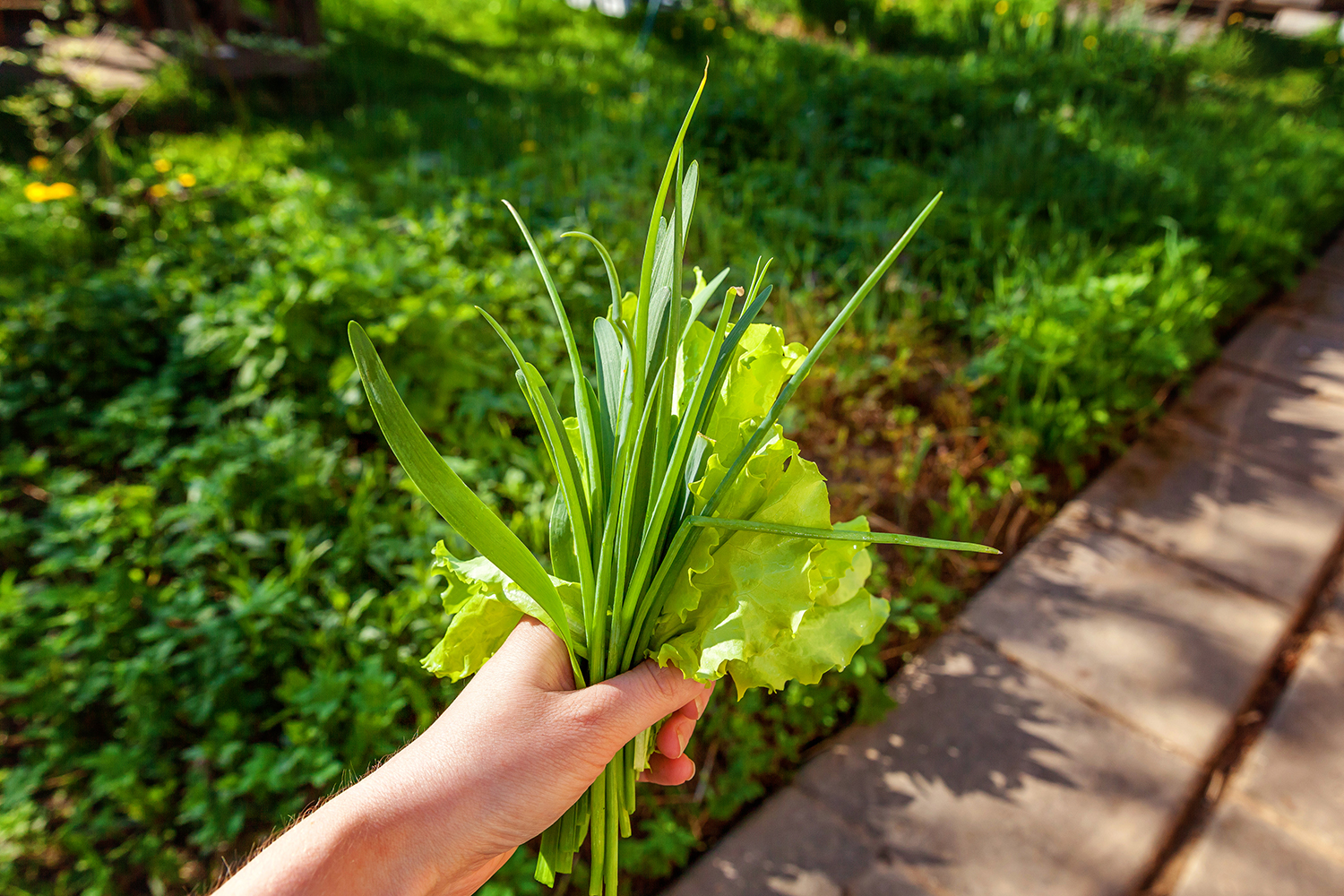
Lettuce has shallow roots and prefers cool, lightly shaded, well-moistened soil. Good neighbors help keep it from overheating or getting crowded.
Good companions for lettuce:
• Chives, carrots, onions, arugula — gentle growers that won’t take over.
• Spinach — enjoys similar moisture and light levels, so they share space well.
Good companions for lettuce:
• Chives, carrots, onions, arugula — gentle growers that won’t take over.
• Spinach — enjoys similar moisture and light levels, so they share space well.
Avoid: Don’t plant celery too close to lettuce. It grows aggressively and can easily push out lettuce for space and nutrients.
Cucumber’s favorite companions
Cucumbers grow quickly and attract a few specific pests, so good companions help keep things stable.
Good companions for cucumbers:
• Dill, beans, peas, onions — they support soil health and can help with pest control.
• Marigolds and calendula — colorful flowers that naturally repel harmful insects.
If you enjoy using flowers as part of your vegetable garden design, check out our guide “7 Best Flowers for Your Vegetable Garden!”
Good companions for cucumbers:
• Dill, beans, peas, onions — they support soil health and can help with pest control.
• Marigolds and calendula — colorful flowers that naturally repel harmful insects.
If you enjoy using flowers as part of your vegetable garden design, check out our guide “7 Best Flowers for Your Vegetable Garden!”
Avoid: Potatoes! They share fungal diseases with cucumbers, so planting them together raises the risk of problems.
What pairs well with peppers?
Peppers appreciate warm weather and steady light. They also benefit from neighbors that help keep pests in check without blocking the sun.
Good companions for peppers:
• Carrots, basil, chives, onions, spinach — compact plants that protect peppers without competing for space.
• Marigolds — help deter aphids and beetles.
Good companions for peppers:
• Carrots, basil, chives, onions, spinach — compact plants that protect peppers without competing for space.
• Marigolds — help deter aphids and beetles.
Avoid: pairing peppers with very thirsty plants, since they will constantly compete for water.
Plant Combos to Avoid
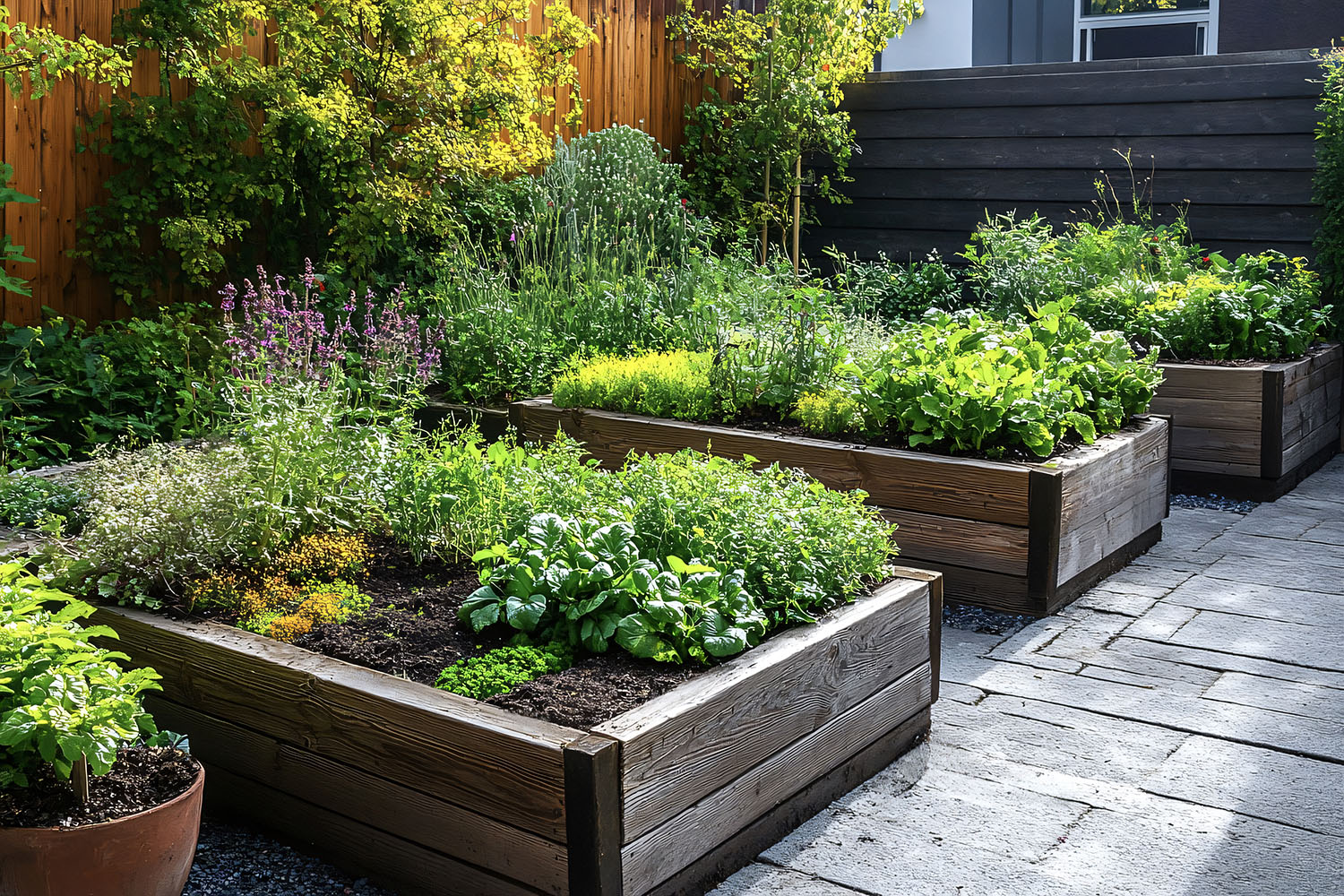
Not all pairings work well together. Here are the main ones to skip:
• Onions and beans — they suppress each other’s growth.
• Cucumbers and potatoes — higher risk of shared diseases.
• Lettuce and celery — celery quickly overtakes lettuce.
When in doubt, it’s safer to place these pairs in separate beds.
• Onions and beans — they suppress each other’s growth.
• Cucumbers and potatoes — higher risk of shared diseases.
• Lettuce and celery — celery quickly overtakes lettuce.
When in doubt, it’s safer to place these pairs in separate beds.
Easy garden planning tips
A little planning goes a long way in creating a healthier vegetable garden.
If you want help designing the layout itself, “What Your Gardening Space Needs” walks through simple ways to organize beds based on sunlight and structure
- Group plants by their sun and water needs.
- Sketch a simple layout before planting so you can place compatible plants together.
- Rotate crop groups each year to reduce soil-borne issues.
- Add marigolds or helpful herbs like basil and dill throughout the garden for natural pest support.
- Leave enough space between plants to improve airflow and prevent mildew.
- Use easyDacha app - It tells you what to do, when, and how, with the best tips from gardeners in your climate zone.
If you want help designing the layout itself, “What Your Gardening Space Needs” walks through simple ways to organize beds based on sunlight and structure
easyDacha app simplifies the process by analyzing your space and suggesting crops that will thrive based on factors like sunlight, water availability, and ground type. It even provides step-by-step to-do lists tailored to your location and climate, ensuring you never miss a critical gardening task.
🌱 Download the App to get early access and make your gardening journey smoother, more productive, and more enjoyable!
The secret to a thriving veggie garden
It’s not only what you plant — it’s who you plant side by side. Onions, lettuce, cucumbers, and peppers all have reliable companions that make growing them easier and more productive.
With a bit of planning, your garden starts to feel less like a guessing game and more like a well-coordinated team.
Happy planting!
With a bit of planning, your garden starts to feel less like a guessing game and more like a well-coordinated team.
Happy planting!