
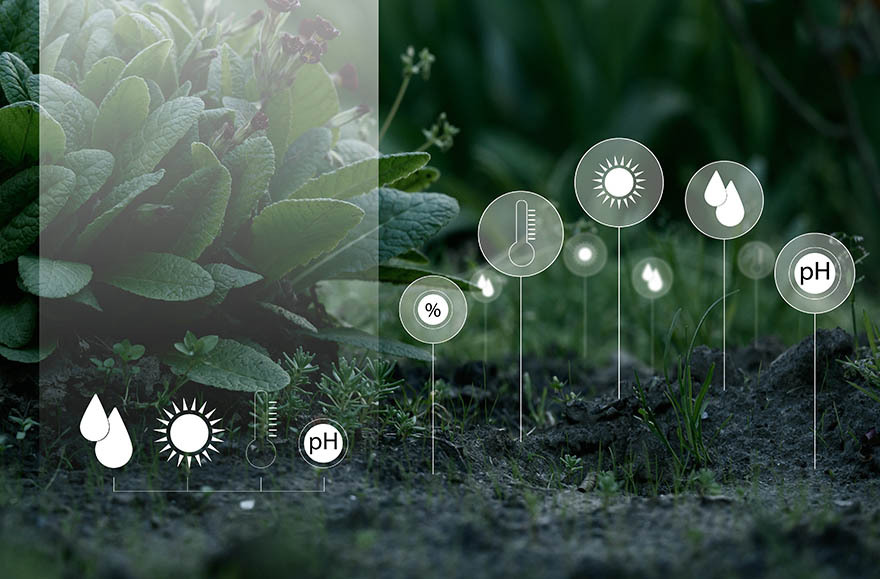
Creating the right environment is crucial for nurturing healthy seedlings, with temperature being a key factor. Different plant species have varying temperature preferences during their early growth stages. Below is a detailed guide to help you provide optimal conditions for your seedlings.
Group I: Cool-season vegetables ❄️
These plants flourish in cooler climates and can withstand lower temperatures.
- Ideal Seedling Temperatures:
- Daytime (Sunny): 14–18°C (57–64°F)
- Daytime (Cloudy): 12–16°C (54–61°F)
- Nighttime: 6–10°C (43–50°F)
- Examples: Cabbage varieties, including kohlrabi. 🥬
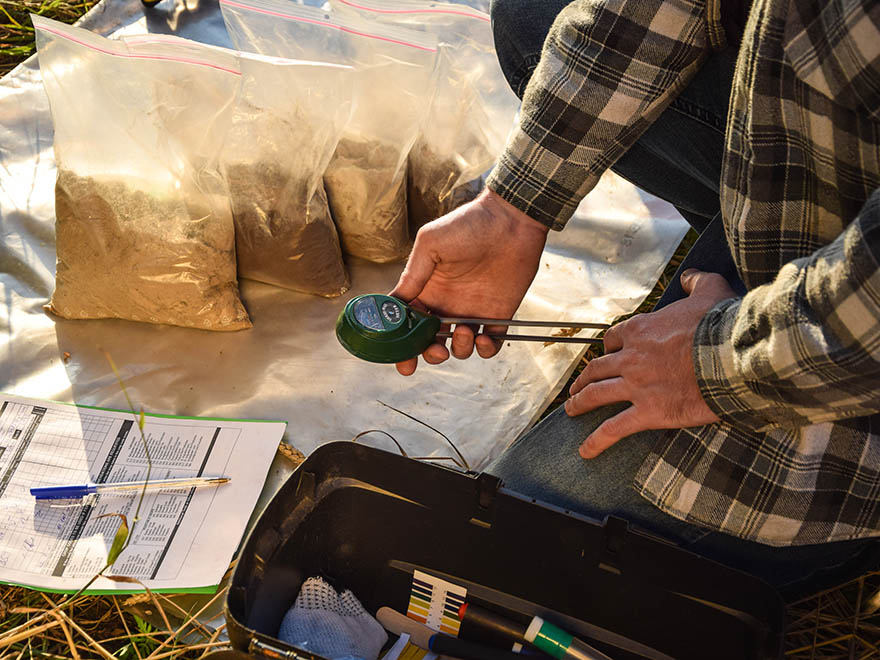
Practical Tip: When starting cabbage seeds indoors, maintain a consistent soil temperature within the ideal range to promote robust growth. Utilizing a soil thermometer can help monitor and adjust conditions as needed.
Group II: Moderate-temperature crops 🌤️
These vegetables prefer milder temperatures and are sensitive to extreme cold or heat.
- Ideal Seedling Temperatures:
- Daytime (Sunny): 16–18°C (61–64°F)
- Daytime (Cloudy): 14–16°C (57–61°F)
- Nighttime: 12–14°C (54–57°F)
- Examples: Onions (bulb and leek), lettuce, celery, beets, and potatoes. 🥗
Practical Tip: For crops like lettuce, maintaining consistent moisture and temperature is vital. Consider using humidity domes during germination to achieve the necessary humidity levels, and remove them once seedlings emerge to prevent excessive moisture.
Group III: Warm-season vegetables ☀️
These plants thrive in warmer conditions and require higher temperatures for optimal growth.
- Ideal Seedling Temperatures:
- Daytime (Sunny): 20–24°C (68–75°F)
- Daytime (Cloudy): 18–22°C (64–72°F)
- Nighttime: 18–20°C (64–68°F)
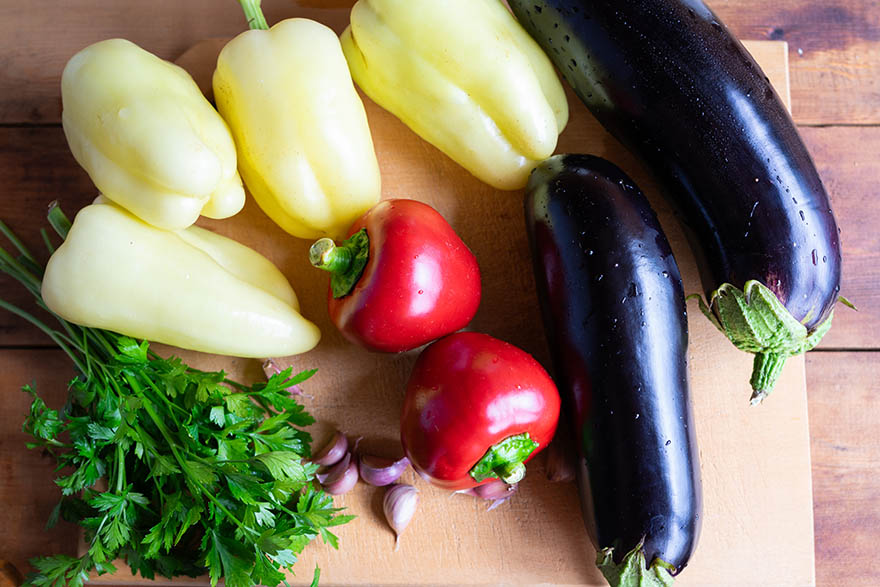
- Examples: Tomatoes, peppers, eggplants, beans, and gourds like pumpkins and cucumbers. 🍅
Practical Tip: Using heat mats can provide the consistent warmth that heat-loving seedlings require, especially in cooler indoor environments. Ensure to monitor soil temperatures to prevent overheating.
Implementing temperature control in your garden
Identify Plant Categories: Classify your plants into the groups mentioned above to understand their temperature needs.
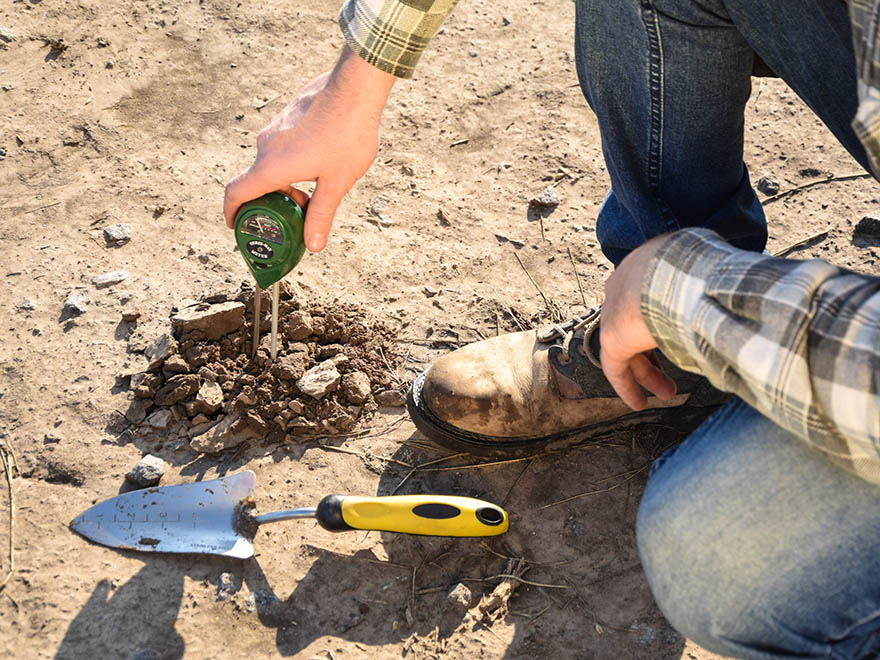
Monitor Environmental Conditions: Regularly check both air and soil temperatures using appropriate thermometers to ensure they align with your plants' requirements.
Adjust Growing Conditions:
Monitor Environmental Conditions: Regularly check both air and soil temperatures using appropriate thermometers to ensure they align with your plants' requirements.
Adjust Growing Conditions:
- Indoors: Utilize grow lights, heat mats, and humidity domes to create a controlled environment.
- Outdoors: Employ row covers, mulch, or cloches to moderate soil temperature and protect seedlings from temperature fluctuations.
Observe Seedling Responses: Pay attention to signs of stress in your seedlings, such as wilting or discoloration, which may indicate temperature-related issues.
By tailoring your gardening practices to meet the specific temperature preferences of your plants, you can enhance seedling vigor, reduce susceptibility to diseases, and ultimately achieve a more productive garden.
Want to know the best temperature for your seedlings to grow?
Create perfect conditions easily with the easyDacha app!
With easyDacha, you’ll always know:
It’s like having a personal gardening helper that keeps your seedlings healthy and happy. No stress—just successful gardening! 🌱✨
With easyDacha, you’ll always know:
- Which plants need special care: The app tracks every plant and its unique needs.
- When to adjust the temperature: Get reminders at the right time to make changes.
- How to maintain the right temperature: Follow step-by-step guides made just for your plants.
It’s like having a personal gardening helper that keeps your seedlings healthy and happy. No stress—just successful gardening! 🌱✨
Download today to try easyDacha!
🌼 Happy gardening!