
The Best Flowers to Grow Alongside Your Vegetables
Flowers serve more than just an ornamental purpose in a vegetable garden; they contribute significantly to the health and productivity of your crops. From attracting beneficial pollinators to deterring harmful pests and improving soil quality, the right flowers can enhance your gardening experience. Whether you're cultivating vegetables in cold regions, temperate zones, or tropical climates, specific flowers can optimize your garden's ecosystem. Here’s a guide to the best flowers to grow based on your climate conditions.
Flowers for Cold Climates (USDA Zones 3-6)
In cooler climates, flowers must be resilient against frost while providing essential benefits to vegetables, such as pest control and pollination support.
- Marigolds (Tagetes spp.)
- Deter nematodes, aphids, and whiteflies while thriving alongside tomatoes, peppers, and cabbage.
- Calendula (Calendula officinalis)
- Attracts bees and discourages Colorado potato beetles; complements onions, garlic, and carrots.
- Nasturtium (Tropaeolum majus)
- Acts as a natural trap for aphids and enhances the growth of tomatoes, potatoes, and cabbage.
- Phacelia (Phacelia tanacetifolia)
- Lures pollinators and improves soil structure, making it ideal for root vegetables.
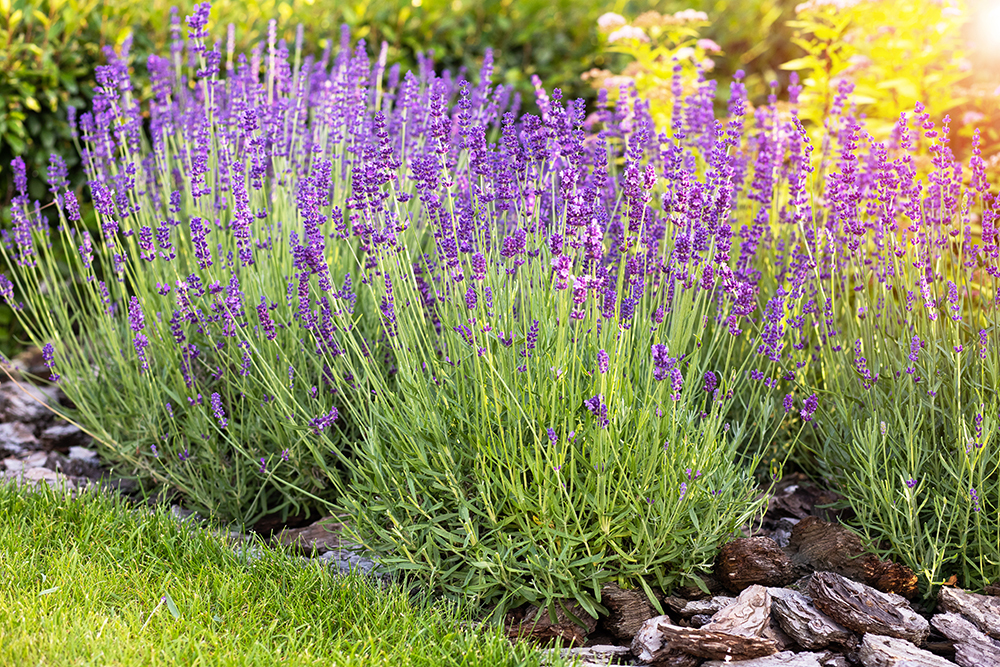
- Lavender (Lavandula spp.)
- Repels aphids, mosquitoes, and flea beetles while pairing well with carrots, cabbages, and tomatoes.
- Chamomile (Matricaria chamomilla)
- Boosts vegetable resilience and combats fungal infections; an excellent companion for tomatoes, onions, and cabbage.
Flowers for Moderate Climates (USDA Zones 6-9)
These flowers flourish in mild conditions and support various vegetable crops by attracting beneficial insects and repelling pests.
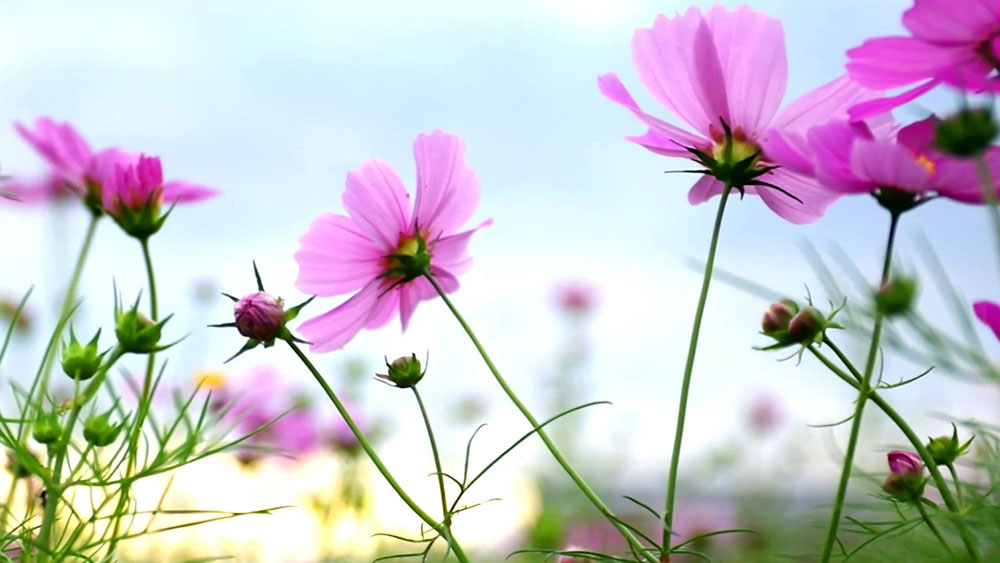
- Cosmos (Cosmos spp.)
- Draws helpful insects such as lacewings and parasitic wasps; complements corn and legumes.
- Sweet Alyssum (Lobularia maritima)
- Attracts pollinators and natural predators of aphids; pairs well with carrots, tomatoes, and cabbage.
- Borage (Borago officinalis)
- Dissuades tomato hornworms and cabbage moths; beneficial for strawberries, tomatoes, and squash.
- Baby’s Breath (Gypsophila paniculata)
- Encourages the presence of bees and lacewings, which help manage aphid populations; improves leafy greens and cabbage crops.
- Verbena (Verbena bonariensis)
- Attracts butterflies and bees, serving as a great companion for peppers and tomatoes.
- Bidens (Bidens spp.)
- A magnet for pollinators and predatory insects; supports cucumbers, pumpkins, and squash.
Flowers for Tropical Climates (USDA Zones 9-12)
In warmer regions, flowers must be heat-resistant and capable of withstanding high humidity while benefiting vegetable crops.
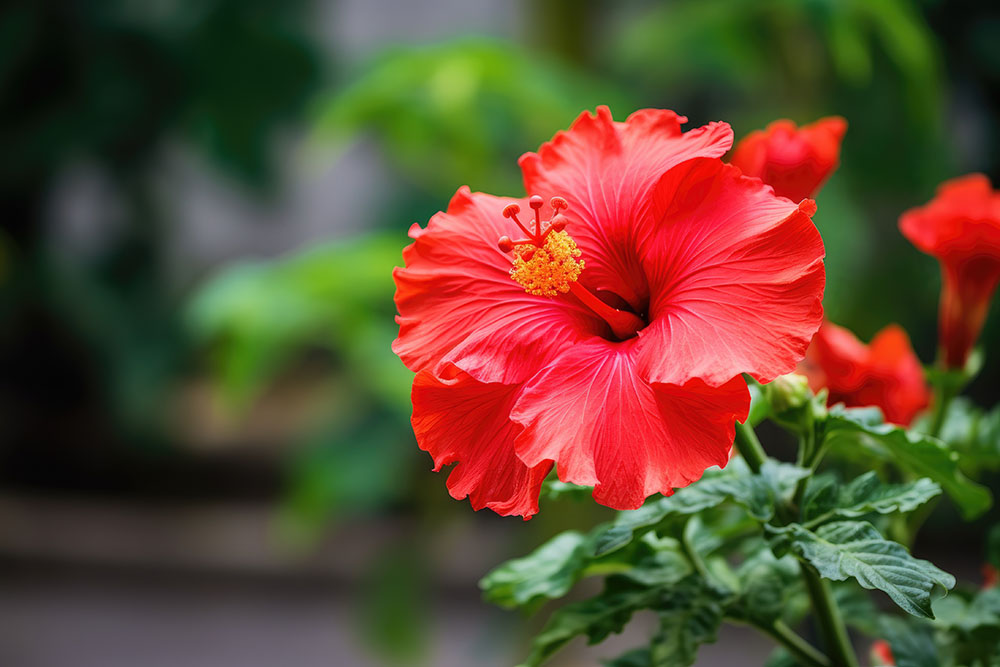
- Hibiscus (Hibiscus rosa-sinensis)
- Lures pollinators like bees and butterflies; pairs well with melons and cucumbers.
- Zinnias (Zinnia elegans)
- Thrives in heat, attracting beneficial insects; ideal for squash, cucumbers, and beans.
- Sunflowers (Helianthus annuus)
- Provide shade for delicate plants and attract bees; great companions for cucumbers, beans, and melons.
- Portulaca (Portulaca oleracea)
- Enhances soil quality and entices pollinators; complements tomatoes and peppers.
- Amaranth (Amaranthus cruentus)
- Encourages pollination and deters harmful insects; best planted alongside corn and beans.
- Tropical Spurge (Euphorbia heterophylla)
- Acts as a natural pest repellent, especially for nematodes; supports root vegetables such as carrots and radishes.
Maximizing the Benefits of Companion Flowers
To get the most out of your flower-vegetable pairings, consider these best practices:
- Group flowers in clusters to amplify their ability to attract pollinators and ward off pests.
- Mix different species to diversify beneficial insect activity.
- Rotate flower placements yearly to prevent soil exhaustion and disrupt pest cycles.
- Deadhead flowers regularly to prolong blooming and sustain their advantages for vegetables.
By incorporating flowers into your vegetable garden, you create a thriving, self-sustaining environment that promotes healthier crops while adding natural beauty. Whether you are gardening in a cold, temperate, or tropical climate, these flowers will help your vegetables grow stronger and more abundantly. Happy gardening! 🌱🌸
How easyDacha can help
Now that you know how to read seed packets, you can pick the best seeds for your garden like a pro! Planning a garden doesn’t have to be complicated. The eeasyDacha app simplifies the process by analyzing your space and suggesting crops that will thrive based on factors like sunlight, water availability, and ground type. It even provides step-by-step to-do lists tailored to your location and climate, ensuring you never miss a critical gardening task.