
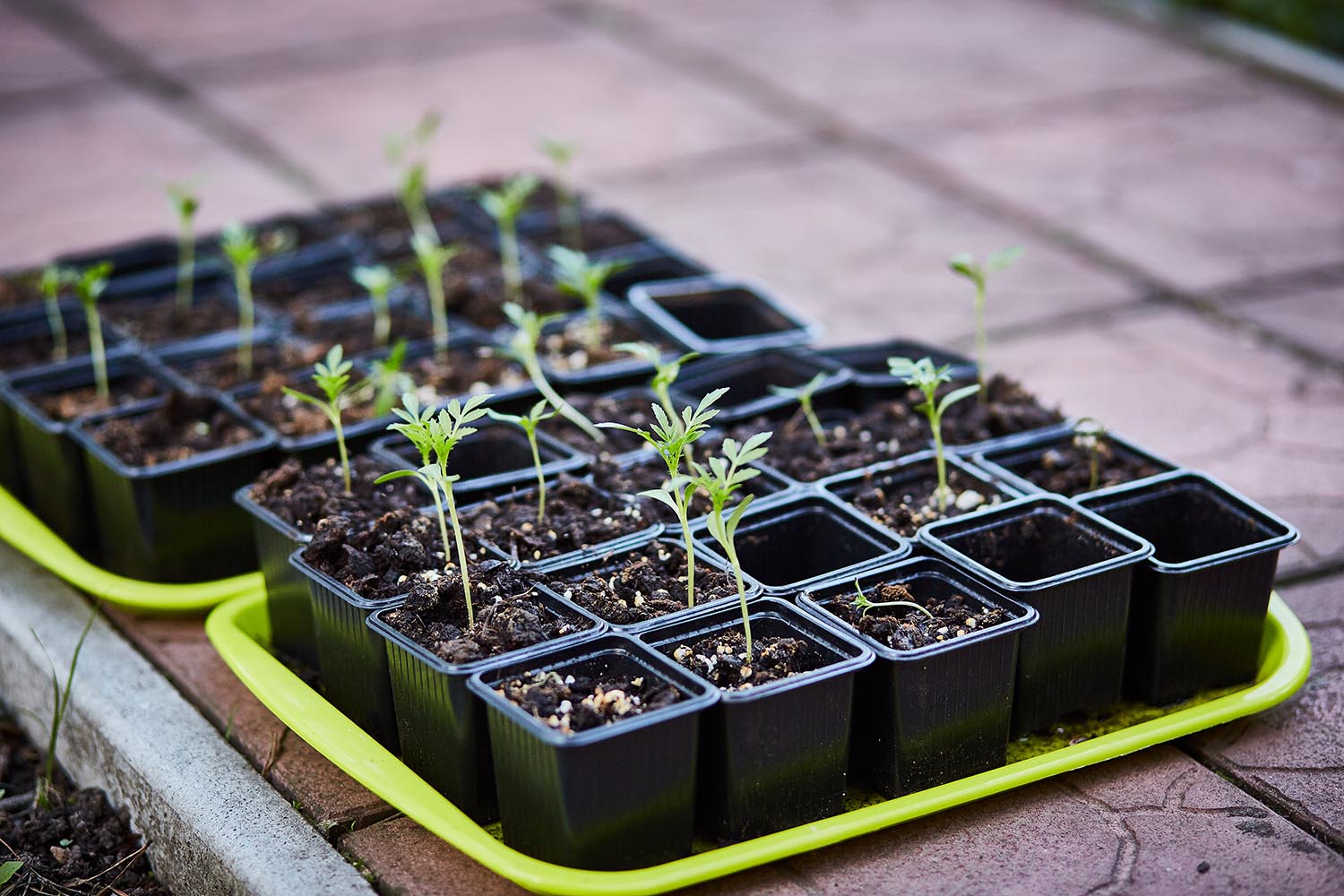
Healthy seedlings are the foundation of a successful garden, but sometimes they grow too tall and weak, reaching for light instead of developing strong stems and roots. This problem, known as legginess, makes plants fragile and less productive. Fortunately, there are several ways to prevent and fix this issue.
1. Provide Enough Light
Lack of light is the main reason seedlings stretch. Even a bright windowsill often isn't enough, especially in early spring when daylight hours are still short. If seedlings are growing tall and thin, they need additional lighting.
The best solution is to use artificial grow lights. Full-spectrum LED grow lights with at least 50 watts per square meter work well. Seedlings should receive 12 to 14 hours of light daily to stay compact and strong.
2. Control Temperature
High temperatures encourage rapid stem growth at the expense of strong root development. Keeping seedlings in a warm environment day and night can make them stretch even faster.
To prevent this, maintain moderate temperatures during the day:
- Most plants grow best at 18-20°C (64-68°F)
- Peppers and eggplants prefer 22-24°C (72-75°F)
At night, lowering the temperature to 14-16°C (57-61°F) helps slow down excessive growth and strengthen stems.
3. Water Wisely
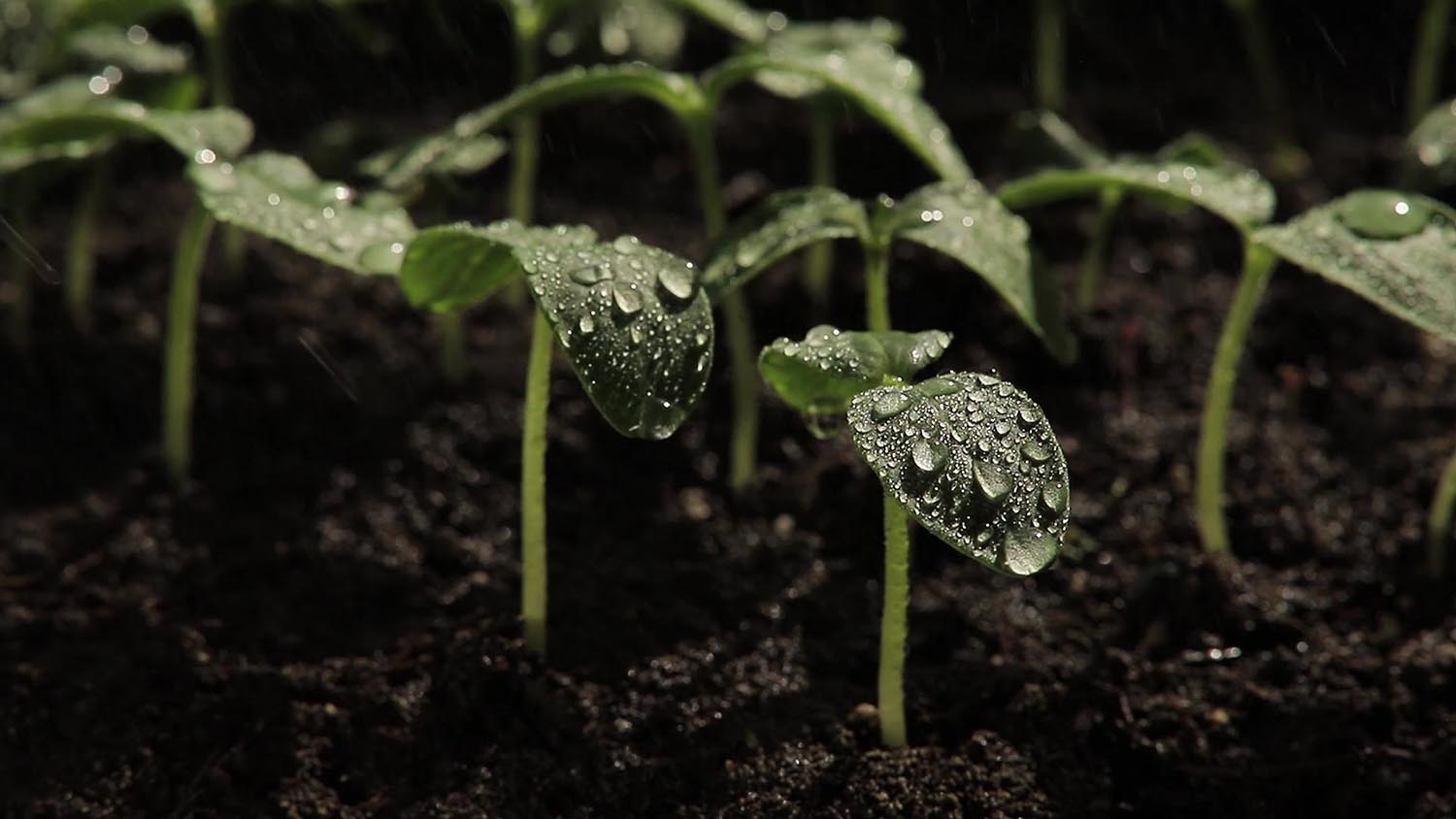
Overwatering encourages seedlings to grow tall and weak. When there is too much moisture, plants focus on top growth rather than root development.
Water moderately, only when the top layer of soil feels dry. It’s best to water in the morning so the soil has time to dry slightly by evening.
4. Use Fertilizer Carefully
Too much nitrogen, often found in general-purpose fertilizers, stimulates fast leaf growth, which can make seedlings grow taller than they should.
If seedlings have already been over-fertilized with nitrogen, a foliar spray of potassium sulfate (one teaspoon per 10 liters of water) can help balance growth. Instead of promoting height, potassium supports stronger stems and root development.
5. Avoid Overcrowding
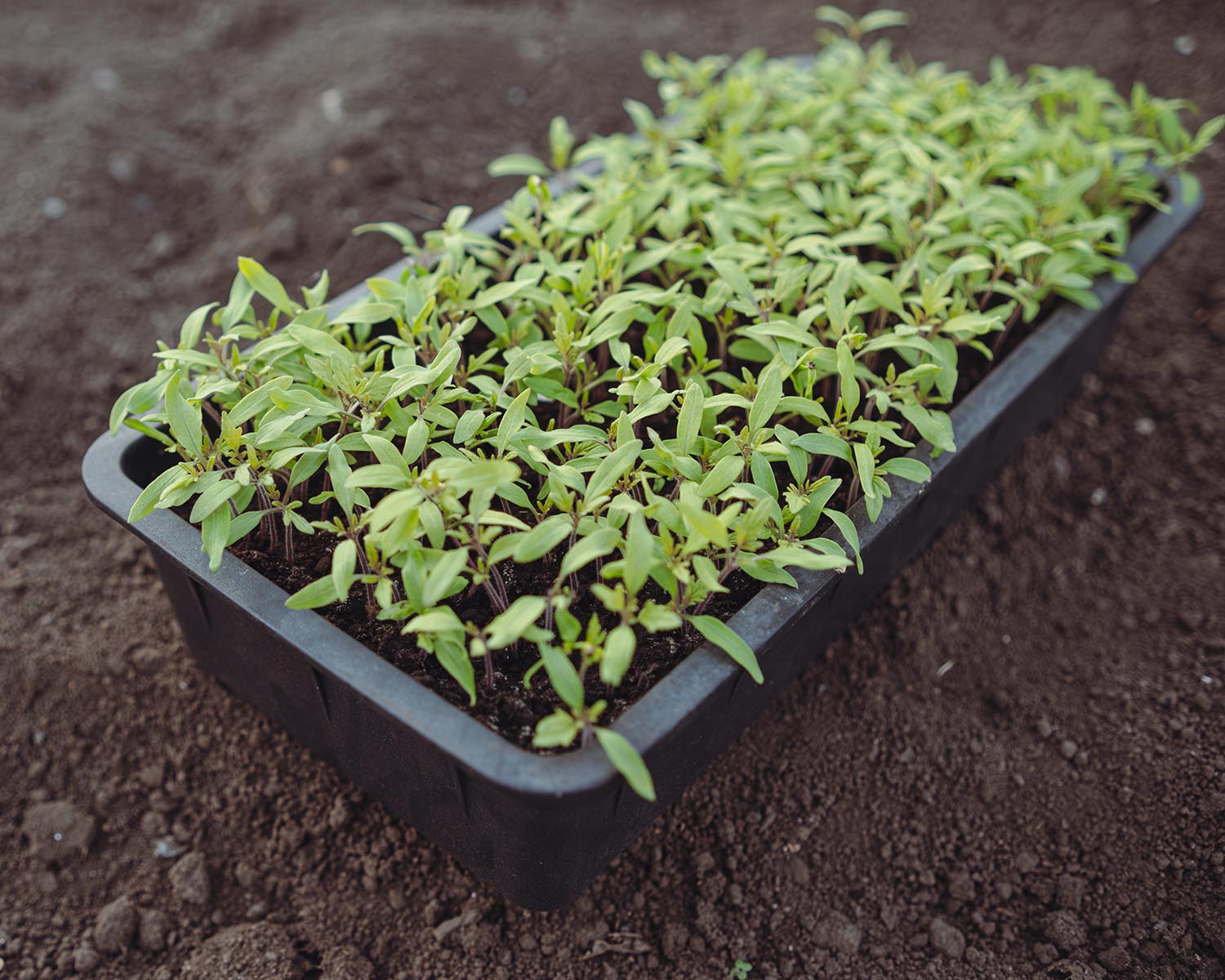
When seedlings are too close together, they compete for light and start stretching upward. If they are densely packed in a seed tray, it might be time to thin them out.
Carefully remove weaker seedlings or transplant them into separate containers to give them more space.
6. Trim Lower Leaves
A simple but effective trick is to remove a couple of the lowest leaves. This small stress signal tells the plant to strengthen its stem instead of growing taller. However, this method should be used sparingly—removing too many leaves can weaken the seedling.
7. Use Growth Regulators if Necessary
If seedlings are already leggy, growth regulators can help slow down vertical growth while strengthening stems and roots. These products should be used carefully and according to instructions, as excessive use can negatively affect plant health.
8. Add More Soil
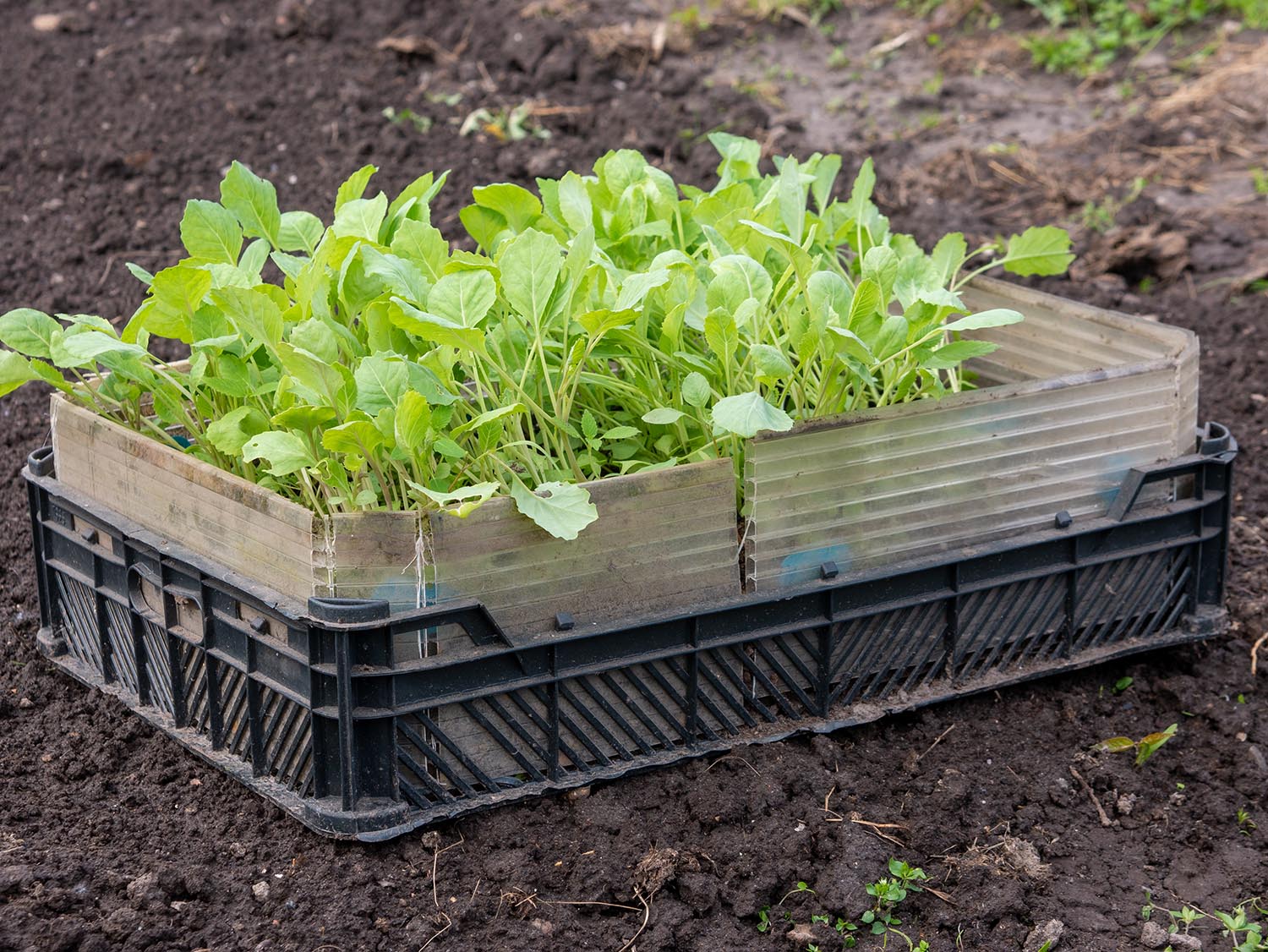
If seedlings have already stretched, you can provide extra support by gently adding fresh soil around their stems, up to the lowest leaves. This stabilizes the plant and encourages additional root formation.
9. Use easyDacha app
It simplifies the process by analyzing your space and suggesting crops that will thrive based on factors like sunlight, water availability, and ground type. It even provides step-by-step to-do lists tailored to your location and climate, ensuring you never miss a critical gardening task.
🌱 Download the app to make your gardening journey smoother, more productive, and more enjoyable!
Why are my seedlings tall, thin, and falling over?
Leggy seedlings are stretching for light. The single biggest cause is a light source that is too weak or too far away. Move your grow light to within 2-3 inches of the tops and run it 14-16 hours a day. A small fan and cooler temperatures also keep stems short and sturdy. You can rescue already-leggy tomato seedlings by burying the stem deeper at transplant.
Conclusion
To grow strong and healthy seedlings, it's important to maintain a balance between light, temperature, water, and nutrients. If your seedlings are growing too tall, check these factors and make adjustments as needed. By providing the right conditions, you can ensure your plants develop strong stems and a healthy root system, setting the stage for a productive growing season.
Happy gardening! 😊
FAQ
Can leggy seedlings recover?
Tomatoes and peppers can, bury the stem deeper. Others rarely thicken back up, so fix the light early.