
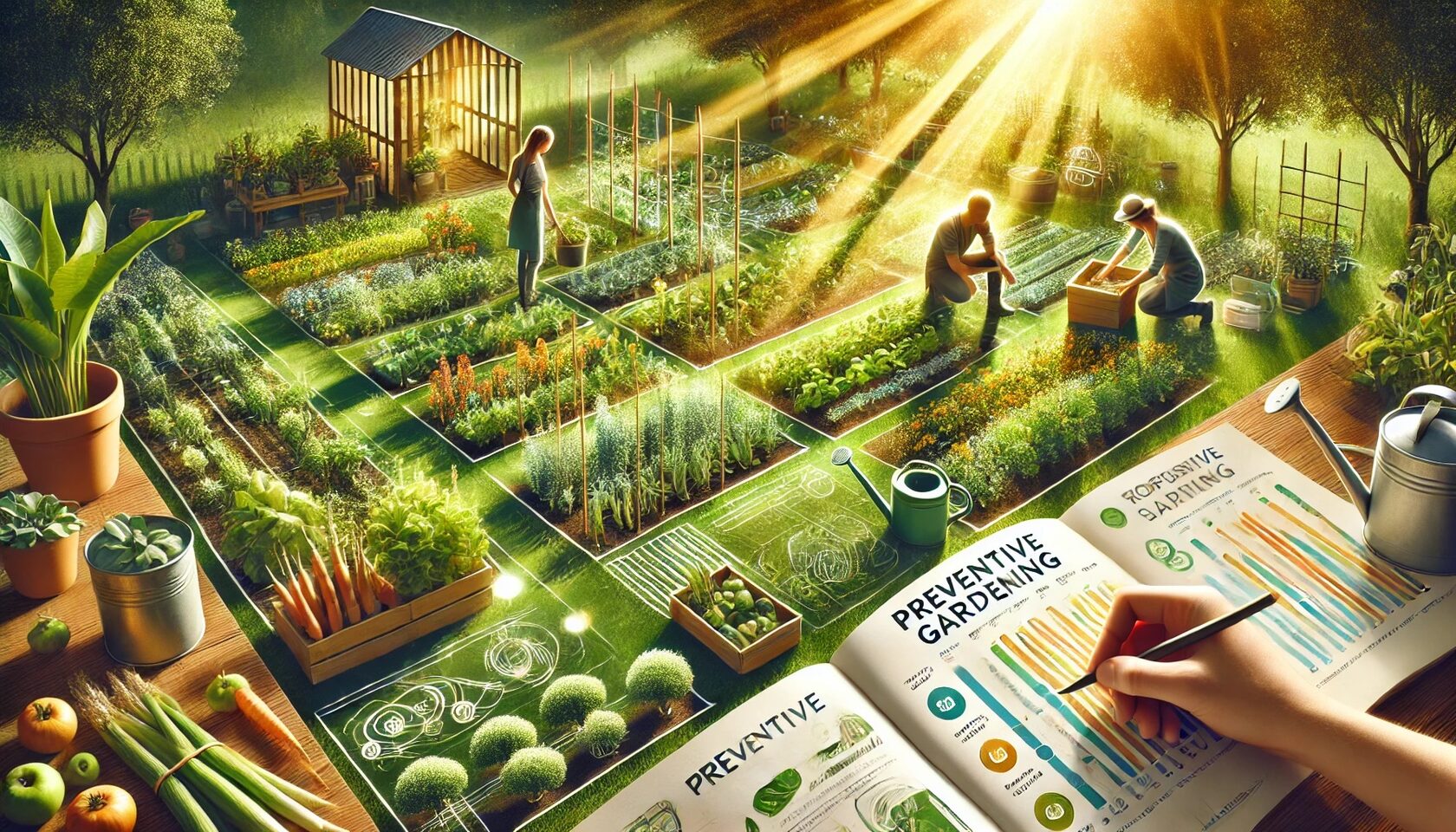
Preventive gardening is a proactive approach that helps you create a productive garden by addressing potential issues before they arise. By following specific techniques like companion planting, crop rotation, and careful soil preparation, you can make gardening easier and keep your plants healthier. Let’s go over some key steps in preventive gardening and how they can save you from common gardening headaches.
How preventive gardening takes the stress out of growing your own food
Preventive gardening is designed to stop problems before they start, helping you avoid common pitfalls like garden pests, nutrient deficiencies, and plant diseases. By investing time in planning, selecting the right plants, and setting up effective systems, you’ll ensure that your garden is productive and easier to manage throughout the season. From improved soil health to stronger plants, this approach offers gardeners of all levels a simpler, more rewarding gardening experience.
Companion planting: choosing friendly neighbors
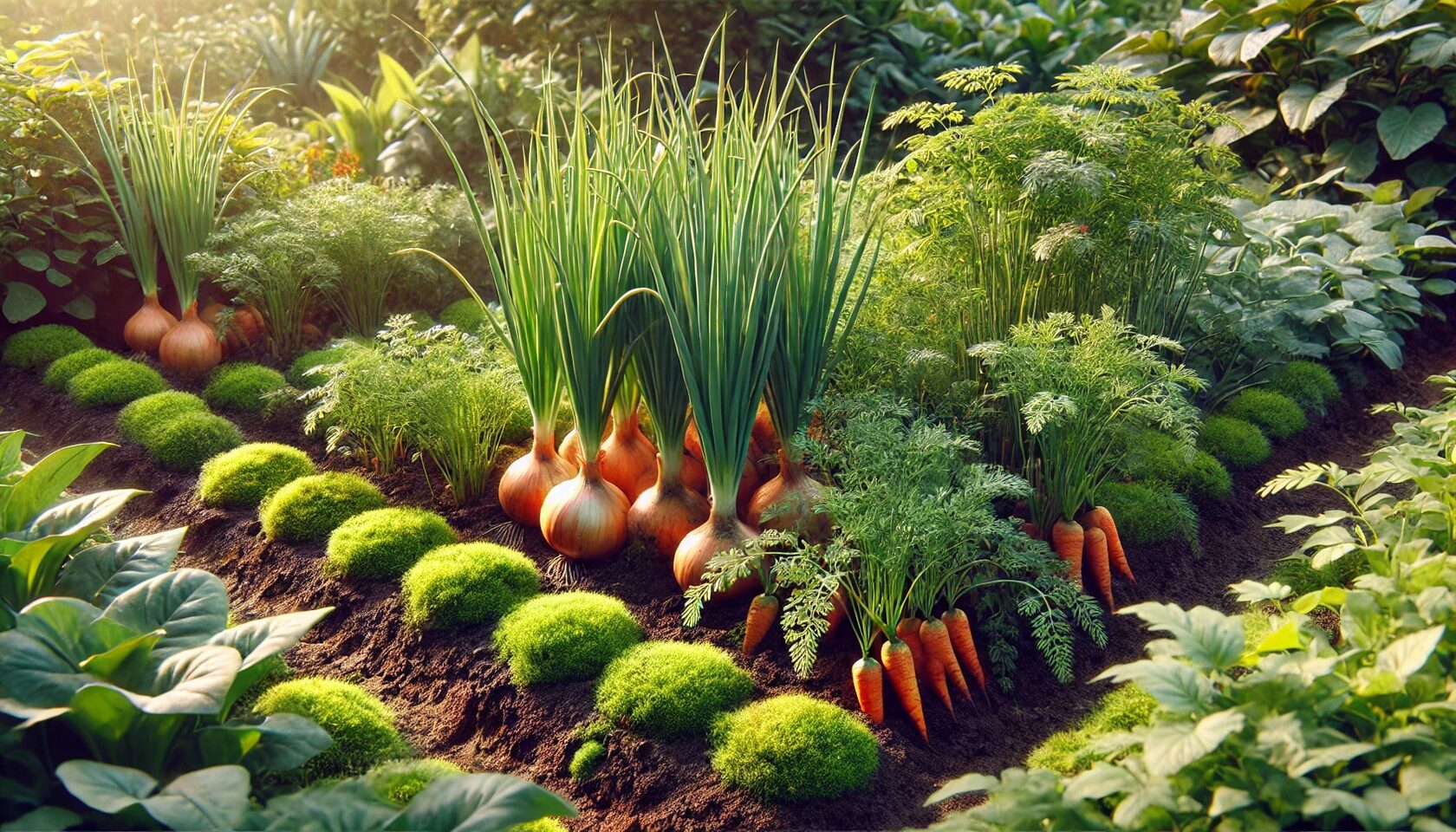
One of the cornerstones of preventive gardening is companion planting. Placing certain plants together can provide natural protection from pests and reduce the need for chemical solutions. For example, planting carrots next to onionshelps keep carrot flies and onion flies at bay, as these pests dislike each other’s scents. However, some plants—like potatoes and tomatoes—should not be planted near each other, as they are susceptible to similar diseases like blight.
- Examples of companion planting for pest control
- Avoiding harmful plant pairings
When I tried planting beans next to my cucumbers, I saw fewer cucumber beetles, likely due to the beans’ ability to attract beneficial insects. It’s these small successes that make companion planting an indispensable part of my preventive gardening strategy.
Using companion planting wisely can reduce your reliance on pesticides, improve soil health, and keep your plants stronger, leading to a more resilient and productive garden.
Selecting climate-specific varieties for success

Choosing plant varieties suited to your local climate is essential for preventive gardening. When you select plants that naturally thrive in your region’s temperature, humidity, and seasonal changes, they’ll require less maintenance and grow stronger. For instance, in regions with cold springs, it’s better to choose tomato and pepper varieties that can withstand chilly nights.
- Understanding local climate Impact
- Choosing hardy plants for each season
Selecting climate-specific plants is a simple way to ensure you’re creating a strong, productive garden that thrives with minimal intervention.
Crop rotation for healthy soil and strong plants
Crop rotation is an ancient gardening method that maintains soil health and reduces the buildup of pests and diseases. By rotating crops each season, you prevent soil from becoming nutrient-depleted and avoid pests that target specific plants. For example, growing beans one season can add nitrogen to the soil, benefiting nitrogen-loving plants like leafy greens the next.
- Benefits of crop rotation on soil health
- Examples of effective crop rotations
Crop rotation is key to maintaining a productive garden and is especially useful in preventing pests and diseases that target specific plants year after year.
Preparing the soil in fall for a better spring start
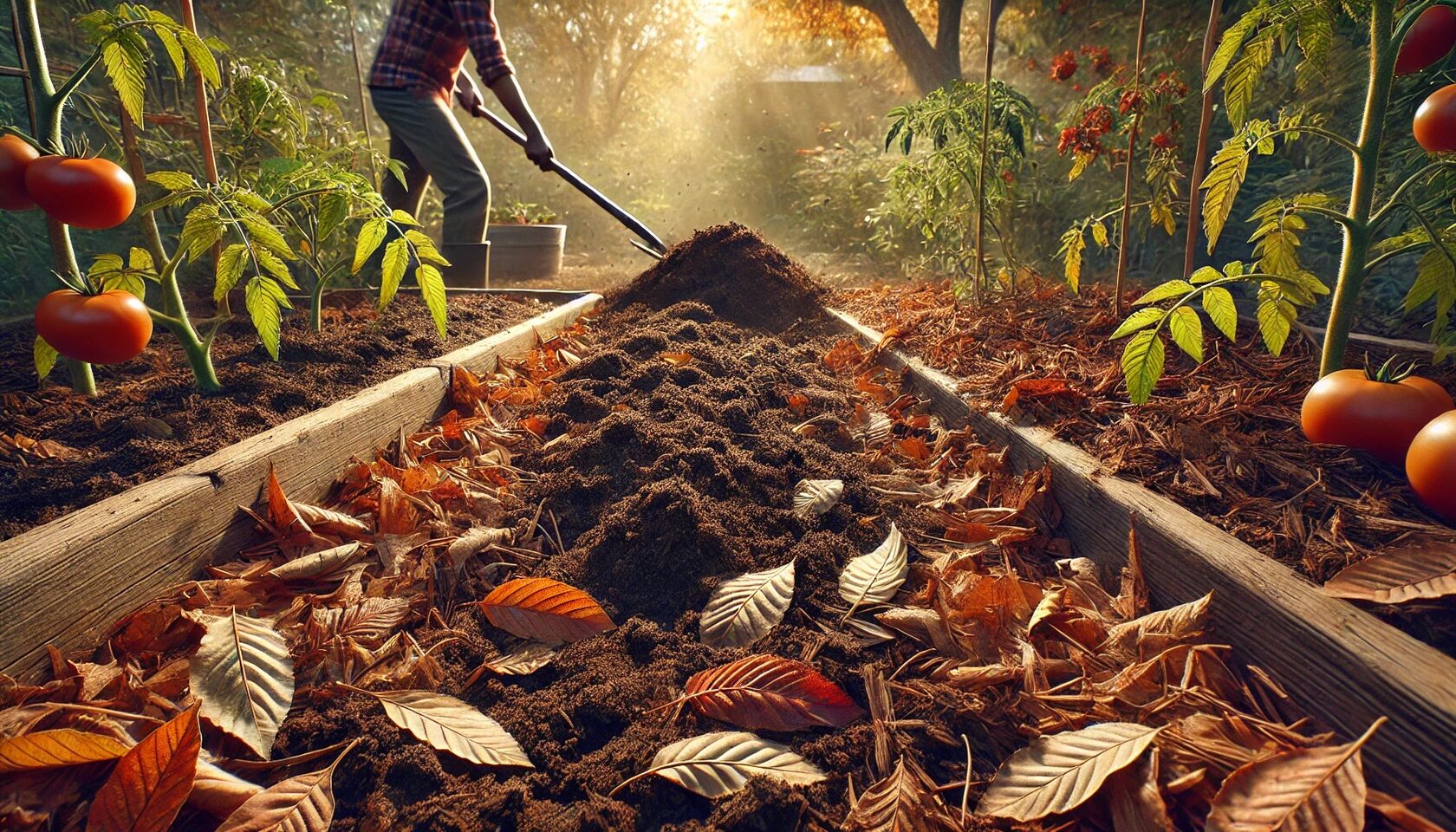
Fall soil preparation is a critical step in preventive gardening. Adding compost, mulch, or other organic matter in fall lets it break down over winter, creating nutrient-rich soil ready for spring planting. Properly prepared soil improves root health, supports plant growth, and reduces the need for fertilizers.
- Adding compost, mulch, and organic matter
- Building soil structure for healthier root growth
After adding compost each fall, my tomatoes and peppers have become noticeably healthier. The soil feels more nutrient-rich, and it holds moisture better, reducing the need for extra watering. Fall preparation has become a non-negotiable step in my garden routine for healthier, more resilient plants.
By prepping your soil in advance, you’ll give your garden a head start and improve overall soil health for a stronger, more productive garden next season.
Spacing plants to promote light and airflow
Proper spacing is crucial in preventive gardening to ensure each plant gets sufficient light and airflow. Crowded plants can develop mildew and other diseases due to trapped moisture. For example, overcrowding cabbage can lead to mildew and other fungal diseases, while leaving too much space can waste valuable garden area.
- Effects of overcrowding on plant health
- Finding the right balance for optimal growth
Preventive gardening techniques like proper spacing reduce the risk of disease, letting each plant reach its full potential in a productive garden setting.
Consistent watering and drainage for strong roots
A balanced watering schedule is essential for root health and overall plant well-being. Too much water can cause root rot, especially in moisture-sensitive plants like cucumbers, while too little water makes plants like tomatoes less tasty. Maintaining proper drainage and a consistent watering schedule are simple but effective steps in preventive gardening.
Preventing root rot and underwatering
Overwatering and underwatering can both harm plants. Knowing each plant’s specific water needs can protect root health and keep your garden productive.
Developing a balanced watering schedule
A reliable watering routine helps prevent common garden problems and ensures your plants receive just the right amount of water to thrive.
Overwatering and underwatering can both harm plants. Knowing each plant’s specific water needs can protect root health and keep your garden productive.
Developing a balanced watering schedule
A reliable watering routine helps prevent common garden problems and ensures your plants receive just the right amount of water to thrive.
By prioritizing watering and drainage, you’ll support root health and improve the resilience of your productive garden.
Pruning and thinning for light, air, and productivity
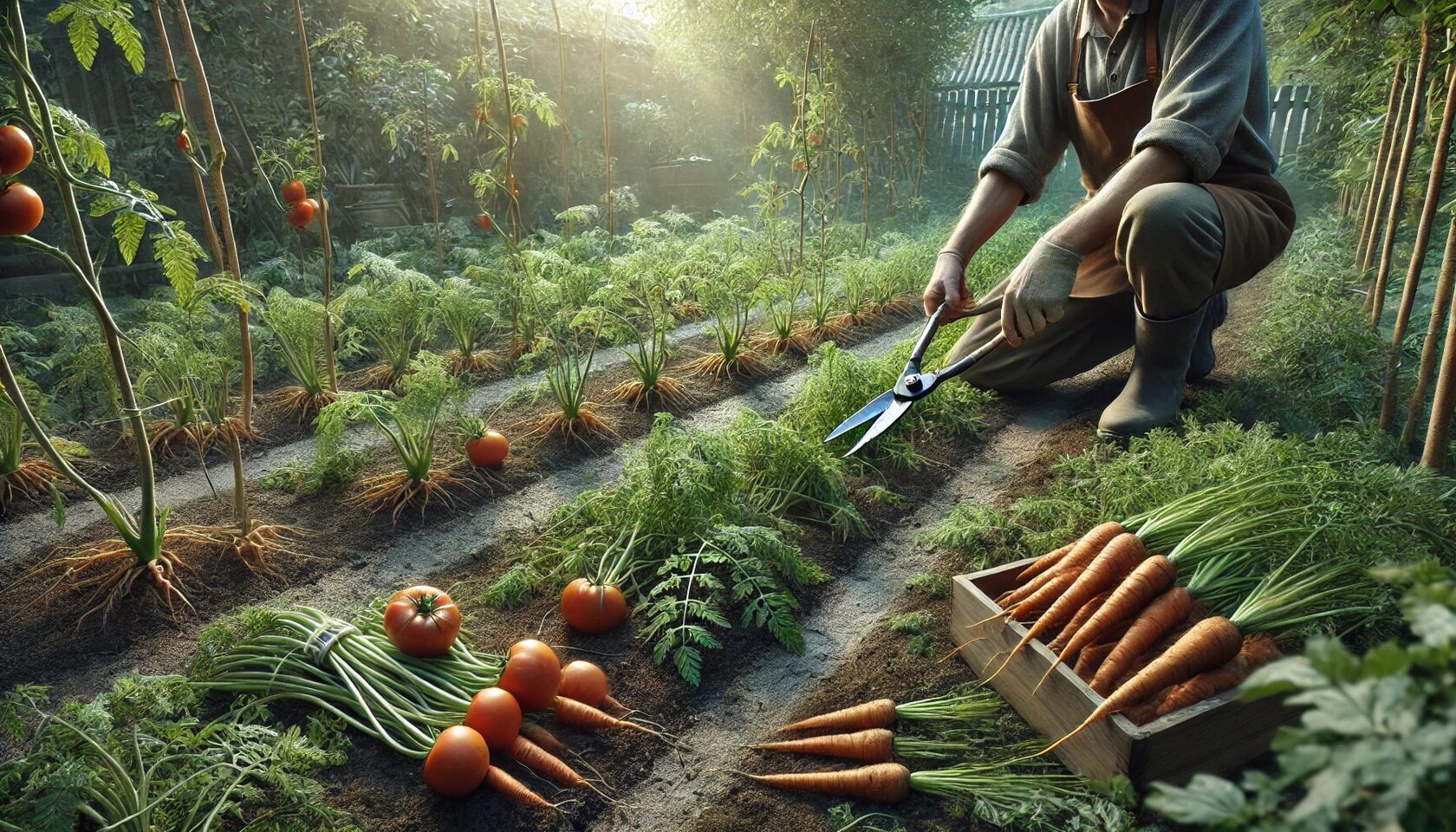
Pruning and thinning are essential preventive techniques that let light and air reach your plants. For example, root crops like carrots benefit from thinning, which prevents stunted growth, while tomatoes need pruning to avoid excessive foliage that blocks light. Proper pruning and thinning keep plants productive and prevent overcrowding.
- Benefits of thinning for root crops
- Pruning tips for fruit-bearing plants
Through thoughtful pruning and thinning, your productive garden will grow healthier and more resilient, with each plant having the space it needs to thrive.
Conclusion: setting up your garden for success with preventive gardening
Setting up a successful garden through preventive gardening techniques can seem overwhelming at first. With so many steps—from companion planting to crop rotation and fall soil preparation—it’s easy to feel lost in all the planning and details. But with easyDacha, managing a productive and healthy garden becomes simpler and stress-free.
Our app offers step-by-step guidance tailored to your garden’s unique needs, making it easier to know exactly what to plant, when to rotate, and how to prepare your soil. Instead of juggling techniques and schedules on your own, let easyDacha guide you each step of the way—helping you achieve a flourishing garden all season long!
Our app offers step-by-step guidance tailored to your garden’s unique needs, making it easier to know exactly what to plant, when to rotate, and how to prepare your soil. Instead of juggling techniques and schedules on your own, let easyDacha guide you each step of the way—helping you achieve a flourishing garden all season long!
Download the app t to try out our app, designed for beginners and pros alike. Happy gardening!