
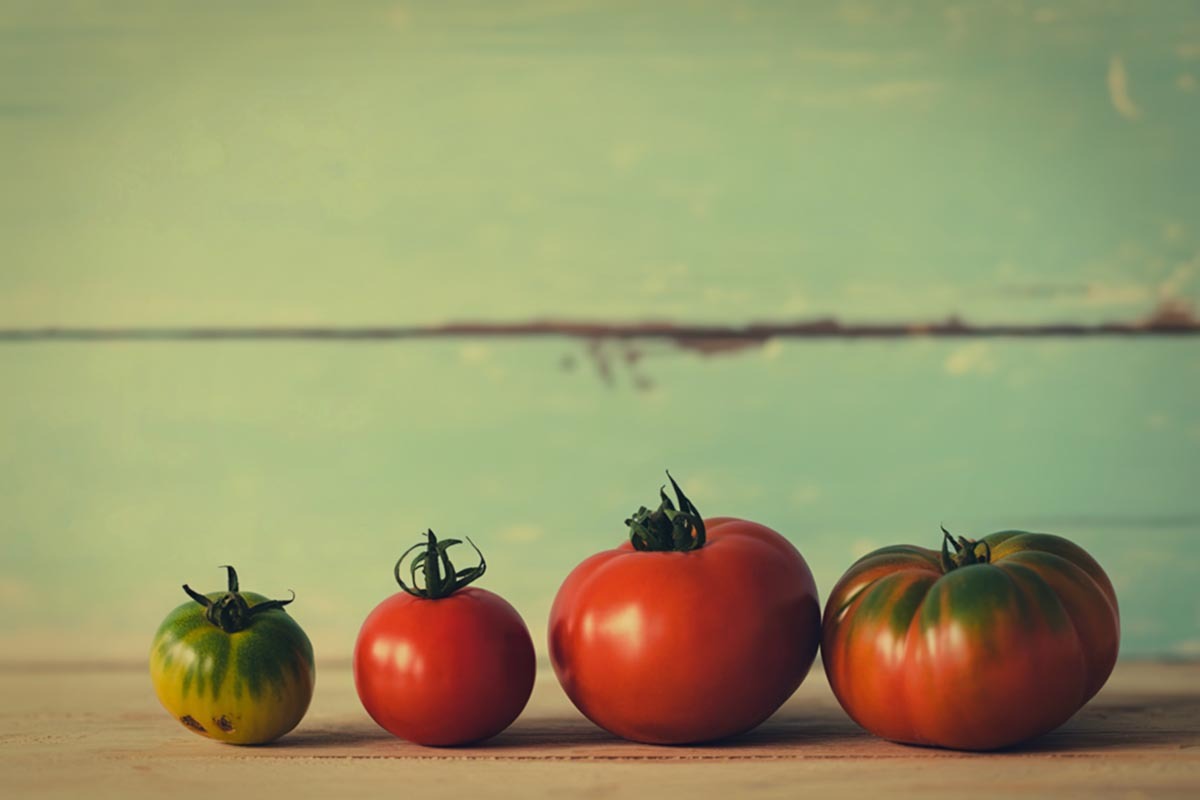
Growing your own tomatoes is a fantastic way to enjoy fresh produce right from your backyard. However, did you know that planting them in the same spot year after year might not be the best idea? Enter the concept of crop rotation—a simple yet effective gardening practice that can make a big difference. It’s all about keeping your soil healthy, preventing pests, and ensuring a bountiful harvest. Let's dive into why you should consider rotating your tomato plants to different spots in your garden!
Understanding Crop Rotation
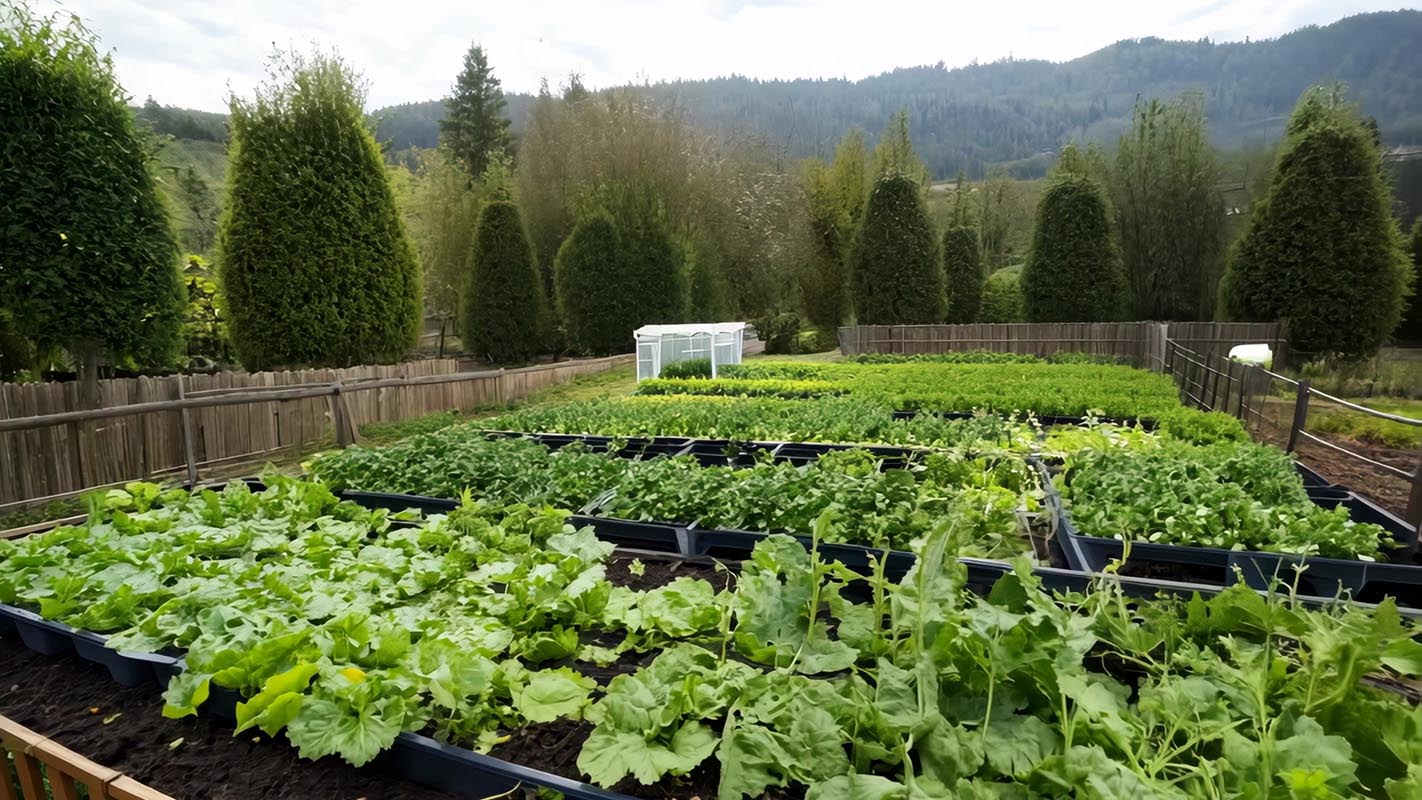
Image courtesy: Unsplash
Definition and Importance of Crop Rotation
Let's start with a fundamental gardening concept: crop rotation. Essentially, crop rotation is the practice of growing different types of crops in the same area across several seasons. This age-old method is incredibly important for various reasons. At its core, crop rotation helps balance the nutrients in the soil, reduces the risk of pest infestations, and can even improve crop yield. By mixing it up with different plants, you keep your garden dynamic and thriving, creating an environment where plants can flourish without wearing out their welcome.
Think of your garden as a guest house—if the same guests (or in this case, crops) come over and over, they're going to deplete the pantry (soil) of all the goodies it has to offer. Mix up your guest list, and you ensure everyone gets a balanced meal!
Historical Context and Benefits for Soil Health
Crop rotation isn't a newfangled gardening fad; it's been around for ages. Back in the day, when farmers depended largely on their harvests to sustain themselves, they discovered that rotating crops led to healthier soil and better yields. This practice became a cornerstone of sustainable farming long before we had understanding of the science behind it.
Today, we know crop rotation has solid scientific backing. Different plants require different nutrients - some may zap nitrogen from the soil, while others might return it. By rotating crops, you naturally replenish what gets drained away, keeping your soil rich and robust. Over time, this means your little patch of paradise stays fertile and ready for whatever seeds you decide to sow next, keeping soil health front and center.
Why You Shouldn't Plant Tomatoes in the Same Spot
Impact on Soil Nutrients
Planting tomatoes in the same spot year after year is like asking someone to run non-stop without food or water—eventually, they'll run out of steam! Tomatoes are especially known for depleting soil nutrients, particularly nitrogen, potassium, and phosphorus. If you always plant tomatoes in the exact location, the soil becomes deficient in these key nutrients, impacting the health and size of your harvest.
When you practice crop rotation, you're giving your garden soil a chance to refresh and replenish. Instead of attempting to work with depleted soil, you can substitute with nitrogen-fixing plants like beans or peas the following year to rebuild and fortify your garden foundation. This way, when it's tomatoes' turn again, they'll have a nutrient-rich environment waiting for them.
Increased Risk of Pests and Diseases
Another compelling reason to switch up your planting spot for tomatoes is the creepy-crawlies and sneaky diseases that love a predictable meal. When you plant tomatoes in the same place year after year, you're practically sending engraved invitations to pests and diseases.
Tomato plants can attract specific patrons like tomato hornworms, root-knot nematodes, and various fungi that thrive in predictable environments. By switching up where you plant tomatoes, you disrupt the life cycles of these pests and diseases. It's like moving without leaving a forwarding address—the pests just can't keep up!
So, while it might seem convenient to plant your tomatoes in the same spot, it’s worth considering a strategy that promotes a healthier, more abundant garden. If you’re looking to create a vibrant vegetable garden that continues to produce season after season, a garden planner app might be just the tool you need to stay organized and keep track of your crop rotation plans. With a little planning and a lot of love, your tomatoes—and your garden—will thank you!
The Science Behind Tomato Crop Rotation
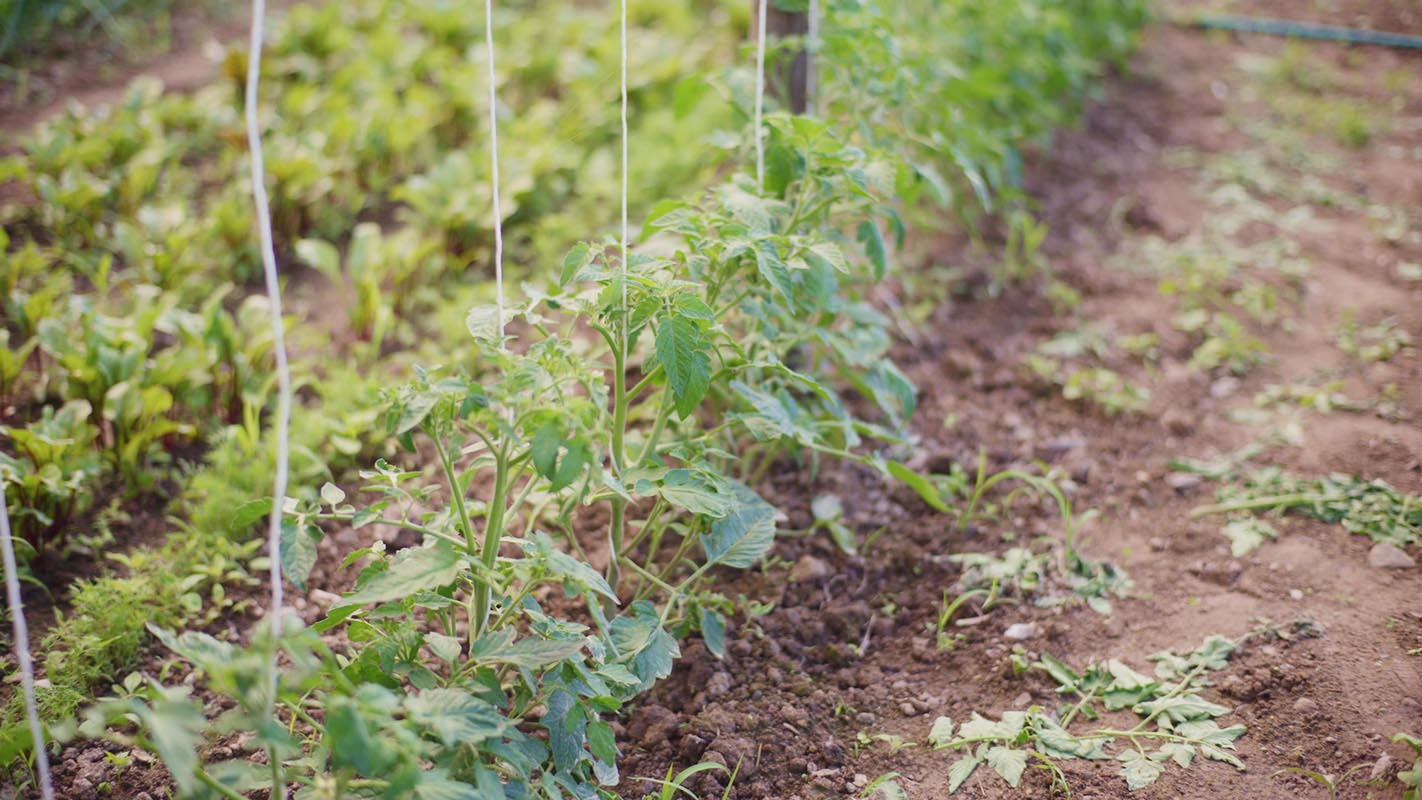
Image courtesy: Unsplash
So, you're planning your garden and you might be wondering, "Why not just plant my tomatoes in the same spot as last year?" Well, let’s dig into the science behind crop rotation to give you a clear picture.
Nitrogen Levels and Plant Growth
First things first: nitrogen. This nutrient is like plant rocket fuel, crucial for every plant to delve into the lush, leafy growth. Tomatoes are heavy feeders, which means they use a lot of nitrogen. If tomatoes are planted in the same spot year after year, they can deplete the soil's nitrogen levels, leaving less for the next season’s crops. This nutrient depletion can lead to less vigorous plants and lower yields. By rotating crops, you allow the soil to naturally replenish its nitrogen levels, ensuring each plant gets what it needs to thrive.
Managing Soil-borne Pathogens
Another major reason to rotate your tomato crops is to keep nasty soil-borne pathogens at bay. Fungi, bacteria, and viruses that attack tomatoes can linger in the soil long after the harvest is done. If you plant tomatoes in the same spot the following year, these pathogens have a prime opportunity to attack the new plants. Rotating crops interrupts the life cycles of these pathogens, reducing the risk of disease and making your garden healthier. Think of crop rotation like giving your garden a break from the not-so-friendly germs.
Improving Soil Structure and Fertility
Lastly, rotating your crops helps improve soil structure and fertility. Different plants have varying root structures and nutrient needs. By planting different crops in succession, you enhance the soil's texture and nutrient availability. Some crops help prevent soil compaction while others might add organic matter that boosts fertility. Tomatoes, for example, benefit from crops like legumes that fix nitrogen back into the soil. This variety in planting ensures your soil remains bountiful and your plants robust.
Practical Tips for Implementing Crop Rotation in Your Garden
Ready to embrace crop rotation in your garden? Here are some practical tips to get you started on creating a dynamic and productive growing space.
Planning Your Garden Layout
Before you even dig into the earth, take some time with a pen and paper or a garden planner application. Sketch out your garden layout with an eye toward location and spacing. Consider the size each plant will reach at maturity and its sun and water needs. By strategically planning where each type of plant will go, you can set your garden up for success by keeping track of where tomatoes and other crops have been planted in the past.
Selecting Complementary Crops for Rotation
It’s important to pick the right crops to rotate with your tomatoes. Good companions in crop rotation are those that have different nutrient requirements or help replenish nutrients in the soil. For example, after your tomato harvest, you might follow with a crop of beans or peas, which add nitrogen back into the soil. Other options include root vegetables or leafy greens. Diversity is key to a healthy garden ecosystem, so mix it up!
Monitoring and Adjusting Rotation Patterns
Crop rotation isn’t a one-size-fits-all solution, but rather something that you can tweak from season to season. Each year, keep notes about the crops you plant, their performance, and any pest or disease issues. This record will be a treasure trove of information, allowing you to make informed decisions about adjustments and improvements for the next planting season. Don’t be afraid to experiment and find what works best for your unique garden conditions. Maintain flexibility in your approach, and you'll keep your soil rich and your plants thriving.
So go ahead, implement these tips, and enjoy the bounty of a healthy, thriving garden that will reward you for years to come! Happy gardening!
How easyDacha Helps
In your pursuit of the perfect tomato garden, timing and planning are everything. Luckily, easyDacha is here to make your gardening journey a little less bumpy and a lot more fruitful! If you're new to gardening or just want a no-fuss way to stay organized, this handy application might just become your gardening best friend.
What easyDacha Offers
- Garden Planner: With easyDacha’s garden planner feature, you can layout your garden plot visually. This allows you to see exactly where each vegetable should go, and – importantly for us tomato enthusiasts – where not to plant them. The planner helps you keep track of your crop rotation strategy by logging where you've previously planted tomatoes, ensuring they don’t end up in the same spot next season.
- Notifications: Remember, timing is everything. easyDacha provides timely notifications about the best planting and harvesting times. So you'll never miss the perfect window to plant your tomatoes or switch them out for another crop.
- Pest Control Tips: Alongside planning, easyDacha gives you indispensable advice on managing pests that might love your tomatoes just as much as you do. By offering insights on companion planting and natural pest deterrents, you can keep your garden thriving and your plants safe from unwelcome visitors.
- Soil Health Monitoring: Maintaining healthy soil is key to a successful garden. easyDacha helps you monitor soil health through reminders about when to rotate crops and how to rejuvenate your soil after a season of planting tomatoes.
Incorporating easyDacha into your gardening routine brings structure to your green space, making sure you’re practicing smart crop rotation. This way, you’re setting your tomatoes – and your entire garden – up for a vibrant, healthy future.
🌱 Download the App to get early access and make your gardening journey smoother, more productive, and more enjoyable!
How easyDacha Helps You Master Tomato Crop Rotation
In summary, practicing crop rotation in your garden, especially with tomatoes, is essential for maintaining soil health and keeping pesky pests at bay. By rotating your crops, you give the soil a chance to restore its nutrients and prevent the buildup of harmful pathogens that can devastate your plants. So, the next time you're planning your garden layout, remember to switch things up. Your tomatoes—and your entire garden—will thank you with vibrant growth and bountiful harvests. Happy gardening!