
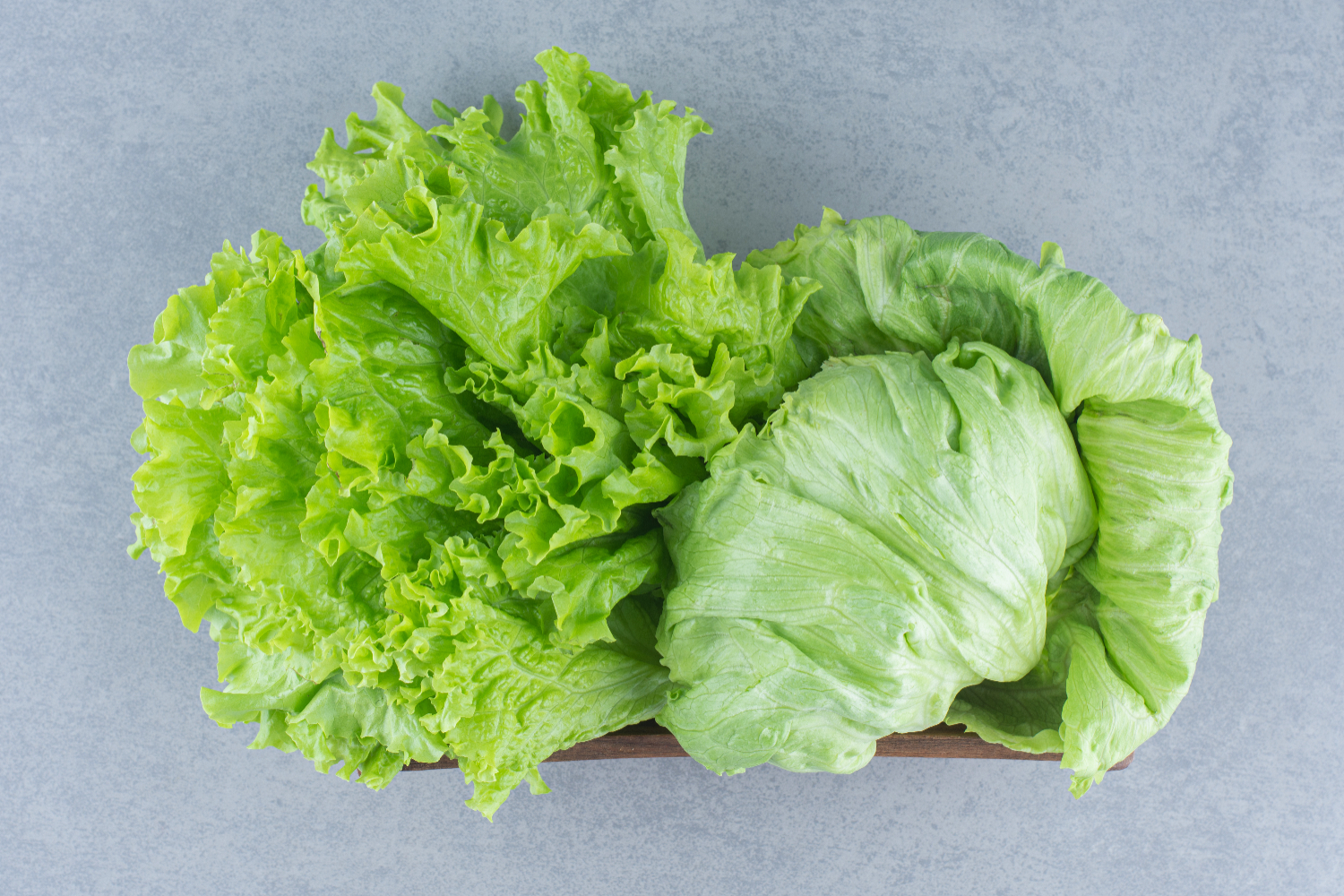
Many gardeners have had the same experience. You buy a head of iceberg lettuce from the store, bring it home, and realize it is already limp, watery, or flavorless. Even organic lettuce often disappoints by the time it reaches your kitchen.
That is why growing lettuce at home makes such a noticeable difference. When you harvest iceberg lettuce from your own garden, you control freshness, growing conditions, and timing. The result is crisp leaves, better texture, and heads that actually taste like lettuce should.
Learning how to grow lettuce is also more approachable than it sounds. Iceberg lettuce does not require advanced techniques. It responds best to cool temperatures, consistent moisture, and steady care.
If you want help staying organized, easyDacha can support the process. The app helps plan growing lettuce step by step, fits naturally into smart vegetable garden layout ideas, and works like a practical garden planner app for gardeners who prefer clear guidance over guesswork.
What Makes Iceberg Lettuce Unique
Iceberg lettuce forms a tight, round head instead of loose leaves. To achieve that structure, the plant needs uninterrupted, even growth.
Iceberg lettuce struggles when it experiences:
• heat stress
• overcrowding
• irregular watering
• heat stress
• overcrowding
• irregular watering

Understanding how to grow lettuce means minimizing these stress factors so the head can develop fully and evenly.
Choosing Seeds That Produce Solid Heads
Seed quality plays a larger role than many gardeners realize.
When selecting seeds:
• choose varieties labeled as iceberg or crisphead
• look for uniform growth descriptions
• avoid unknown or low-quality seed sources
Poor seed selection often leads to uneven plants or loose heads. Starting with reliable seed makes growing lettuce far more predictable.
When selecting seeds:
• choose varieties labeled as iceberg or crisphead
• look for uniform growth descriptions
• avoid unknown or low-quality seed sources
Poor seed selection often leads to uneven plants or loose heads. Starting with reliable seed makes growing lettuce far more predictable.
When to Plant Iceberg Lettuce
Iceberg lettuce prefers cool conditions and struggles in heat.
Ideal growing temperatures:
• daytime. 60–70°F
• cooler nights
Most regions have two planting windows:
• early spring, before summer heat
• late summer, for a fall harvest
Planting too late in spring is one of the most common mistakes when learning how to grow lettuce.
Ideal growing temperatures:
• daytime. 60–70°F
• cooler nights
Most regions have two planting windows:
• early spring, before summer heat
• late summer, for a fall harvest
Planting too late in spring is one of the most common mistakes when learning how to grow lettuce.

Preparing the Soil for Success
Iceberg lettuce has shallow roots and relies on evenly moist soil.
Before planting:
• loosen the top layer of soil
• mix in compost for structure and nutrients
• ensure good drainage
Well-prepared soil reduces the need for heavy feeding later and supports steady growth. This is a core part of effective vegetable garden layout ideas, especially in raised beds.
Before planting:
• loosen the top layer of soil
• mix in compost for structure and nutrients
• ensure good drainage
Well-prepared soil reduces the need for heavy feeding later and supports steady growth. This is a core part of effective vegetable garden layout ideas, especially in raised beds.
Spacing. Why It Matters
Iceberg lettuce needs room to form dense heads.
Recommended spacing:
• 10–12 inches between plants
Crowding leads to:
• competition for water and nutrients
• loose, floppy leaves
• poor head formation
Spacing should always be part of your vegetable garden layout ideas, particularly when growing lettuce alongside other crops.
Recommended spacing:
• 10–12 inches between plants
Crowding leads to:
• competition for water and nutrients
• loose, floppy leaves
• poor head formation
Spacing should always be part of your vegetable garden layout ideas, particularly when growing lettuce alongside other crops.
Watering for Crisp, Sweet Lettuce
Consistent moisture is essential.
Best watering practices:
• keep soil evenly moist
• avoid waterlogging
• water more frequently rather than deeply
• keep soil evenly moist
• avoid waterlogging
• water more frequently rather than deeply
Mulch helps:
• retain moisture
• regulate soil temperature
• reduce stress
• retain moisture
• regulate soil temperature
• reduce stress
Proper watering directly affects flavor and texture, making it central to how to grow lettuce successfully.
Managing Sun and Temperature
Iceberg lettuce prefers:
• full sun in cool weather
• partial shade during warm afternoons
• full sun in cool weather
• partial shade during warm afternoons
When temperatures rise above 75°F:
• head formation slows
• bitterness increases
• bolting becomes more likely
• head formation slows
• bitterness increases
• bolting becomes more likely
Providing shade or planting near taller crops can extend the season. Managing exposure is a key part of growing lettuce, especially in warmer climates.
Feeding Iceberg Lettuce
Lettuce is a light feeder.
General guidelines:
• compost-rich soil is usually enough
• avoid high-nitrogen fertilizers
• use mild liquid feed only if growth stalls
• compost-rich soil is usually enough
• avoid high-nitrogen fertilizers
• use mild liquid feed only if growth stalls
Too much nitrogen encourages leaf growth without proper head development. Balanced nutrition supports even growth, which is critical when learning how to grow lettuce.
Knowing When to Harvest
Iceberg lettuce is ready when:
• the head feels firm
• leaves are tightly layered
Harvest tips:
• harvest in the morning
• cut at soil level with a clean knife
• cool quickly after harvesting
• the head feels firm
• leaves are tightly layered
Harvest tips:
• harvest in the morning
• cut at soil level with a clean knife
• cool quickly after harvesting
One of the biggest advantages of growing lettuce at home is harvesting at peak quality.
Common Problems and How to Read Them
Loose heads usually indicate:
• heat stress
• overcrowding
• inconsistent watering
Bitter flavor often comes from:
• temperature swings
• drought stress
• heat stress
• overcrowding
• inconsistent watering
Bitter flavor often comes from:
• temperature swings
• drought stress
Regular observation helps you adjust early. Learning how to grow lettuce includes learning how to read these signals.
Why Growing Iceberg Lettuce Is Worth It
Homegrown iceberg lettuce offers:
• better texture
• fresher flavor
• fewer chemicals
• lower long-term cost
• better texture
• fresher flavor
• fewer chemicals
• lower long-term cost
When paired with thoughtful vegetable garden layout ideas, iceberg lettuce fits easily into raised beds, small gardens, or containers.
If you want help managing spacing, timing, and care, easyDacha can simplify the process. The app supports growing lettuce, helps plan smart vegetable garden layout ideas, and works as a practical garden planner app. Many gardeners discover it while searching for the best gardening app, but keep using it because it fits real garden workflows.