
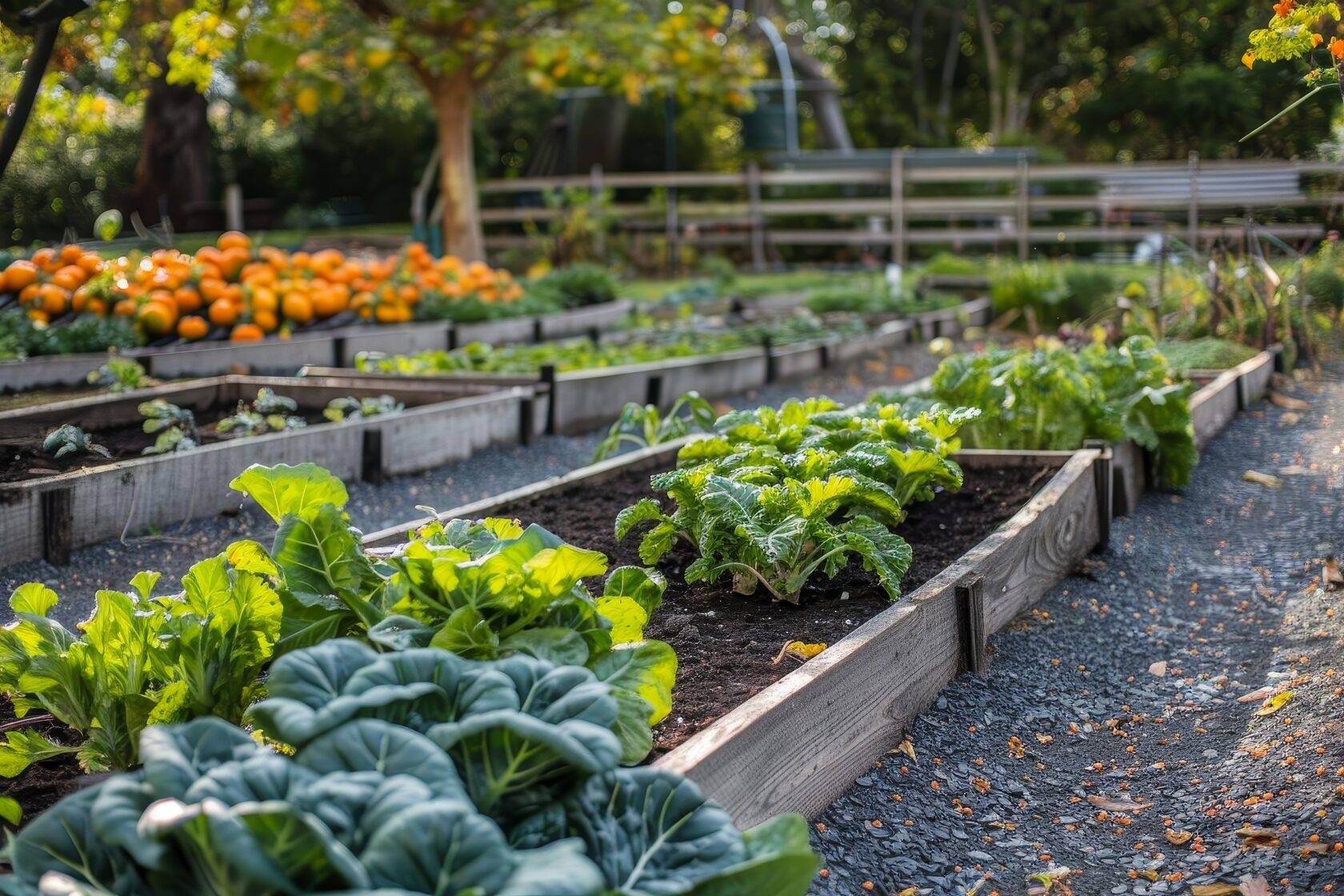
Not every plant thrives in full sun.
Many vegetables and herbs grow better in cooler, partially shaded areas, especially during hot summers. Shade-tolerant crops can still produce well with 4–6 hours of morning or indirect light, making them perfect for small gardens, balconies, or warm climates.
If you also grow full-sun vegetables, check out our guide on sun-loving companion plants.
If you also grow full-sun vegetables, check out our guide on sun-loving companion plants.
With simple planning, you can create a cooler garden microclimate by using tall sun-loving plants to shade delicate greens. This helps prevent heat stress and keeps leafy crops tender throughout the season.
Why Shade Helps Many Vegetables Grow Better
Full-sun vegetables need strong light, but shade-tolerant plants often struggle in hot conditions. Too much direct sun can cause them to bolt, wilt, burn, or lose flavor — especially herbs and leafy greens.
Planting these crops in partial shade or filtered light helps them stay crisp, tender, and productive throughout the growing season.
Some shade plants are sensitive to soil acidity. If you're unsure about your soil pH, see our simple guide on testing and adjusting it.
Some shade plants are sensitive to soil acidity. If you're unsure about your soil pH, see our simple guide on testing and adjusting it.
Best Vegetables and Herbs That Grow Well in Shade
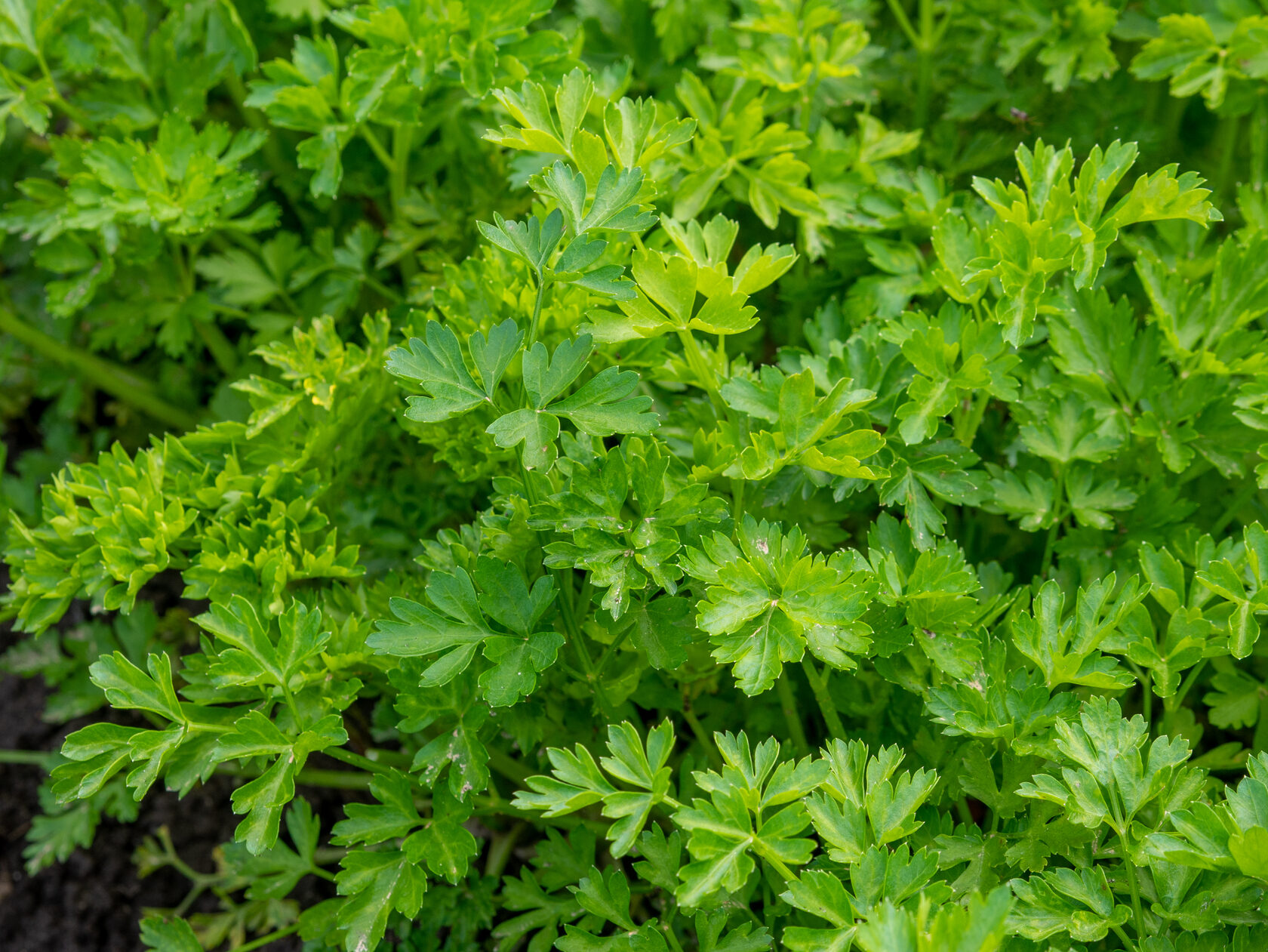
Here are the top plants that do well with less direct sunlight:
- Lettuce: Bolts quickly in hot sun but stays crisp in cooler, shaded areas.
- Spinach: Grows well in spring and performs better under partial shade in summer heat.
- Arugula: Prefers cooler spots and develops better flavor out of direct sun.
- Celery: Thrives in moist, cool environments and grows stronger in light shade.
- Mint: Grows easily in shade but spreads fast — best grown in containers.
- Parsley: A slow-growing herb that enjoys cooler, partially shaded areas.
How Tall Vegetables Help Create Shade for Sensitive Crops
Some tall crops can act as natural shade umbrellas, helping protect delicate greens growing underneath. These plant pairings create a cooler, layered garden system:
- Tomatoes: Provide dappled shade for lettuce, basil, spinach.
- Pole Beans: Create filtered light when grown on trellises.
- Peppers: Offer light shade for arugula and chives in compact spaces.
- Sunflowers: Cast gentle shade and attract pollinators.
🌟 Smart Tip: Place tall crops on the west or south side of the bed to block harsh afternoon sunlight and protect shade-loving vegetables.
Shade Garden Planning Tips for Healthy Vegetables
To make the most of partial-shade spaces, follow these tips:
- Group shade-loving crops together for easier watering and light management.
- Use vertical structures and trellises to cast shade where needed.
- Plant heat-sensitive greens on the east side of tall crops for morning sun and afternoon shade.
- Add mulch to keep soil cool and retain moisture.
- Avoid full shade — most vegetables still need several hours of light to thrive.
- Use the easyDacha gardening app for climate-based gardening tasks and planning support.
The easyDacha app analyzes sun exposure, space, soil type, and water access to help you choose crops that thrive in your shade or sun areas. It creates step-by-step tasks tailored to your climate so you never miss a critical gardening moment.
🌱 Download the app
Think of it like setting up a cozy garden lounge — not too bright, not too dark!
❓FAQs About Growing in Partial Shade
1. Can I grow vegetables in full shade?
Most vegetables need at least 4 hours of light. Full shade isn’t ideal, but filtered light can work for some herbs and greens.
2. What’s the best vegetable to grow in shade?
Lettuce and spinach are top picks. They grow fast and stay tender in cooler spots.
3. Can I use sunflowers to shade other plants?
Yes! Sunflowers grow tall, provide light shade, and attract helpful pollinators.
4. How do I stop mint from taking over shady areas?
Plant it in containers or trim it regularly to keep it under control.
5. Do shade plants need less water?
Usually yes, because shaded soil dries out slower — but don’t let it get soggy!
6. What’s the best layout for mixing sun and shade plants?
Plant tall crops on the south or west side so they cast afternoon shade on delicate greens.
Discover More Shade Gardening Tips & Companion Plant Ideas
• Sun-Loving Companions — plan a mixed garden with tall plants that provide natural shade.
• Optimal Temperatures for Seedling Growth — useful for greens that prefer cooler conditions.
• How to Stop Seedlings From Stretching — common issue in low-light spaces.
• Optimal Temperatures for Seedling Growth — useful for greens that prefer cooler conditions.
• How to Stop Seedlings From Stretching — common issue in low-light spaces.