
We all know that gardening is a labor of love, but it can take up more time than expected if you don’t have a clear system. These practical tips are designed to save time, reduce waste, and help plants stay healthy with less daily effort. Many of these ideas also work well for container gardening vegetables and small spaces.
Using a few smart habits and simple tools can dramatically improve efficiency. A thoughtful watering schedule for vegetables and good planning can make your garden easier to manage and more productive.
Using a few smart habits and simple tools can dramatically improve efficiency. A thoughtful watering schedule for vegetables and good planning can make your garden easier to manage and more productive.
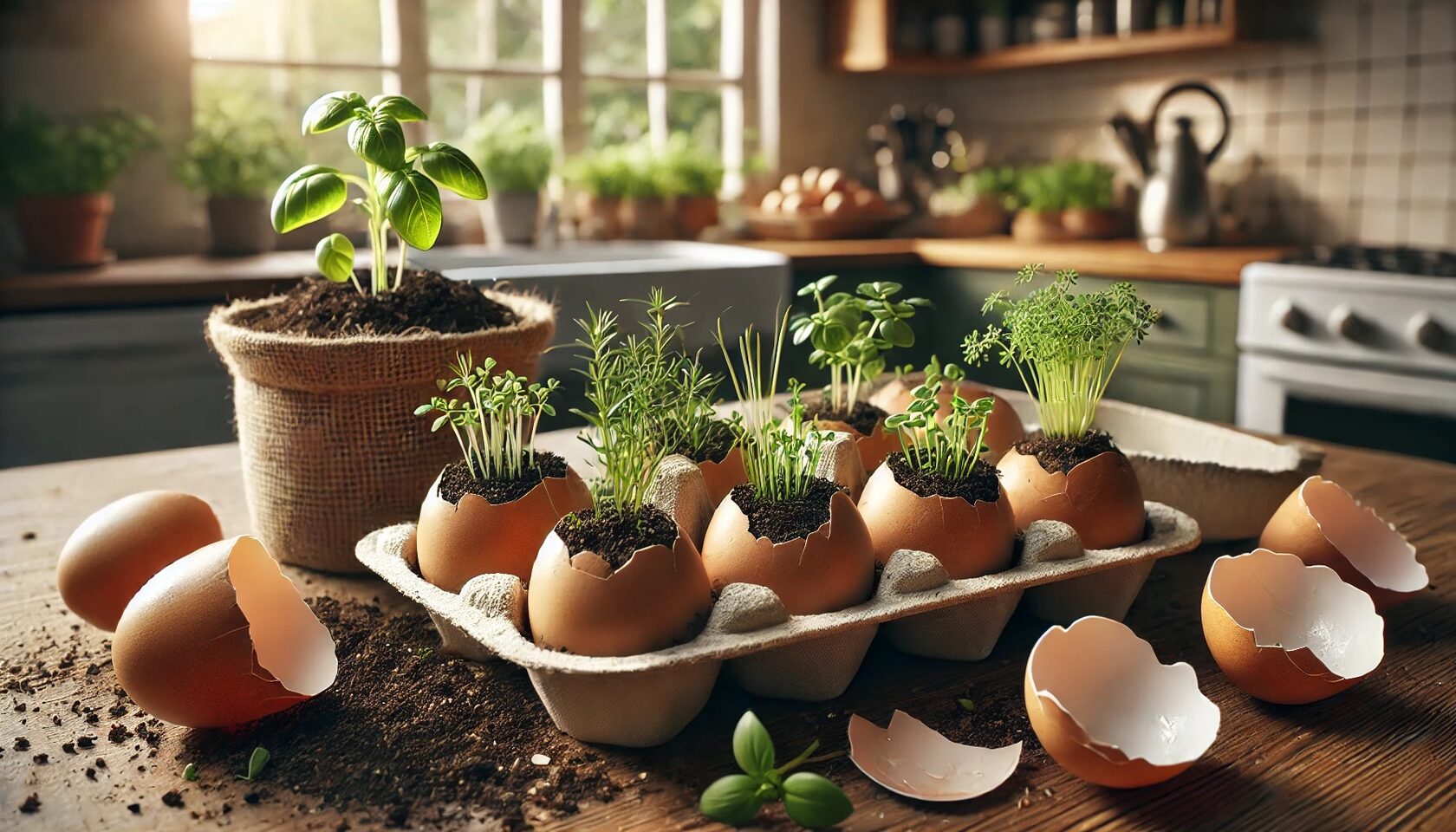
Picture is generated by AI
1. Eggshell Seed Starters. Grow Strong Seedlings
Instead of buying seedling pots, why not try using eggshells as mini containers for starting your plants? This simple approach supports container gardening vegetables and helps reduce waste.
Why It Works: Eggshells contain calcium carbonate, which your plants need to develop strong cell walls. This extra calcium is especially helpful for tomatoes, peppers, and eggplants, which often suffer from calcium deficiencies.
How to Use It: After using the eggs, rinse out the shells and let them dry. Once dry, fill the shells with soil, plant your seeds, and place them in a sunny spot. When your seedlings are ready, plant the whole shell in the garden—it’ll break down naturally, enriching the soil as it goes.
Personal Tip: Add a small hole at the bottom of the shell for drainage. This helps avoid waterlogging, giving your seedlings the best start!
DIY Watering Jug for Gentle Watering
An old plastic jug can replace a watering can in seconds. This method supports a more controlled watering schedule for vegetables, especially for seedlings and containers
Why It Works: By poking a few small holes in the cap, you create a slow, gentle stream of water that hydrates plants without disturbing the soil or overwatering. It’s especially useful for delicate seedlings or indoor plants.
Pro Tip: This approach works particularly well for container gardening vegetables and indoor plants that need consistent moisture.
3. Coffee Grounds for a Healthy Soil Boost
If you’re a coffee drinker, you’re in luck! Your plants can benefit from your coffee habit too. Coffee grounds are rich in nitrogen, which helps improve soil structure and encourages strong, leafy growth.
Why It Works: Coffee grounds add nitrogen and improve moisture retention, which benefits leafy plants. Used in moderation, they help maintain a balanced watering schedule for vegetables by improving soil structure.
Personal Touch: I’ve found that sprinkling a small amount of coffee grounds around my roses and tomatoes every few weeks gives them a noticeable boost. Be careful not to overdo it, though—too much can make the soil too acidic.
4. Banana Peels as Natural Fertilizer
Banana peels are an incredible source of potassium, and they decompose naturally, releasing nutrients that help strengthen plant roots and promote blooming.
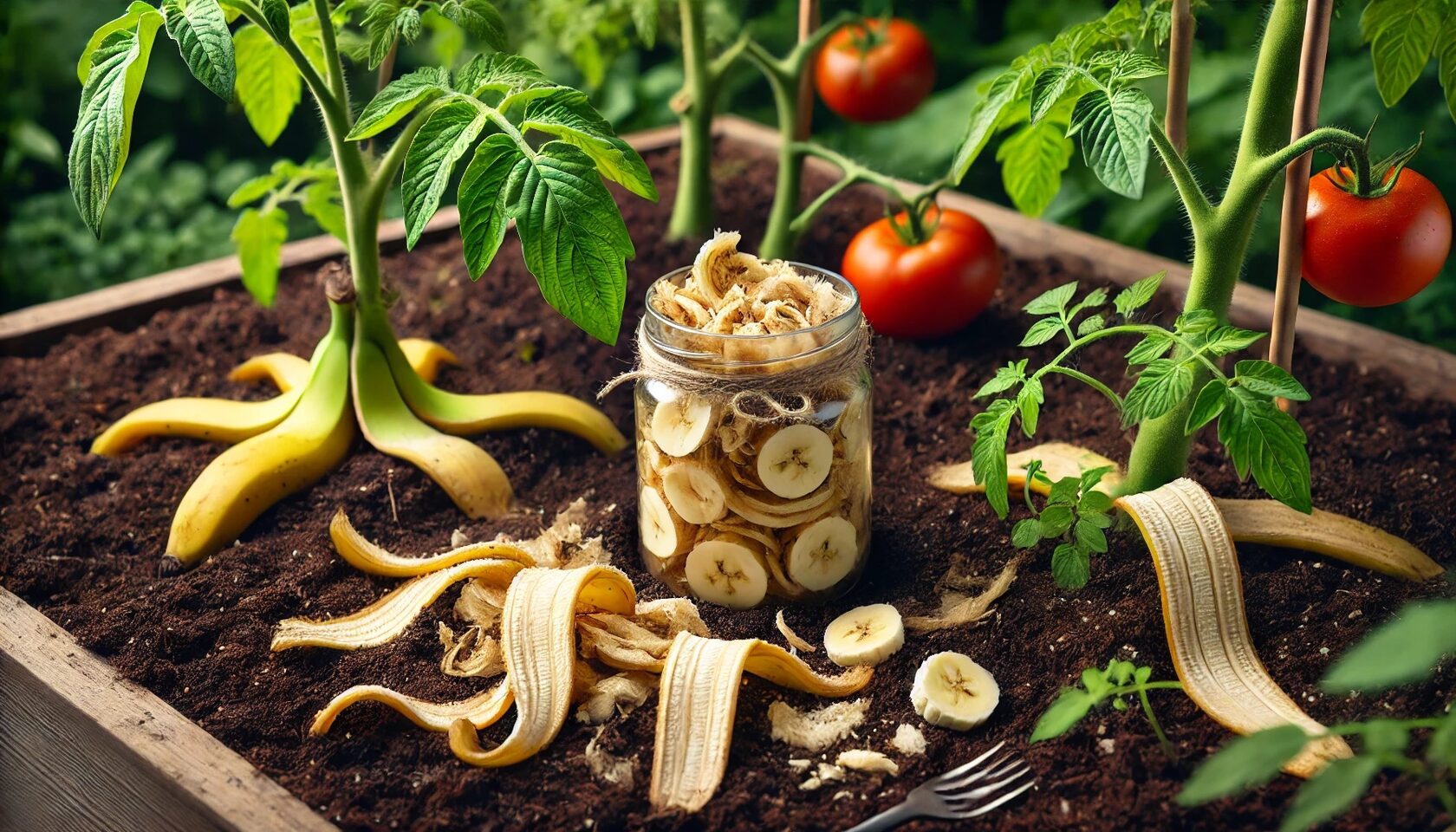
Picture is generated by AI
Why It Works: Potassium helps regulate water movement in plants and improves resistance to stress. This pairs well with a consistent watering schedule for vegetables, especially during fruiting stages.
How to Use It: Bury peels near your plant roots, or create a natural fertilizer by steeping them in water for a few days. Your plants will thank you for the extra nutrients!
Fun Tip: Try chopping the peels into small pieces before adding them to your compost. This speeds up the decomposition process, releasing nutrients faster!
5. Sponges for Better Pot Drainage
Ever notice your potted plants drying out too quickly? A sponge at the bottom of your pot can help! It acts as a moisture reservoir, soaking up excess water and slowly releasing it back to the roots.
Why It Works: The sponge absorbs excess water and releases it slowly, helping maintain consistent moisture levels for container gardening vegetables.
My Experience: I’ve found this trick particularly useful when I’m out of town for a few days. It helps prevent my container plants from drying out, even when I can’t water them daily.
6. Plastic Forks to Deter Garden Pests
Sometimes, keeping critters like squirrels and rabbits away from your garden can be as simple as using plastic forks. Stick them into the soil with the prongs facing up, and they’ll act as a barrier to unwanted visitors.
Why It Works: Animals avoid sharp surfaces, reducing disturbance around roots. This protects young plants and helps maintain stable vegetable garden layout ideas without constant repairs.
Eco-Friendly Tip: Reuse old plastic forks instead of throwing them away. This hack not only protects your plants but also helps reduce waste!
7. Epsom Salt for Magnesium Support
Epsom salt is a great way to give your garden a nutrient boost. It provides magnesium and sulfur, which help plants grow more vibrant flowers and develop stronger roots
Why It Works: Magnesium helps plants use sunlight efficiently. When combined with a stable watering schedule for vegetables, it supports steady growth rather than sudden spurts.
Personal Tip: I add Epsom salt to my watering routine for tomatoes and roses once a month. It’s a simple way to keep them looking lush and healthy!
8. Slow Watering with Plastic Bottles
Need a low-maintenance watering system? Try using an empty plastic bottle. Poke small holes in it, bury it near the roots of your plant, and fill it with water. The slow release will keep the soil consistently moist.
Why It Works: Water releases slowly into the soil, supporting an even watering schedule for vegetables and reducing water stress.
Personal Tip: This hack has been a lifesaver for mycontainer gardening vegetables, especially when I’m away for a few days. I use clear bottles, so I can see when the water is running low.
9. Citrus Peels for Seedling Containers
You can turn leftover citrus peels into biodegradable seedling pots. They’re natural, eco-friendly, and they add nutrients to the soil as they decompose.
Why It Works: They break down naturally and enrich soil while reducing plastic use. This is another practical option for container gardening vegetables and herbs.
My Experience: I’ve used orange peels for starting herb seeds, and it’s amazing to see them grow strong before transplanting the whole peel into the garden.
10. Wine Bottle Self-Watering System
Don’t throw away empty wine bottles! Turn them into self-watering devices for your plants. Fill the bottle with water, turn it upside down, and push it into the soil.
Why It Works: The controlled drip helps maintain moisture levels, supporting a consistent watering schedule for vegetables when you are away.
Personal Tip: I use this system for my indoor plants when I’m on vacation—it keeps the soil perfectly moist for days.
Bonus Tip: Use a Garden Planner for Maximum Efficiency
Many time-saving problems come from poor planning rather than lack of effort. Using a garden planner app helps organize planting dates, spacing, and care routines.
Tools like easyDacha are often compared with the best gardening app options because they help visualize vegetable garden layout ideas, track container gardening vegetables, and build a clear watering schedule for vegetables without daily guesswork.
Tools like easyDacha are often compared with the best gardening app options because they help visualize vegetable garden layout ideas, track container gardening vegetables, and build a clear watering schedule for vegetables without daily guesswork.
Why use a garden planner? It saves time, reduces mistakes, and ensures that you’re maximizing space and resources in your garden.
Benefits for beginners and pros: Whether you’re just starting out or have years of experience, a garden planner helps improve both productivity and efficiency.
Why this works: A well-organized garden maximizes growing potential by ensuring that plants are spaced correctly, watered efficiently, and planted at the right time, reducing resource waste and improving yields.
Personal Tip: The easyDacha app has been my go-to tool for garden planning. It helps me map out my garden and keep track of each plant’s growth.