
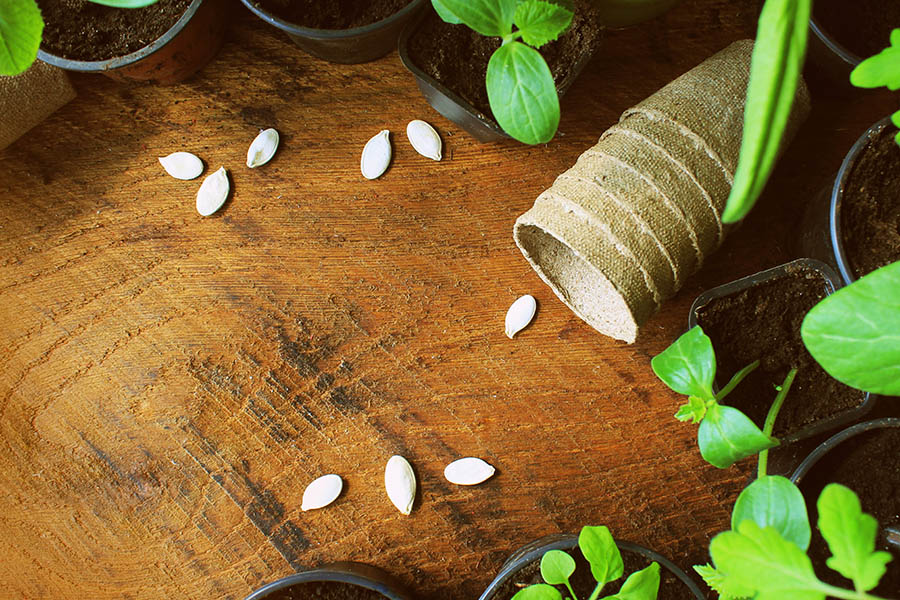
When you start your first garden, you face a choice that determines whether you’ll be harvesting fresh food or looking at an empty patch of dirt: F1 Hybrids vs. Heirlooms.
Many beginners fall into the "Exotic Trap." They see a photo of a stunning, deep-purple tomato or translucent "Glass Gem" corn and think, "I want that!" But without knowing it, they are choosing the most difficult path. At easyDacha, we want to help you avoid the "Empty Garden" trap. The secret lies in understanding the genetic "software" of your plants.
What are Heirloom Seeds? (The Vintage Classics)
Heirlooms (often called Sortovye Rasteniya) are like vintage cars. They have been passed down through generations, often for 50 years or more.
The Pros: They are famous for incredible, complex flavors and unique looks. If you want a tomato that tastes like your grandmother’s garden, you want an heirloom.
The Cons: They lack modern "software updates." This means they are often very susceptible to pests and diseases. They are "moody divas" that require precise watering and expert care. For someone just looking for easy to grow vegetables, starting with only heirlooms can be risky.
What are F1 Hybrids? (The Super-Plants)
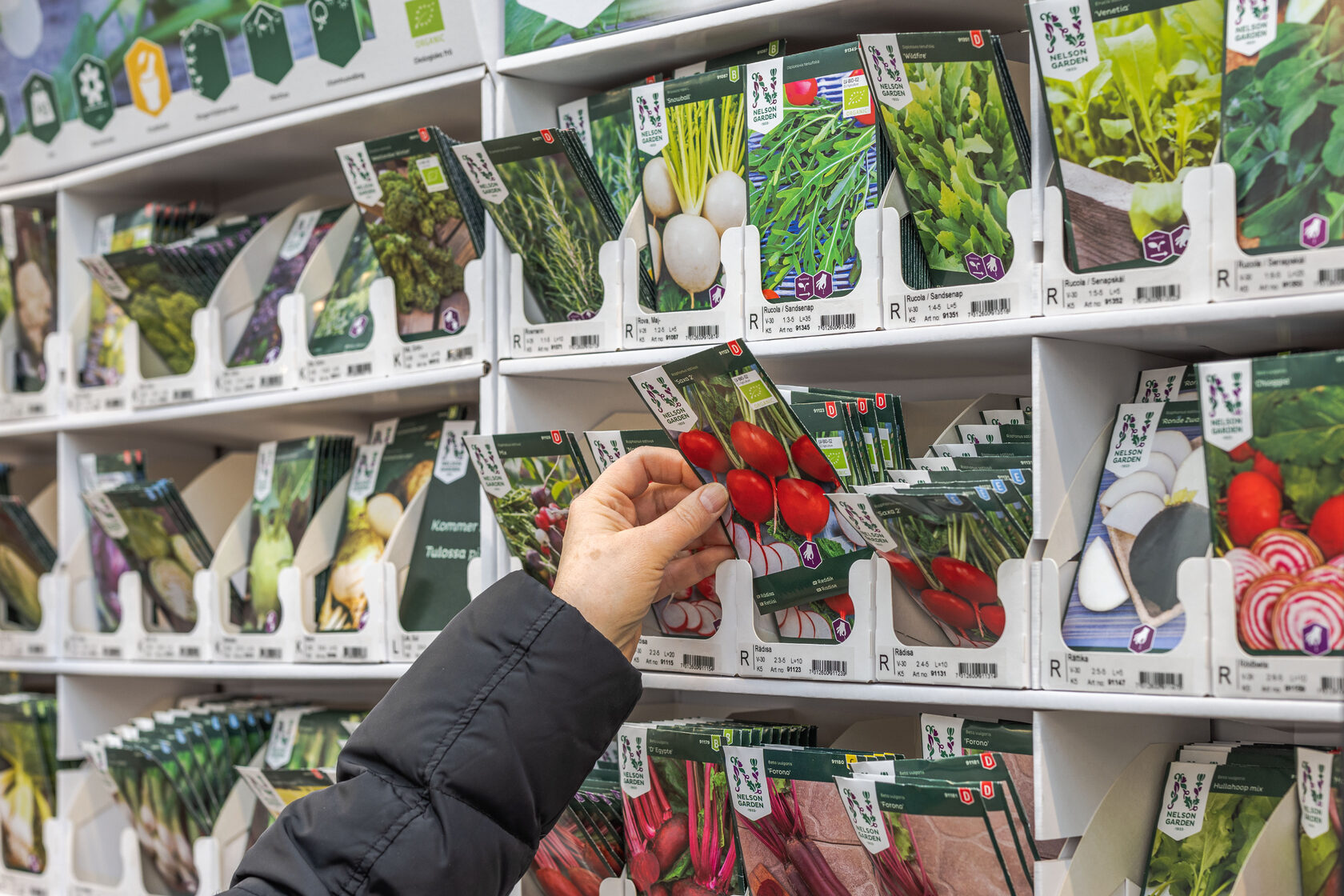
F1 Hybrids are the "modern SUVs" of the garden. They are created by naturally cross-pollinating two different parent plants to combine their best traits.
Important: F1 is NOT the same as GMO. It is just traditional breeding taken to a high-performance level.
The Pros: They are bred for maximum reliability. They grow faster, resist diseases better, and produce a guaranteed yield even if the weather is bad or you forget to water for a day.
The Cons: You cannot save the seeds to plant next year (they won't grow the same), and some people find their flavor more "standard" compared to rare heirlooms.
The Comparison: Which one is for you?
If your goal is to grow vegetables from seeds for the first time, F1 hybrids are your "safety net." They ensure that you actually get to eat what you plant.
Why Beginners Need a "Safety Net"
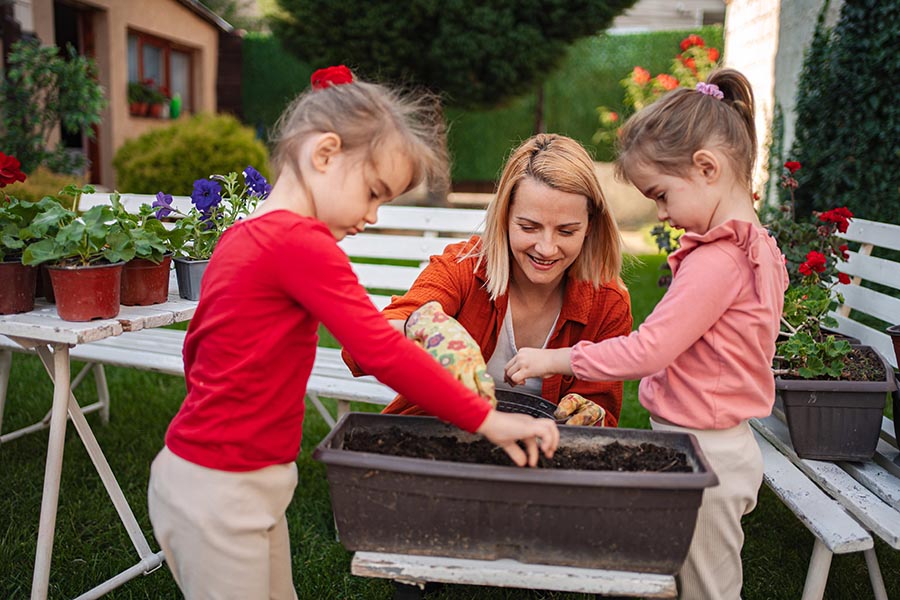
In your first year, your most important crop isn't tomatoes—it's confidence. If everything you plant dies, you will likely give up. This is why we recommend the 80/20 Rule:
- 80% F1 Hybrids: These are your easiest to grow vegetables that provide a steady harvest.
- 20% Heirlooms: Use this small margin for "fun" experiments with exotic colors or flavors.
How to Plan Your Success
Using a garden planner app like easyDacha makes this choice simple. Instead of guessing, the app uses a raised bed garden planner logic to tag plants for you.
- "Easy to grow" (Teal Tag): These are high-vigor F1 hybrids. They are almost impossible to kill.
- "Needs Experience" (Coral Tag): These are the moody heirlooms. We don't say "don't plant them," we just say "be careful."
Even if you are just growing basil indoors or trying to grow herbs indoors on a windowsill, the logic is the same. Start with the most resilient varieties to build your skills.
The 3-Year Roadmap to Mastery
- Year 1 (The Foundation): Focus on the easiest to grow vegetables (mostly F1). Master the basics of watering and soil.
- Year 2 (The Introduction): Keep your F1 core, but introduce 2-3 easy heirlooms.
- Year 3 (The Mastery): Now that you have the experience, go wild with the "divas" and exotic heirlooms.
By following this path and using smart vegetable garden layout ideas, you transform from a nervous beginner into a master gardener with a thriving, productive yard.