
As the seasons change and temperatures begin to drop, many gardeners face the same question. What should be done with plants that thrived outdoors all summer but cannot survive frost? Moving certain garden plants indoors allows them to keep growing, rest safely through winter, or simply survive until spring.
This transition is not just about bringing plants inside. The success of an indoor vegetable garden or overwintered plants depends heavily on choosing the right container. Pot material, size, shape, and even color affect how roots behave indoors, where light, airflow, and watering patterns are very different from the garden.
Understanding how pots work is especially important for container gardening vegetables, herbs, and edible plants that need consistent conditions to stay healthy through winter.
If you want help planning which plants to bring inside and how to set them up, easyDacha appcan support the process. The app helps organize container gardening vegetables, fits naturally into smart vegetable garden layout ideas, and works like a practical garden planner app for managing indoor and outdoor transitions without guesswork.
Understanding how pots work is especially important for container gardening vegetables, herbs, and edible plants that need consistent conditions to stay healthy through winter.
If you want help planning which plants to bring inside and how to set them up, easyDacha appcan support the process. The app helps organize container gardening vegetables, fits naturally into smart vegetable garden layout ideas, and works like a practical garden planner app for managing indoor and outdoor transitions without guesswork.
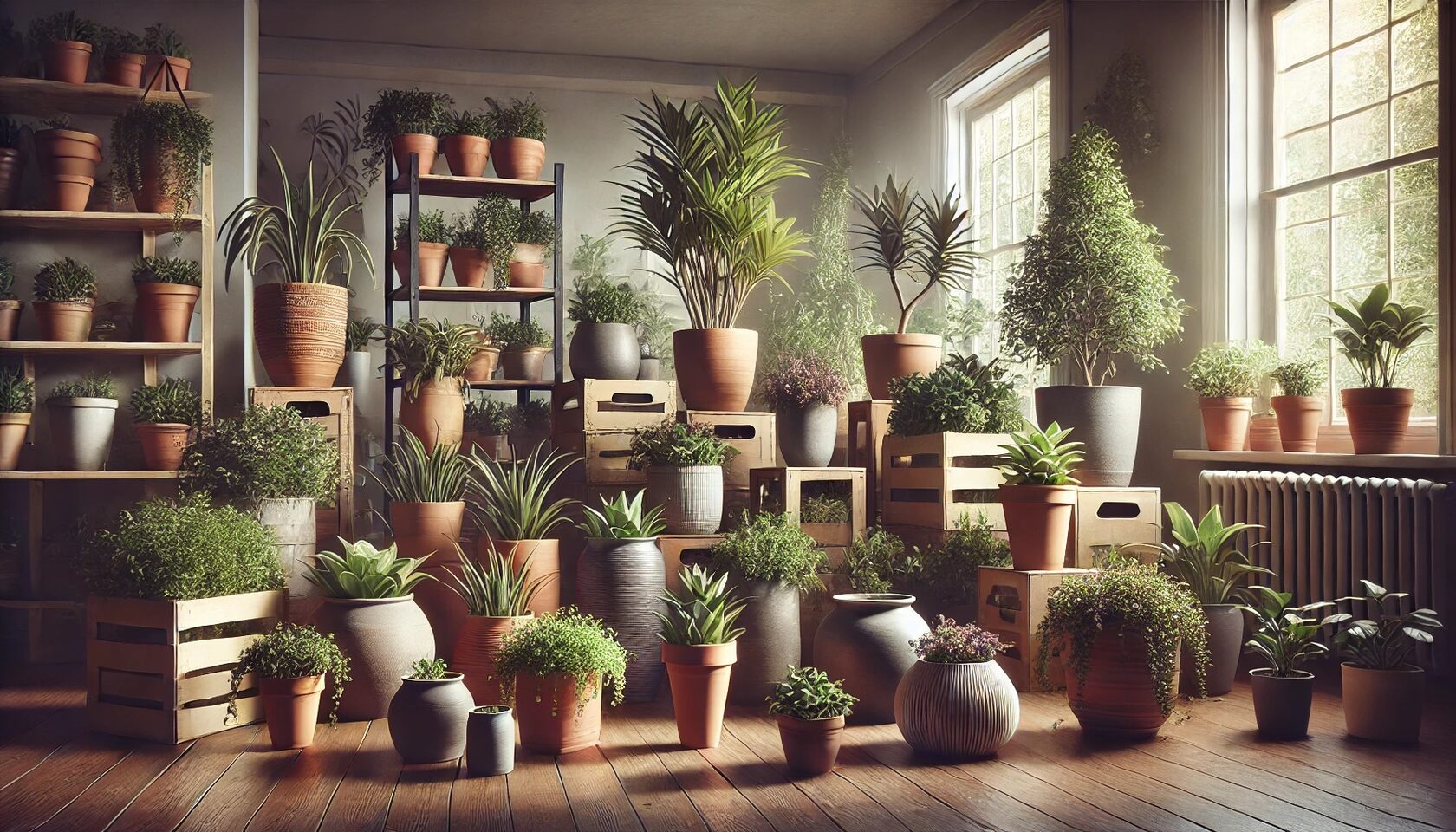
The picture is generated by AI
Why Moving Garden Plants Indoors Matters
Cold temperatures slow growth and can damage or kill sensitive plants. While many perennials go dormant outdoors, others benefit from indoor protection, especially herbs, peppers, leafy greens, and some compact vegetables.
Bringing plants inside helps:
• protect roots from freezing
• extend the harvest for edible crops
• maintain healthy foliage through winter
• preserve plants you want to replant in spring
For gardeners experimenting with an indoor vegetable garden, this step also creates an opportunity to keep producing food year-round, even when outdoor beds are inactive.
Bringing plants inside helps:
• protect roots from freezing
• extend the harvest for edible crops
• maintain healthy foliage through winter
• preserve plants you want to replant in spring
For gardeners experimenting with an indoor vegetable garden, this step also creates an opportunity to keep producing food year-round, even when outdoor beds are inactive.
Which Garden Plants Adapt Well Indoors
Not every plant is suited for indoor life, but many adjust well when given the right container and light.
Plants that typically move indoors successfully include:
• herbs such as basil, parsley, rosemary, and dill
• leafy greens like lettuce and spinach
• compact pepper plants
• succulents and tropical ornamentals
• young perennial starts meant for overwintering
Plants with aggressive root systems or very high light needs often struggle indoors unless conditions are carefully controlled.
Choosing the right candidates makes container gardening vegetables far more manageable during winter months.
Plants that typically move indoors successfully include:
• herbs such as basil, parsley, rosemary, and dill
• leafy greens like lettuce and spinach
• compact pepper plants
• succulents and tropical ornamentals
• young perennial starts meant for overwintering
Plants with aggressive root systems or very high light needs often struggle indoors unless conditions are carefully controlled.
Choosing the right candidates makes container gardening vegetables far more manageable during winter months.
Choosing the Right Pot Material
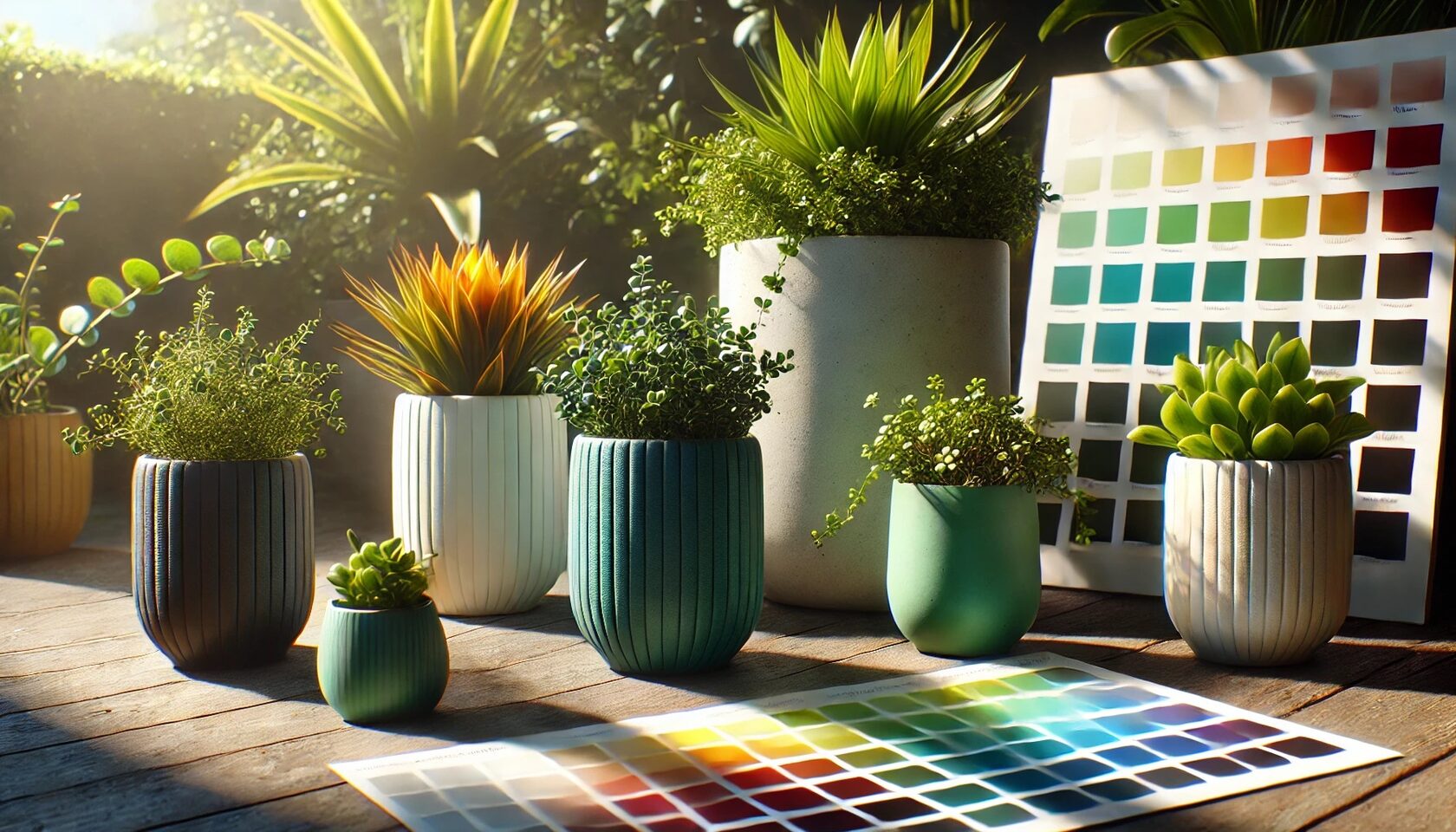
The picture is generated by AI
Pot material affects moisture retention, airflow, and temperature around the roots. Indoors, these factors matter even more because soil dries differently and evaporation slows.
Ceramic and Clay Pots
Clay and ceramic pots are porous. They allow air and moisture to pass through the sides, which helps prevent soggy soil.
They work best for:
• plants that prefer drier conditions
• herbs prone to root rot
The downside is faster moisture loss. Indoor plants in clay pots often need more frequent watering.
They work best for:
• plants that prefer drier conditions
• herbs prone to root rot
The downside is faster moisture loss. Indoor plants in clay pots often need more frequent watering.
My Experience: I’ve found that the color of the pot really makes a difference. I once planted parsley in a black pot, and the soil dried out too fast. Switching to a light-colored ceramic pot made all the difference in keeping the moisture level steady.
Plastic Pots
Plastic pots are lightweight and retain moisture well. This makes them useful for plants that dry out quickly indoors.
They are a common choice for:
• leafy greens
• herbs with shallow roots
• container gardening vegetables that prefer evenly moist soil
Because plastic limits airflow, drainage holes become especially important.
They are a common choice for:
• leafy greens
• herbs with shallow roots
• container gardening vegetables that prefer evenly moist soil
Because plastic limits airflow, drainage holes become especially important.
Metal Pots
Metal containers are durable but challenging for plant health. They conduct temperature quickly and can stress roots.
Indoors, metal pots are best used as decorative covers with a plastic or ceramic pot inside, rather than as the primary planting container.
Indoors, metal pots are best used as decorative covers with a plastic or ceramic pot inside, rather than as the primary planting container.
Wooden Containers
Wooden pots offer a natural look and good insulation. They are well suited for larger plants or grouped plantings indoors.
Over time, wood can break down if constantly wet, so liners or drainage layers help extend usability.
Over time, wood can break down if constantly wet, so liners or drainage layers help extend usability.
Pot Color and Temperature Control
Pot color influences how much heat the container absorbs. Indoors, this affects how quickly soil dries and how warm roots become near windows.
Dark-colored pots absorb more heat and can dry faster. They suit plants that tolerate warmth and occasional dryness.
Light-colored pots reflect light and help keep roots cooler. They are often better for leafy greens and herbs grown near bright windows.
Pot color may seem minor, but it plays a role in maintaining stable conditions for an indoor vegetable garden.
Dark-colored pots absorb more heat and can dry faster. They suit plants that tolerate warmth and occasional dryness.
Light-colored pots reflect light and help keep roots cooler. They are often better for leafy greens and herbs grown near bright windows.
Pot color may seem minor, but it plays a role in maintaining stable conditions for an indoor vegetable garden.
Matching Pot Shape to Root Systems
Root structure should guide your pot choice just as much as plant size.
Wide, Shallow Pots
These work best for plants with shallow roots.
Common examples:
• herbs
• lettuce
• spinach
• succulents
Wide pots help maintain even moisture, which is especially important for container gardening vegetables grown indoors.
Common examples:
• herbs
• lettuce
• spinach
• succulents
Wide pots help maintain even moisture, which is especially important for container gardening vegetables grown indoors.
Deep, Narrow Pots
Plants with deeper root systems need vertical space to stay stable.
These pots suit:
• rosemary
• peppers
• small fruiting plants
Choosing the right shape supports healthy root development and reduces stress after moving indoors.
These pots suit:
• rosemary
• peppers
• small fruiting plants
Choosing the right shape supports healthy root development and reduces stress after moving indoors.
Choosing the Correct Pot Size
Pot size directly affects water balance and root health.
Large pots:
• support long-term indoor growth
• hold moisture more evenly
• reduce frequent watering
Small pots:
• dry faster
• suit short growth cycles
• work well for compact herbs
When planning multiple containers, pot size becomes part of broader vegetable garden layout ideas, especially in small indoor spaces.
Large pots:
• support long-term indoor growth
• hold moisture more evenly
• reduce frequent watering
Small pots:
• dry faster
• suit short growth cycles
• work well for compact herbs
When planning multiple containers, pot size becomes part of broader vegetable garden layout ideas, especially in small indoor spaces.
Personal Tip: I always use a deep, narrow pot for rosemary to allow the roots to spread. For basil, I prefer wide potsthat give the roots more room to branch out horizontally.
Preparing Plants for the Move Indoors
Plants should not be moved inside suddenly. A short transition period helps prevent shock.
Before moving plants indoors:
• inspect for pests
• rinse foliage gently
• trim damaged growth
• reduce watering slightly
Gradual adjustment helps plants adapt to lower light and indoor humidity.
Before moving plants indoors:
• inspect for pests
• rinse foliage gently
• trim damaged growth
• reduce watering slightly
Gradual adjustment helps plants adapt to lower light and indoor humidity.
Watering and Feeding Plants Indoors
Indoor plants generally need less water than outdoor plants. Evaporation is slower, and overwatering is a common issue.
Key watering tips:
• check soil before watering
• allow excess water to drain
• avoid letting pots sit in standing water
Fertilizing should also be reduced. Indoor growth slows in winter, and excess nutrients often cause weak growth.
Balanced care keeps container gardening vegetables productive without stressing plants.
Key watering tips:
• check soil before watering
• allow excess water to drain
• avoid letting pots sit in standing water
Fertilizing should also be reduced. Indoor growth slows in winter, and excess nutrients often cause weak growth.
Balanced care keeps container gardening vegetables productive without stressing plants.
Making Indoor Plant Care Easier
Managing multiple pots indoors can become confusing without a system. Tracking watering, light exposure, and spacing helps prevent mistakes.
Many gardeners use a garden planner app to organize plant care indoors. Tools like easyDacha are often compared with the best gardening app options because they help align plant needs with real conditions and simplify decision-making for indoor setups.
Many gardeners use a garden planner app to organize plant care indoors. Tools like easyDacha are often compared with the best gardening app options because they help align plant needs with real conditions and simplify decision-making for indoor setups.
Download the best gardening app
Deep, Narrow Pots: Best Containers for Deep-Rooted Indoor Plants
Moving garden plants indoors does not need to be complicated. With the right pot, thoughtful placement, and adjusted care, many plants continue to grow or rest safely through winter.
Choosing proper containers, understanding root needs, and managing moisture are the foundation of a healthy indoor vegetable garden. With smart planning, container gardening vegetables becomes a natural extension of your outdoor garden rather than a separate challenge.
If you want support planning which plants to move indoors and how to care for them, easyDacha can help. The app supports container gardening vegetables, simplifies vegetable garden layout ideas, and works as a clear, practical garden planner app. Many gardeners discover it while searching for the best gardening app, but keep using it because it reflects real gardening workflows.
Choosing proper containers, understanding root needs, and managing moisture are the foundation of a healthy indoor vegetable garden. With smart planning, container gardening vegetables becomes a natural extension of your outdoor garden rather than a separate challenge.
If you want support planning which plants to move indoors and how to care for them, easyDacha can help. The app supports container gardening vegetables, simplifies vegetable garden layout ideas, and works as a clear, practical garden planner app. Many gardeners discover it while searching for the best gardening app, but keep using it because it reflects real gardening workflows.