
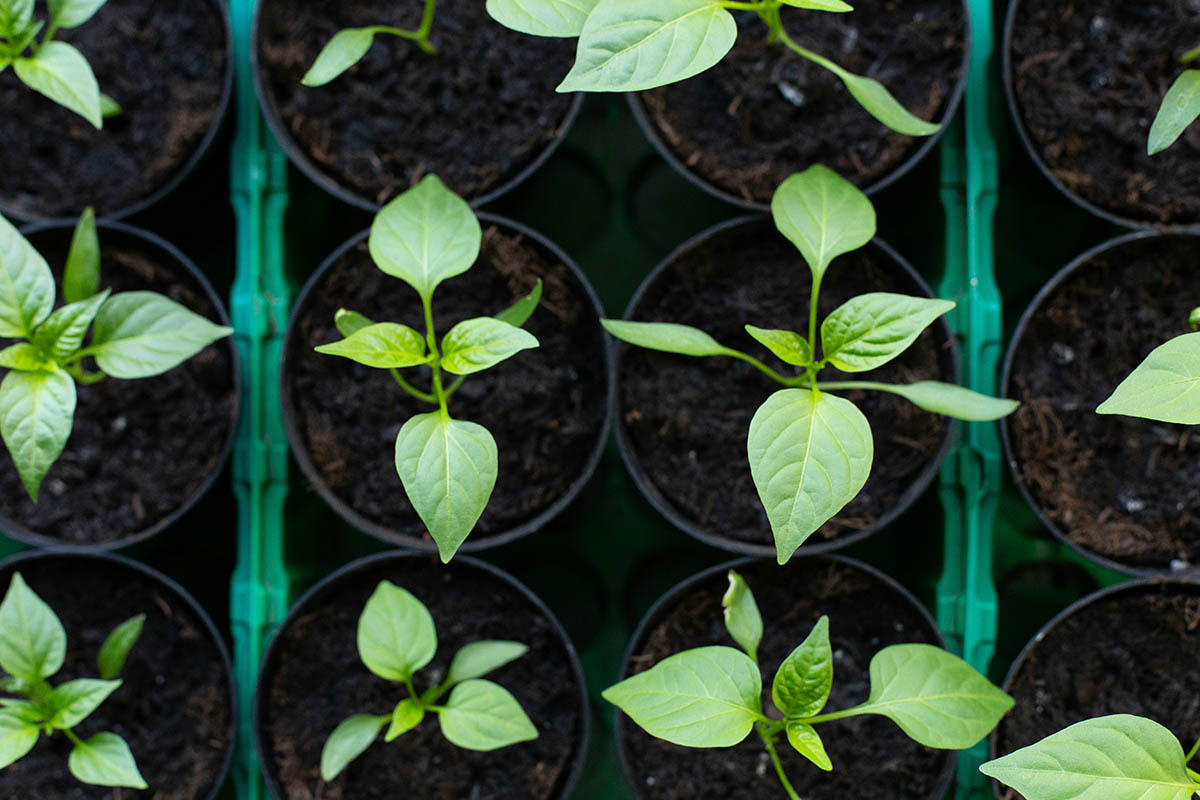
Growing vegetable seedlings indoors is a great way to get a head start on the season. This clear, hands-on guide walks you through the essentials so your young plants come up healthy and sturdy. You’ll find straightforward advice on choosing soil, setting a watering routine, giving the right light, managing temperature, preventing disease, and transplanting. Common setbacks—weak light, overwatering, and pests—are easy to avoid once you know what to look for. Follow these tips and you’ll have robust seedlings ready to move outside.
What is the Best Soil for Vegetable Seedlings Indoors?
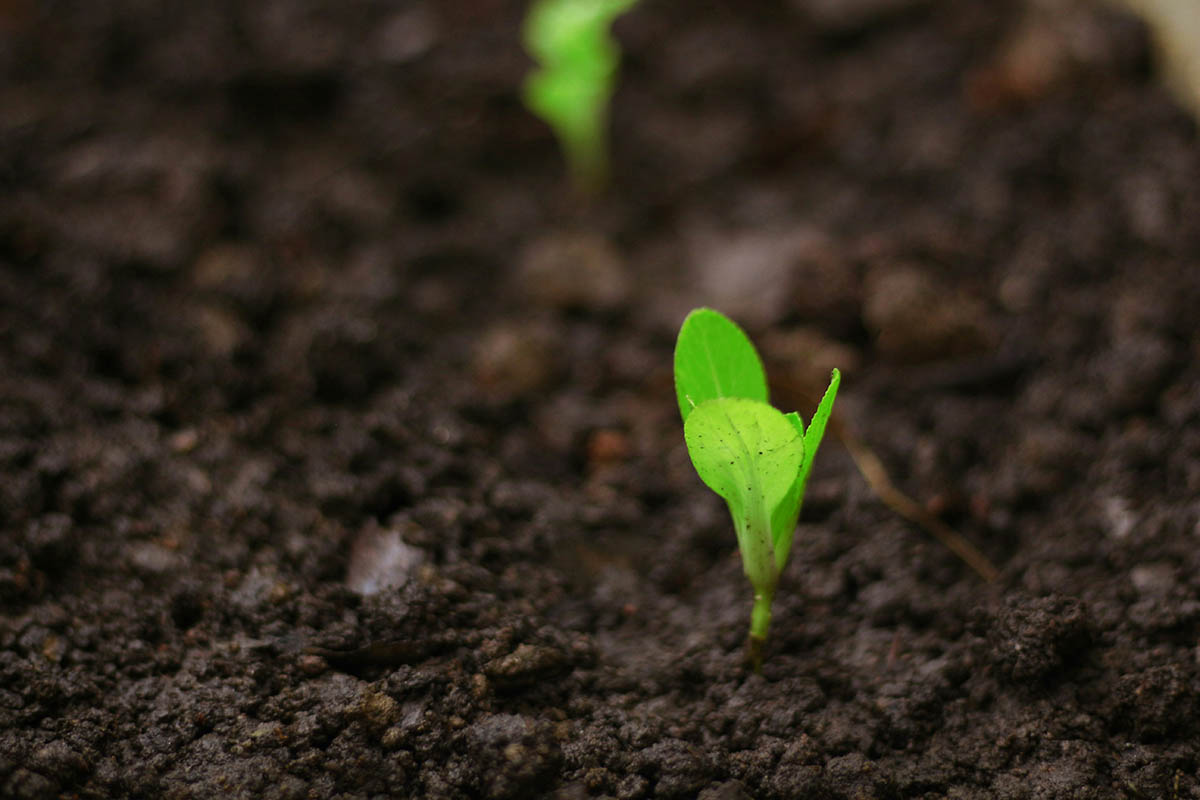
Picking the right soil sets your seedlings up for success. A good mix holds moisture, drains well, and gives roots room to grow. Understanding the common mixes and how to prepare them helps you avoid soggy containers or nutrient-poor starts.
Which Soil Types Support Optimal Seedling Growth?
Several media work well for seedlings—each has strengths. A quality potting mix gives balance between moisture retention and drainage. Adding organic matter, like compost or peat, improves nutrient availability. Common choices include:
- Seed Starting Mix: Light and fine-textured—excellent for germination and delicate roots.
- Potting Soil: A versatile blend of organic materials suited for growing on after germination.
- Coconut Coir: A sustainable alternative that holds water while staying airy around roots.
Research also highlights how substrate makeup and mineral nutrition affect seedling vigor and transplant success.
Substrate composition and mineral nutrition strongly influence seedling quality. To produce healthy grafted transplants, seedlings need the best possible cultural conditions. Substrate properties and mineral nutrients play key roles. Tests of substrates—peatmoss, perlite, vermiculite, and coir-dust—show measurable effects on seedling growth. Optimization of substrate formulation and mineral nutrition during the production of vegetable seedling grafts, 2012
Choosing the right medium gives seedlings a strong foundation and helps them grow into sturdy garden plants.
How to Prepare Containers and Soil for Indoor Seedlings?
Getting containers and soil ready is simple but important. Use pots with drainage, keep everything clean, and tweak the mix for better airflow and drainage.
- Container Selection: Pick pots at least 2–3 inches deep to give roots room.
- Soil Mixing: Blend potting mix with perlite or vermiculite (about 3:1) to improve drainage and aeration.
- Sterilization: If you reuse containers, sanitize them with a bleach solution to remove pathogens.
These small preparations reduce problems and help seedlings get off to a healthy start.
How to Establish an Effective Seedling Watering Schedule Indoors?
Watering gets tricky: too much and roots rot, too little and seedlings stunt. A simple routine based on touch and observation keeps moisture in the right range.
How Often Should You Water Vegetable Seedlings Indoors?
Water frequency depends on soil type, pot size, and room conditions. A good rule is to water when the top 1/2 to 1 inch of soil feels dry.
- Check Soil Moisture: Test with your finger—if the top layer is dry, it’s time to water.
- Watering Frequency: Many seedlings need water every 2–3 days, but adjust as needed.
- Adjust for Conditions: Increase watering during warm spells or when using heat mats.
Watch seedlings and tweak your routine rather than sticking to a fixed schedule.
What Are Signs of Overwatering or Underwatering Seedlings?
Spot the signs early so you can correct your care.
- Overwatering Signs: Yellowing leaves, limp plants even in wet soil, and a musty smell—these point to root problems.
- Underwatering Signs: Dry, crispy leaves and slowed growth mean the plants need more water.
Fix overwatering by improving drainage and letting the soil dry slightly. For underwatering, water thoroughly and then monitor more often.
What Are the Indoor Seedling Light Requirements for Healthy Growth?
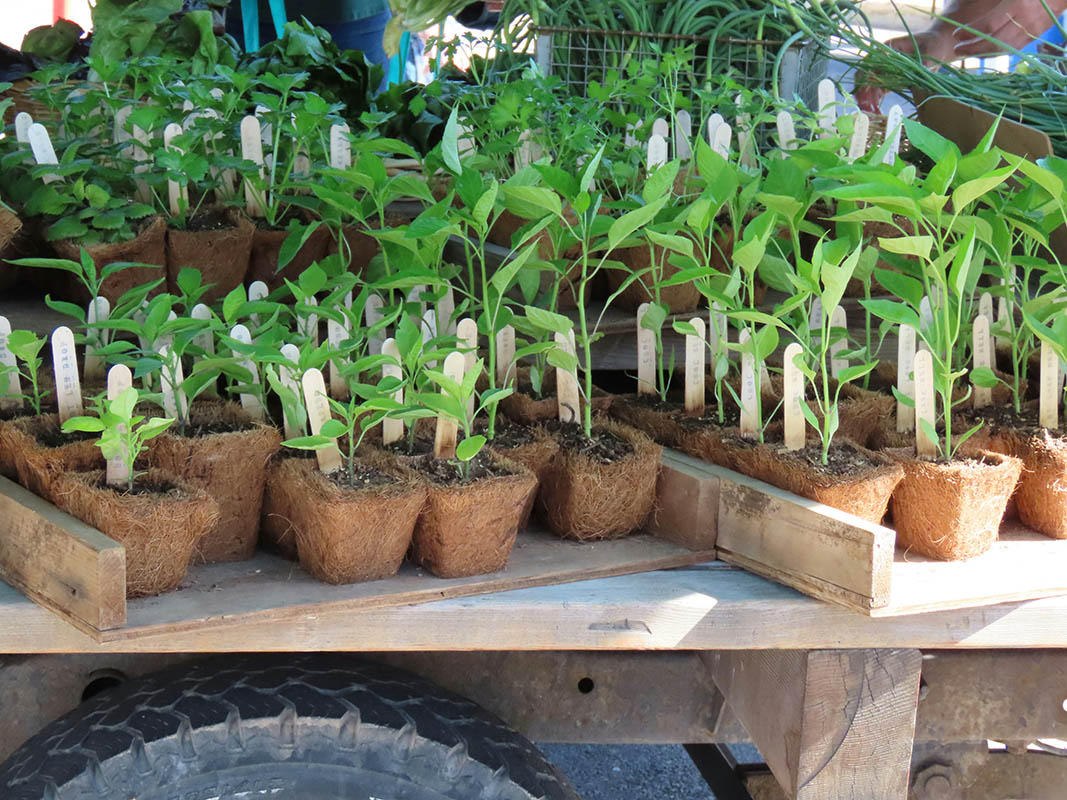
Light powers photosynthesis and shapes how seedlings grow. Give them bright, consistent light—either natural or artificial—so they don’t stretch and weaken.
How to Choose Between Natural and Artificial Light for Seedlings?
Both natural and artificial light can work. Choose based on your space and how much control you need.
- Natural Light: A south-facing window provides good sun, but light can vary with weather and temperature.
- Artificial Light: LEDs or fluorescents give steady light. Keep fixtures about 2–4 inches above seedlings and run them 12–16 hours a day.
Use what fits your setup—artificial lights are the most reliable for consistent growth.
What is the Ideal Light Duration and Intensity for Seedlings?
Consistent duration and adequate intensity help seedlings develop compact stems and healthy leaves.
- Light Duration: Aim for 12–16 hours of light each day.
- Light Intensity: Target roughly 2,000–3,000 foot-candles for most seedlings; a light meter helps if you have one.
- Adjusting Light: Raise or lower lights as seedlings grow to keep the distance right.
Proper light prevents legginess and supports strong early growth.
How to Manage Temperature and Harden Off Vegetable Seedlings Indoors?
Temperature affects germination and growth rate, and hardening off prepares seedlings for outdoor conditions. Control both to avoid shock when transplanting.
What Temperature Range is Best for Indoor Seedling Growth?
Most vegetable seedlings do well in a moderate indoor range.
- Daytime Temperatures: Keep daytime temps near 70°F (21°C).
- Nighttime Temperatures: Let temps drop a bit at night—this mimics natural conditions.
- Heat Mats: Use heat mats for germination, but remove them once seedlings sprout.
Stable temperatures help seedlings develop steadily without stress.
How and When to Harden Off Seedlings Before Transplanting?
Harden off seedlings over a week or two so they adjust to wind, sun, and temperature swings outdoors.
- Start Slowly: Put seedlings outside for 1–2 hours in a sheltered spot to begin.
- Increase Exposure: Gradually extend time outdoors and add direct sun exposure.
- Monitor Conditions: Protect against strong wind or extreme temperatures during the hardening period.
Take 7–14 days to harden them off—rushing this step raises the risk of transplant shock.
How to Prevent and Manage Common Seedling Diseases Indoors?
Good hygiene and proper conditions keep most diseases at bay. Early detection and simple changes solve many problems.
What Are Common Diseases Affecting Indoor Vegetable Seedlings?
Watch for these common issues:
- Damping Off: A fungal threat that can cause seedlings to collapse right at soil level.
- Powdery Mildew: White, powdery patches on leaves that spread in humid conditions.
- Root Rot: Often the result of overwatering and poor drainage, causing roots to decay.
Catch these early—removing affected plants and adjusting conditions helps prevent spread.
Which Methods Effectively Prevent Seedling Diseases?
Simple preventative steps go a long way:
- Proper Watering: Don’t keep soil soggy; ensure good drainage.
- Air Circulation: Airflow lowers humidity and discourages fungal growth.
- Sanitation: Clean tools, trays, and pots to reduce disease carryover.
Combine these practices to keep your indoor seedlings healthy.
When and How Should You Transplant Vegetable Seedlings Indoors?
Transplant at the right time and handle seedlings gently to give them the best chance outdoors.
How to Know When Seedlings Are Ready for Transplanting?
Look for clear signs that seedlings can handle a bigger space or the garden:
- True Leaves: The second set of leaves (true leaves) shows they’re past the seedling stage.
- Root Development: Roots appearing at drainage holes indicate a need for more room.
- Sturdiness: Seedlings should be compact and not overly leggy.
Transplanting at the right point helps plants establish quickly outside.
What Are Best Practices for Transplanting Seedlings Successfully?
Follow these steps to reduce shock and help seedlings thrive after transplanting:
- Prepare the Garden Bed: Work organic matter into the soil and make sure drainage is good.
- Water Before Transplanting: Hydrate seedlings well so roots move with less stress.
- Handle with Care: Lift seedlings gently from their containers, protecting the root ball.
With careful preparation and gentle handling, your seedlings will settle in and continue growing strongly.