
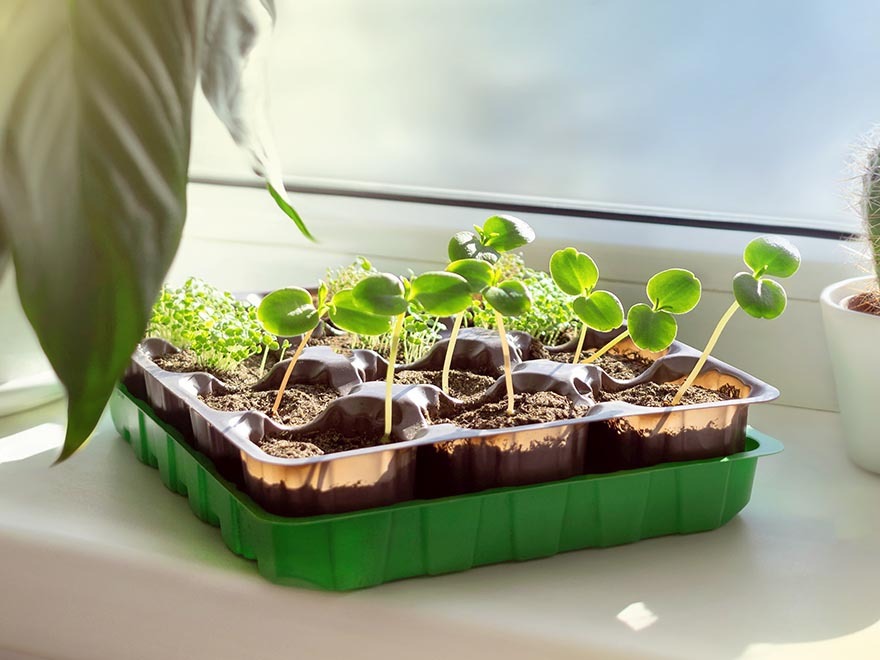
Starting your garden from seed is one of the most rewarding parts of gardening. It feels almost magical to watch a tiny seed turn into a strong, healthy plant. But anyone who has started seeds indoors knows that the process does not always go smoothly. Sometimes seeds refuse to sprout. Sometimes they sprout and immediately fall over. Other times the soil grows fuzzy mold, or seedlings stretch tall and thin as if they are trying to escape.
These challenges are normal, and nearly every gardener experiences them. Understanding the reasons behind common seed starting problems takes away the confusion and helps you respond with confidence.
If you want extra guidance during these early stages, the easyDacha app can help you diagnose issues more clearly. It offers gentle seed starting tips, helps correct early mistakes, and gives reminders that prevent future seed starting problems. With tools similar to a garden planner app, you can track heat, moisture, timing, and light—making seed starting easier and more predictable, almost like using the best gardening app but fully tailored to first-time and experienced growers.
Problem #1: Seeds Aren’t Sprouting
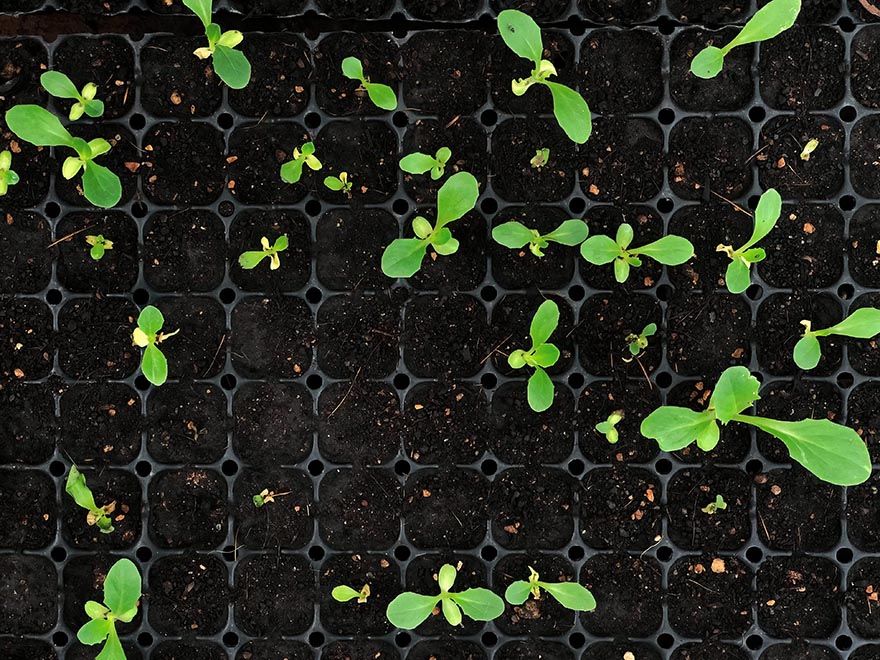
When seeds refuse to germinate, it usually means something in their basic environment is missing. Seeds need three essential things to wake up: warmth, moisture, and oxygen. If any of these are off balance, germination slows or stops entirely.
Seeds may fail to sprout because the soil is too cold. Most vegetable seeds prefer temperatures between 65 and 75°F. Seeds also fail when soil dries out between waterings, especially small seeds that need consistent moisture. Another reason is age. Older seeds lose their ability to germinate, even if they look fine. Planting too deep also causes trouble. Tiny seeds do not have enough stored energy to push through heavy soil.
Overwatering is another common cause. When soil stays constantly wet, seeds may rot before they sprout. And certain types of seeds require light to germinate. Lettuce, for example, should be pressed gently onto the surface instead of buried.
To fix the issue, keep soil evenly moist rather than soaked. Mist lightly instead of pouring water. Use a heat mat to maintain warmth. Always check seed packets for depth and light requirements. These practical seed starting tips often resolve the problem before you need to restart trays. If nothing appears after two to three weeks, it is usually best to start a new batch.
Problem #2: White Mold on the Soil Surface
A common early concern is the appearance of white, fuzzy mold growing on top of the soil. The good news is that this mold is usually harmless to the seedlings themselves. However, it is an early sign that your environment has become too stagnant, moist, or poorly ventilated.
Mold grows when air does not move enough across the soil surface. Overwatering and limited light also contribute. Seed-starting mixes with high organic matter can stay wetter longer, making mold more likely.
To solve this, allow more airflow around trays. A small fan on low can help keep the surface dry. Water less frequently and allow the soil to breathe. Remove humidity domes once most seeds have sprouted; keeping them on too long traps moisture and encourages mold. A light sprinkle of cinnamon or vermiculite on the soil surface also helps discourage fungal growth.
Mold is not the disease itself. It is a warning sign. If ignored, conditions may worsen and lead to damping-off, a serious seedling-killing issue associated with seed starting problems. Many gardeners use early seed starting tips to stop mold before it spreads.
Problem #3: Seedlings Are Tall, Thin, and Weak (Leggy)
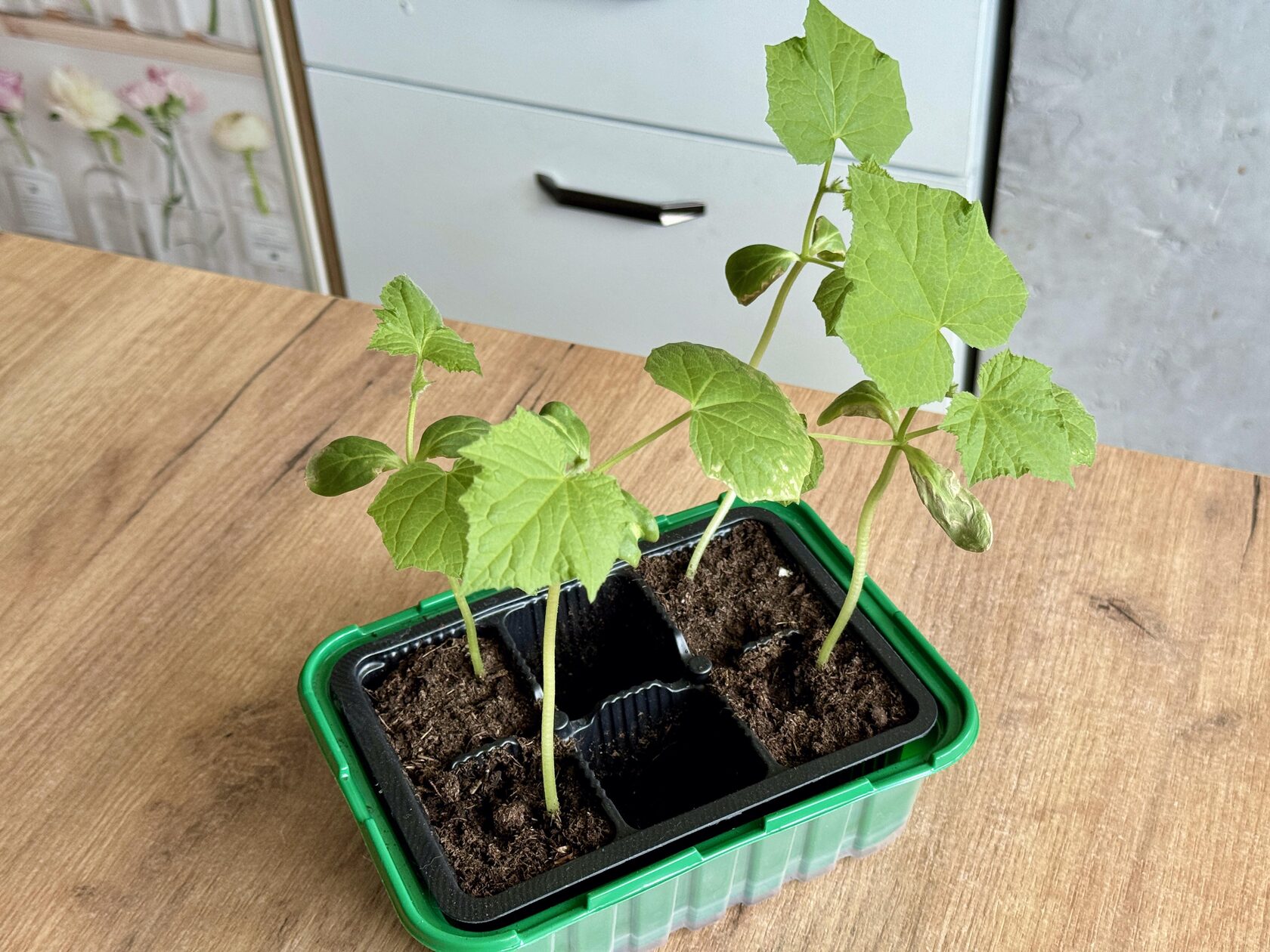
Leggy seedlings are one of the most widely recognized indoor growing issues. When seedlings stretch into thin, weak stems, they are telling you something very simple. they need more light. This is a classic situation where gardeners look for a leggy seedlings fix.
Legginess happens for three main reasons. The light source is too dim, too far away, or not present for long enough. Warm temperatures make it even worse. Warmth encourages fast growth, but without strong light, seedlings stretch in search of it.
The most effective solution is direct and simple. Use a bright grow light placed two to four inches above the tops of the seedlings. Increase the duration of light to twelve to sixteen hours a day. To strengthen stems, gently brush your hand across the tops of seedlings once a day or use a small fan on low to simulate airflow.
If seedlings are already too tall, many plants—especially tomatoes—can be repotted deeper to support their stems. This technique is one of the most reliable seed starting tips and works beautifully for beginners and experienced gardeners alike. By applying a thoughtful leggy seedlings fix early, seedlings recover quickly and grow into sturdy plants.
Problem #4: Seedlings Are Wilting or Collapsing
When young seedlings wilt or fall over at the base, the cause is often damping-off, a fungal disease that spreads quickly in wet environments. The stem usually becomes thin, brown, and pinched at the soil line. Unfortunately, once damping-off starts, affected seedlings cannot recover.
Other reasons for collapse include overwatering, cold soil, or inconsistent temperatures. To prevent future issues, always use sterile trays and fresh seed-starting mix. Water from below so the soil absorbs moisture naturally rather than staying wet on the surface. Ensure adequate airflow at all times.
A light dusting of cinnamon or a diluted chamomile tea rinse can help reduce fungal pressure, but prevention remains the most reliable method. This is one of the more challenging seed starting problems, and the right habits make all the difference.
Problem #5: Uneven Germination
Some trays produce quick, healthy sprouts while others remain empty or slow. It often looks like something is wrong, but uneven germination is one of the most common indoor growing patterns.
Different seeds germinate at different speeds. Lettuce might sprout in two days, while peppers can take two to three weeks. But uneven warmth and moisture can widen the gap even more. Seeds placed at the cooler edges of a tray may lag behind seeds closer to the center. Soil that dries out in patches also leads to inconsistent growth.
A simple way to combat this is rotating trays daily so temperature and light stay even. Keep a humidity dome on only until most seeds have sprouted. After that, remove it to prevent excess moisture and mold. Label different varieties clearly so you know which ones are naturally slow.
These small adjustments prevent long-term issues and give you better insight into your overall system of seed starting tips. When combined with consistent routines, they help eliminate many early seed starting problems before they even start.
Preventing Future Seed-Starting Issues
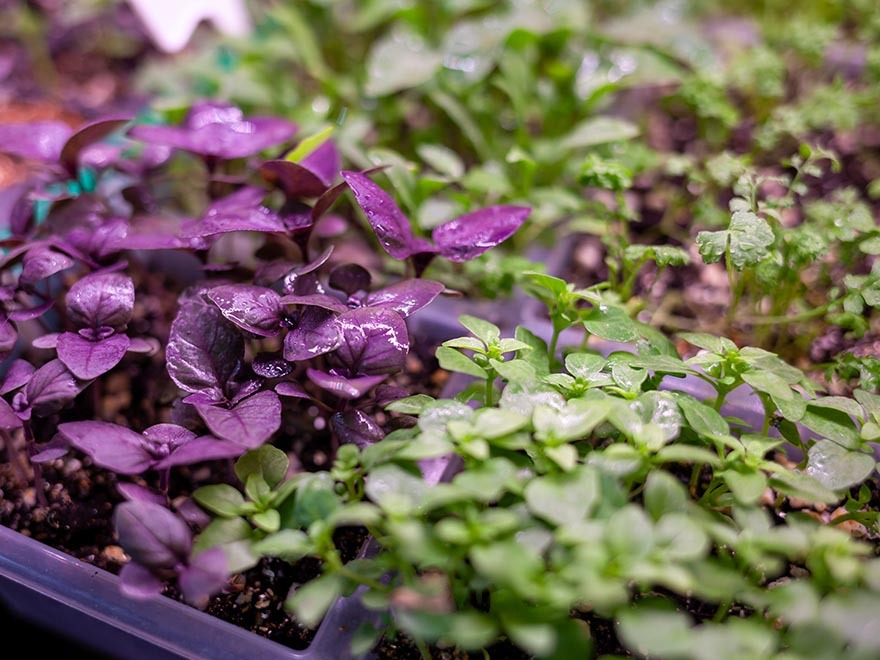
Successful seed starting begins long before the first sprout appears. Consistency is the foundation. Stable warmth, steady moisture, bright light, and clean tools eliminate most early seed starting problems. Good labeling prevents mix-ups, and thinning seedlings ensures they grow strong rather than crowded.
Hardening off seedlings properly before they go outside is also essential. This step prevents shock, sunburn, and slow early growth. Follow a gradual schedule to help seedlings adjust to real outdoor conditions.
If you want help creating and maintaining a routine, the easyDacha app can simplify the process. It organizes your seed starting tips, tracks temperature and timing, and alerts you to early signs of seed starting problems. Many gardeners use it alongside features similar to a garden planner app, or compare it with tools often discussed in best gardening app recommendations, yet appreciate how easyDacha focuses specifically on seed starting, early growth, and plant health.
Download gardening app