
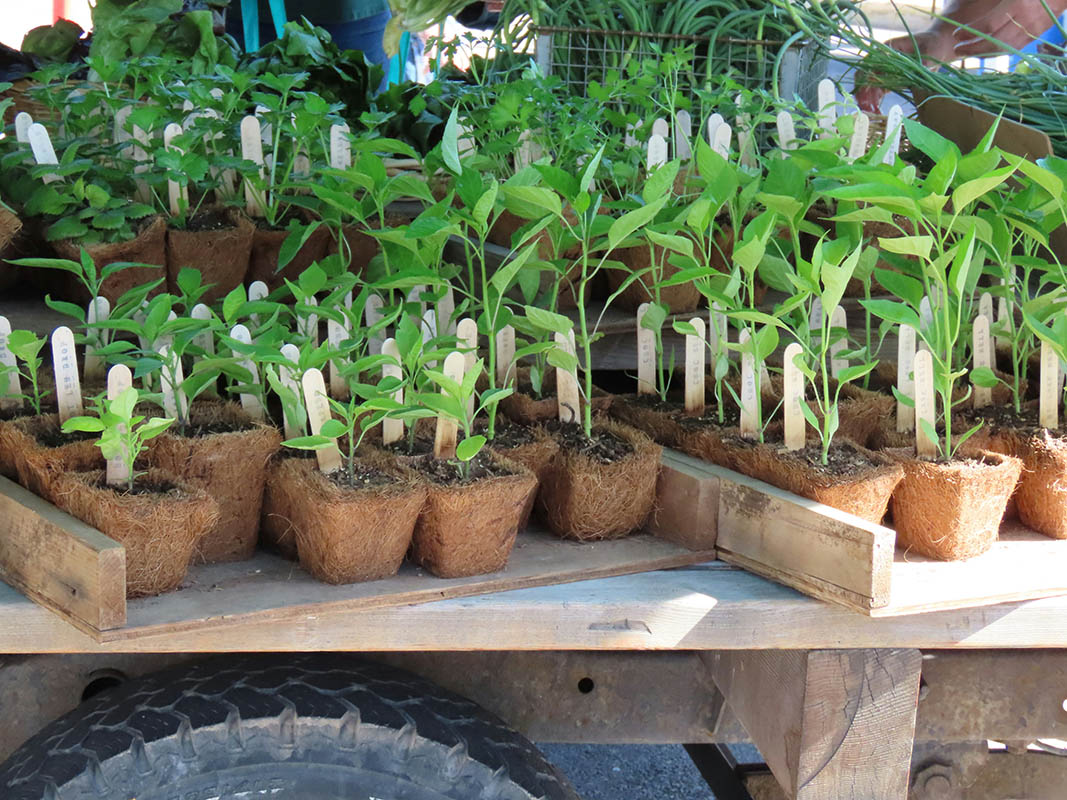
Transplanting seedlings is a crucial step in gardening that can significantly impact the success of your vegetable garden. Understanding when to transplant seedlings involves recognizing key growth stages, local weather conditions, and specific guidelines for different vegetable varieties. Many gardeners struggle with timing their transplants, leading to poor growth or even plant loss. This guide will provide you with a comprehensive schedule and care tips to ensure your seedlings thrive after transplanting. We will explore how to determine the best time for transplanting, vegetable-specific guidelines, hardening off techniques, soil and weather preparations, and essential care tips to prevent transplant shock. Additionally, we will introduce how the EasyDacha app can assist you in planning and managing your seedling transplants effectively.
How Do You Determine the Best Time to Transplant Seedlings Outdoors?
Determining the best time to transplant seedlings outdoors is essential for ensuring their successful growth. This process involves understanding the key growth stages of seedlings and how local weather conditions can influence transplant timing. By monitoring these factors, gardeners can optimize their transplanting schedule for better yields and healthier plants.
What Are the Key Seedling Growth Stages to Watch For?
Key growth stages to watch for when determining transplant timing include the seedling's age, size, and overall health. Typically, seedlings should be around 4-6 weeks old and have developed at least two to three sets of true leaves before transplanting. Signs of readiness include sturdy stems and a well-established root system, which indicate that the seedlings can handle the stress of being moved to a new environment.
How Do Local Weather Conditions Affect Transplant Timing?
Local weather conditions play a significant role in transplant timing. Factors such as temperature, frost dates, and precipitation can affect the health of seedlings during and after transplanting. Ideally, seedlings should be transplanted after the last frost date in your area, when soil temperatures are consistently above 50°F (10°C) for most vegetables, though some warm-season crops prefer soil temperatures closer to 60°F (15°C). Monitoring local weather forecasts can help gardeners choose the optimal day for transplanting, ensuring that seedlings are not exposed to harsh conditions.
What Are the Vegetable-Specific Transplant Timing Guidelines?
Different vegetables have unique transplant timing requirements based on their growth habits and environmental needs. Understanding these guidelines can help gardeners maximize their harvests and ensure healthy plant development.
When Should You Transplant Common Vegetables Like Tomatoes and Peppers?
Common vegetables such as tomatoes and peppers should be transplanted after the last frost date when the soil has warmed sufficiently. For tomatoes, the optimal transplant window is typically 1-2 weeks after the last frost, while peppers can be transplanted about 2 weeks after the last frost. Both plants thrive in warm conditions, so ensuring that nighttime temperatures are consistently above 50°F (10°C) is crucial for their success.
How Does Transplant Timing Vary for Leafy Greens and Root Vegetables?
Transplant timing varies significantly for leafy greens and root vegetables. Leafy greens like lettuce and spinach can be transplanted earlier in the season, as they tolerate cooler temperatures. Ideally, they should be transplanted 2-4 weeks before the last frost date. In contrast, root vegetables such as carrots and beets are generally recommended to be directly sown rather than transplanted, as they do not transplant well due to their long taproots. However, if started indoors, they should be transplanted carefully when seedlings are about 3-4 weeks old and the soil has warmed enough for growth.
This table summarizes the optimal transplant windows and growth durations for various vegetables, helping gardeners plan their planting schedules effectively.
How Do You Harden Off Seedlings Before Transplanting?
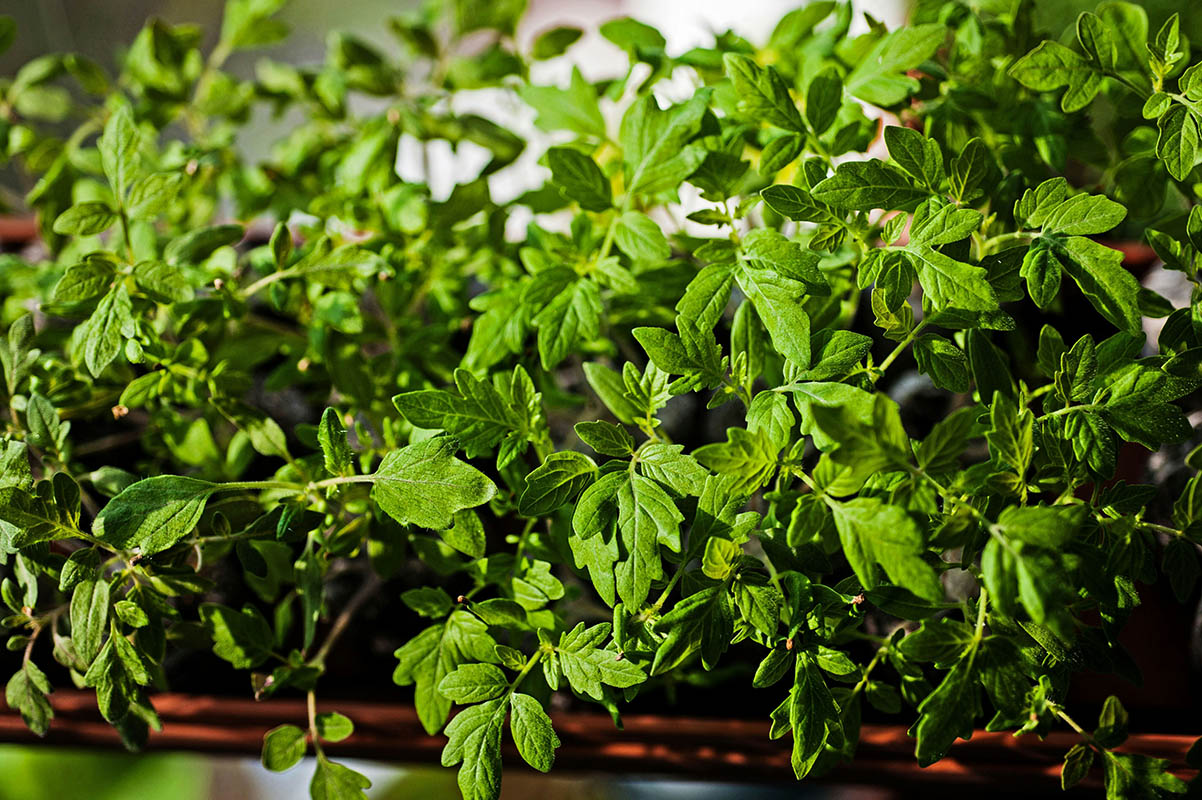
Harden off seedlings before transplanting to help them acclimate to outdoor conditions. This process is vital for reducing transplant shock and ensuring that seedlings thrive in their new environment.
What Is the Hardening Off Process and Why Is It Important?
The hardening off process involves gradually exposing seedlings to outdoor conditions over a period of 7-10 days. This acclimatization helps seedlings adjust to changes in temperature, light, and wind, reducing stress when they are finally transplanted. Without this process, seedlings may suffer from shock, leading to stunted growth or even death.
What Are Step-by-Step Techniques for Successful Hardening Off?
To harden off seedlings successfully, follow these steps:
- Start Indoors: Begin by placing seedlings in a shaded outdoor area for a few hours each day.
- Gradual Exposure: Increase the time spent outdoors daily, gradually introducing them to direct sunlight and wind.
- Monitor Conditions: Keep an eye on weather conditions, bringing seedlings indoors during extreme temperatures or storms.
- Transplanting: After 7-10 days, when seedlings are well-acclimated, they can be transplanted into the garden.
These techniques ensure that seedlings are well-prepared for their new environment, promoting healthy growth.
What Soil and Weather Preparations Optimize Seedling Transplant Success?
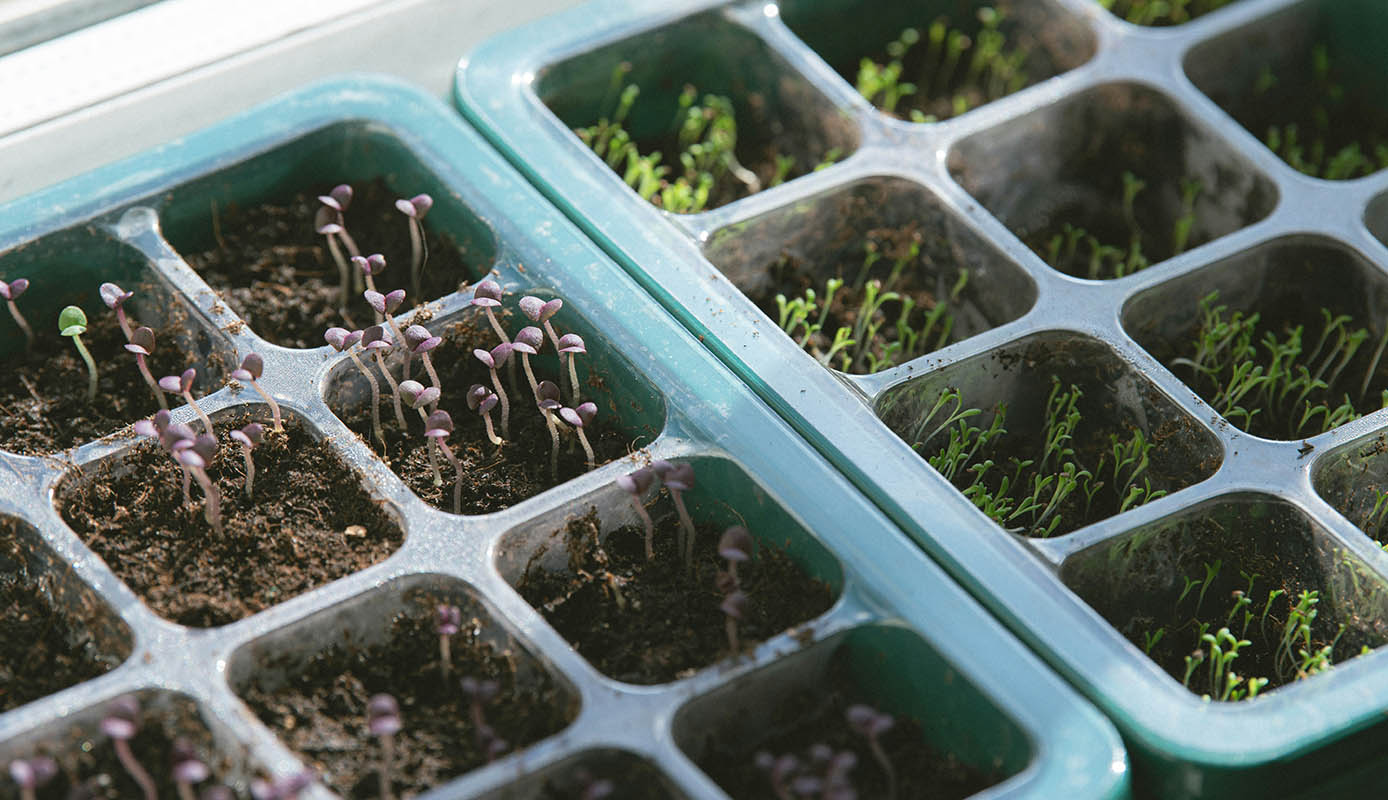
Proper soil and weather preparations are crucial for optimizing seedling transplant success. Understanding soil conditions and monitoring weather factors can significantly impact the health of your plants.
How Do Soil Conditions Like pH and Moisture Affect Transplanting?
Soil conditions, including pH and moisture levels, play a vital role in transplant success. Ideally, the soil pH should be between 6.0 and 7.0 for most vegetables, as this range promotes nutrient availability. Additionally, ensuring that the soil is adequately moist but not waterlogged is essential for healthy root development. Before transplanting, test the soil and amend it as necessary to create the best environment for your seedlings.
What Weather Factors Should Gardeners Monitor Before Transplanting?
Gardeners should monitor several weather factors before transplanting, including temperature, wind, and precipitation. Ideal transplanting conditions include mild temperatures (between 60°F and 75°F), low wind speeds, and no rain forecasted for at least 24 hours post-transplant. These conditions help minimize stress on seedlings and promote successful establishment in the garden.
What Are Essential Seedling Transplant Care Tips to Prevent Shock?
After transplanting, providing proper care is essential to prevent transplant shock and ensure seedlings thrive in their new environment.
How Can You Minimize Transplant Shock in Vegetable Seedlings?
To minimize transplant shock, consider the following tips:
- Water Thoroughly: Water seedlings well before and after transplanting to help them settle into their new environment.
- Avoid Disturbing Roots: Handle seedlings gently to avoid damaging their roots during the transplanting process.
- Provide Shade: Use shade cloth or row covers for the first few days after transplanting to protect seedlings from direct sunlight.
These practices can significantly reduce the risk of transplant shock and promote healthy growth.
Research further emphasizes the importance of vigorous transplants and methods to reduce transplant shock, such as the use of humic substances.
Improve Vegetable Seedling Quality & Reduce Transplant Shock
Vegetable growers require vigorous transplants in order to reduce the period of transplant shock and improve post-transplant yield performance under stress conditions. Humic substances have been explored for applications in containerized vegetable transplant production systems.
Humic substances improve vegetable seedling quality and post-transplant yield performance under stress conditions, K Qin, 2020
What Are Best Practices for Watering and Spacing After Transplant?
Best practices for watering and spacing after transplanting include:
- Consistent Watering: Water seedlings regularly, ensuring the soil remains consistently moist but not soggy.
- Proper Spacing: Follow recommended spacing guidelines for each vegetable type to ensure adequate airflow and nutrient access.
- Mulching: Apply a layer of mulch around seedlings to retain moisture and suppress weeds.
Implementing these practices will help your seedlings establish strong roots and grow successfully.
How Can the EasyDacha App Help You Plan and Manage Seedling Transplants?
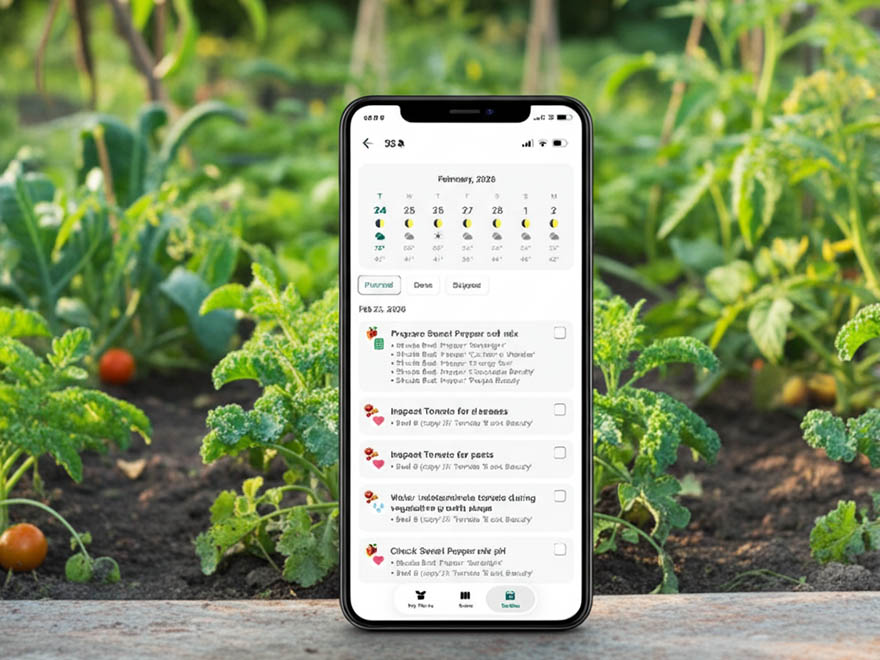
The easyDacha app is designed to assist gardeners in organizing, planning, and managing their vegetable gardens effectively. With its user-friendly interface and comprehensive features, it can enhance your gardening experience.
What Features Does easyDacha Offer for Personalized Transplant Schedules?
easyDacha offers personalized transplant schedules based on your local climate and the specific vegetables you are growing. By inputting your location and vegetable preferences, the app generates tailored transplanting timelines, ensuring you never miss the optimal planting window.
How Does easyDacha Integrate Weather and Growth Data for Optimal Timing?
The app integrates real-time weather data and growth information to provide timely alerts and recommendations. This feature helps gardeners make informed decisions about when to transplant, taking into account current weather conditions and forecasts. By utilizing EasyDacha, you can optimize your gardening efforts and improve your overall yield.
This approach aligns with advanced agricultural technologies that leverage real-time data for precise irrigation and scheduling, as demonstrated by various smart irrigation applications.
Real-Time Irrigation Schedules for Vegetable Crops
SmartIrrigation apps were developed to provide real-time irrigations schedules for selected crops (i.e., avocado, citrus, cotton, peanut, strawberry, vegetables). Irrigation schedules in the smartphone apps are based on evapotranspiration (ET) or a water balance methodology using real-time weather data from the Florida Automated Weather Network and the Georgia Environmental Monitoring Network. The FAO Penman Monteith method is used for calculating reference ET and crop coefficients (Kc) are applied based on time after planting, calendar month, or a crop‘s phenological stage.
Smartphone apps for irrigation scheduling, KW Migliaccio, 2015