
Even the most attentive gardener eventually meets uninvited guests in the garden. Some appear quietly, settling under leaves where they multiply fast. Others make their presence clear by chewing holes through tender greens or cutting down young seedlings in a single night. No matter what form they take, the most common garden pests can do real damage if they are not identified early and treated with the right tools.
This guide walks you through the ten pests most vegetable gardeners struggle with. You will learn how to recognize their signs, understand the crops they usually target, and apply both natural pest control methods and standard treatments that actually work. Because successful gardening is not only about planting and watering. It is also about learning how to get rid of garden pests before they take over your hard work.
If you want to stay ahead of common garden pests and avoid unexpected damage, the easyDacha app can help you do that. It builds a personal garden plan that shows when pests usually appear in your area and suggests gentle natural pest control steps before any real problems begin. And if insects do show up, the app gives clear guidance on how to get rid of garden pests at each stage of plant growth so you always know what to do next.
Try easyDacha to keep your garden healthier and your plants better protected.
Try easyDacha to keep your garden healthier and your plants better protected.
1. Aphids
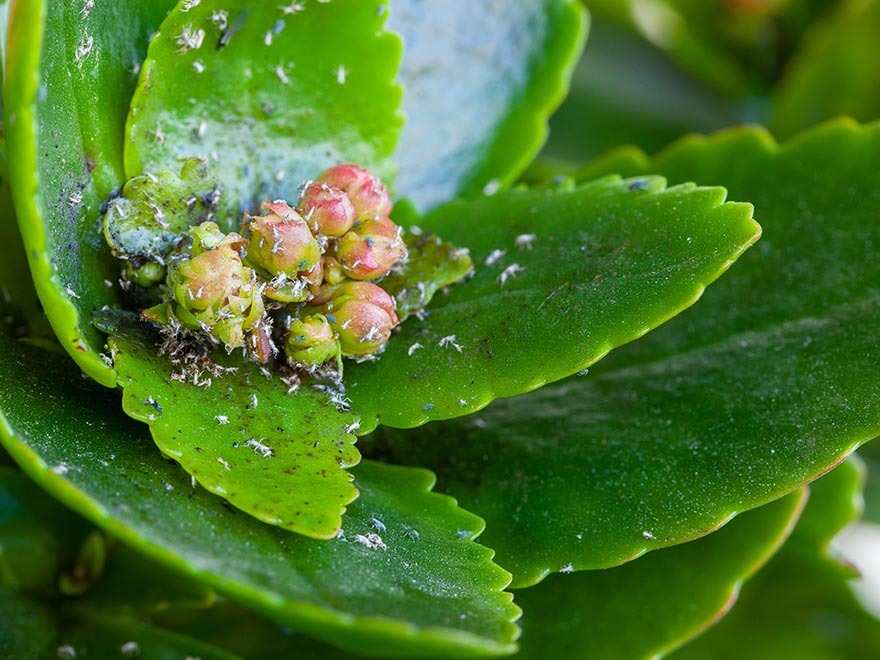
Aphids are among the most widespread vegetable garden bugs. They gather in clusters on stems and the undersides of leaves. Their feeding leaves plants weak, curled, and sticky from honeydew.
How to identify aphids
• Clusters of tiny green, black, or gray insects
• Curled or distorted leaves
• Sticky residue that attracts ants
• Common on tomatoes, peppers, kale, lettuce, and beans
Natural treatment options
Gardeners often start with light, gentle methods because aphids have soft bodies and respond well to simple solutions.
• Spray plants with soapy water. Use 1 teaspoon of mild dish soap per quart of water.
• Rinse leaves with a firm stream of water to knock aphids off.
• Apply homemade garlic or chili spray to repel new colonies.
• Encourage beneficial insects such as ladybugs by growing dill, cosmos, or yarrow.
Standard control
• Insecticidal soap or neem oil, applied in the evening to protect pollinators
• Purchased ladybugs or lacewings for biological control
2. Cabbage Worms (including loopers)
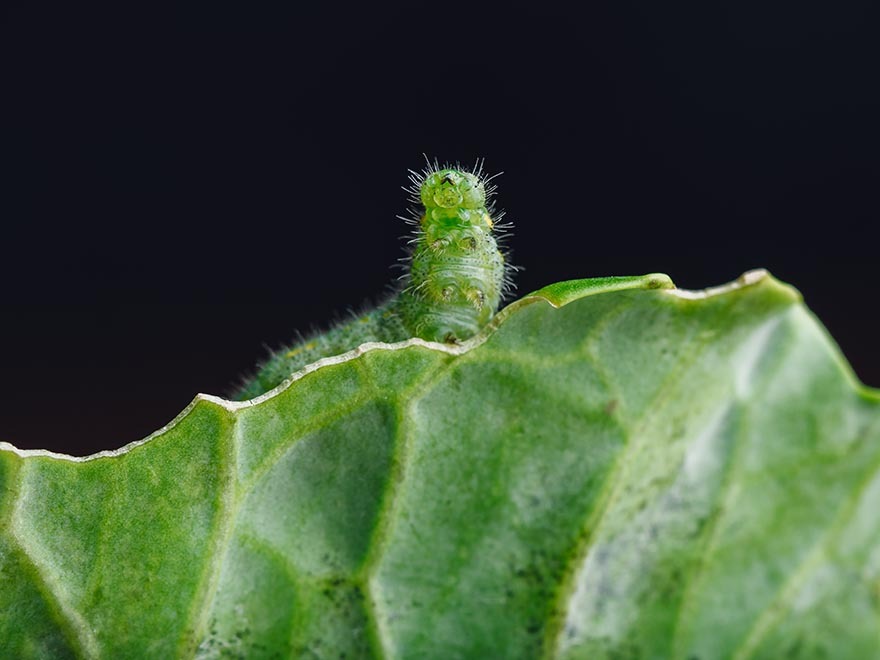
These caterpillars are a major concern for anyone growing brassicas. They blend into leaves so well that you often notice the damage before spotting the worms.
How to identify cabbage worms
• Round holes in cabbage, kale, broccoli, or Brussels sprout leaves
• Small green feeding pellets (frass)
• Pale green caterpillars hiding near leaf ribs
Natural treatment options
• Dust plants with wood ash or cornmeal early in the morning
• Use tomato leaf tea spray. Its bitter scent helps deter caterpillars
• Handpick worms if the infestation is small
Standard control
• BT (Bacillus thuringiensis) spray, one of the safest and most effective treatments for caterpillars
• Lightweight row covers to block butterflies from laying eggs
Aphids: Identification, Garden Damage and Natural Control
Hornworms are large, hungry, and surprisingly difficult to find despite their size. They can defoliate a tomato plant in days.
How to identify hornworms
• Large green caterpillars with a horn-like tip
• Missing leaves, stems stripped bare
• Dark droppings below damaged leaves
• Damage on tomatoes, peppers, and eggplant
Natural treatment options
• Handpick hornworms at dawn or dusk
• Spray with neem or wormwood tea to reduce feeding
• Attract parasitic wasps by planting dill or fennel nearby
Standard control
• BT or spinosad sprays
• Leave parasitized hornworms in place. If you see white cocoons on their backs, they are already being controlled biologically.
4. Cutworms
Cutworms often attack at night, cutting seedlings down at soil level. They hide in soil or garden debris during the day.
How to identify cutworm damage
• Young seedlings severed cleanly at the base
• Damage typically appears overnight
• A curled caterpillar may be found just below the soil surface
Natural treatment options
• Use cardboard or toilet paper collars around seedlings
• Surround stems with coffee grounds, crushed eggshells, or diatomaceous earth
• Keep garden beds free of thick debris where larvae hide
Standard control
• BTK (Bacillus thuringiensis kurstaki) granules
• Regular cultivation to expose and disrupt larvae
5. Slugs and Snails
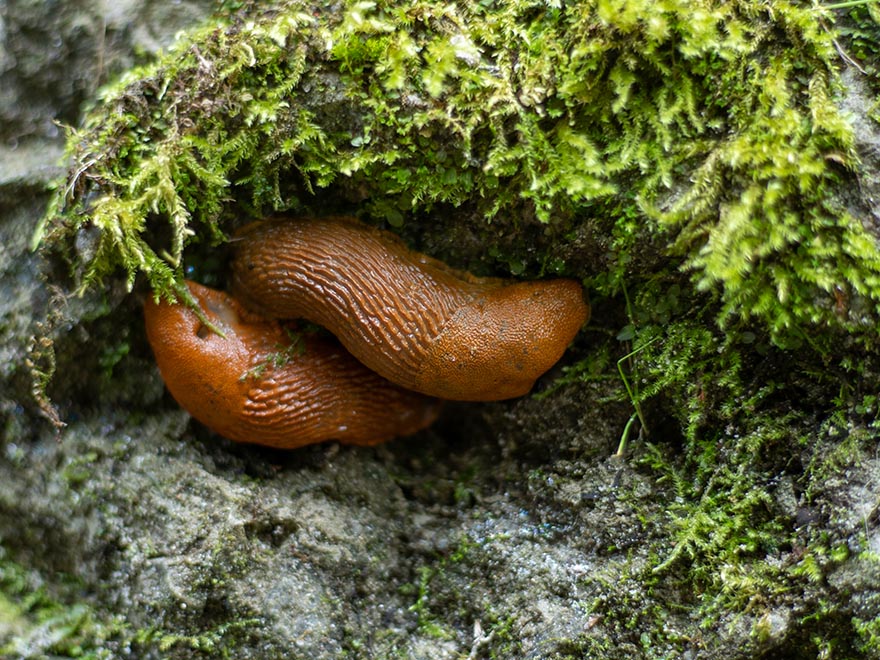
These pests thrive in cool, damp conditions and often target soft vegetation and leafy greens.
How to identify slug and snail damage
• Irregular holes in leaves
• Silvery slime trails on soil or foliage
• Heavy damage on lettuce, cabbage, and strawberries
Natural treatment options
• Beer traps placed at soil level
• Diatomaceous earth or copper tape barriers
• Morning garden checks to remove slugs manually
Standard control
• Organic iron phosphate pellets. safe for pets, wildlife, and edible gardens
6. Whiteflies
Whiteflies disturb plants when you brush past them. They gather underneath leaves and multiply quickly in warm weather.
How to identify whiteflies
• Tiny white insects that fly when disturbed
• Sticky honeydew on leaves
• Yellowing or wilting foliage
• Common on tomatoes, peppers, squash, and eggplant
Natural treatment options
• Yellow sticky traps to reduce adult populations
• Spray with water, mild soap, and a small amount of neem oil
• Prune lower leaves to improve airflow
Standard control
• Neem oil, pyrethrin sprays, or insecticidal soap
• Remove heavily infested leaves
7. Squash Bugs
Squash bugs can devastate zucchini and pumpkin patches by sucking sap from leaves and weakening plants.
How to identify squash bugs
• Wilted or crisping leaves, especially at midday
• Bronze clusters of eggs on leaf undersides
• Fast-moving dark bugs hiding at the base of plants
Natural treatment options
• Handpick adults and scrape eggs with duct tape
• Apply garlic or cayenne pepper spray weekly
• Keep vines well mulched to reduce hiding spots
Standard control
• Permethrin or pyrethrin sprays
• Row covers during early growth to prevent egg-laying
8. Colorado Potato Beetles
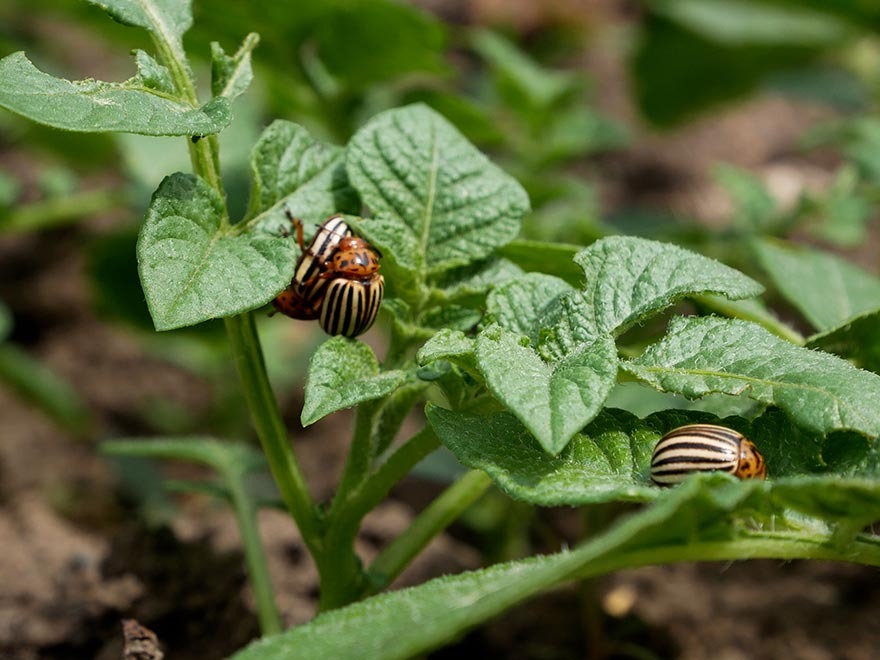
These pests are stubborn and capable of wiping out potato patches quickly.
How to identify potato beetles
• Yellow-and-black striped adults
• Bright orange egg clusters on leaf undersides
• Plump red larvae with black spots
Natural treatment options
• Daily handpicking of adults, larvae, and eggs
• Straw mulching to block beetles from reaching plants
• Rotate crops to prevent overwintering in soil
Standard control
• Spinosad or neem oil
• Use trap crops such as eggplant to draw beetles away from potatoes
9. Flea Beetles
These tiny jumping insects attack tender leaves early in the season.
How to identify flea beetles
• Small, round holes that create a “shothole” pattern
• Beetles jump when disturbed
• Affect radishes, arugula, brassicas, and young eggplants
Natural treatment options
• Dust leaves with wood ash or talcum powder
• Plant trap crops like radish near seedlings
• Maintain healthy soil to help plants outgrow early damage
Standard control
• Floating row covers
• Kaolin clay or neem oil to reduce feeding
10. Spider Mites
Spider mites thrive in hot, dry conditions and can damage plants quickly.
How to identify spider mites
• Fine webbing on stems and leaves
• Yellow or bronze speckling
• Overall plant decline
• Common on beans, cucumbers, tomatoes, and indoor plants
Natural treatment options
• Increase humidity. mist plants or place water trays nearby
• Spray with garlic or onion water solution
• Rinse leaves regularly to remove mites
Standard control
• Insecticidal soap, miticide, or neem oil
• Introduce predatory mites for an organic solution
General Prevention. Protecting Your Garden Before Pests Take Hold
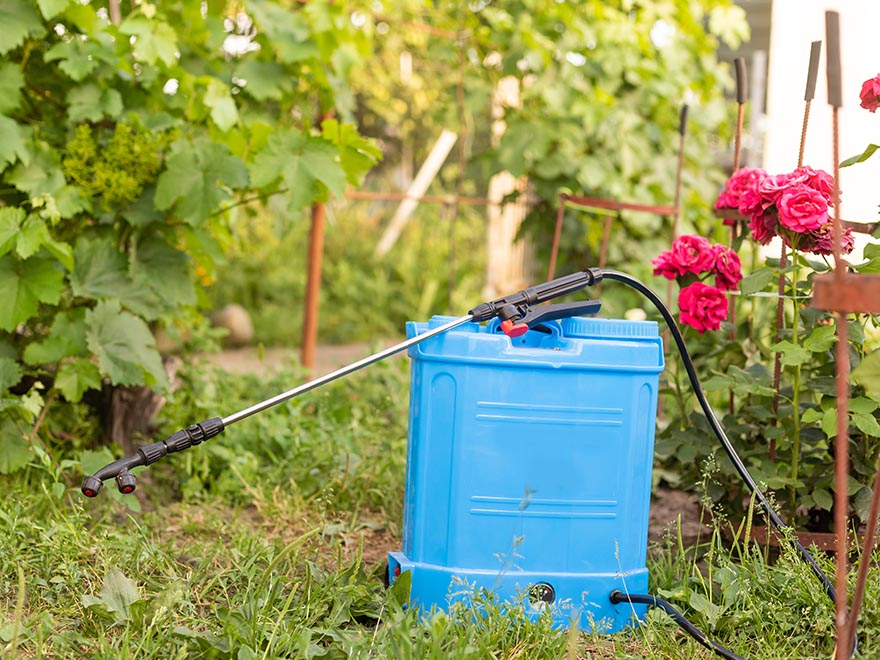
Good prevention is often the most effective form of pest control garden. Healthy, well-maintained plants tolerate stress better and resist pests more successfully.
Simple habits that reduce pest pressure
• Inspect plants often, especially the undersides of leaves
• Keep weeds and old plant debris cleared
• Promote airflow by proper plant spacing
• Rotate crops every year
• Use companion planting with herbs like basil, mint, or nasturtium
• Water at the soil level to avoid attracting pests with damp leaves
• Support beneficial insects by growing flowers such as alyssum, dill, or calendula
Knowing the fix is half the job. The other half is catching it in time, season after season. easyDacha tracks your specific plants, reminds you to water evenly and check for early symptoms, and its AI coach learns what goes wrong in your garden so the same problem does not come back next year.
Download easyDacha and keep your garden one step ahead of insects all year.
How do I identify common garden pests?
Identify a garden pest by matching the damage to the bug. Holes in leaves usually mean caterpillars or beetles; sticky, curled new growth means aphids; silvery stippling means spider mites or thrips; slime trails mean slugs. Use the table below to match symptom to pest, then treat. Catching pests early, at the first few bugs, is far easier than fighting an infestation later.
FAQ
How do I know what is eating my plants?
Match the damage: holes mean chewers (caterpillars, beetles), sticky curled leaves mean aphids, slime trails mean slugs.
When should I start treating garden pests?
At the first few bugs. Early action prevents a small problem from becoming an infestation.