
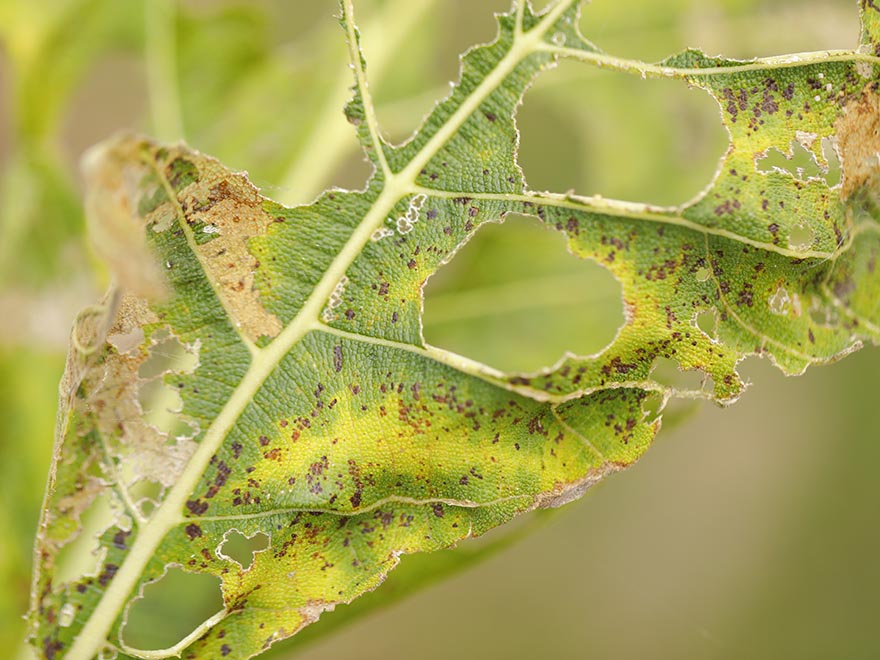
When a plant starts showing yellow leaves, unusual spots, moldy growth, or soft stems, it is easy to imagine the worst. But in gardening, signs appear before serious damage happens, and those signs are your biggest advantage. The key to successful plant care is early recognition. When you understand what symptoms mean, you can correct the issue long before it spreads to the rest of your garden or houseplants.
This guide walks you through the most common warning signs, explains why they happen, and offers clear steps to fix the problem. Think of it as a patient, careful approach to reading your plants—and learning what they are trying to tell you.
If you often struggle to understand why your plants suddenly turn yellow, develop spots, or start molding, the easyDacha app can help you catch problems early. It guides you through garden pests identification, shows how symptoms change over time, and helps you tell the difference between normal stress and real disease.
Try easyDacha garden planner app to stay ahead of trouble and protect your plants more confidently.
Try easyDacha garden planner app to stay ahead of trouble and protect your plants more confidently.
Step 1. Observe the Symptoms Closely
Before jumping to conclusions, take a slow, careful look. Many symptoms overlap, and stress can mimic disease. Ask yourself:
• Are leaves yellowing entirely or only in certain areas?
• Do you notice powder, fuzz, slime, or a dusty coating?
• Are there dark spots, rings, or patterned marks?
• Does the stem feel soft, black, or mushy?
• Is the issue staying on one leaf or quickly spreading to others?
Photograph your plant each day. Subtle changes—especially progression—provide crucial clues. This also helps if you later use a garden planner app or diagnostic tools to compare symptoms.
Common Plant Disease Symptoms and What They Mean
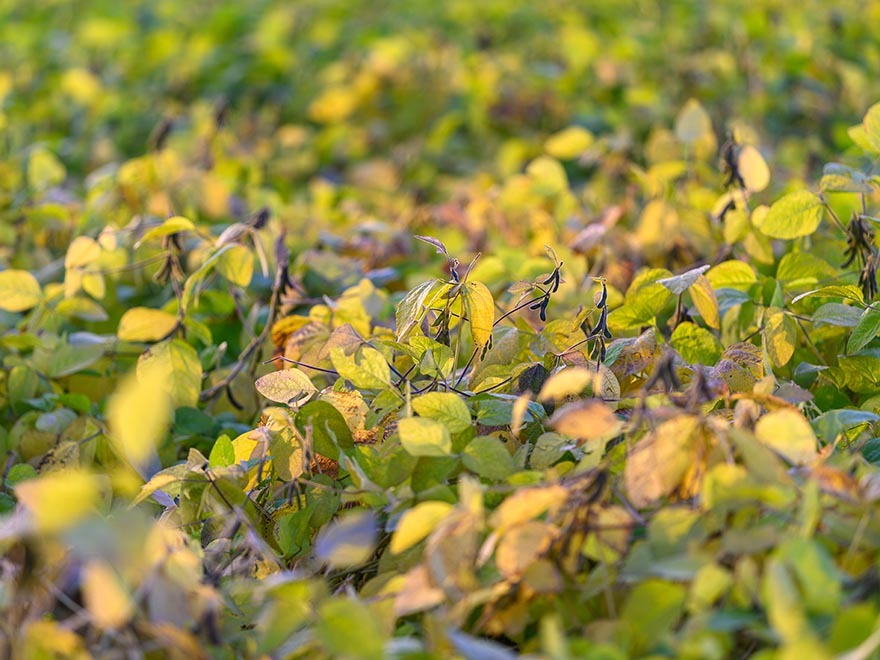
Yellowing Leaves (Chlorosis)
Yellow leaves are one of the most common stress signals. They may look alike, but the reasons behind them are very different.
Possible Causes
• Overwatering or poor drainage. roots suffocate when soaked
• Underwatering. dry soil blocks nutrient movement
• Nutrient deficiency. lacking nitrogen, magnesium, or iron
• Root rot or fungal infection
• Pests pulling sap from leaves (aphids, whiteflies, mites)
Yellow leaves can also appear when plants are stressed by earlier seed starting problems, such as weak roots or compacted soil.
Next Steps
• Check soil moisture with your finger or a moisture meter
• Examine roots if you grow the plant in a pot
• Feed with a balanced liquid fertilizer if deficiency is likely
• Look under the leaves for insects and compare symptoms using garden pests identification techniques
Correcting the underlying issue quickly often prevents spreading.
Spots or Rings on Leaves
Dark spots, circular rings, or irregular patches usually point to bacterial or fungal diseases.
Possible Causes
• Leaf spot diseases (fungal or bacterial)
• Septoria (common in tomatoes). tiny dark spots that merge
• Rust or anthracnose. orange or brown speckles
Spotting is often confused with damage from common garden pests, but diseases usually create more defined patterns.
Next Steps
• Remove all affected leaves to stop the spread
• Improve airflow by spacing plants properly
• Water at the base, not over the leaves
• Apply copper or sulfur-based fungicides if the problem continues
• For organic gardeners, pair fungicide use with organic pest control practices
Black or Soft Stems
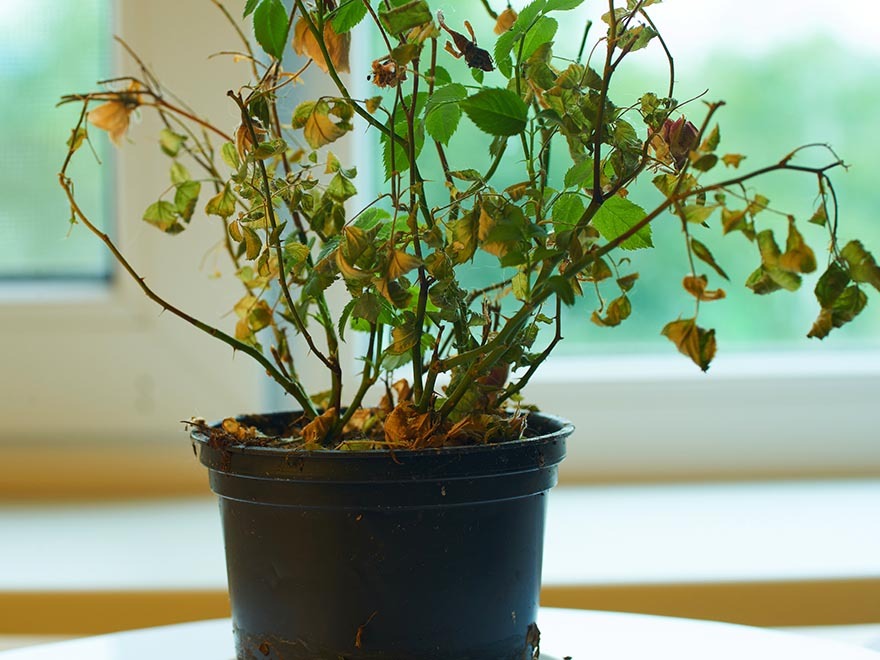
Soft, dark, or collapsing stems signal stem rot. This condition develops fast and often follows prolonged moisture.
Likely Cause
• Bacterial or fungal infection triggered by poor drainage
• Damage that allowed pathogens in
• Overwatering and lack of airflow
Next Steps
• Remove all infected stems immediately
• Improve soil drainage and let it dry slightly between waterings
• Disinfect pruning tools to stop contamination
• Keep leaves dry whenever possible
Stem rot spreads quickly. A fast response can save the plant.
Powdery White Coating (Powdery Mildew)
Powdery mildew affects many ornamental and edible plants. It appears as a thin, dusty white film on leaves and stems.
Conditions
• Warm days, cool nights
• High humidity and poor ventilation
• Dense plant spacing
Control
• Spray with a homemade mix: 1 tablespoon baking soda + 1/2 teaspoon liquid soap per quart of water
• Prune lower leaves to increase airflow
• If needed, use neem oil or potassium bicarbonate
• Prevent future outbreaks by monitoring symptoms in a garden planner app
Gray Mold (Botrytis)
Gray, fuzzy mold often shows up after several days of damp or rainy weather. Flowers, buds, and stems are the first to show signs.
Control
• Remove infected parts at once
• Keep foliage dry
• Improve circulation by thinning dense growth
• Avoid overhead watering
Botrytis can be mistaken for damage caused by common garden pests, but its fuzzy texture makes it easy to identify once you know what to look for.
Root Rot
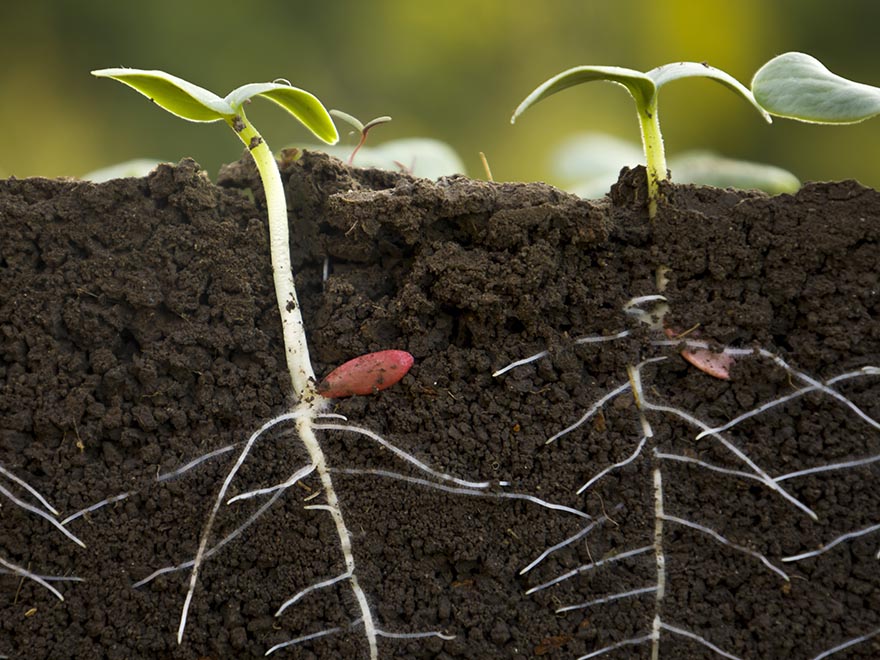
Root rot is one of the most serious plant diseases because it begins out of sight. By the time leaves show distress, roots are already damaged.
Caused by
• Overwatering
• Soil that stays wet too long
• Fungal pathogens thriving in saturated environments
Signs
• Yellowing, wilting leaves
• Slow growth
• Mushy, black, or foul-smelling roots
Action
• Remove the plant from its pot and inspect roots
• Trim away all soft, dark, or slimy roots
• Repot in fresh, dry, well-draining soil
• Consider a biological fungicide such as Trichoderma to support recovery
Root rot is common in seedlings that experienced earlier seed starting problems, such as soggy soil or compacted mixes.
Step 2. Rule Out Non-Disease Issues
Many “disease-like” symptoms come from environmental stress, not pathogens.
Here are common look-alikes:
To avoid misdiagnosis, compare symptoms using garden pests identification resources and evaluate environmental conditions first.
Step 3. Use the “Is It Spreading?” Test
This simple test helps distinguish between natural aging, nutrient issues, and true disease.
• If only one or two leaves turn yellow and stop: normal aging
• If yellowing spreads upward or outward: nutrient deficiency or root issue
• If damage jumps from one plant to others: contagious disease or common garden pests involvement
Pattern and progression matter more than the symptom itself.
Prevention Is Key
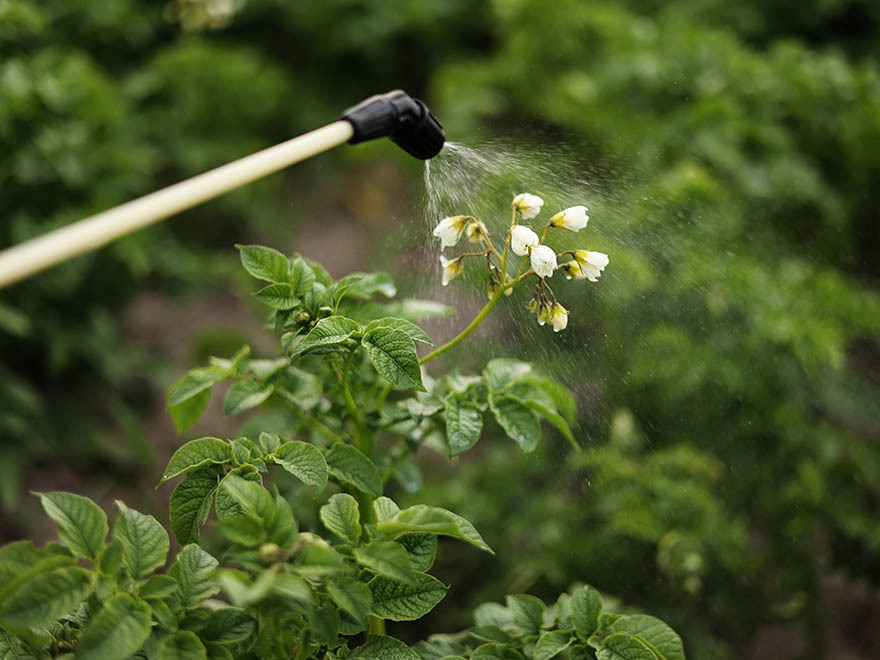
Healthy plants resist stress better, recover faster, and avoid infections.
Best Prevention Practices
• Use clean tools, pots, and trays
• Avoid overwatering. the number one cause of disease in houseplants
• Water at the base, not on foliage
• Rotate crops each season
• Quarantine new plants for a week before placing them near others
• Monitor seedlings to reduce future seed starting problems
• Check your plants daily. early symmetry changes are easier to fix
Many gardeners now rely on the structure of a garden planner app to stay on schedule with watering, feeding, spacing, and disease prevention tasks. If you enjoy exploring tools, comparing a best gardening app list can also help you find what matches your style.
If you want a simpler way to track symptoms and prevent disease before it spreads, easyDacha can guide you step by step. The app helps identify issues with garden pests identification, highlights early warning signs, suggests gentle organic pest control solutions, and reminds you when to take action.
Download easyDacha to keep your garden healthier and your plants thriving all season.