
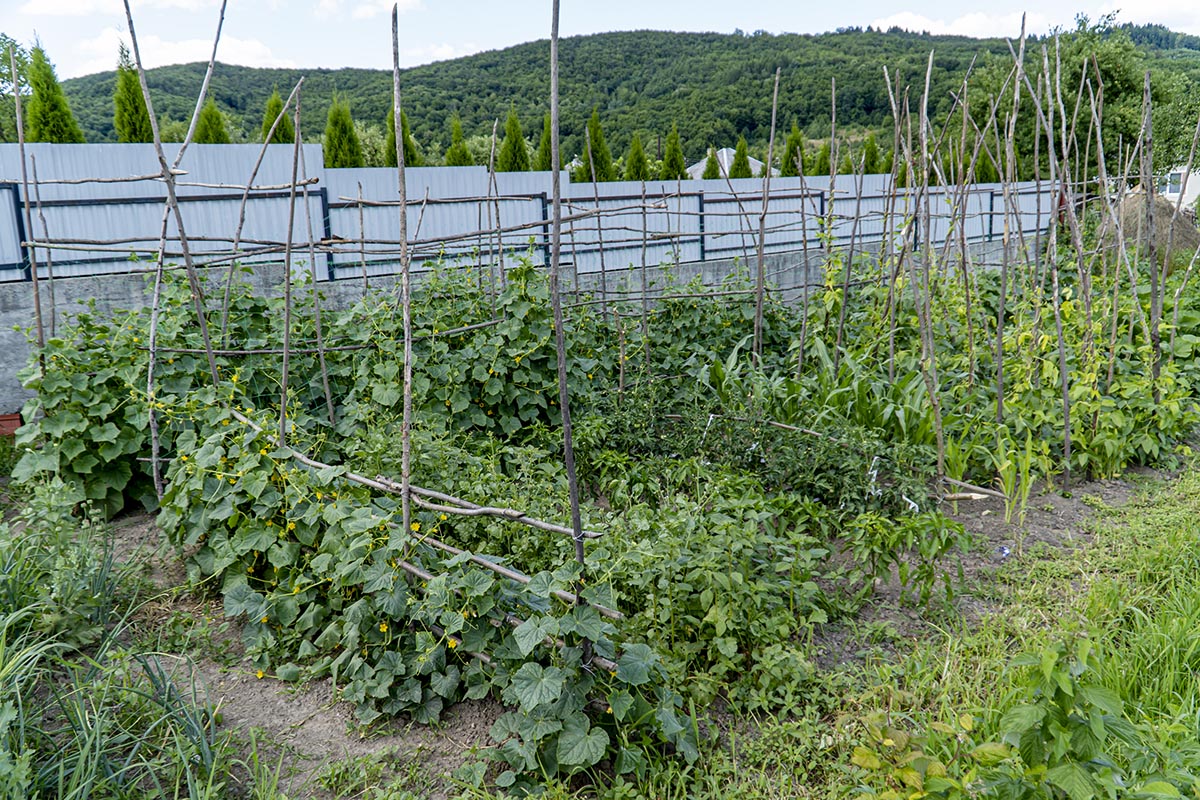
If you are just starting your vegetable garden, you might think it is best to plant everything in neat, separate rows. However, the secret to growing more food with less effort is simple: give your plants the right neighbors and move them to a new spot each year. These two methods—companion planting and crop rotation—help keep your soil healthy and keep pests away naturally.
1. Growing Friends Together (Companion Planting and Intercropping)
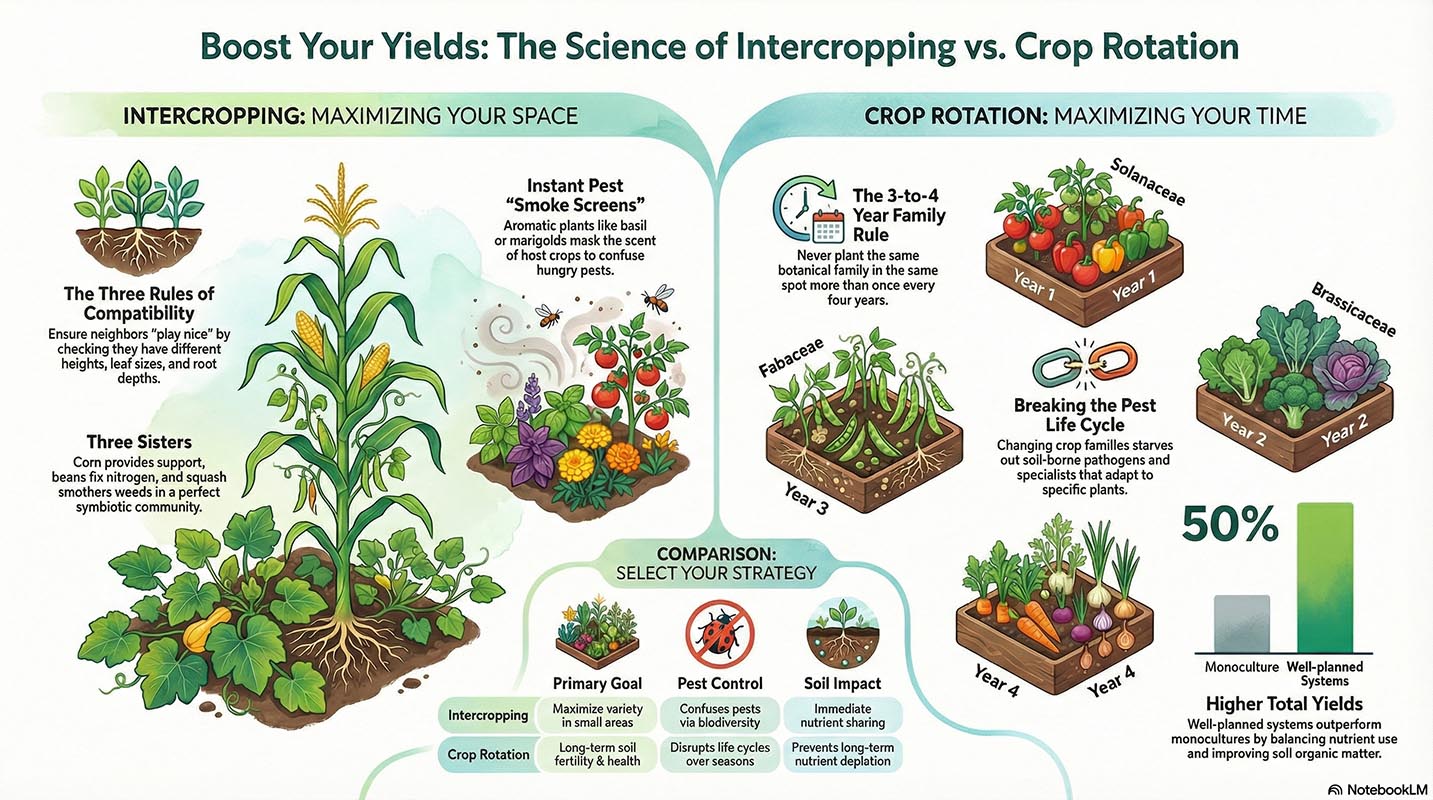
Think of intercropping as building a small community where plants help each other. Instead of separate sections, you mix different plants in one raised garden bed to maximize garden space, improve soil health, and protect your harvest naturally. This organic gardening technique is perfect for small gardens and gardening for beginners.
Best Friends (Plant These Together):
Tomatoes and Basil: Basil improves the flavor of tomatoes and keeps away flies and mosquitoes. This classic tomato companion planting pairing also helps with natural pest control.
Carrots and Onions: The smell of onions confuses the carrot fly, while carrots help break up the soil for onions.
Corn, Beans, and Squash: This "Three Sisters garden" team shares space perfectly and feeds the soil. This traditional companion planting method is one of the best vegetable garden layout examples for sustainable gardening.
Bad Neighbors (Keep These Apart):
Onions and Beans: Onions can actually stop beans from growing properly.
Tomatoes and Potatoes: They both get the same diseases, so if one gets sick, the other will too.
Cabbage and Strawberries: Cabbage can stunt the growth of strawberry plants.
"Watch Closely" Pairs (Okay, but be careful):
Tomatoes and Corn: Both love the same nutrients and attract the same worms. You can plant them together, but watch for pests daily.
Potatoes and Sunflowers: Sunflowers provide shade, but they can also compete heavily for water. Keep an eye on the soil moisture.
Lettuce and Broccoli: Broccoli grows very fast and might accidentally smother your lettuce. Just make sure the lettuce still gets enough light.
2. Moving Plants Each Year (Crop Rotation for Vegetable Gardens)
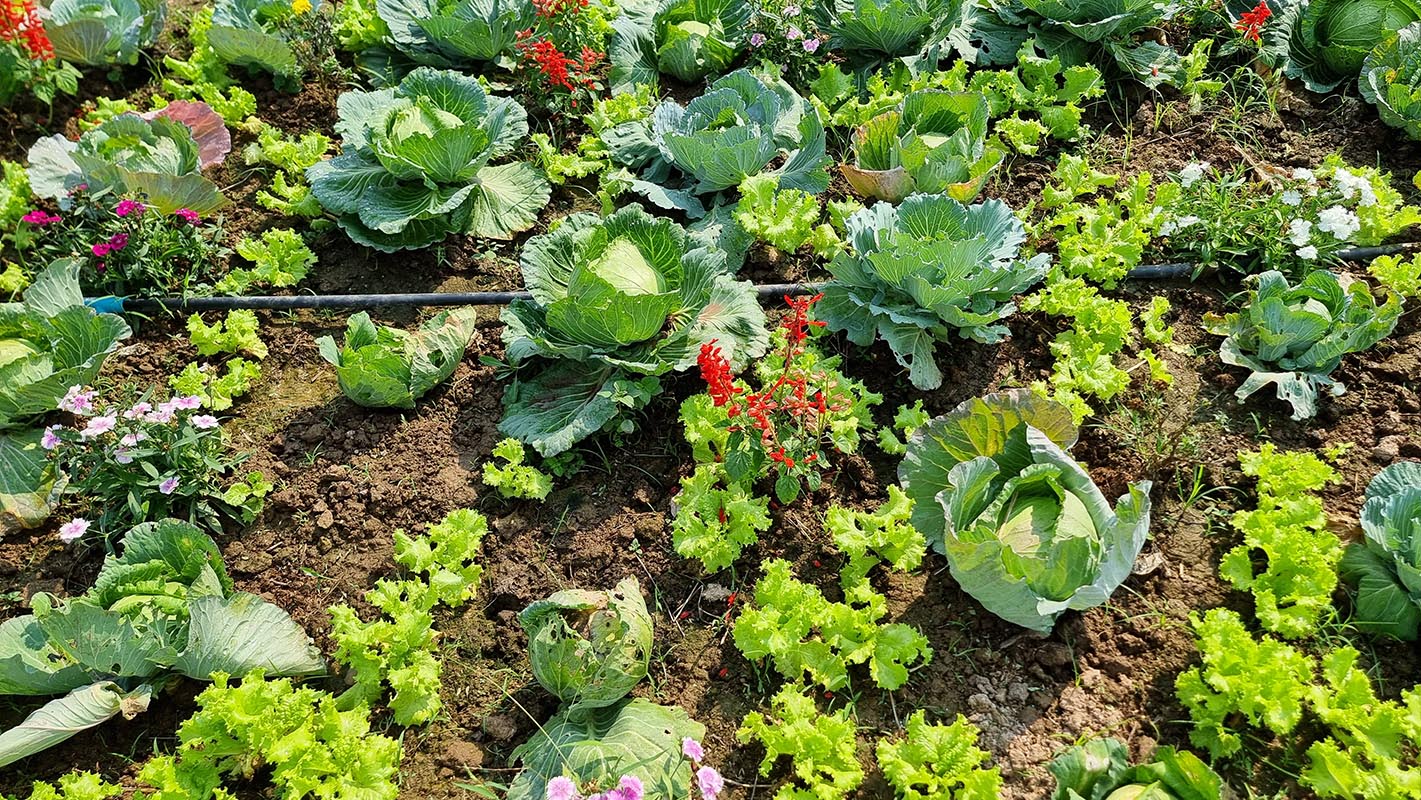
Crop rotation is about where plants move next season. If you plant the same thing in the same spot every year, the soil gets "tired" and pests move in. Understanding plant families is key to successful crop rotation and maintaining healthy soil.
A Simple 3-Year Crop Rotation Plan:
Year 1: Plant "heavy feeders" like tomatoes or corn.
Year 2: Plant nitrogen-fixing plants like beans or peas to put energy back into the soil.
Year 3: Plant root veggies like carrots that like the leftover nutrients as "light feeders."
3. Tips for Small Gardens and Raised Beds
If you only have one or two raised beds, you can still keep your soil rich with these home gardening strategies. You do not need a huge farm to see great results in your vegetable garden planning.
Mini-Rotations: Mix different plant families within the same bed instead of moving entire sections.
Cover Crops: Plant clover in the autumn and dig it into the dirt later for a vitamin boost.
Soil Care: Add a little compost each year and avoid heavy digging to keep the soil alive.
How easyDacha Helps Your Garden Planning
The hardest part of organic gardening is often remembering what you planted and where. The easyDacha app does the thinking for you by keeping track of your garden's history. When next spring comes, the app tells you exactly where to put your new seeds based on what grew there before. This makes it easy to follow a healthy crop rotation and ensures your soil stays rich without you needing to keep a messy notebook. Start small, experiment, and enjoy watching your vegetable garden thrive!
Download easyDacha to keep your garden protected with less guessing.