
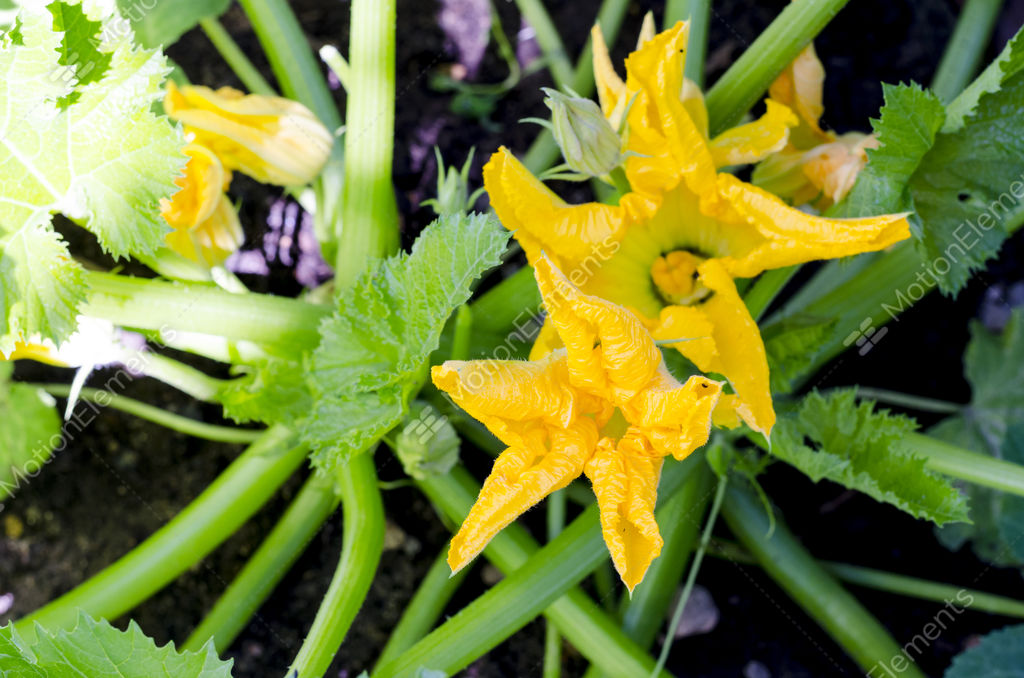
When your vegetables enter the flowering stage, they need specific nutrients to set fruit and stay productive. This guide explains how to fertilize flowering vegetables using one simple base mix and easy adjustments for tomatoes, cucumbers, basil, carrots, lettuce, and more.
If your fertilizer isn't working well, check your soil pH. It affects how plants absorb nutrients.
If your fertilizer isn't working well, check your soil pH. It affects how plants absorb nutrients.
Why Fertilizing at the Flowering Stage Matters
During the bloom phase, vegetables use more phosphorus and potassium, the nutrients responsible for strong flowers, fruit set, and healthy root development. Too much nitrogen at this stage leads to weak stems, excess leafy growth, and fewer fruits. A balanced flowering fertilizer keeps plants productive and prevents these issues.
If your tomatoes are flowering, cucumbers are climbing, and basil is getting fragrant, it’s the ideal moment to start a flowering fertilizer schedule. Below you’ll find simple “fertilizer cocktails” using teaspoons and tablespoons per gallon of water — easy for any home gardener.
Group 1: Fruiting & Flowering Vegetables (Tomatoes, Peppers, Basil, Cucumbers, Zucchini, Melons)
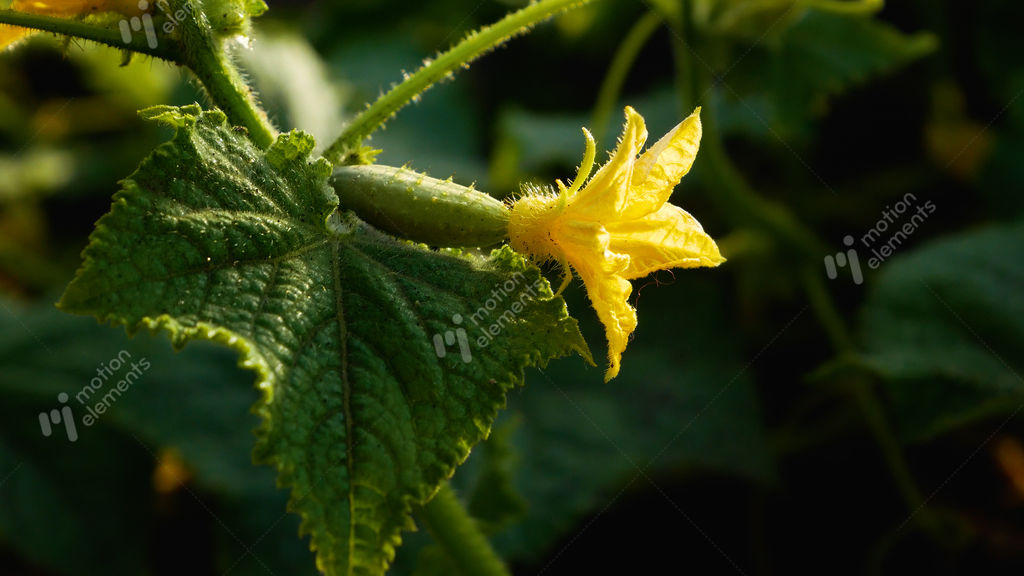
These heavy-feeding fruiting vegetables need higher phosphorus and potassium during bloom to support strong flowers, reliable fruit set, and rich flavor. Basil also benefits from this mix, especially for boosting essential oil production.
Bloom & Fruit Booster Mix (per 1 gallon of water):
- Monopotassium Phosphate (KH₂PO₄) – ½ tsp
- Dr. Earth 4-6-3 Organic Fertilizer – 1 tbsp
- TPS Microbes (Mycorrhizae + Bacillus) – ½ tsp
- Citric Acid – a pinch (to lower pH slightly to ~6.2)
- Boron – ⅛ tsp (once every 10 days)
- Diluted Urine – 1 tsp (every 2 weeks only)
Use this bloom booster fertilizer every 7–10 days to support tomatoes, peppers, cucumbers, zucchini, melons, and fragrant herbs like basil.
Note: Basil prefers moderate feeding. Avoid overusing nitrogen sources such as diluted urine in shared beds to prevent excessive leafy growth.
Group 2: Root Vegetables (Carrots, Beets, Onions)
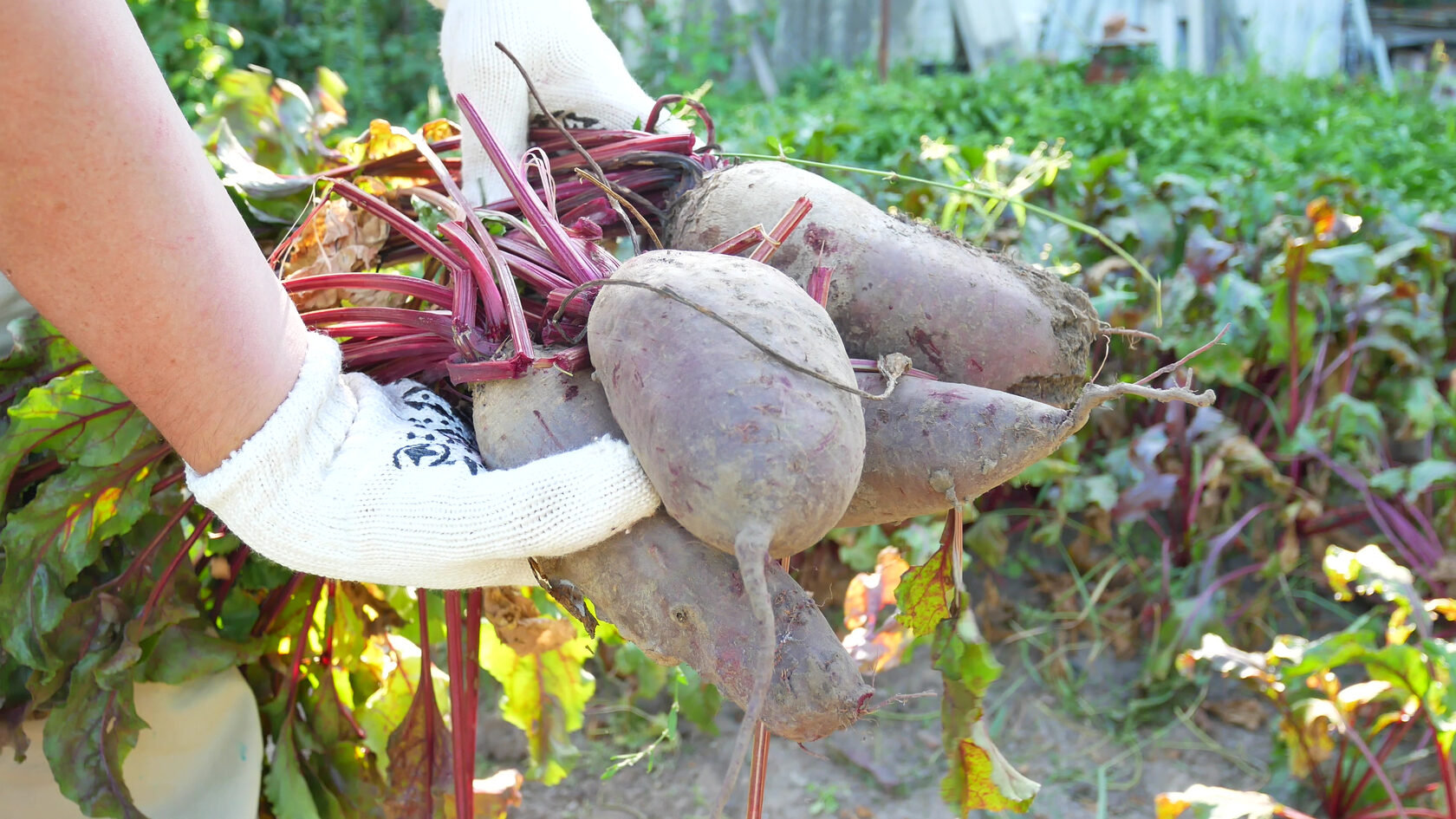
Root vegetables need a softer fertilizer approach. They prefer light phosphorus and potassium, steady microbial support, and very low nitrogen, which helps produce better-shaped, sweeter roots.
Root Development Fertilizer Mix (per 1 gallon of water):
- Monopotassium Phosphate – ¼ tsp
- Dr. Earth Fertilizer – ½ tbsp
- TPS Microbes – ½ tsp
- Citric Acid – a pinch
- ❌ No Urine! (Excess nitrogen reduces root quality)
Use this root development fertilizer every 10–14 days to support carrots, beets, onions.
Group 3: Leafy Greens & Legumes (Lettuce, Peas)
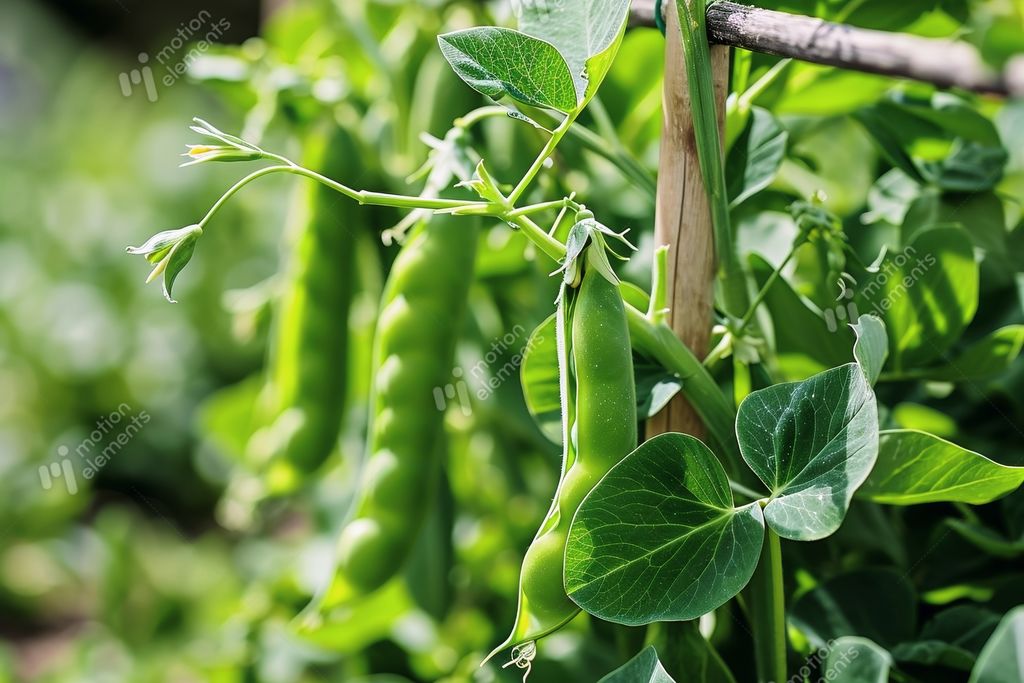
Leafy greens and tender legumes grow best with gentle organic feeding, steady microbial protection, and minimal potassium and nitrogen. This keeps leaves tender and prevents bitterness.
Gentle Green Growth Mix (per 1 gallon water):
- Dr. Earth Fertilizer – 1 tbsp
- TPS Microbes – ½ tsp
- Citric Acid – a pinch
- ❌ No monopotassium phosphate or urine
Use this gentle green growth fertilizer every 10–14 days to support lettuce and peas.
Rain and Feeding Tips
If your soil is already moist and only light rain is expected, it’s a good moment to fertilize — nutrients will absorb efficiently. But if heavy rain is coming, wait to avoid nutrient washout. This helps maintain a consistent vegetable garden feeding schedule.
The easyDacha gardening app helps you understand exactly what your plants need. It analyzes your garden space, sunlight, watering pattern, and soil conditions, then creates step-by-step, climate-based gardening tasks, including feeding reminders for flowering vegetables.
🌱 Download the app to get access and make your gardening experience smoother and more productive.
More Vegetable Fertilization Guides: pH, Peppers & Celery
• Soil Acidity: What It Is and How to Change It — pH heavily influences fertilizer effectiveness.
• The Simple Way to Grow Peppers: From Seed to Harvest — peppers are heavy feeders and tie into flowering nutrition.
• The Best Way to Grow ‘Tall Utah’ Celery — a plant that reacts strongly to nutrient balance and moisture.
• The Simple Way to Grow Peppers: From Seed to Harvest — peppers are heavy feeders and tie into flowering nutrition.
• The Best Way to Grow ‘Tall Utah’ Celery — a plant that reacts strongly to nutrient balance and moisture.