
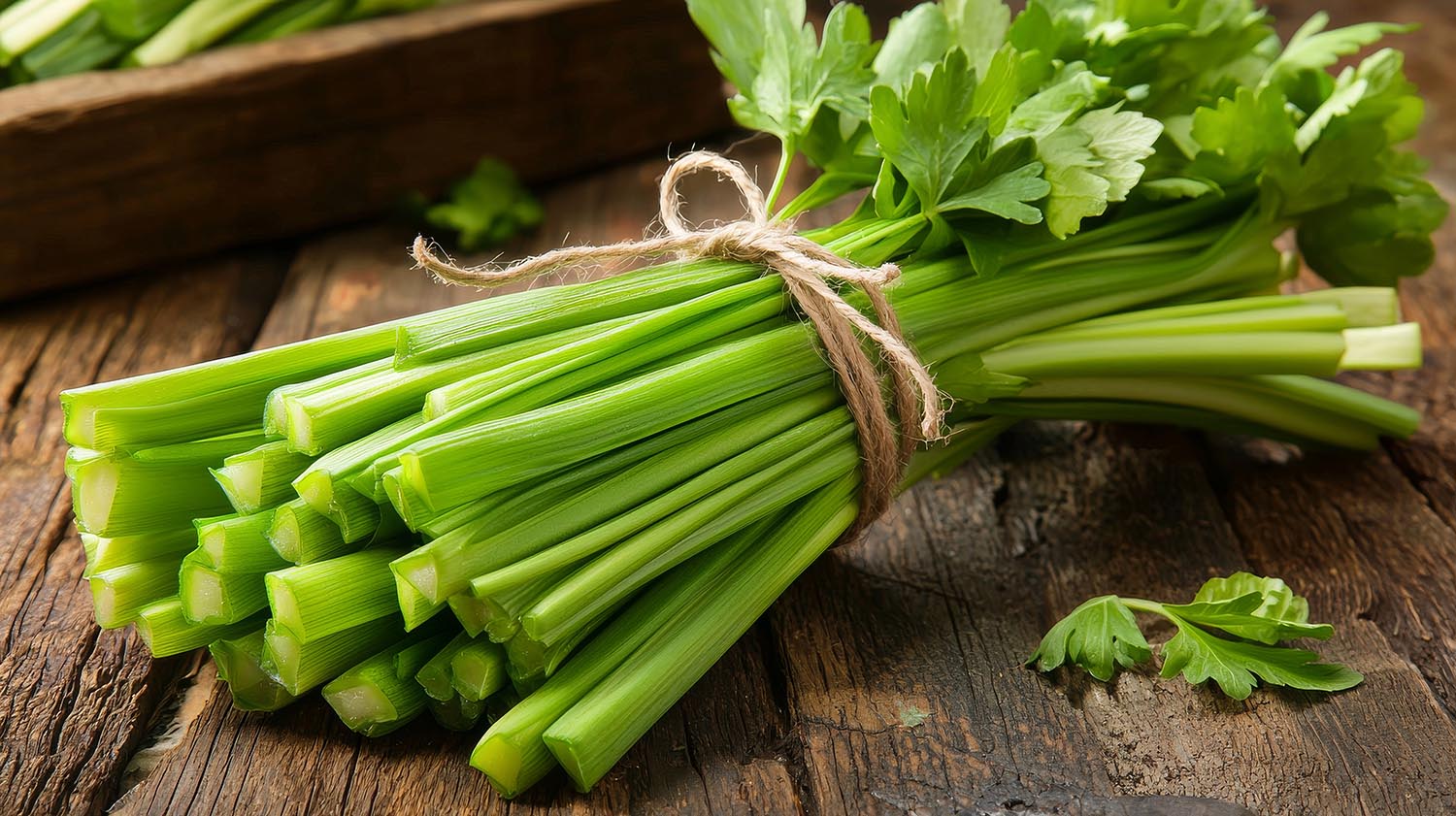
Celery is a slow-growing plant that needs a lot of care and a long growing season (100-120 days!). If you want crispy, flavorful stalks, starting with seedlings is the best way. Here’s a simple, step-by-step guide to growing ‘Tall Utah’ celery successfully.
What you need
- 'Tall Utah' celery seeds
- Nutrient-rich, well-draining soil
- Crushed eggshells (for calcium)
- Seed trays or small containers
- Spray bottle for watering
- Clear plastic cover or wrap (for humidity)
- Grow lights (if natural light is limited)
Step 1: When to start?
- Start seeds indoors in February – early March (about 10-12 weeks before transplanting outside).
- Move seedlings to the garden in May, when temperatures stay above 12-15°C (54-59°F).
Step 2: Preparing celery seeds for better germination
Celery seeds take a long time to sprout because they are covered in natural oils that slow germination. To speed things up:
- Soak the seeds in warm water (30-40°C / 86-104°F) for 12-24 hours.
- Optional: Soak in a weak solution of seaweed extract or growth stimulant (like 1 crushed aspirin tablet per 1 liter of water) for 2-3 hours.
- Dry the seeds until they are no longer sticky before planting.
📌 Why soak the seeds?
The natural coating on celery seeds slows down germination. Soaking helps remove this barrier and makes them sprout faster!
The natural coating on celery seeds slows down germination. Soaking helps remove this barrier and makes them sprout faster!
Step 3: Preparing the soil for healthy seedlings
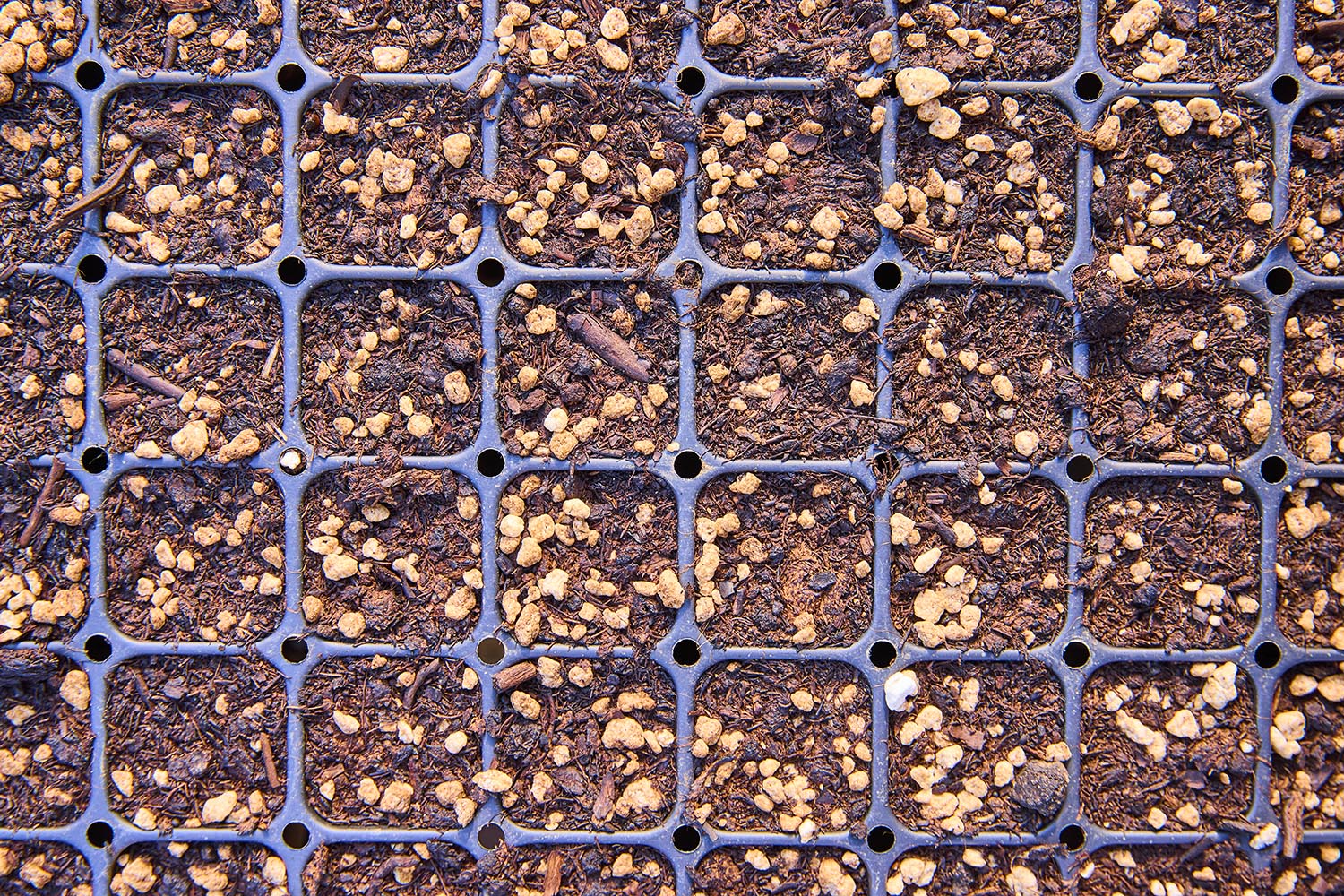
Celery loves rich, loose, and well-draining soil. The best mix is:
2 parts coconut coir or garden soil
1 part compost or aged manure
1 part sand or perlite (for better drainage)
1 teaspoon crushed eggshells per 1 liter of soil (for calcium)
1 part compost or aged manure
1 part sand or perlite (for better drainage)
1 teaspoon crushed eggshells per 1 liter of soil (for calcium)
📌 Why add eggshells?
Celery is a heavy feeder that needs calcium to grow strong, non-hollow stalks. Crushed eggshells provide a slow-release source of calcium, which helps prevent stunted growth and weak stems.
Celery is a heavy feeder that needs calcium to grow strong, non-hollow stalks. Crushed eggshells provide a slow-release source of calcium, which helps prevent stunted growth and weak stems.
⚠ Avoid acidic soil! Celery doesn’t grow well in soil with a pH below 6.0.
Step 4: Sowing the seeds
Celery seeds need light to germinate, so don’t bury them!
📌 How to plant:
Depth: Just press the seeds gently into the soil (about 0.3-0.5 cm deep).
Spacing: 1 cm between seeds, 3-4 cm between rows.
Covering: DO NOT cover with soil – they need light to sprout.
Moisture: Mist with a spray bottle.
Humidity: Cover with plastic wrap or a lid to keep moisture in.
Depth: Just press the seeds gently into the soil (about 0.3-0.5 cm deep).
Spacing: 1 cm between seeds, 3-4 cm between rows.
Covering: DO NOT cover with soil – they need light to sprout.
Moisture: Mist with a spray bottle.
Humidity: Cover with plastic wrap or a lid to keep moisture in.
Step 5: Caring for seedlings
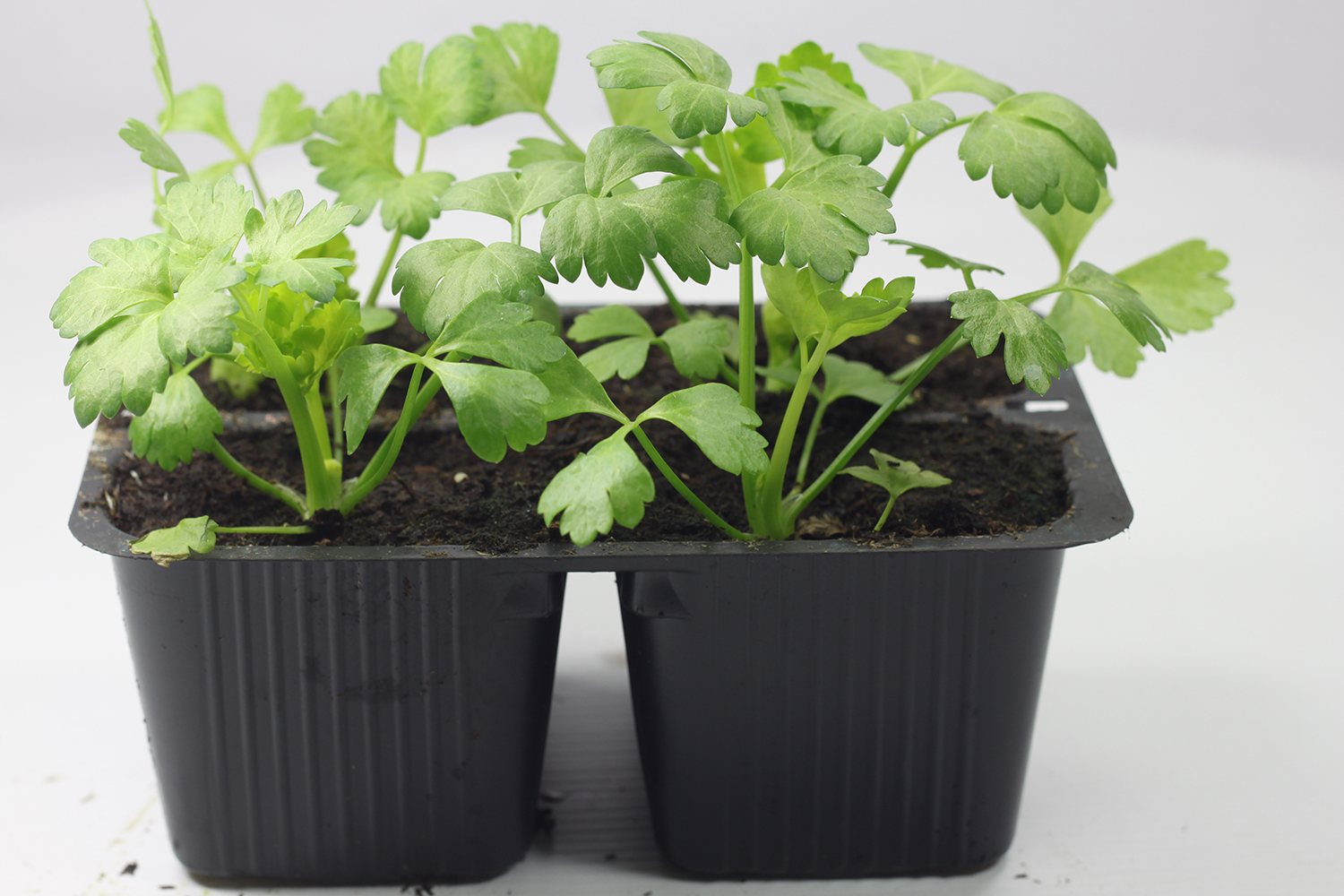
Celery takes 10-20 days to germinate. Be patient!
Before sprouts appear:
- Keep temperature at 22-25°C (72-77°F).
- Keep soil evenly moist (but not soggy).
After sprouts appear:
- Remove the plastic cover.
- Move seedlings to a cooler place (16-18°C / 60-65°F) to prevent them from growing too tall and weak.
- Provide 12-14 hours of light daily (use grow lights if needed).
Step 6: Transplanting seedlings (thinning & potting up)
Once seedlings have 2-3 true leaves, they need more space!
What to do:
- Thin out the weaker plants (keep the strongest ones).
- Move to individual 100-150 ml pots.
- Bury up to the first set of leaves when transplanting.
- After 10 days, feed with a mild organic fertilizer (compost tea or wood ash solution).
Step 7: Transplanting to the garden
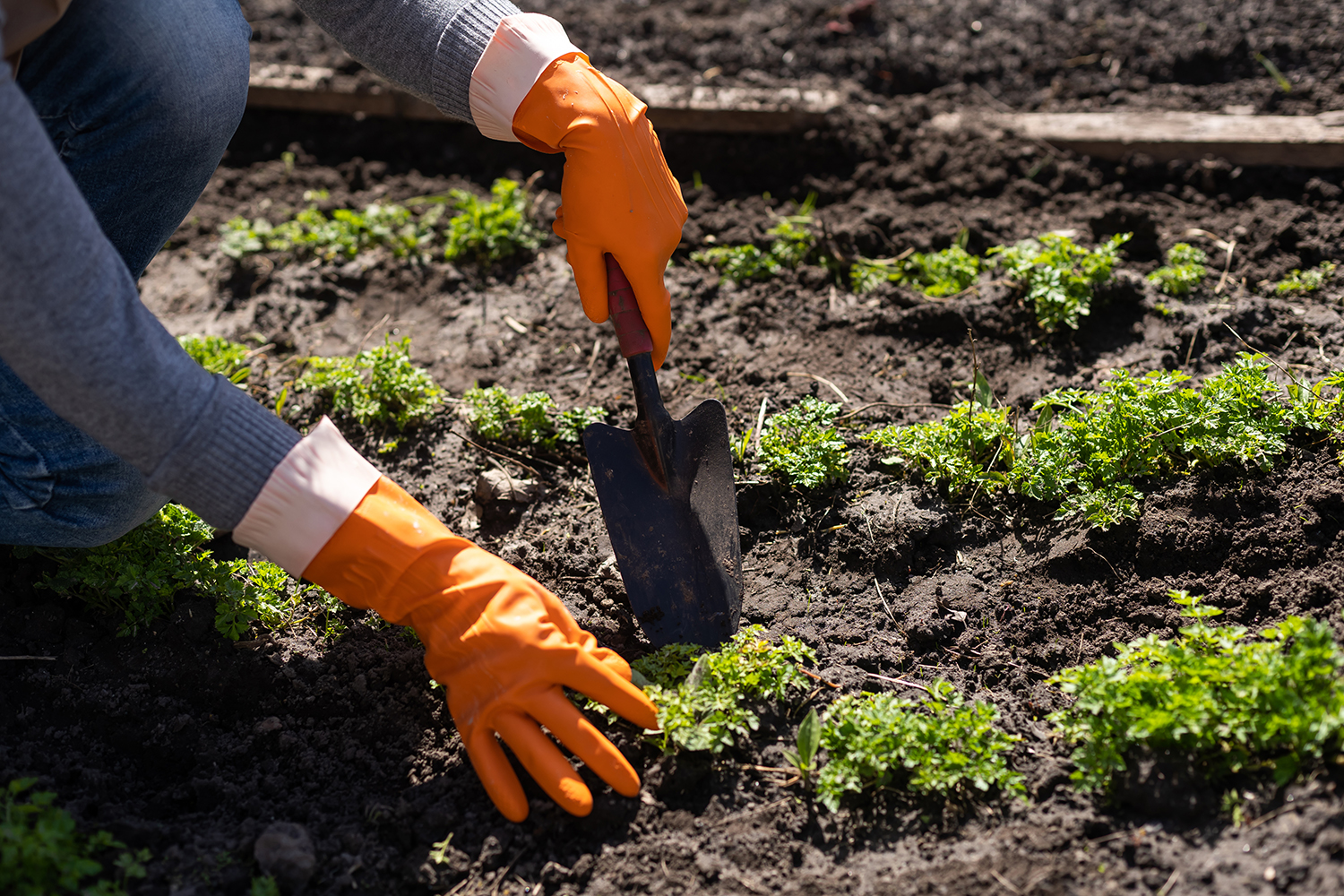
When seedlings are 8-10 weeks old and have 4-5 strong leaves, they are ready for the garden.
How to transplant:
- Timing: Move them when nighttime temperatures stay above 12°C (54°F).
- Spacing: 25-30 cm between plants.
- Best location: Partial shade or full sun, in moist, fertile soil.
- Soil prep: Before transplanting, mix crushed eggshells into the garden soil for extra calcium.
- Watering: Celery needs a lot of water, so don’t let the soil dry out.
Step 8: Harvesting your celery
- Celery is ready in 100-120 days after planting.
- Harvest by cutting outer stalks first (this encourages more growth).
- For tender, pale stalks, tie them loosely with soft cloth 2-3 weeks before harvest.
Pro tip: Growing celery in egg cartons
If you have limited space, start celery in egg cartons!
How it works:
- Use paper cartons (they decompose in the soil).
- Fill each section with loose potting mix + crushed eggshells.
- Plant 3-4 seeds per cell and keep moist.
- Transplant directly into the soil when seedlings are ready
Essential Supplies for Growing ‘Tall Utah’ Celery
It simplifies the process by analyzing your space and suggesting crops that will thrive based on factors like sunlight, water availability, and ground type. It even provides step-by-step to-do lists tailored to your location and climate, ensuring you never miss a critical gardening task.
🌱 Download the App to make your gardening journey smoother, more productive, and more enjoyable!
Happy gardening! 😊