
Maintaining a vegetable garden takes time, attention, and a bit of resilience. You water regularly, check leaves, remove weeds, and watch your plants grow. Then, seemingly overnight, something changes. A few tiny holes appear on a leaf. Sticky residue clings to the stem. Small insects hide under the foliage. When this happens, many gardeners immediately think they need synthetic sprays. But in most cases, you can solve early pest problems with safe, simple, and effective homemade organic pesticide recipes made from ingredients already in your kitchen.
These natural tools are great for soft-bodied pests like aphids, mites, mealybugs, and whiteflies. They can also help deter chewing insects and protect tender plants during vulnerable stages. And the best part. they are gentle on your vegetables, safe for children and pets, and much kinder to beneficial insects like bees and ladybugs.
If you want a gentler way to protect your vegetables without reaching for chemicals first, the easyDacha garden planner app can support you through the whole process. It guides you through timing, dosage, and safety so you can practice organic pest control confidently. And if you prefer a seasonal schedule, easyDacha builds one for you automatically.
Try it to keep your garden healthier with less worry.
Try it to keep your garden healthier with less worry.
Below is a complete guide to understanding why these solutions work, what each one does, and how to prepare them properly. Think of this as a calm, hands-on walk through your own garden—learning step by step how to practice natural pest control without stress.
Why Choose Homemade Organic Pesticides?

Before we dive into recipes, let’s talk about why organic pest control matters and what makes these approaches so valuable for vegetable gardeners.
1. Safe for food crops
You’re growing food for your family. Using a homemade organic pesticide means you won’t have chemical residues on your tomatoes, cucumbers, lettuce, or herbs. Everything stays clean and safe.
2. Kinder to beneficial insects
Most garden problems come from a few common garden pests, not from ladybugs, bees, hoverflies, or lacewings—the insects that actually help you. Homemade sprays target soft-bodied pests directly, without harming pollinators when applied correctly.
3. Cheap and accessible
You don’t need to drive anywhere or buy special equipment. Soap, oil, garlic, pepper—these are items most households already have.
4. Customizable for different pests
Because different pests respond to different treatments, these recipes allow you to tailor your pest control garden approach based on what you see.
5. Works best as early intervention
These solutions are most effective when you spot pests early using simple garden pests identification techniques. You don’t need to wait for an infestation to grow.
1. Soap Spray (Insecticidal Soap)
A soap spray is often the first tool gardeners reach for, and for good reason. It’s simple, fast, and effective against many soft-bodied insects.
What it targets:
Aphids, whiteflies, spider mites, mealybugs, thrips
Why it works:
Soap breaks down the protective outer layer of soft-bodied insects. Once this coating dissolves, the insect dries out, which makes soap a gentle but highly effective natural pest control method.
Ingredients:
• 1 tablespoon pure liquid soap (not detergent)
• 1 quart water
• Optional: 1 teaspoon vegetable oil for sticking power
How to make:
Mix the ingredients in a clean spray bottle. Shake gently. You don’t want large soap bubbles—just a well-blended liquid.
How to use:
• Spray directly on pests, focusing on the undersides of leaves
• Reapply every 5–7 days if pests remain
• Apply early morning or evening to avoid sunburn
Important safety note:
Do not use soaps with fragrance, bleach, or heavy detergents—they can burn plants.
When used correctly, soap spray is one of the easiest forms of organic pest control and fits naturally into any pest control garden routine.
2. Garlic Spray
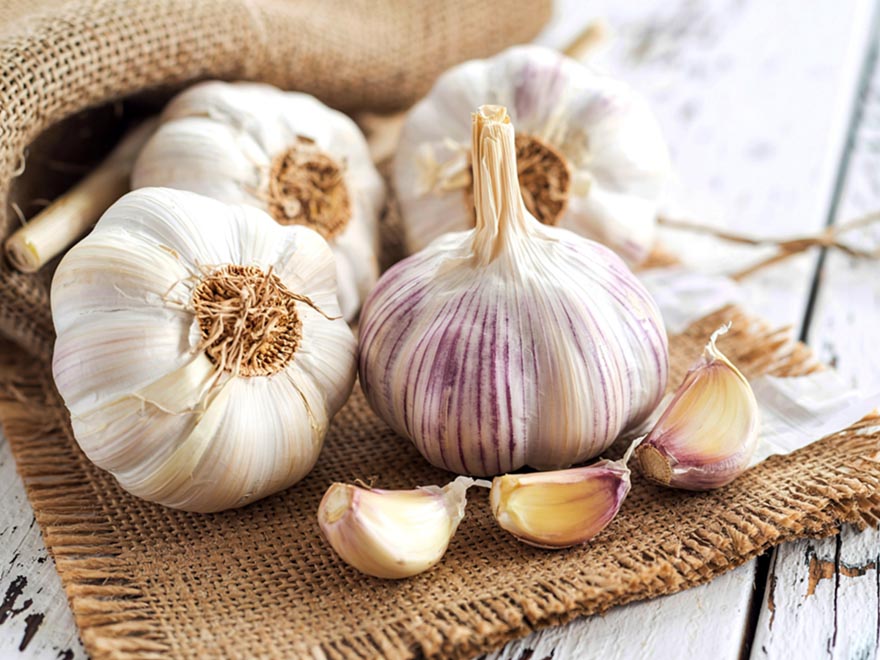
Garlic has been used for centuries as a natural insect repellent thanks to its sulfur compounds. When made into a spray, it forms a mild protective film that pests avoid.
Targets:
Aphids, caterpillars, whiteflies, ants, fungus gnats
Why it works:
Garlic releases compounds that repel pests without harming the plant. It’s not a harsh homemade organic pesticide, but rather a preventive shield.
Ingredients:
• 1 whole head of garlic (about 10 cloves)
• 1 quart water
• Optional: 1 teaspoon mineral oil or mild soap
How to make:
• Blend garlic with 1 cup of water
• Let it sit overnight
• Strain and add the remaining water
• Shake gently
How to use:
• Spray leaves, stems, and soil surface
• Apply every 5–10 days or after rain
• Best for prevention or mild infestations
Garlic spray is gentle enough for regular use and often catches problems early when paired with good garden pests identification habits.
Garlic Spray (DIY Organic Pest Repellent)
This spray works through irritation. Capsaicin, the compound that gives peppers their heat, discourages many chewing insects and even some mammals.
Targets:
Caterpillars, beetles, squirrels, rabbits, leaf-chewing insects
Why it works:
Capsaicin causes a strong reaction in pests, making them avoid treated surfaces. This makes pepper spray a strong natural pest control tool.
Ingredients:
• 2 tablespoons hot pepper flakes or 2 chopped hot peppers
• 1 quart water
• 1 teaspoon liquid soap
How to make:
• Boil water with pepper for 15 minutes
• Let cool
• Strain and add soap
• Label your bottle clearly
How to use:
• Spray around leaf edges and stems
• Wear gloves to avoid skin irritation
• Test a small area of the plant first
Some gardeners use pepper spray as part of a larger pest control garden strategy when multiple pests appear at once.
4. Oil Spray (Vegetable or Neem Oil)

Oil sprays work by coating pests and blocking their ability to breathe. They’re especially helpful when dealing with scale, mites, or stubborn aphids.
Targets:
Aphids, mites, scale, mealybugs, whiteflies
Why it works:
Oil suffocates pests. Neem oil goes further by disrupting insect hormone systems.
Ingredients — Vegetable Oil Version:
• 1 tablespoon (15 ml) vegetable or mineral oil
• 1 teaspoon (5 ml) soap
• 1 quart (1 L) water
Ingredients — Neem Oil Version:
• 1 tablespoon neem oil
• 1 teaspoon soap
• 1 quart warm water
How to use:
• Shake before each application
• Focus on infested areas rather than spraying entire plant
• Use weekly until pests disappear
• Avoid hot, sunny days
Oil sprays are powerful tools in organic pest control, especially for persistent infestations that don’t respond to mild methods.
Bonus: All-in-One Combo Spray
This blend combines garlic, pepper, soap, and oil—useful when multiple pests appear or when early signs are unclear.
Ingredients:
• 1 head garlic
• 1 teaspoon hot pepper flakes
• 1 tablespoon soap
• 1 tablespoon vegetable oil
• 1 quart water
How to use:
• Blend and steep for 24 hours
• Strain before spraying
• Use gloves
• Avoid flowers to protect bees
Gardeners who feel overwhelmed sometimes skip diagnosis. But using clear garden pests identification steps first helps ensure that this strong mix is applied only when necessary.
When & How to Spray Safely
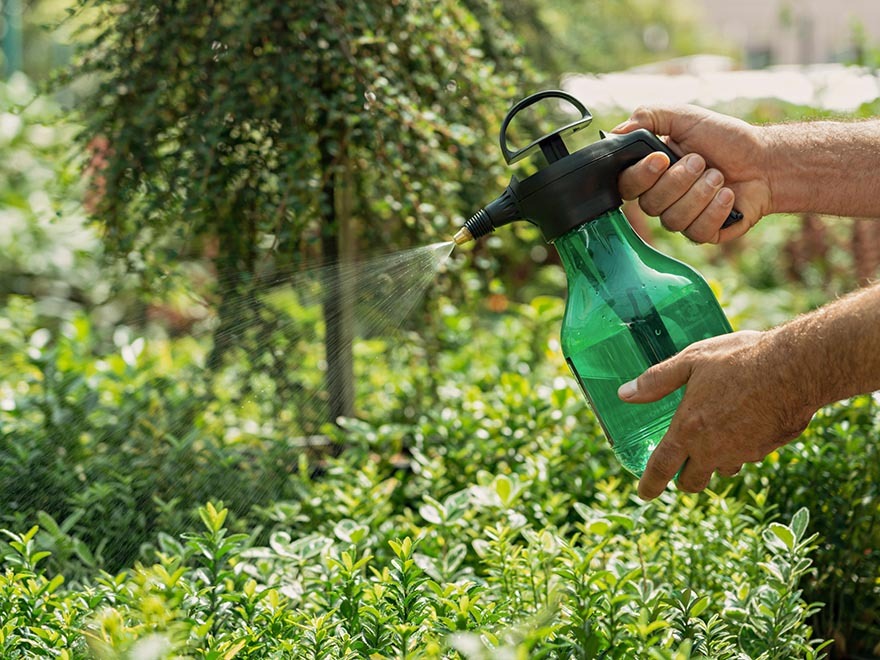
Even though these are homemade organic pesticide recipes, they still need proper handling.
General Safety Guidelines
• Spray early morning or evening
• Always test on 1–2 leaves first
• Avoid windy days
• Do not spray open blossoms (protect pollinators)
• Store mixes in the fridge up to 7 days
These habits help you maintain a thoughtful and balanced pest control garden approach.
What Homemade Sprays Don’t Work For
Even the best homemade organic pesticide recipes have limits. They are not effective against:
• Large beetle infestations
• Root pests like grubs
• Advanced fungal infections (except with baking soda blends)
These require stronger tools or alternative solutions. But early garden pests identification usually prevents problems from reaching that point.
If you want help choosing the right method at the right time, the easyDacha app can guide you step by step. It tracks symptoms, provides garden pests identification tips, and suggests whether to use soap, oil, garlic, pepper, or another homemade organic pesticide. It also offers timing reminders and gentle organic pest control strategies that fit your local climate. Try it through any best gardening app search or explore planning tools similar to a garden planner app to see how it supports your garden care.
Download easyDacha to keep your garden protected with less guessing.