

For the modern home gardener, the backyard is often a theater of frustration: a limited stage where phytophagous pests arrive uninvited and harvests feel disproportionately small compared to the labor invested. Many beginners fall into the trap of "machine-style" row gardening—a relic of large-scale agriculture that prioritizes tractor paths over plant biology.
The future of sustainable gardening is biointensive gardening. By moving away from rigid lines and toward diverse, high-density ecosystems in raised bed gardening, we can maximize space efficiency and eliminate the need for chemical intervention. Here are five science-backed secrets to transforming your plot into a high-yield vegetable garden.
1. Diversity is Your Garden's Natural Immune System (Companion Planting for Natural Pest Control)
Traditional monocultures—planting a single crop in an isolated row—create a beacon for pests. In a biointensive system, we use plant diversity through companion planting to create a complex habitat that supports beneficial predatory insects while confusing those that would do harm.
Aromatic herbs like basil, cilantro, and dill are tactical assets for organic gardening. These plants release volatile organic compounds (VOCs) that mask the olfactory cues pests use to locate their host vegetables. By intermingling these families in your small space garden, you effectively "blind" the pests using natural pest control methods.
A Critical Warning for the Specialist: While herbs are essential, some varieties like mint and tansy are aggressively invasive. To maintain the integrity of your soil aggregates and prevent a total bed takeover, always containerize these specific plants and place the pots near your vegetables rather than planting them directly in the ground.
"Because companion planting nurtures a balanced environment and keeps many invasive pest populations in check, we can avoid chemical pest control. If we can plant different crops near each other, we can help prevent pests naturally." — Jill McSheehy
Analysis: Shifting from "neat rows" to "diverse clusters" through intensive planting is the most impactful transition a beginner can make. Breaking up the visual and olfactory targets reduces nutrient depletion and allows the garden to function as a self-defending unit.
Boost Your Garden's Immunity with Companion Planting Diversity
It is a common gardener's reflex to uproot lettuce, onions, or broccoli the moment they "bolt" (begin to flower). In a smart sustainable garden, bolting is not a failure; it is a recruitment strategy.
When these vegetables flower, they attract mature beneficial insects. These adults lay eggs among your crops; once hatched, it is the larvae of these beneficals that do the heavy lifting, feasting on the pest populations that plague your vegetable garden.
To bolster this defense, integrate nasturtiums. Known as the "queen of pest control," nasturtiums act as a "trap crop," intentionally luring pests away from your primary harvest and onto their own sacrificial leaves.
3. Stop Planting in Rows and Start Planting in "Squares" (Square Foot Gardening and Intensive Area Planting)
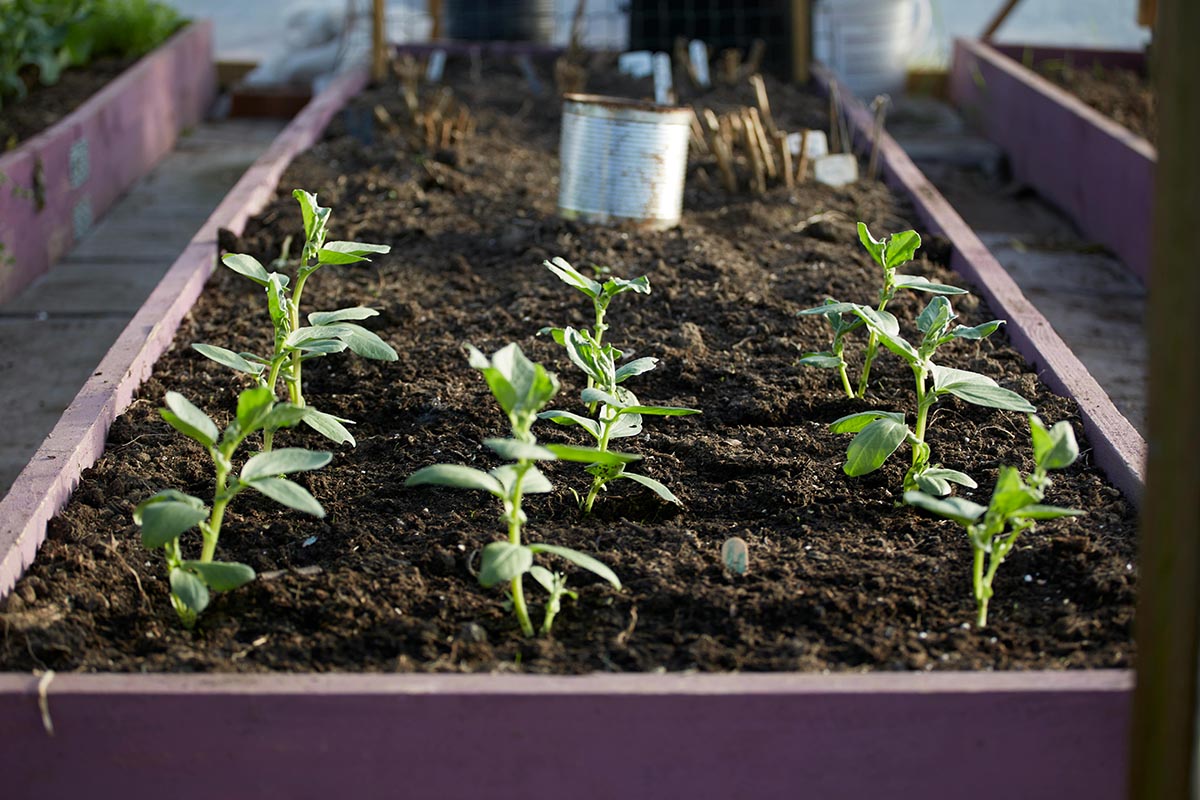
Traditional row gardening was designed for tractors, but in a raised bed, rows represent wasted real estate. By adopting intensive area planting (also known as square foot gardening), you can increase your yields by up to four times compared to conventional rows.
If you are using raised beds, you can effectively toss the "row spacing" instructions from your seed packets into the compost. Instead, focus on equidistant spacing—planting so that the leaf canopies will just touch at maturity. This creates a "living mulch" that suppresses weeds and prevents moisture loss, perfect for maximizing garden space.
The Math of Interplanting
When growing two different crops together (Interplanting), use the specialist's formula to determine perfect spacing:
(Spacing for Crop A + Spacing for Crop B) / 2
Example: If radishes (3") are next to beans (4"), plant them 3.5" apart.
Row Planting vs. Intensive Area Planting
FeatureTraditional Row PlantingIntensive Area Planting
Space Efficiency
Low (30% wasted on paths)
High (Maximum yield per sq. ft.)
Yield Potential
Standard
Up to 4x higher
Soil Health
High Compaction (walking paths)
Low Compaction (soil stays aerated)
Weeding Needs
Frequent (exposed soil)
Minimal (shaded by leaf canopy)
4. High-Yield Success is Vertical, Not Horizontal (Vertical Gardening Techniques)
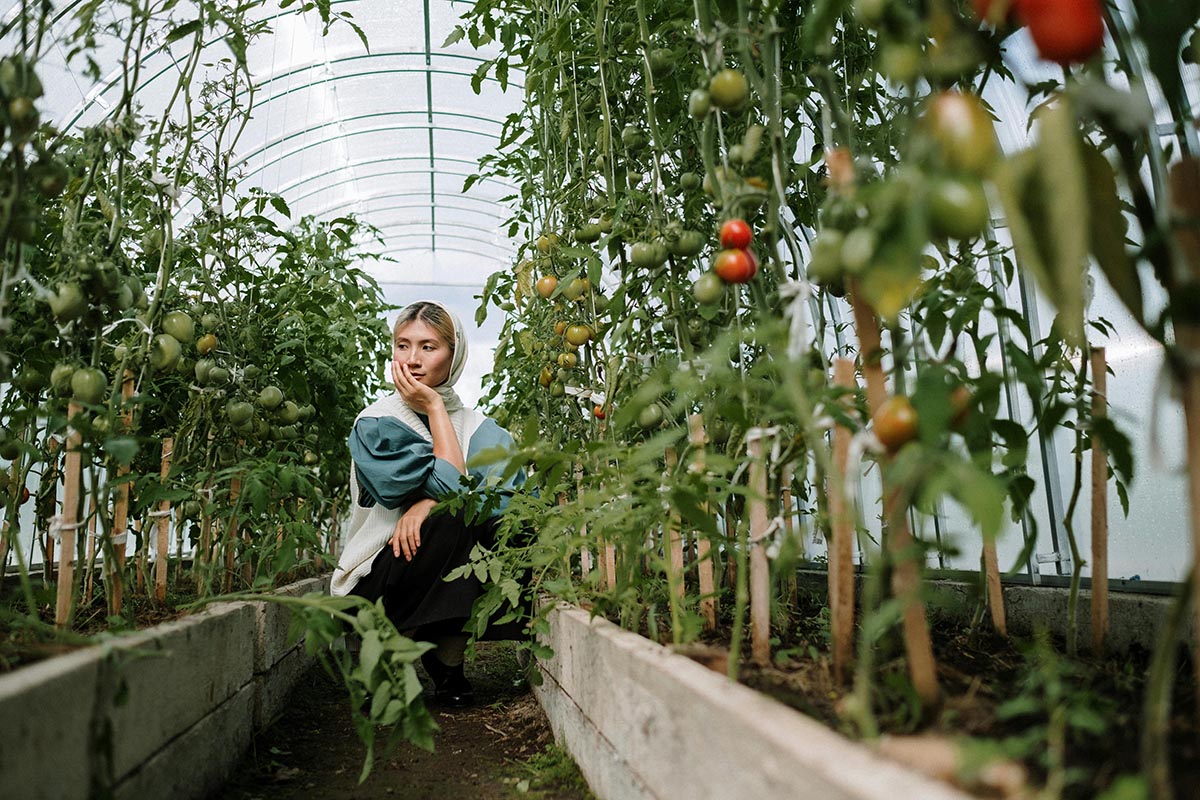
Horizontal space is a luxury. Growing vertically is non-negotiable for high-yield vegetable gardening success. Training vining plants vertically through trellis gardening allows for a sophisticated use of the "Z-axis," keeping your soil clear for low-growing crops.
Structural Options for Vertical Gardening:
• Cattle Panels: Arched to create a sturdy, walkable tunnel.
• 10-Foot Closet Racks: An affordable, repurposed solution for light vining.
• A-Frame Poles: The classic, stable choice for heavy legumes.
Vertical gardening is also a primary tool for disease management. Lifting foliage off the ground facilitates superior airflow and ensures leaves dry quickly, which is critical for preventing fungal issues like powdery mildew.
Pro Tip: If a vining cucumber hits the top of a 7-foot trellis, don't let it flail. Simply weave the vine back down or guide it lengthwise along the top. This solves the harvest height dilemma while keeping the plant productive.
5. The "Relay" Method for a Continuous Harvest (Succession Planting Strategies)
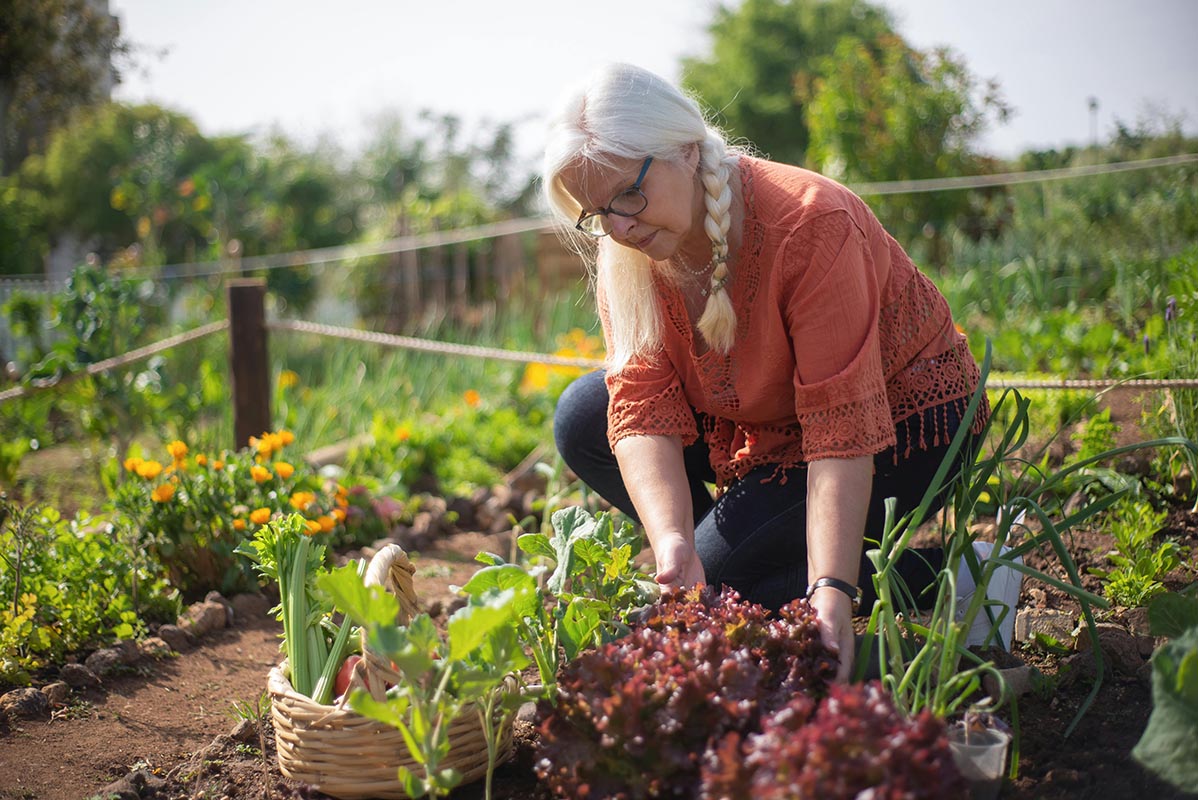
Beginners often plant their entire seed packet at once, resulting in a glut of produce followed by weeks of empty soil. To avoid this, we use Succession Planting and Relaying for a continuous harvest.
• Succession Planting: Planting a new crop (e.g., corn) immediately after a different one (e.g., peas) is harvested.
• Relaying: Multiple plantings of the same high-yield crop at 2-week intervals to ensure a continuous "conveyor belt" of food.
By planting in waves every 2 to 4 weeks, you can outrun pest lifecycles. When your first wave of cucumbers begins to show signs of nutrient depletion or beetle damage, simply remove them and let your healthy second wave take over. Always build in "buffer weeks" to your schedule to account for unexpected weather shifts or slow germination.
Automating the Insight: The EasyDacha Garden Planning App Advantage
Transitioning to a biointensive gardening system requires meticulous timing and math. The EasyDacha gardening planner app bridges the gap between these sophisticated botanical principles and your daily routine. It automates the calculations for equidistant spacing and manages your succession planting schedule, allowing you to focus on the artistry of the garden rather than the manual math.
Conclusion: The Long Game of the Organic Oasis
The shift from traditional row gardening to an intensive, space-efficient garden system is a shift from "controlling" nature to "partnering" with it. This transition requires patience; if you have previously used chemical controls, beneficial insects need a season or two to recognize your sustainable garden as a "safe zone."
As your backyard garden evolves into a self-sustaining ecosystem, the garden stops being a list of chores and starts being a sanctuary. If your garden could function as a self-sustaining ecosystem rather than a chore list, what would you spend your extra time doing among the vines?