
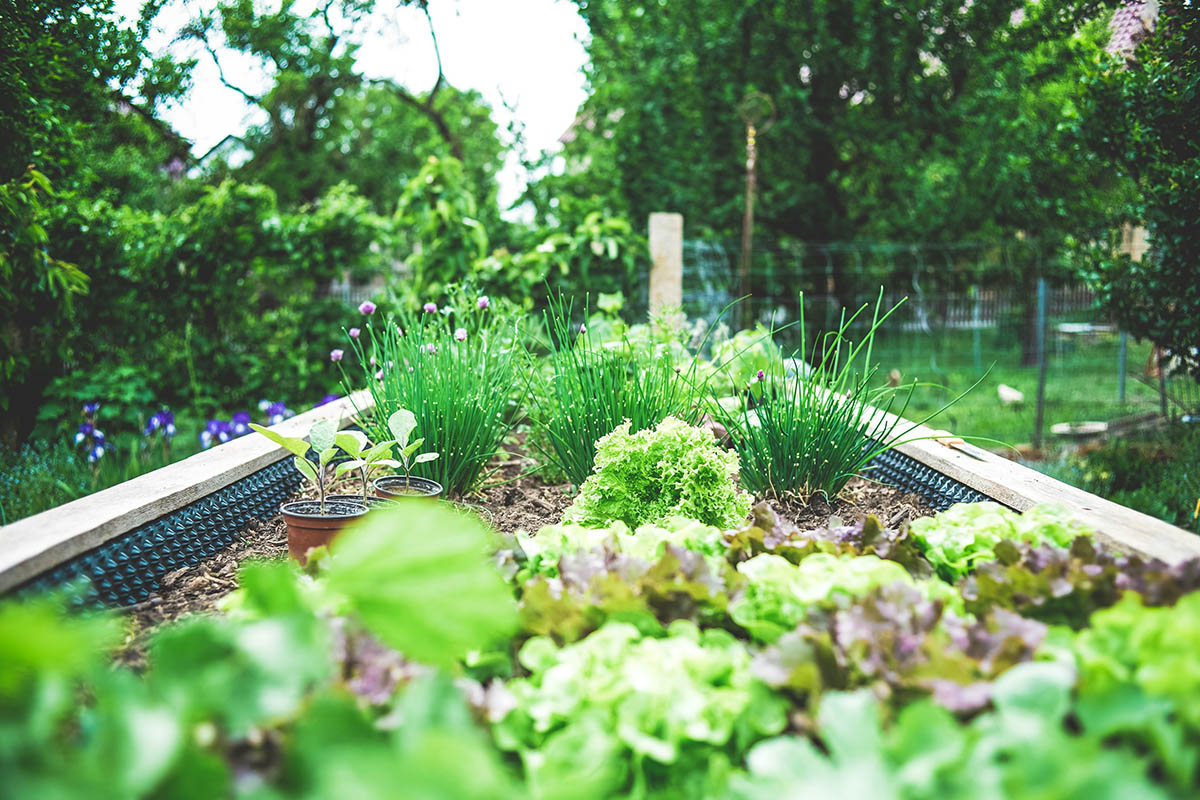
1. The "Scroll-Stopping" Reality Check: Understanding Sunlight Requirements for Vegetables
You have cleared the weeds, optimized your soil chemistry, and established a rigorous irrigation schedule. Yet, your plants seem "frozen" in place—alive, but refusing to grow, flower, or produce. This phenomenon, known as crop stagnation, is often accompanied by etiolation: the development of pale, weak, and abnormally long stems as plants desperately stretch toward a perceived light source.
While many beginners respond to this by adding more fertilizer, the Physiological Imperative of horticulture dictates that sunlight is your garden's primary metabolic fuel. Sunlight provides the shortwave radiation necessary to convert carbon dioxide and water into essential sugars through photosynthesis. This energy gap cannot be filled by fertilizers; if a plant lacks the photons to fuel its metabolism, it simply cannot process added nutrients. In the hierarchy of growth, solar access is the primary limiting factor, often exerting a greater impact on your success than soil fertility or irrigation combined.
How Much Sun Do Your Vegetables Really Need?
In precision vegetable garden planning, we view plants through the lens of energy inputs. The intensity of light required correlates directly with the complexity of the organ being harvested. Producing a sugar-dense fruit requires a massive caloric investment compared to growing a simple leaf.
Based on botanical data, here are the sunlight requirements for vegetables categorized by Crop Complexity:
Low Complexity (Leaves and Stems):
Crops: Lettuce, spinach, arugula, kale, Swiss chard, and various herbs.
- Minimum Direct Sun: 3–4 hours
- Ideal Direct Sun: 5–6 hours
- Metabolic Rationale: These shade-tolerant vegetables require minimal caloric storage for vegetative growth, as they do not need to produce complex flowering structures or sugar-heavy storage organs. Perfect for partial shade gardening.
Medium Complexity (Roots and Tubers):
Crops: Carrots, beets, radishes, turnips, and potatoes.
- Minimum Direct Sun: 5–6 hours
- Ideal Direct Sun: 7–8 hours
- Metabolic Rationale: Extra energy is required to build and store carbohydrates in underground storage organs. These root vegetables can tolerate partial sun conditions.
High Complexity (Fruits and Seeds):
Crops: Tomatoes, cucumbers, peppers, melons, and squash.
- Minimum Direct Sun: 8–10 hours
- Ideal Direct Sun: 10–12 hours
- Metabolic Rationale: These full sun vegetables require a massive energetic input for the biological processes of flowering, pollination, and complex sugar synthesis within the fruit.
3. Decoding the Shade: Not All Shadows Are Equal (Understanding Garden Sun Exposure)
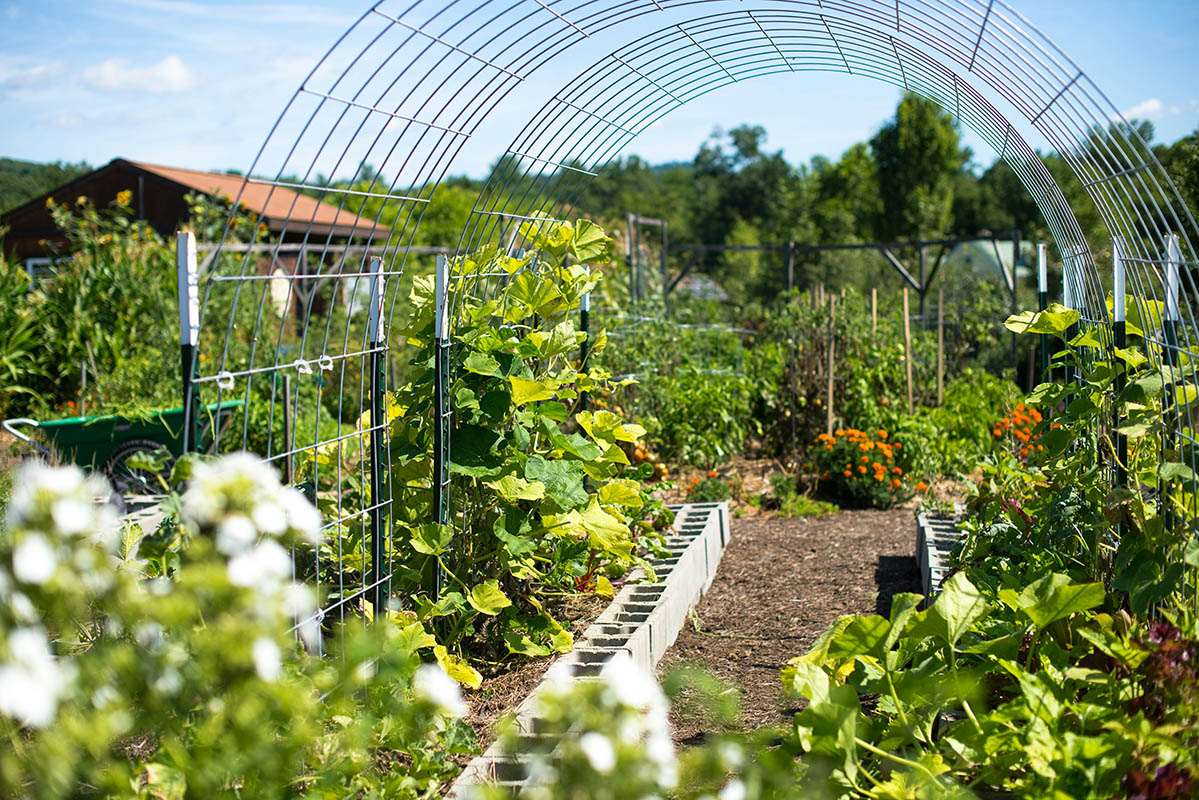
Shade is not merely the absence of light; it is a complex Insolation Layer that fundamentally alters your garden microclimate.
Levels of Light:
- Dappled Shade: Sunlight filtering through a high tree canopy, providing intermittent "sun flecks."
- Light/Part Shade: Approximately 3 to 6 hours of direct sunlight.
- Full Shade: Less than 3 hours of direct sunlight.
- Deep Shade: Almost no direct sunlight throughout the day (common on the north side of tall structures).
The Shade Microclimate Effect:
Shade modulates the environment in ways that can trigger systemic failure if not accounted for:
- Soil Temperature: Shaded soils are typically 5.7°F lower than full-sun soils. This leads to delayed spring thawing and slower seed germination, effectively shortening your growing season.
- Moisture Levels: Reduced solar radiation causes evaporation rates to drop by 15% to 22%. This increases the risk of "wet feet," where roots are starved of oxygen, leading to root rot.
- Humidity (The Pathogen Vector): Relative humidity is roughly 5% higher in shaded zones. This, combined with reduced wind flow, creates an Extended Wetness Period on foliage. This moisture bridge is the primary infection vector for pathogens like mildews and blights.
4. How to Conduct Your Own Solar Audit: Garden Sun Mapping Techniques
To mitigate financial and emotional loss before planting, you must identify your property's Productivity Zones through sun mapping your garden.
The "9-12-4" Observational Method
Monitor your potential garden site at 9:00 AM, 12:00 PM, and 4:00 PM.
- Full Sun: Sunny at all three checks (6-8+ hours)
- Partial Sun: Sunny at two checks (4-6 hours)
- Shade: Sunny at one or zero checks (less than 4 hours)
Note: This is a Snapshot. A fence that casts no shadow in June may entirely engulf a bed in September as the sun's altitude drops.
The Precision Calculation
To predict shadows for different seasons, use this trigonometry formula to calculate shadow length (L):
L = H / tan(a)
(Where H is the height of the obstacle and a is the solar elevation angle). Calculating the Winter Solstice footprint provides the most conservative metric for permanent garden placement, ensuring your "Productivity Zones" remain viable year-round.
5. Shade Strategies for Urban Gardeners: Growing Vegetables in Shade
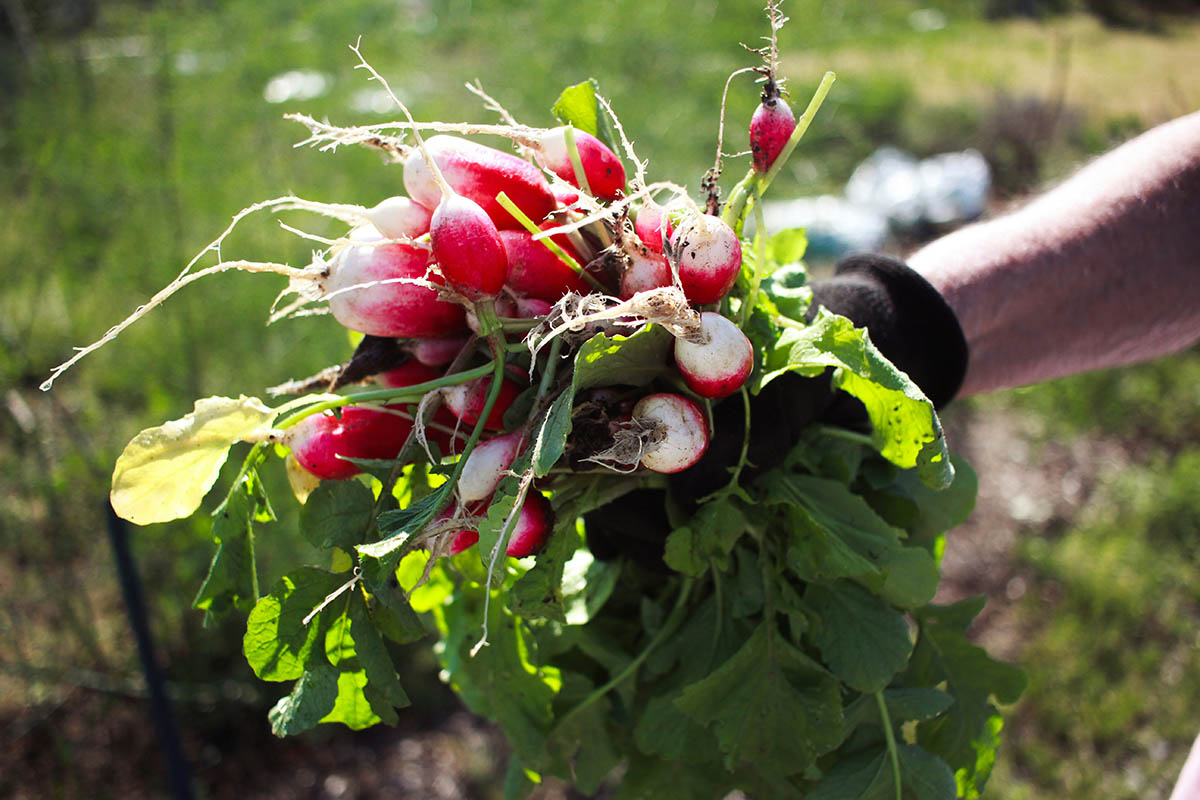
If your space is unavoidably shady (under 3 hours of sun), you must pivot your strategy to ensure a yield through shade gardening.
The Baby Green Strategy
In low-light environments, do not attempt to grow mature root crops or fruits. Instead, harvest plants early as "Baby Greens." Young leaves require significantly less solar energy than caloric-dense roots or fruits and are highly efficient at utilizing limited light.
High-Performance Shade Vegetables and Herbs:
- Lettuce: 'Oak Leaf' or 'Black Seeded Simpson' (loose-leaf types are much more shade-resilient than head types)
- Kale: 'Red Russian' (flavor and texture often improve in lower light)
- Beets: 'Bull's Blood' (specifically grown for its deep red foliage in partial shade)
- Swiss Chard: 'Bright Lights' (retains tenderness and color even with limited solar flux)
- Asian Greens: Bok Choy and Tatsoi (naturally evolved for the cooler, lower-light conditions)
- Herbs: Mint, parsley, cilantro, chives (thrive in partial shade)
6. Conclusion: Stop Guessing, Start Growing with Solar Mapping
The difference between a struggling garden and a high-yield vegetable garden isn't a "green thumb"—it is the accuracy of your solar data. By adopting a Solar-First approach and utilizing an Insolation Layer in your garden planning, you move from intuitive guesswork to data-driven precision.
Conduct your sun exposure audit, respect the metabolic limits of your plants, and utilize tools like easyDacha to align your garden with the reality of the sun. Map your light, mitigate your risk, and finally watch your garden grow.