
Have you ever wondered why some plants thrive while others struggle, even with the same water and fertilizer? The reason is often soil acidity — also known as soil pH. Soil pH affects how plants absorb nutrients, and if the pH is off, even good soil can’t feed your plants properly.
Here’s what you’ll learn in this simple soil pH guide:
• what soil acidity (pH) means
• which plants prefer acidic, neutral, or alkaline soil
• how to test soil pH at home
• how to raise or lower soil pH
• how to manage different pH-loving plants in one garden bed
• what soil acidity (pH) means
• which plants prefer acidic, neutral, or alkaline soil
• how to test soil pH at home
• how to raise or lower soil pH
• how to manage different pH-loving plants in one garden bed
What Is Soil Acidity (pH) and Why It Matters
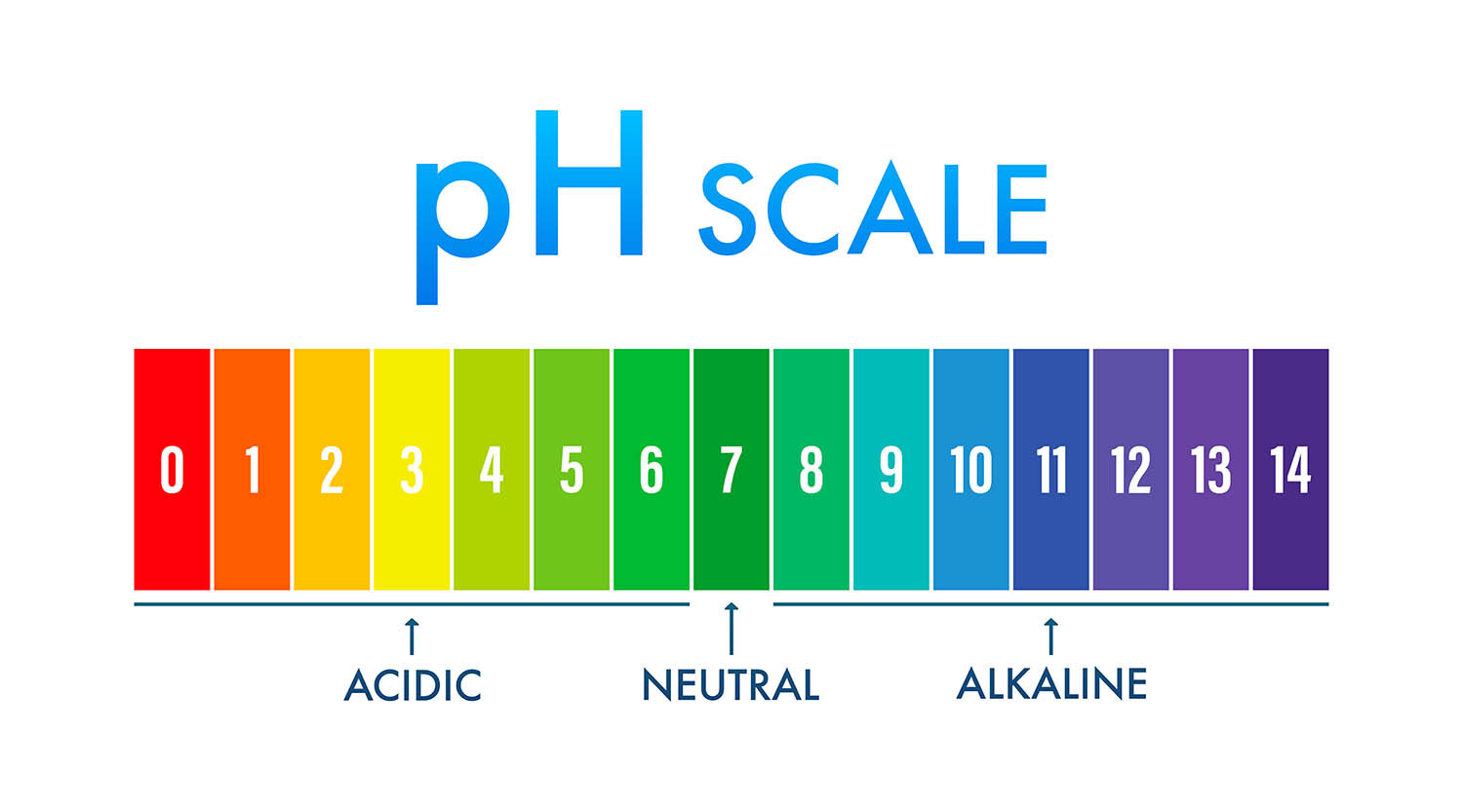
Soil pH is a scale from 0 to 14 that shows how acidic or alkaline your soil is:
• 0–6.9 = acidic soil
• 7 = neutral soil
• 7.1–14 = alkaline soil
• 0–6.9 = acidic soil
• 7 = neutral soil
• 7.1–14 = alkaline soil
Different plants absorb nutrients only within certain pH ranges. If the pH is too high or too low, plants cannot access nitrogen, phosphorus, or potassium — even if the soil is rich in them.
What Affects Soil pH (Acidity Levels)?
Soil pH changes naturally over time. Common causes include:
• excess nitrogen fertilizer → makes soil more acidic
• heavy rainfall → washes away calcium and lowers pH
• dry or lime-rich soil → becomes more alkaline
• compost, mulch, and decomposing leaves → slowly change pH levels
Understanding these changes helps you choose the right soil amendments for your garden.
• excess nitrogen fertilizer → makes soil more acidic
• heavy rainfall → washes away calcium and lowers pH
• dry or lime-rich soil → becomes more alkaline
• compost, mulch, and decomposing leaves → slowly change pH levels
Understanding these changes helps you choose the right soil amendments for your garden.
Which Plants Prefer Acidic, Neutral, or Alkaline Soil?
Each plant has its own preferred soil pH range. Matching plants to the right pH helps improve growth, flowering, and nutrient absorption. Here’s a quick guide:
Acid-loving plants (pH 4.5–6.0):
- Blueberries
- Azaleas
- Blue Hydrangeas
- Cranberries
Neutral-lovers (pH 6.5–7.0):
- Tomatoes
- Cucumbers
- Carrots
- Cabbage
Alkaline-lovers (pH 7.1–8.0):
- Lavender
- Buddleia
- Viburnum
- Salvia
How to Test Soil pH at Home (Simple DIY Methods)
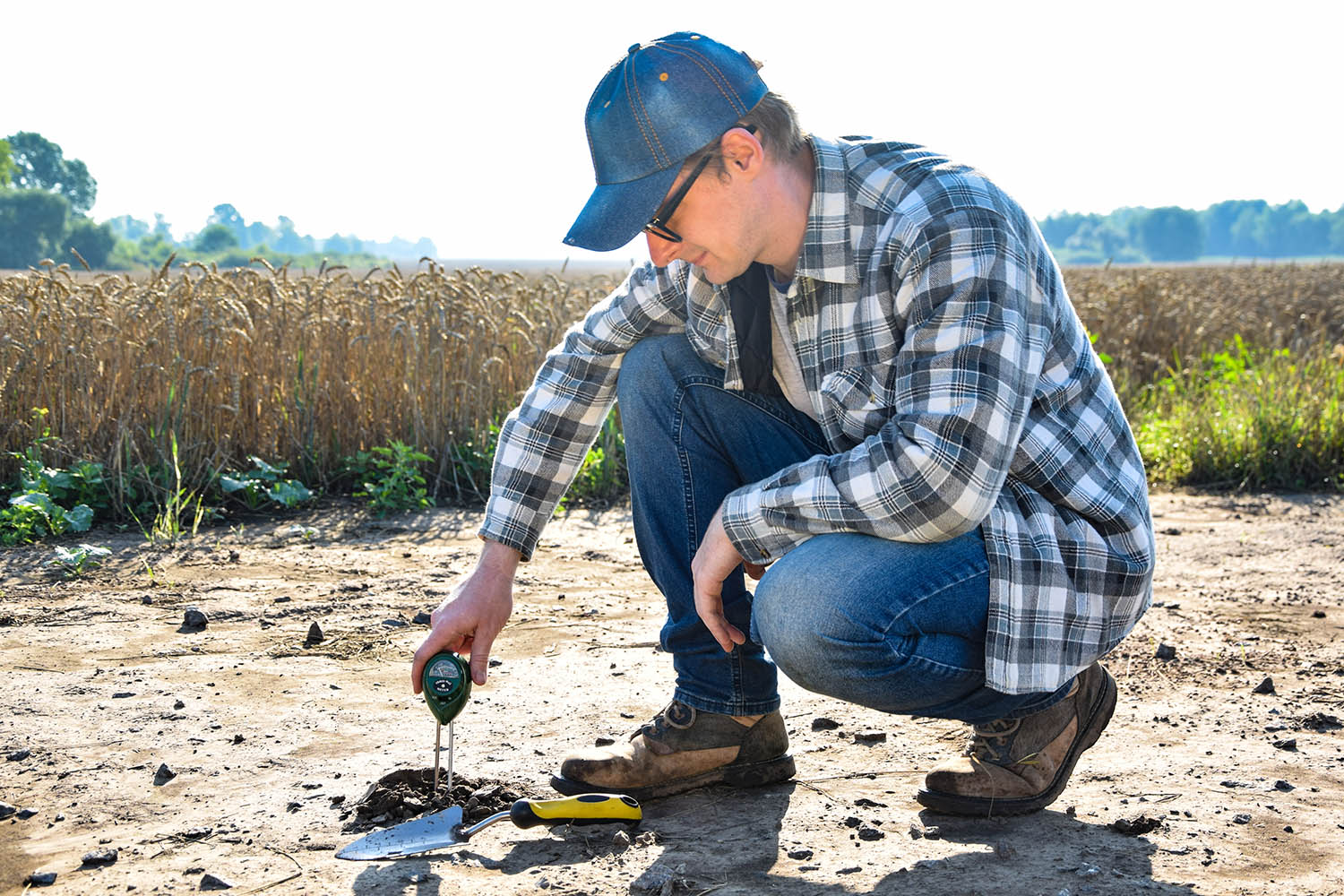
You can test your soil pH at home using one of these simple methods:
These quick tests help you understand whether you need to raise or lower soil acidity.
- Buy a pH tester at any garden store
- the vinegar test — fizzing means alkaline soil
- the baking soda test — bubbling means acidic soil
These quick tests help you understand whether you need to raise or lower soil acidity.
How to Raise or Lower Soil pH Using Simple Home Materials
To raise soil pH (make soil less acidic):
• crushed eggshells for calcium
• wood ash to increase alkalinity
• crushed chalk or garden lime
• crushed eggshells for calcium
• wood ash to increase alkalinity
• crushed chalk or garden lime
To lower soil pH (make soil more acidic):
• used coffee grounds
• vinegar or citric acid (1 tbsp per 10 L of water — use carefully)
• pine needles or pine mulch
• peat moss
These natural amendments are safe, cheap, and effective for home gardeners.
If your vegetables are entering the flowering stage, our fertilizer guide explains what nutrients they need next.
• used coffee grounds
• vinegar or citric acid (1 tbsp per 10 L of water — use carefully)
• pine needles or pine mulch
• peat moss
These natural amendments are safe, cheap, and effective for home gardeners.
If your vegetables are entering the flowering stage, our fertilizer guide explains what nutrients they need next.
How to Grow Plants with Different pH Needs in One Garden Bed
If your garden bed includes plants that prefer different pH levels, you can still grow them together by creating small zones or adjusting soil only where needed. Here are four easy methods:
1. Make mini-zones
Create small pH zones using boards or stones.
• For acidic zones: peat, pine mulch, coffee grounds
• For alkaline zones: eggshells, ash, calcium-rich compost
• For acidic zones: peat, pine mulch, coffee grounds
• For alkaline zones: eggshells, ash, calcium-rich compost
2. Use containers inside the bed
For picky plants, dig a hole and fill it with a custom soil mix adjusted to the right pH.
3. Replace the soil in small holes
Dig a hole for each plant and fill it with the perfect soil mix just for that plant.
4. Use different mulch for different areas
• Pine mulch → lowers pH
• Compost or ash → raises pH
These methods let you manage mixed-pH planting without redesigning your entire garden.
• Compost or ash → raises pH
These methods let you manage mixed-pH planting without redesigning your entire garden.
Final Tip: Know Your Soil, and Plants Will Love You Back 🌱
Soil acidity isn’t complicated. Once you know your soil’s pH and how to adjust it, you can grow healthier, stronger plants — even if they all prefer different conditions. With a few simple tools and soil amendments, your garden will become much more productive.
Want help picking the best plants or soil fixes for your region? Just tell me where you live, and I’ll help you choose the right options for your climate, soil, and nearby shops!
Let’s make your garden a place where everything grows with a smile! 🌼
🌿 Soil pH Adjustment Table for Your Plants
The easyDacha gardening app helps you understand your soil and choose the right plants for your conditions. It analyzes sunlight, water access, and soil type, and gives you step-by-step, climate-based gardening tasks, including soil pH adjustments.
🌱 Download the App to grow healthier plants with confidence.
More Soil pH, Fertilizer & Gardening Tips
• The Best Fertilizer Recipe for Seedlings and Plants — ties directly to nutrient uptake and pH.
• Fertilizer Plan for Flowering Vegetables — next step after balancing soil pH.
• What Your Gardening Space Needs — soil, light, layout, and planning essentials.
• Fertilizer Plan for Flowering Vegetables — next step after balancing soil pH.
• What Your Gardening Space Needs — soil, light, layout, and planning essentials.