
Most gardens peak all at once. You get a flood of lettuce in spring, baskets of beans in midsummer, and then long stretches where beds sit half empty. While this can feel productive for a moment, it often leads to wasted food and underused space.
With a little planning, you can spread your harvest out over the entire growing season. The key is succession planting. Learning how this method works turns your garden from a short sprint into a steady, reliable source of fresh vegetables.
A well-planned succession planting guide helps you harvest smaller amounts more often, reduces overwhelm, and keeps your garden productive from early spring through fall.
If you want help organizing timing and crop swaps, the easyDacha garden planner app can support this process. The app helps build a clear succession planting guide, supports smart vegetable garden layout ideas, and makes it easier to manage intervals using tools similar to a garden planner app.
What Succession Planting Really Means
Succession planting means planting crops in stages instead of all at once. As one planting finishes or is harvested, another is already growing or ready to go into the same space.
Instead of thinking of your garden as one big planting event, think of it as a sequence. Each bed or container goes through multiple cycles during the season. A thoughtful succession planting guide helps you decide what comes next and when.
There are three main approaches to succession planting, and most gardens use a mix of all three.
Three Core Succession Planting Methods
Staggered Planting
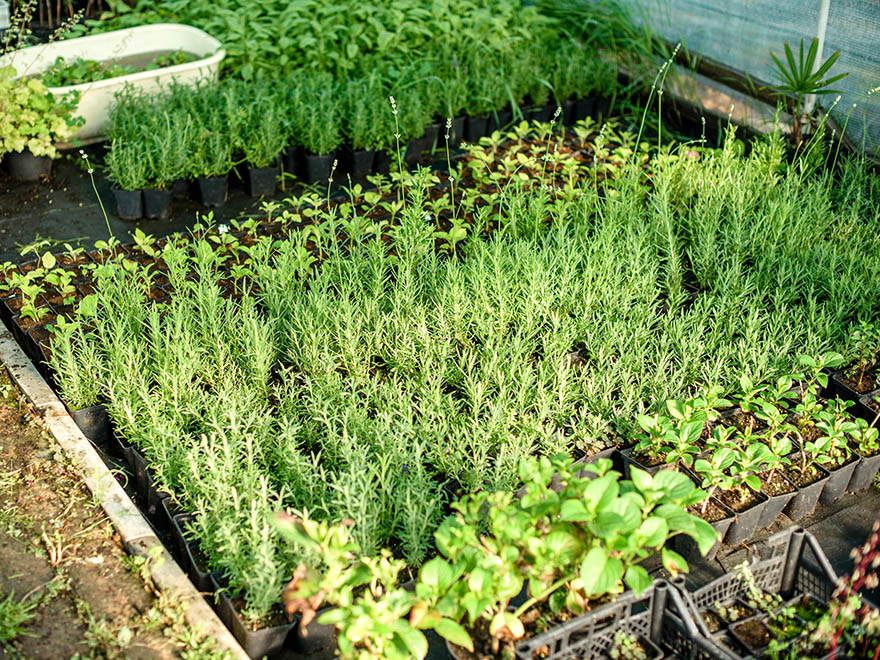
This method works by planting the same crop every one to three weeks. Instead of harvesting everything at once, you get a steady supply over time.
This approach works especially well for:
• lettuce and salad greens
• radishes
• carrots
• bush beans
• spinach and arugula
Staggered planting is one of the easiest strategies to include in a succession planting guide, especially for beginners.
Follow-On Planting
Follow-on planting means replacing one crop with another as soon as the first finishes. Early spring crops leave behind valuable space that can be reused for warm-season vegetables.
For example:
• early radishes can be followed by basil
• spring spinach can be replaced with bush beans
• peas can make room for peppers or zucchini
This approach pairs naturally with good vegetable garden layout ideas, because it encourages you to plan beds based on timing, not just plant type.
Intercropping
Intercropping involves growing fast and slow crops together. The fast crop is harvested before the slower one needs full space.
Common examples include:
• lettuce under tomatoes
• radishes between carrot rows
• spinach growing beneath young peppers
This strategy is especially useful for garden layout small space situations where every square foot matters.
Why Succession Planting Works So Well
Succession planting keeps your garden productive for longer and reduces many common frustrations.
It helps you:
• avoid overwhelming harvests
• reduce food waste
• use space efficiently
• improve soil health through rotation
• spread out garden work over time
A well-designed succession planting guide also helps limit pests and diseases by avoiding long stretches of the same crop in one place.
How to Plan Your Succession Planting
Step 1. Know Your Frost Dates
Your growing window is defined by your local last frost in spring and first frost in fall. These dates tell you how many weeks you have to work with.
Once you know this window, your succession planting guide becomes much easier to map out.
Step 2. Focus on Fast or Flexible Crops
Not all vegetables are ideal for succession planting. Focus first on crops that grow quickly or tolerate repeat sowing.
Good options include:
• lettuce and salad mixes
• radishes
• bush beans
• carrots and beets
• spinach and arugula
• cilantro, dill, and basil
These crops allow you to practice succession planting without complex planning.
Step 3. Plan for Follow-On Crops
Think ahead about what will replace early crops. When one planting finishes, the next should already be planned.
For example:
• early spring greens can be followed by beans
• summer beans can be replaced with fall carrots
• late summer spaces can be planted with kale or chard
This type of planning ties directly into smart vegetable garden layout ideas, especially for raised beds.
Step 4. Keep a Simple Schedule
You do not need complicated charts. A calendar, plant labels, or a digital planner are enough.
Check your garden every one to two weeks and ask:
• what is finishing
• what space is opening
• what can be planted next
Many gardeners use a garden planner app to track this rhythm. Tools like easyDacha are often compared to the best gardening app options because they help visualize timing and prevent missed planting windows.
Making Succession Planting Work in Small Gardens
Succession planting is especially powerful in small spaces.
For garden layout small space gardens:
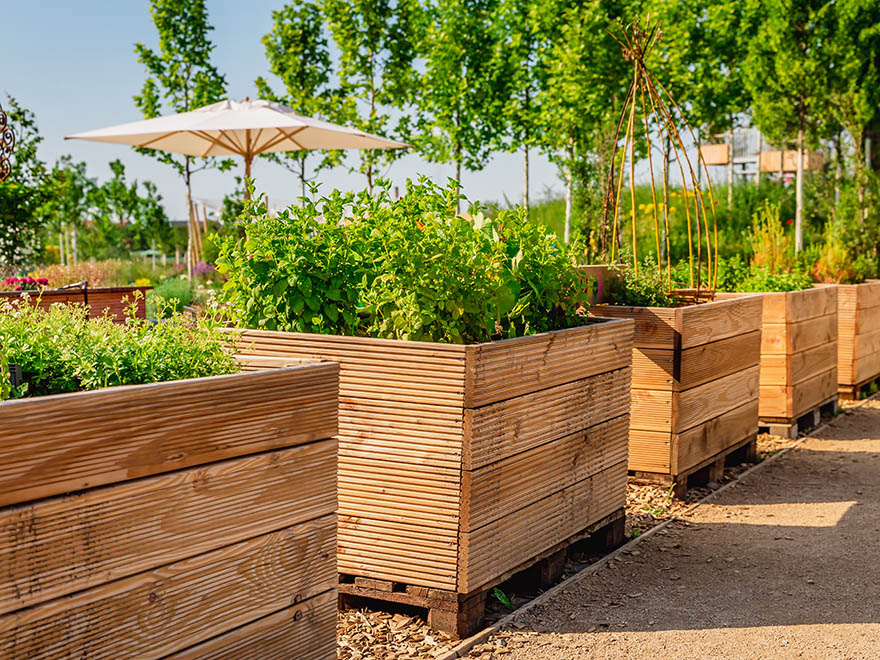
• containers can be replanted multiple times per season
• compact varieties allow faster turnover
• herbs and greens rotate easily
• starting seeds indoors saves outdoor space
Feeding your soil becomes important here. Adding compost between plantings keeps nutrients available for each new crop.
Example of a Continuous Harvest in One Bed
A single raised bed can produce food nearly all season with a simple succession planting guide.
Early spring:
• spinach
• radishes
• lettuce
Late spring:
• bush beans
• basil
Mid-summer:
• carrots
• scallions
Late summer:
• kale
• chard
Fall:
• garlic or cover crops
This approach uses the same space multiple times without exhausting it.
Common Succession Planting Mistakes
Even simple systems can break down if a few basics are ignored.
Common issues include:
• planting everything at once
• ignoring days to maturity
• forgetting to refresh soil between plantings
• failing to label planting dates
A clear succession planting guide prevents these mistakes and helps you learn what works best in your conditions year after year.
Final Thoughts
Succession planting is not complicated. It is about thinking ahead and planting with intention. Instead of asking what to plant once, you ask what comes next.
With a simple succession planting guide, thoughtful vegetable garden layout ideas, and attention to garden layout small space strategies, your garden becomes more productive and easier to manage.
If you want help keeping track of timing and crop changes, easyDacha can support your planning. The app helps build a clear succession planting guide, works like a focused garden planner app, and is often mentioned alongside the best gardening app tools because it helps gardeners plant smarter, not harder.
Download easyDacha app
Succession Planting Simplified: Plan Ahead for Continuous Harvests
<script type="application/ld+json">{"@context":"https://schema.org","@type":"Article","headline":"Succession Planting Guide for Continuous Vegetable Harvests","description":"How to plan succession planting for continuous harvests all season. Stagger planting dates for lettuce, beans, radishes, and other fast-maturing crops.","url":"https://easydacha.com/blog/mvsyyrx7n1-succession-planting-guide-how-to-plant-i","author":{"@type":"Organization","name":"easyDacha"},"publisher":{"@type":"Organization","name":"easyDacha","url":"https://easydacha.com","logo":{"@type":"ImageObject","url":"https://easydacha.com/tildaicon/6308519/icon.png"}},"mainEntityOfPage":"https://easydacha.com/blog/mvsyyrx7n1-succession-planting-guide-how-to-plant-i"}</script>