
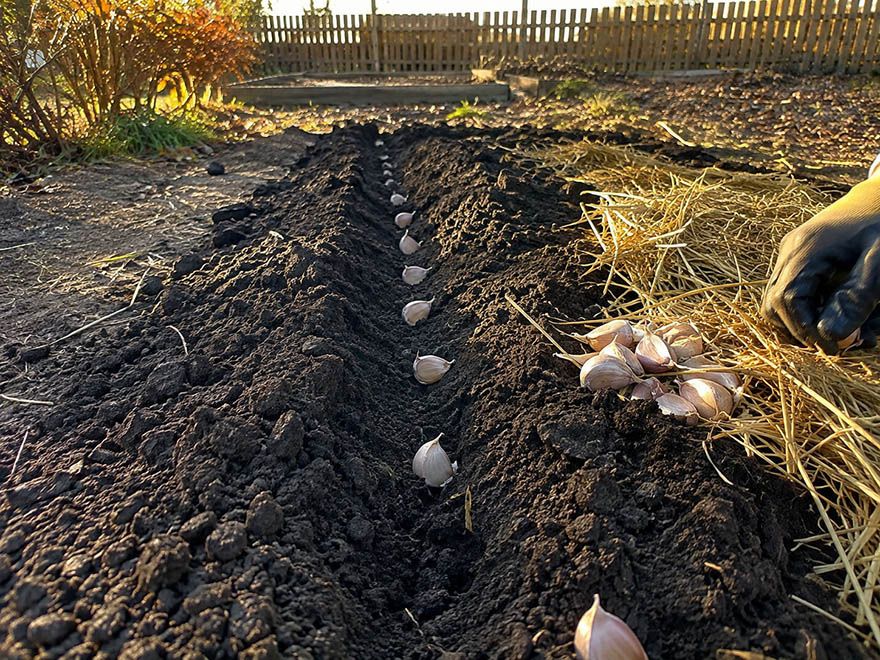
In places with real winters, the garden looks finished the day the first hard frost hits. It is not. A handful of vegetables are built for exactly this. You plant them in fall, and the cold and snow do the slow work. You harvest in early spring, while everyone else waits for the ground to thaw. Planting vegetables for winter is one of the oldest tricks in cold-climate gardening, and it is simpler than it sounds.
TL;DR: Planting vegetables for winter means putting cold-tough crops in the ground in fall. Garlic and onions grow through winter. Hardy greens, roots, and their seeds wait out the cold and take off in early spring. It works best in regions with real frost and snow.
Why some vegetables are meant to go in before winter
For these crops, cold is not the enemy. It is the trigger. Garlic is the clearest example. It will not split into a full head of cloves unless it sits through a real cold spell underground. Gardeners call that need for a cold rest vernalization, which is just a plain rule: no winter, no proper bulb. Plant garlic in spring and you often get one round undivided bulb instead of a full head.
Seeds can behave the same way. Some carry a built-in lock and will not sprout until they have felt winter. That lock keeps them from waking during a warm fall day and then freezing a week later. Outdoors, planting in fall flips the switch for free. This is the whole idea behind overwintering crops.
Garlic: the one crop you really should plant in fall
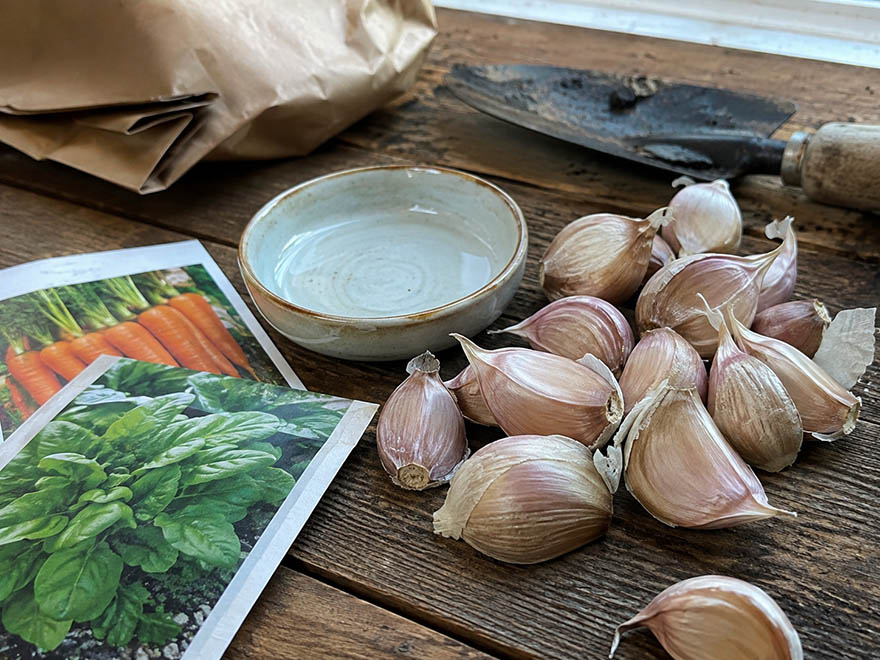
Garlic is the classic winter crop. If you are wondering when to plant garlic, the answer is fall, because in cold regions that is its only good planting window. Break a head into cloves and keep the biggest ones, since bigger cloves grow bigger heads.
Give the cloves a quick two-step soak first. Ten minutes in a 3% hydrogen peroxide solution, the kind from the pharmacy, cleans them up. Then thirty minutes in a weak liquid fertilizer gives them a running start.
Plant each clove pointy end up, about 2 to 4 inches (5 to 10 cm) deep and 6 inches (15 cm) apart. Do this a few weeks before the ground freezes, so roots form but no green top shows yet. Cover the bed with a few inches of straw. The cloves sleep through winter, wake early, and hand you a full head next summer. Stop feeding nitrogen about a month before harvest so the plant puts its energy into the bulb.
What to sow in fall for a spring harvest
Beyond garlic, several cold hardy vegetables go in during fall and reward you in early spring. If you are wondering what to plant in fall, this is the short list. Group them by how they behave:
- Hardy greens. Spinach is the champion. The savoy types like Bloomsdale are the toughest of all. Cool-season greens can sit in soil that goes through freeze cycles and green up fast in spring. See our guide to growing spinach.
- Roots. Carrots and parsnips sown late hold in the ground under mulch and pull sweeter after frost. Cover the row from the start to block the carrot rust fly. See growing carrots.
- Onions. Fall-set onions settle in over winter and give you an early bulb. If yours yellow as they establish, check onions turning yellow.
- Cold-season herbs. Parsley, dill, and cilantro take the cold and give you fresh flavor when little else grows. Start with growing parsley.
- Cabbage-family seeds by winter sowing. In cold zones, sow broccoli, kale, and cabbage seeds in a covered jug left outdoors. The seeds stay asleep below 35°F (2°C) and come up strong and vigorous in spring.
What "letting seeds feel winter" means, in plain words
Some seeds will not sprout until they have been cold and damp for a few weeks. Outdoors, fall planting gives them that for free. If you want to start indoors, you can copy a winter by hand. Put the seeds on a damp paper towel, fold it, and seal it in a labeled bag. Keep it in the fridge at 34°F to 45°F (1°C to 7°C) for about four weeks. Do not go past five weeks, or they can rot. Then sow them somewhere warm.
This trick matters most for slow perennials and herbs, like lavender and lemon balm, that need a real cold rest before they wake. It is the same nudge that winter gives your fall-sown beds while you do nothing. New to starting seeds? Our seed starting tips cover the basics.
Your zone changes the whole plan
Where you garden decides how this works. Match your approach to your winter.
Warm-winter regions, like zone 9 and zone 10. Along the Gulf Coast and the Deep South, winter is not a shutdown. It is the main season for cool crops. Start your fall garden in the heat of August so plants hit their stride when nights settle between 40°F and 60°F (4°C to 16°C). The cool-weather crops here are the cabbage family, lettuce, garlic, onions, and root crops, and they carry right through the mild winter. When a rare cold snap comes, use the ten-day forecast. If no nights below 40°F (4°C) are coming, your cool crops are fine.
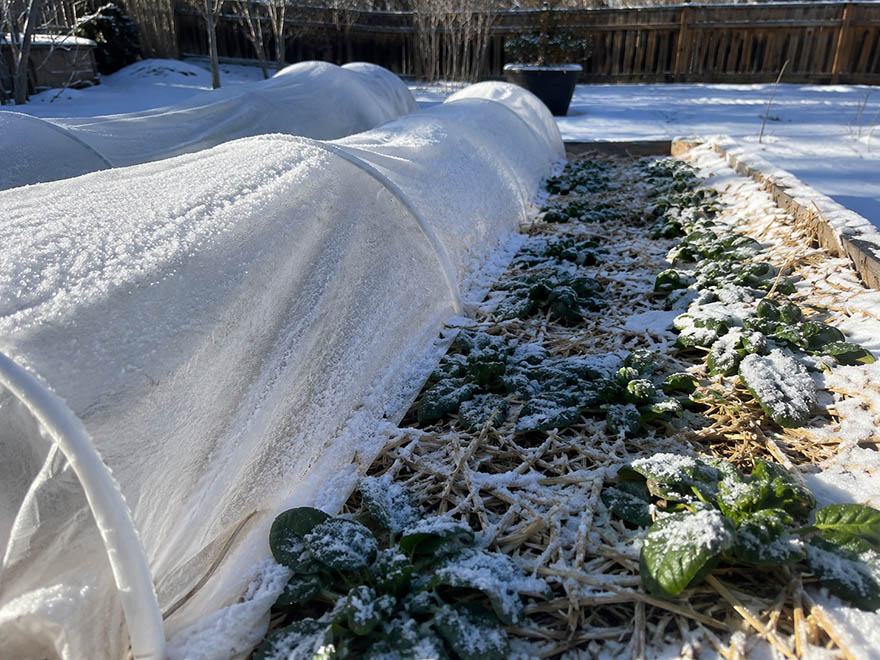
Cold, snowy regions, like zone 3, zone 4, zone 5, and zone 6. This is true overwintering, the classic fall planting for spring harvest. You plant hardy crops and seeds in fall, then let winter hold them. Garlic and fall-set onions grow roots and wait. Hardy greens and late-sown seeds go dormant and sprout in early spring. Snow is not your enemy here. A steady snow blanket insulates the bed like a quilt. Where snow is thin or patchy, a few inches of straw or a row cover does the same job. You are not fighting winter. You are using it. This pairs naturally with the timing in our succession planting guide.
How to plant and protect, step by step
The moves are simple. Do them in order.
- Clear and prep the bed.
- Plant on time.
- Mulch before the hard freeze.
- Let snow or a cover insulate.
- Harvest on winter's schedule.
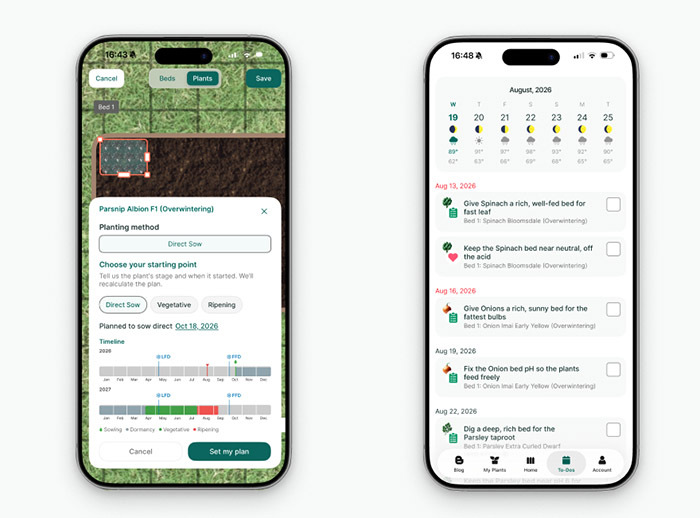
Getting the dates right for your area is the fiddly part, since every zone runs its own calendar. In easyDacha, you add a plant marked as overwintering. It then gives you the exact sowing dates for your zone, plus the care that follows through fall, winter, and spring. It is the garden planner app that tells you what to do and when, for your yard. Try easyDacha.
What NOT to do
Do not plant tender summer crops for winter. Tomatoes, peppers, and squash die at the first frost. Only cold-tough crops overwinter.
Do not plant garlic in spring in a cold region. Without a winter underground it rarely forms a full head. Fall is the window.
Do not skip the mulch. Bare soil freezes and thaws, which heaves plants out and locks roots in ice. A thick straw layer prevents both.
Do not sow too late. Seeds and cloves that go in right before a hard freeze have no time to root. Plant a few weeks ahead of it.
FAQ
What does planting vegetables for winter mean?
It means putting cold-tough crops in the ground in fall. They either grow slowly through winter, or wait out the cold and sprout in early spring. Garlic, onions, spinach, carrots, and parsley are common choices. It is also called overwintering, and it works best where winters bring real frost and snow.
When should I plant garlic?
Plant garlic in fall, a few weeks before the ground freezes. It needs a cold winter underground to split into a full head. Set cloves pointy end up, 2 to 4 inches (5 to 10 cm) deep and 6 inches (15 cm) apart, then mulch the bed.
Which vegetables can I sow in fall for a spring harvest?
Hardy greens like spinach, roots like carrots and parsnips, fall-set onions, and cold herbs like parsley, dill, and cilantro all work. In cold zones you can also winter-sow cabbage-family seeds in a covered jug outdoors so they sprout with vigor in spring.
What is seed stratification in simple terms?
It is giving seeds a fake winter so they agree to sprout. Some seeds will not wake until they have been cold and damp for a few weeks. Outdoors, fall planting does it for free. Indoors, keep seeds on a damp towel in a sealed bag in the fridge at 34°F to 45°F (1°C to 7°C) for about four weeks. Then sow them warm.
Can I plant winter vegetables in a warm climate?
Yes, but the plan flips. In zone 9 and zone 10, winter is the main growing season for cool crops. Start in August so plants mature as nights cool to 40°F to 60°F (4°C to 16°C). The cabbage family, lettuce, garlic, onions, and root crops carry through the mild winter.
Is there an app that tells me when to plant winter vegetables?
Yes. easyDacha is a garden planner app that builds an overwintering plan for your exact ZIP code. Add a plant and mark it as overwintering. It gives you the sowing dates for your zone, plus the care tasks through fall, winter, and spring.