
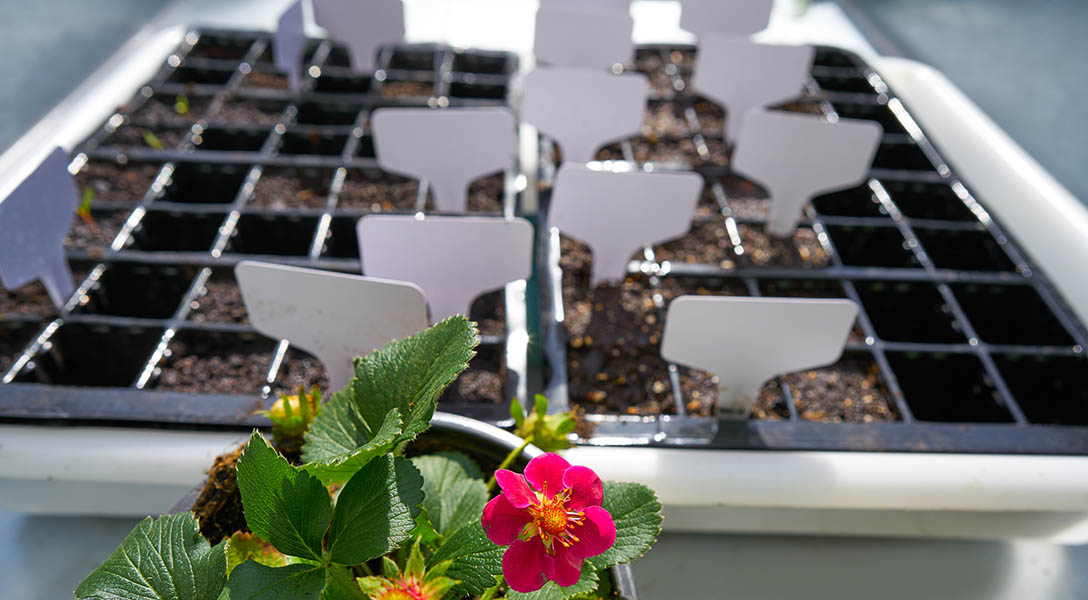
If you've ever planted seedlings too early only to watch them struggle in cold soil, or started too late and ended up with green tomatoes when frost hit, you're not alone. Timing is everything when it comes to transplanting seedlings outdoors, and getting it right can mean the difference between a thriving garden and a disappointing harvest.
This guide will walk you through exactly when to plant tomatoes, peppers, cucumbers, and other warm-season crops, how to calculate your seed-starting dates, and how to avoid the most common mistakes that trip up even experienced gardeners.
Understanding Your Last Frost Date
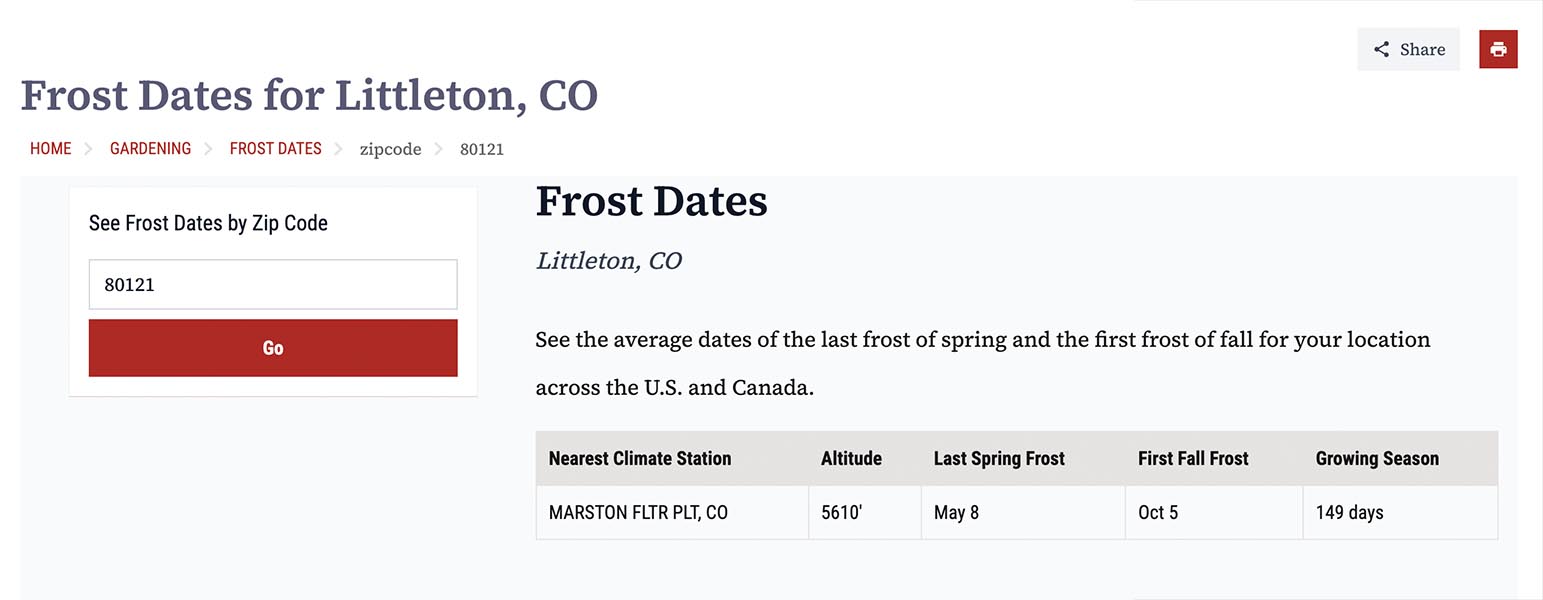
The foundation of any planting calendar starts with knowing your last spring frost date. This is the average date after which your area is unlikely to experience freezing temperatures that could damage or kill tender seedlings.
How to Find Your Frost Date in the USA
The easiest way to find your last frost date is through the USDA Plant Hardiness Zone system:
- Visit the USDA Plant Hardiness Zone Map website
- Enter your ZIP code
- Find your zone and corresponding frost dates
You can also check with your local Cooperative Extension office or use a planting calendar by zip code tool for more precise, localized information.
Most of the United States falls into zones 3-10, with last frost dates ranging from late March in southern regions to late May or early June in northern areas.
When to Start Seeds Indoors
Once you know your last frost date, you can work backwards to determine when to start seeds indoors. Different vegetables need different amounts of time to grow before they're ready to transplant.
The Seed-Starting Formula
Here's the exact formula professional gardeners use:
- Check your seed packet for "days to transplant" (usually 6-10 weeks)
- Find your last frost date using your ZIP code on the USDA website
- Count backwards that many days from your frost date
- Add a 10-day safety buffer for weather variability
- Add your zipcode to easyDacha App
For example, if your last frost date is May 15 and your tomato seeds need 8 weeks (56 days) to reach transplant size, you'd start seeds around March 10 (subtracting 56 days, then adding 10 days for safety).
Common Seed-Starting Timelines
Here are typical indoor starting times before your last frost date:
- Tomatoes: 6-8 weeks before last frost
- Peppers: 8-10 weeks before last frost
- Eggplant: 8-10 weeks before last frost
- Cucumbers: 3-4 weeks before last frost
- Squash: 3-4 weeks before last frost
- Lettuce: 4-6 weeks before last frost
When to Transplant Seedlings Outdoors
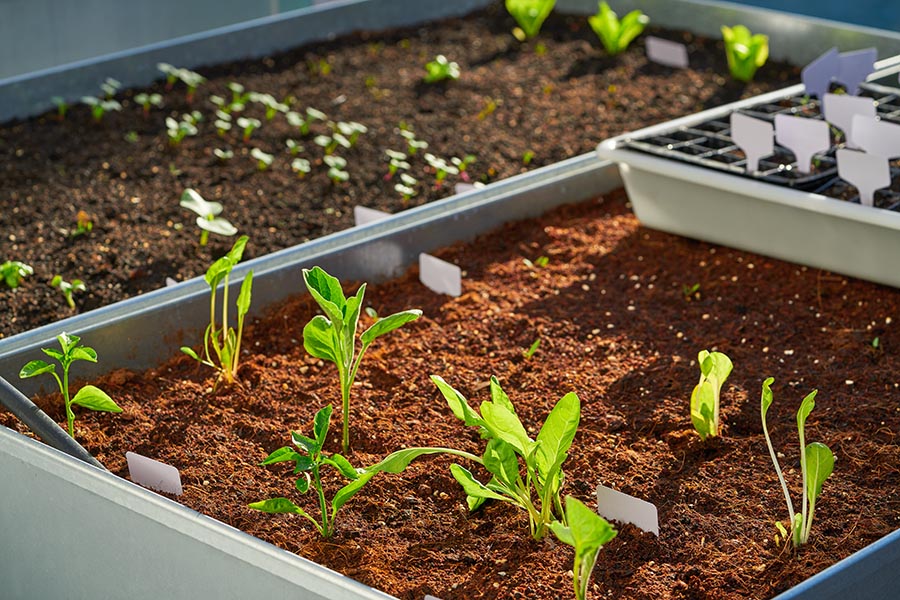
Knowing your frost date is just the beginning. Successfully transplanting seedlings requires paying attention to several factors beyond just the calendar.
The Warm Soil Rule
Even if the air temperature is warm, cold soil can shock seedlings and stunt their growth. Most warm-season vegetables need soil temperatures of at least 60°F to thrive.
How to grow tomatoes successfully? Wait until soil temperatures consistently reach 60-65°F before transplanting. You can check soil temperature with an inexpensive soil thermometer inserted 2-4 inches deep in the morning.
Signs Your Seedlings Are Ready
Before transplanting, make sure your seedlings show these signs of readiness:
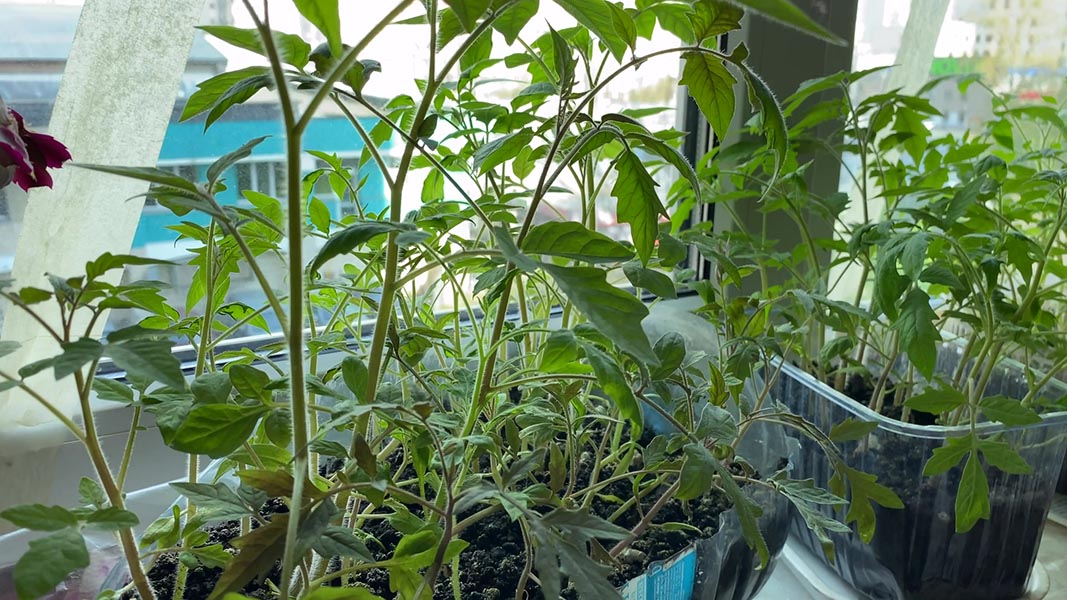
- At least 2-3 sets of true leaves (not counting the initial seed leaves)
- Sturdy stems that don't flop over
- Healthy green color without yellowing
- Well-developed root system visible at drainage holes
Hardening Off: The Critical Step
Never move seedlings directly from indoors to the garden. They need 7-10 days to adjust to outdoor conditions through a process called hardening off:
- Days 1-2: Place seedlings outside in shade for 2-3 hours
- Days 3-4: Increase to 4-5 hours, introducing some morning sun
- Days 5-6: Leave outside all day in partial sun, bring in at night
- Days 7-10: Leave outside day and night if temperatures stay above 50°F
Starting Seeds Too Late
On the flip side, starting too late means:
- Shorter growing season for your plants
- Unripe fruit when fall frost arrives
- Reduced overall harvest
- Plants that never reach full maturity
Using Technology to Simplify Garden Planning
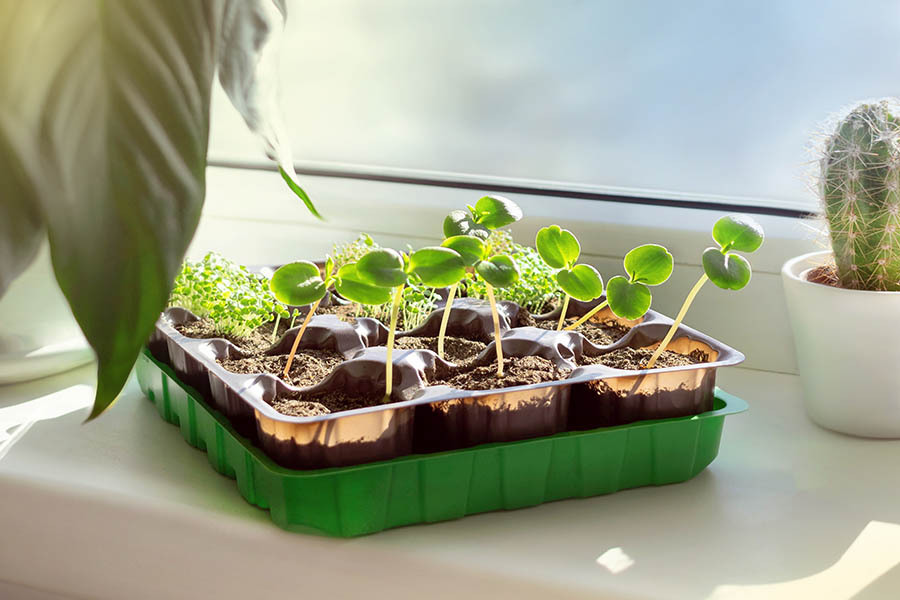
Keeping track of frost dates, seed-starting schedules, hardening-off periods, and companion planting rules can be overwhelming, especially if you're growing multiple varieties.
A garden planner app like easyDacha automates all these calculations for you. Simply enter your location, and the app:
- Automatically finds your frost dates
- Calculates exact seed-starting dates for each crop
- Sends notifications when it's time to start seeds or transplant
- Tracks your garden's progress throughout the season
This takes the guesswork out of timing and helps you avoid the costly mistakes that come from planting too early or too late.
Regional Considerations
Northern Gardens (Zones 3-5)
- Last frost: mid-May to early June
- Start warm-season crops indoors in March-April
- Consider cold frames to extend the season
- Choose short-season varieties (60-70 days to maturity)
Mid-Climate Gardens (Zones 6-7)
- Last frost: mid-April to early May
- More flexibility with planting dates
- Can direct-sow some warm-season crops
- Longer growing season allows for succession planting
Southern Gardens (Zones 8-10)
- Last frost: late February to mid-March
- Can start warm-season crops very early
- Focus on heat-tolerant varieties
- Consider fall planting for cool-season crops
Conclusion
Learning when to plant tomatoes and other seedlings is one of the most valuable skills for any gardener. By understanding your frost dates, calculating seed-starting times correctly, and paying attention to soil temperature and seedling readiness, you'll set yourself up for a productive and rewarding growing season.
Remember: it's better to transplant a week too late than a week too early. Patient gardeners who wait for truly warm soil and stable weather almost always see better results than those who rush the season.
With practice and attention to these seed starting tips, you'll develop an intuition for perfect timing that leads to healthier plants, bigger harvests, and fewer frustrations in your garden.