
Caring for transplanted seedlings during their initial two weeks is crucial for ensuring their successful establishment and growth. This period is often marked by transplant shock, a condition that can hinder the seedlings' ability to thrive. In this guide, you will learn about the signs of transplant shock, the ideal watering schedule, soil requirements, fertilization techniques, and monitoring methods to support your seedlings. By understanding these essential care practices, you can significantly improve the chances of your seedlings flourishing in their new environment. The article will cover the critical aspects of transplant care, including watering frequency, soil types, fertilization strategies, and expert tips to prevent and recover from transplant shock.
What Are the Signs and Causes of Seedling Transplant Shock?
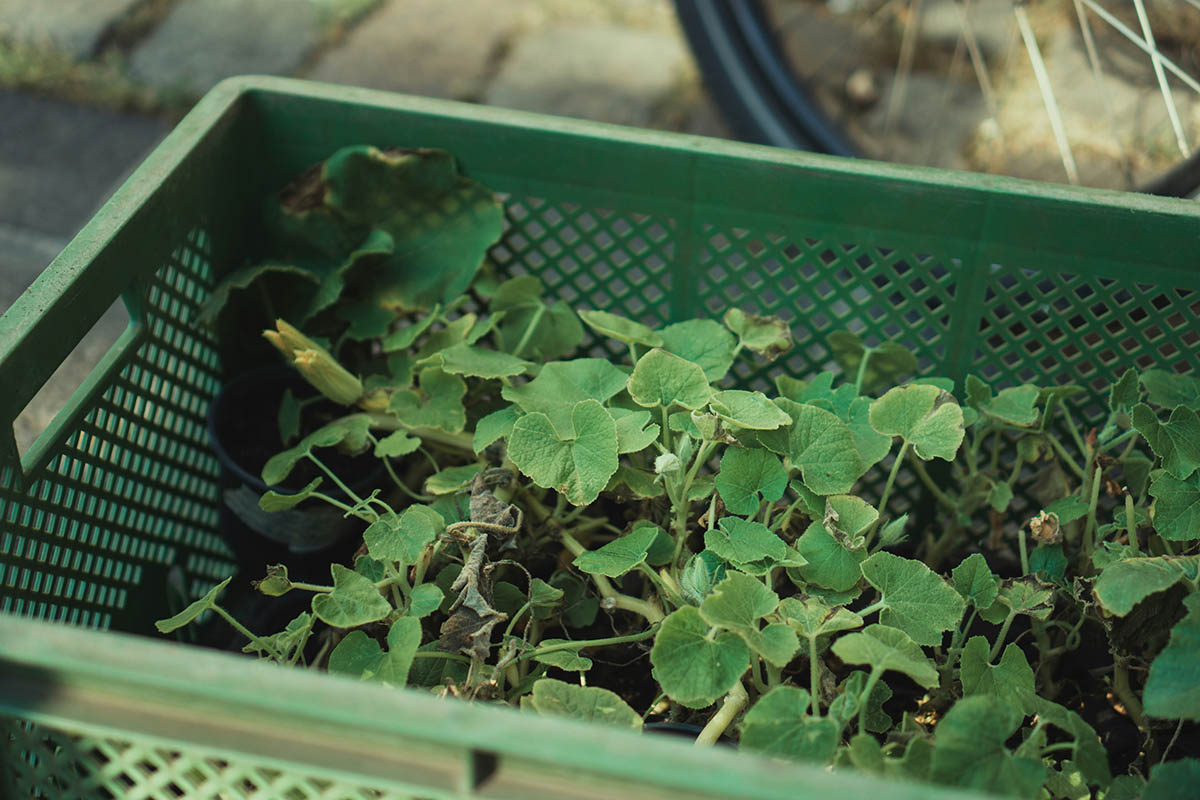
Transplant shock occurs when seedlings experience stress after being moved from one environment to another. This stress can be caused by various factors, including root disturbance, changes in soil conditions, water stress (both overwatering and underwatering), and environmental stressors such as temperature fluctuations. Understanding the signs of transplant shock is vital for timely intervention and recovery.
Research highlights that inadequate water availability in the days and weeks following planting is a primary contributor to transplant shock.
Seedling Transplant Shock: Water Availability & Post-Planting Care Transplant shock can occur due to low water availability, the days and weeks post-planting when transplant shock results Preparing for the Worst: Enhancing Seedling Traits to Reduce Transplant Shock in Semi-Arid Regions, BO Christoffersen, 2024
How Does Transplant Shock Affect Seedling Health and Growth?
Transplant shock can significantly impact seedling health and growth by disrupting their root systems and nutrient uptake. Affected seedlings may exhibit stunted growth, reduced vigor, and increased susceptibility to diseases. Over time, if not addressed, transplant shock can lead to long-term health issues, ultimately affecting the plant's ability to thrive.
What Are Common Symptoms to Identify Transplant Shock Early?
Identifying transplant shock early can help mitigate its effects. Common symptoms include:
- Wilting Leaves: Leaves may droop or appear limp due to inadequate water uptake.
- Stunted Growth: Seedlings may show little to no growth during the initial weeks.
- Discoloration: Yellowing leaves can indicate nutrient deficiencies or stress.
- Leaf Drop: Some seedlings may shed leaves as a stress response.
Recognizing these symptoms allows for prompt action to support recovery.
How Often Should You Water Seedlings After Transplanting?
Watering is a critical aspect of transplant care, as it directly influences seedling recovery and growth. Proper moisture management helps seedlings establish their root systems in the new soil.
What Is the Ideal Seedling Transplant Watering Schedule?
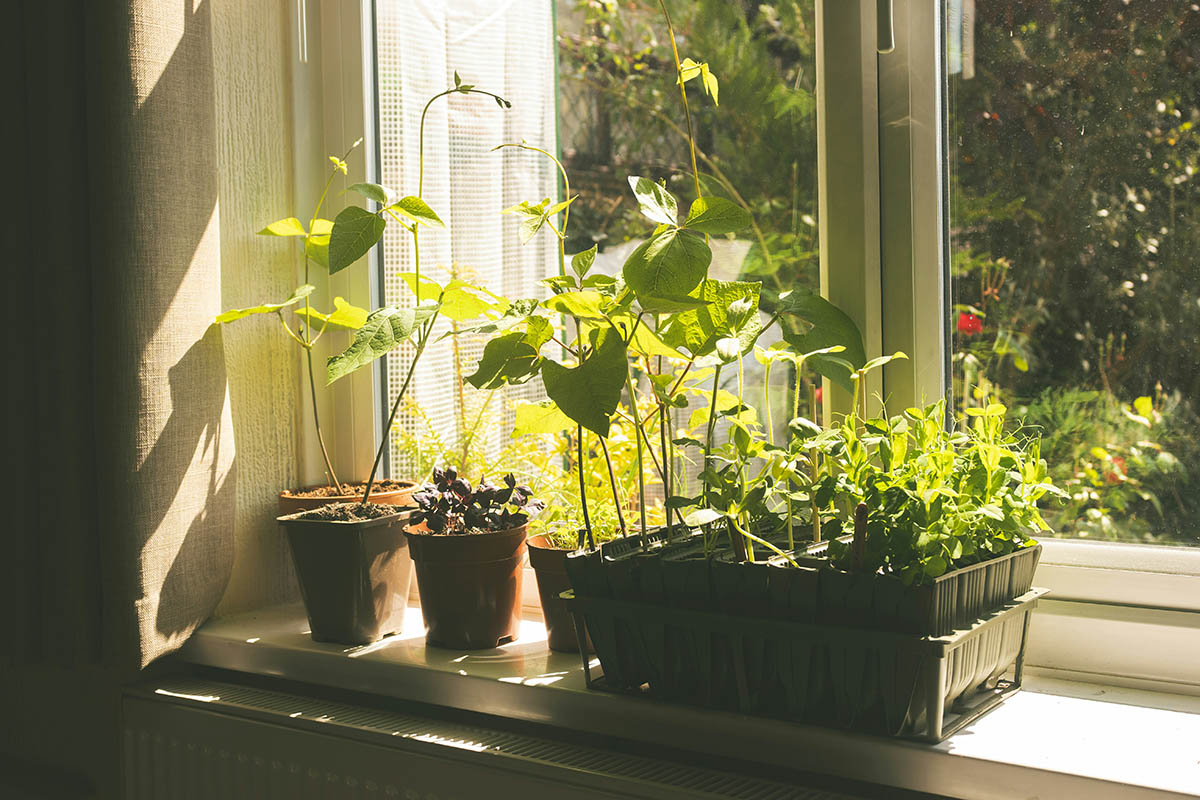
The ideal watering schedule for transplanted seedlings typically involves:
- Frequent Watering Initially: For the first several days after transplanting, water seedlings daily or even twice daily if conditions are hot and dry, to keep the soil consistently moist but not waterlogged.
- Adjusting Frequency: After the first week, assess soil moisture and adjust watering frequency based on weather conditions and soil type.
- Deep Watering: Ensure that water penetrates deeply to encourage root growth.
This schedule helps prevent both overwatering and underwatering, which can lead to further stress.
Which Watering Methods Best Support Seedling Recovery?
Several effective watering methods can support seedling recovery:
- Drip Irrigation: This method delivers water directly to the root zone, minimizing evaporation and runoff.
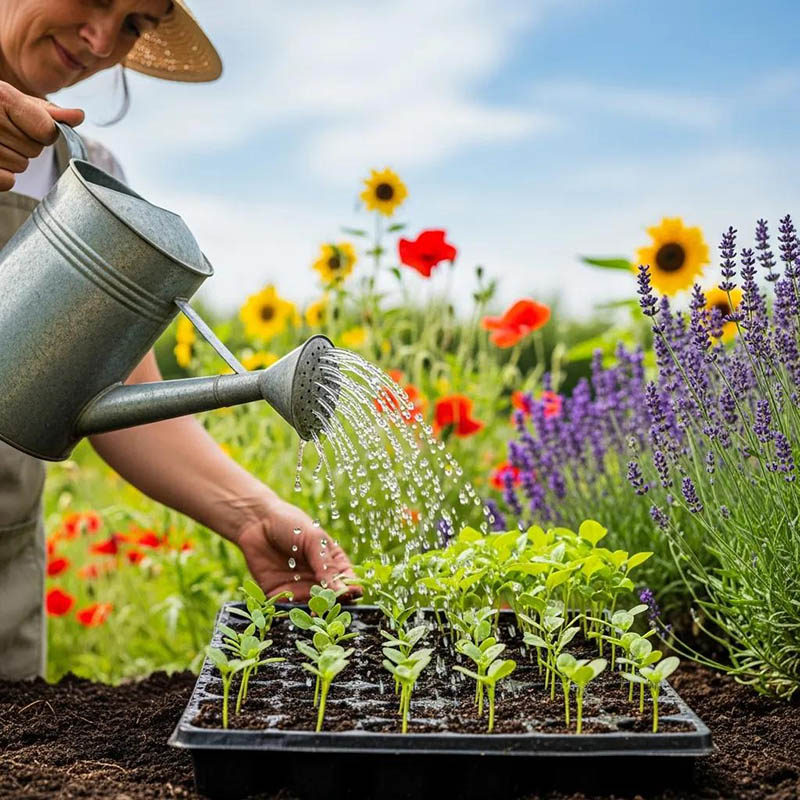
- Hand Watering: Using a watering can or hose with a gentle spray can help control the amount of water applied.
- Soaker Hoses: These hoses allow for slow, deep watering, which is beneficial for root establishment.
Choosing the right method can enhance moisture retention and promote healthy growth.
What Is the Best Soil for Transplanted Seedlings to Thrive?
The soil in which seedlings are planted plays a crucial role in their overall health and growth. Selecting the right soil type can significantly impact transplant success.
How Do Soil Types and pH Affect Seedling Transplant Success?
Different soil types and pH levels can influence seedling growth. For instance:
- Loamy Soil: This type of soil is ideal for seedlings as it retains moisture while providing good drainage.
- pH Levels: Most seedlings thrive in slightly acidic to neutral pH (6.0-7.0). Soil that is too acidic or alkaline can hinder nutrient availability.
Understanding these factors helps in selecting the best soil for your seedlings.
What Soil Preparation Steps Enhance Seedling Root Development?
Proper soil preparation is essential for promoting healthy root development. Key steps include:
- Amending Soil: Adding organic matter, such as compost, can improve soil structure and nutrient content.
- Aeration: Loosening compacted soil allows roots to penetrate more easily.
- Testing pH: Regularly testing soil pH ensures it remains within the optimal range for seedling growth.
These preparation techniques create a conducive environment for seedlings to establish strong root systems.
When and How Should You Fertilize Transplanted Seedlings?
Fertilization is an important aspect of transplant care, as it provides essential nutrients that seedlings need for recovery and growth.
What Fertilizer Types Are Recommended for Seedling Transplant Care?
For transplanted seedlings, the following fertilizer types are recommended:
- Organic Fertilizers: These slow-release options provide a steady supply of nutrients without the risk of burning young roots.
- Liquid Fertilizers: These can be applied during watering to give seedlings an immediate nutrient boost.
- Balanced Fertilizers: A balanced N-P-K (nitrogen, phosphorus, potassium) fertilizer supports overall growth.
Choosing the right fertilizer type can enhance seedling recovery.
Further studies delve into the specific roles of nitrogen, phosphorus, and potassium in promoting optimal seedling growth and nutrient management.
NPK Fertilization for Optimal Seedling Growth & Nutrient Management In order to explore how nitrogen (N), phosphorus (P), and potassium (K) fertilizers affect the seedling growth of pecan by altering the leaf nutrient and photosynthetic characteristics, and find the optimum amount of N, P, and K fertilizers on the nutrient management of pecan seedlings. This study provides a theoretical basis for the rational fertilization of the pecan seedlings. Effects of NPK fertilization on photosynthetic characteristics and nutrients of pecan at the seedling stage, 2021
How to Apply Fertilizer Safely During the First Two Weeks?
Applying fertilizer safely is crucial to avoid damaging young seedlings. Key practices include:
- Timing: Fertilize only after seedlings have established roots, typically after the first week.
- Dilution: Always dilute liquid fertilizers to prevent root burn.
- Application Method: Apply fertilizers evenly around the root zone, avoiding direct contact with the stems.
These practices ensure that seedlings receive the nutrients they need without the risk of harm.
How Can You Monitor and Support Seedling Health Post-Transplant?
Monitoring seedling health is essential for identifying issues early and ensuring successful recovery.
What Are Key Indicators of Seedling Recovery and Growth?
Key indicators of seedling recovery include:
- Leaf Color: Healthy seedlings typically exhibit vibrant green leaves.
- New Growth: The appearance of new leaves or shoots indicates successful establishment.
- Root Development: Checking for root growth can be done by gently lifting seedlings to assess their progress.
Monitoring these indicators helps in making informed care decisions.
How Does Using the EasyDacha App Enhance Transplant Care?
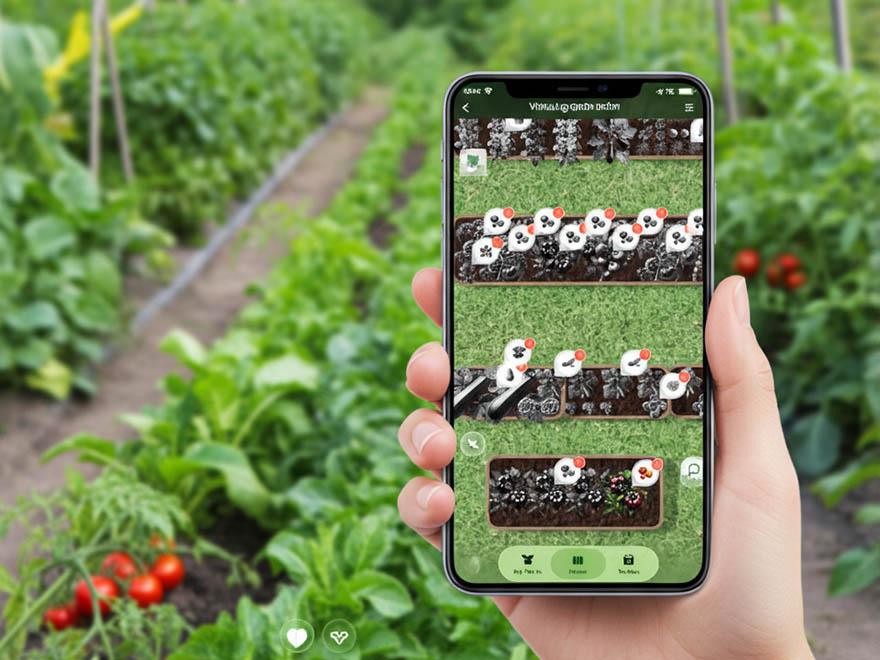
The EasyDacha app offers features that can significantly enhance transplant care, including:
- Personalized Care Reminders: Users receive notifications for watering and fertilization schedules.
- Data Tracking: The app allows users to log growth progress and environmental conditions.
- Resource Access: EasyDacha provides access to a wealth of gardening resources and tips.
Utilizing such tools can streamline the care process and improve seedling outcomes.
What Are Expert Tips to Prevent and Recover from Transplant Shock?
Preventing and recovering from transplant shock requires careful planning and execution.
Which Practices Minimize Stress During Seedling Transplanting?
To minimize stress during transplanting, consider the following practices:
- Timing: Transplant seedlings during cooler parts of the day, such as early morning or late afternoon, to reduce heat stress.
- Soil Preparation: Ensure the new planting site is well-prepared and free of weeds.
- Gentle Handling: Handle seedlings carefully to avoid damaging roots.
Implementing these practices can significantly reduce the risk of transplant shock.
Experts emphasize that proactive prevention and stress reduction are paramount in mitigating the effects of transplant shock.
Preventing & Minimizing Seedling Transplant Shock Prevention is the key to minimizing transplant shock. Only reducing transplant stress and may reverse transplant shock. Transplant shock: Disease or cultural problem, NW Gauthier, 2014
How Can Data-Driven Care Improve Seedling Survival Rates?
Data-driven care approaches can enhance seedling survival rates by:
- Utilizing Environmental Data: Monitoring temperature and moisture levels helps in making informed watering decisions.
- Adjusting Care Based on Feedback: Analyzing growth data allows for timely adjustments to care practices.
- Implementing Best Practices: Following evidence-based guidelines ensures optimal care.
By leveraging data, gardeners can improve their transplanting success and overall plant health.
Download gardening app