
Some seedlings love warmth — but not all of them. Many vegetables actually grow best in cooler temperatures. These cool-season crops thrive in early spring or fall, and extra heat can slow them down instead of helping.
Let’s explore which plants prefer the cold, why heat mats can harm them, and how to grow a strong cool-weather garden.
Let’s explore which plants prefer the cold, why heat mats can harm them, and how to grow a strong cool-weather garden.
What are cool-season plants?
Cool-season crops grow best when the air is crisp and the soil isn’t too warm. Many of them tolerate cold nights or even light frost.
Popular cool-season vegetables include:
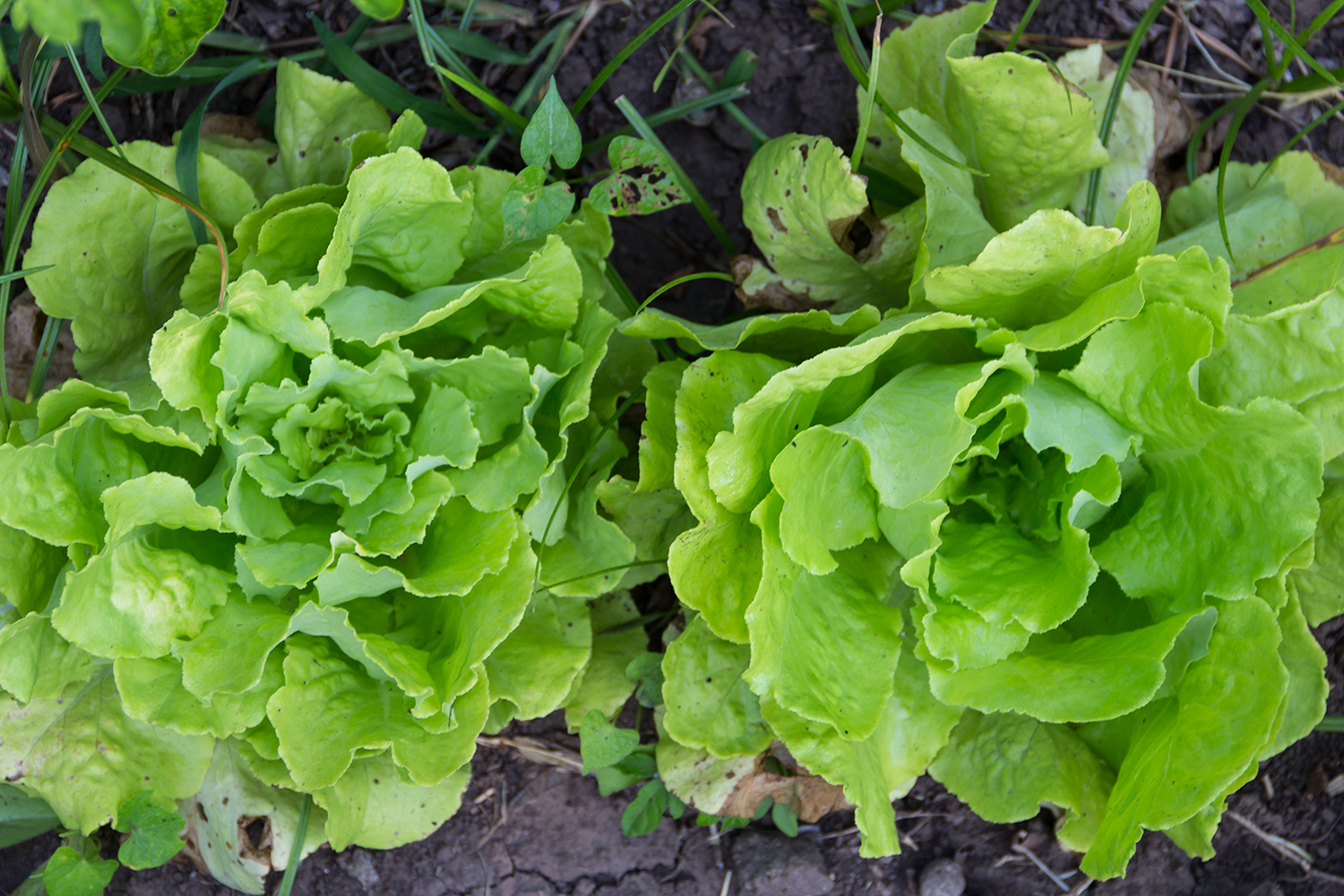
• Lettuce — loves chilly temperatures but bolts fast in heat
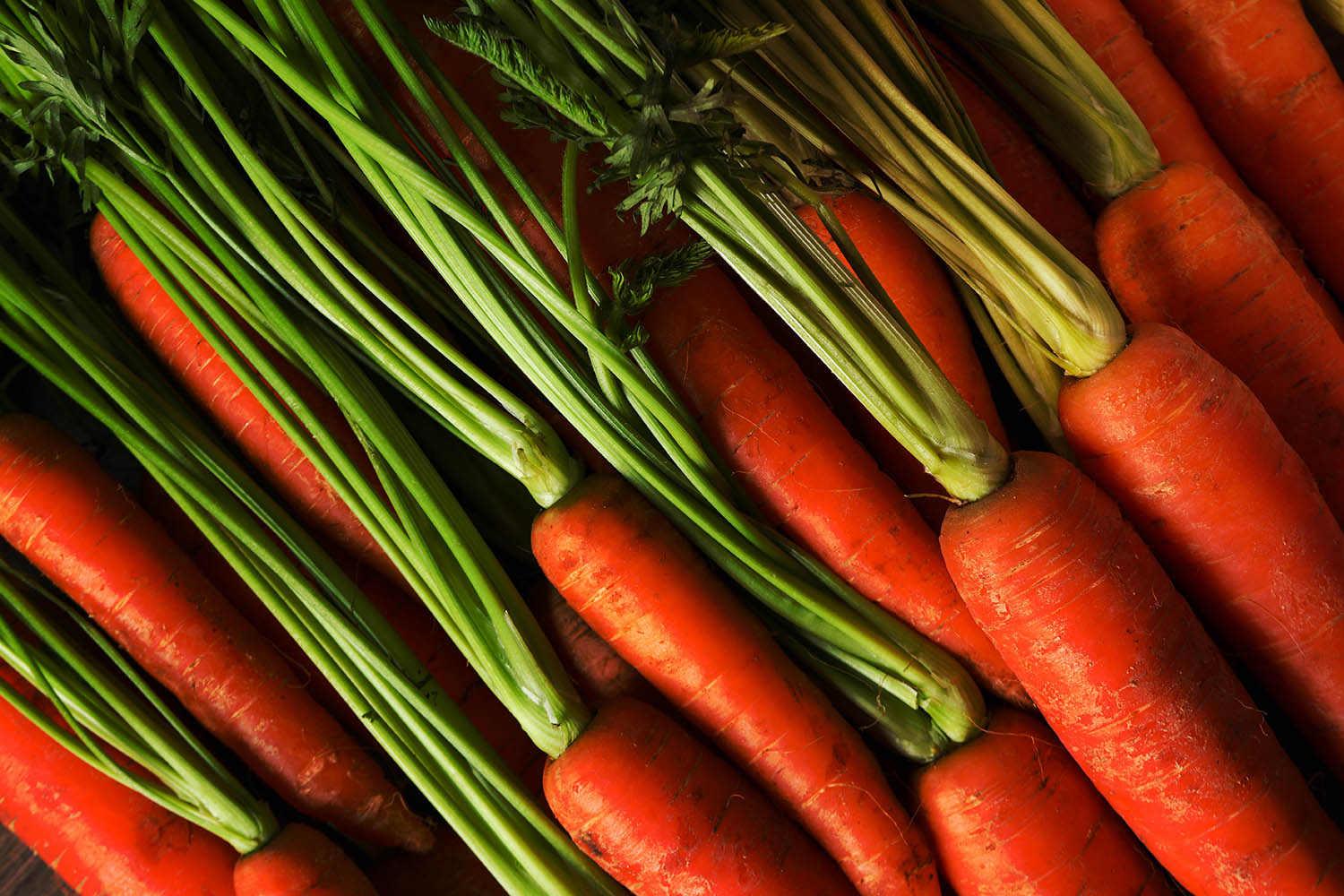
• Carrots — germinate best at 15–21°C (60–70°F)
• Onions — slow starters that prefer cool soil
• Arugula — spicy leaves that grow fast in cool days
• Spinach — becomes bitter and bolts in warm weather
• Celery — slow-growing but steady in cool climates
• Peas — sprout quickly in cool soil and handle frost
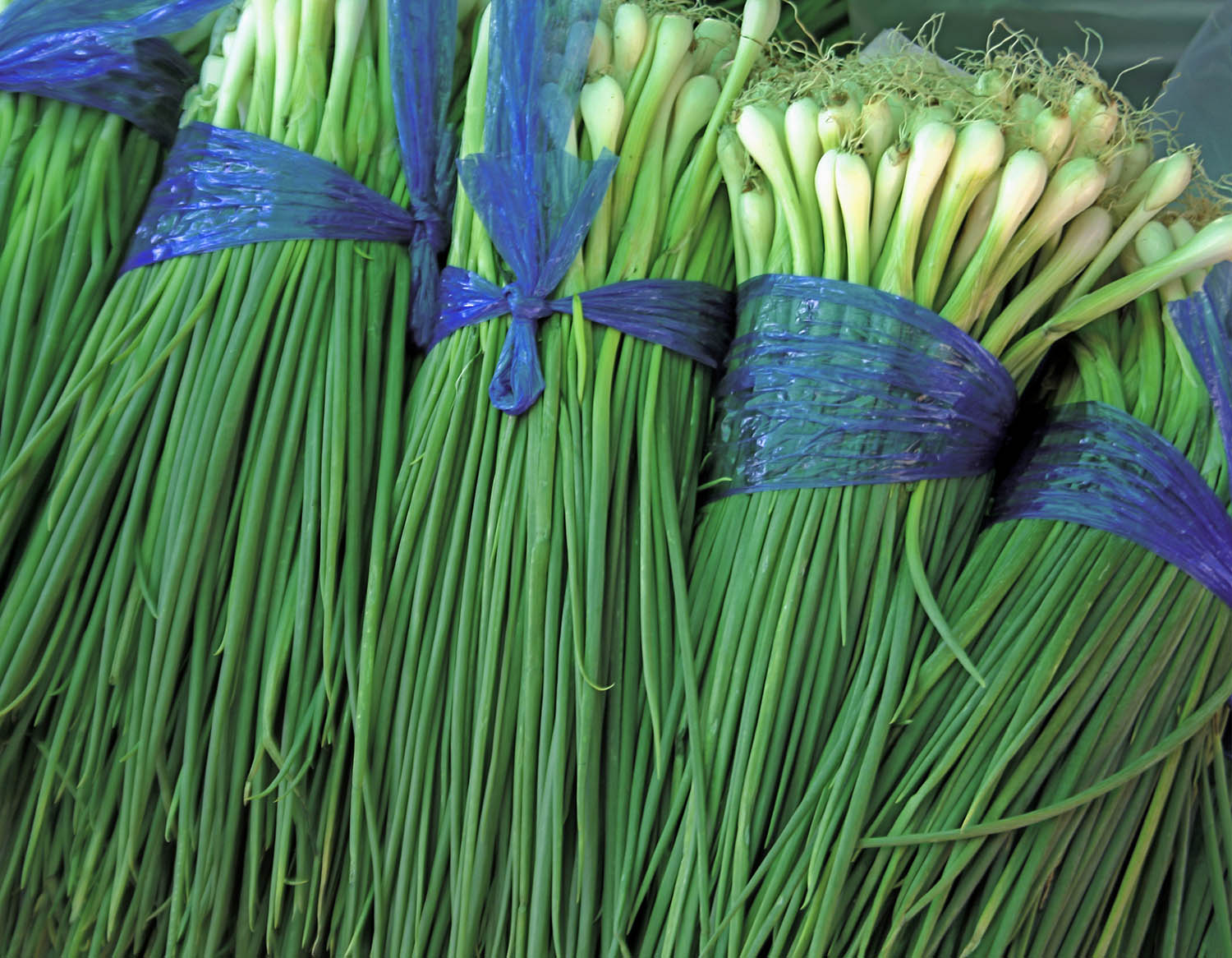
• Chives — hardy and frost-tolerant
These crops are ideal for early-spring and fall harvesting.
Popular cool-season vegetables include:
• Lettuce — loves chilly temperatures but bolts fast in heat
• Carrots — germinate best at 15–21°C (60–70°F)
• Onions — slow starters that prefer cool soil
• Arugula — spicy leaves that grow fast in cool days
• Spinach — becomes bitter and bolts in warm weather
• Celery — slow-growing but steady in cool climates
• Peas — sprout quickly in cool soil and handle frost
• Chives — hardy and frost-tolerant
These crops are ideal for early-spring and fall harvesting.
If you grow leafy greens like lettuce, spinach, or arugula, you may also like our guide on shade-loving garden plants, which explains how to protect tender greens in warmer climates.
Why Cool-Season Plants Don’t Need a Heat Mat
Heat mats are great for tomatoes, peppers, and other warm-season crops — but not for cool-weather vegetables.
Cool-season plants prefer soil temperatures between 7–21°C (45–70°F). Extra heat can:
• stress seedlings
• cause weak, leggy growth
• make plants bolt early
• delay germination or reduce success rates
Cool-season plants prefer soil temperatures between 7–21°C (45–70°F). Extra heat can:
• stress seedlings
• cause weak, leggy growth
• make plants bolt early
• delay germination or reduce success rates
Pro Tip: Save heat mats for warm-weather crops and keep cool-season vegetables in naturally cool rooms or outdoor conditions.
For warm-season crops like tomatoes or peppers, check out our article on sun-loving companion plants.
Why It’s Safe to Grow Cool-Weather Crops Outside
These plants are garden champions built for chilly conditions. They can:
• tolerate nighttime temperatures down to 4–5°C (40°F)
• grow stronger stems outdoors
• handle natural light and airflow better than indoors
To keep young seedlings safe:
• use a cold frame, plastic dome, or mini greenhouse
• keep soil moist but not soggy
• harden off indoor seedlings gradually
• tolerate nighttime temperatures down to 4–5°C (40°F)
• grow stronger stems outdoors
• handle natural light and airflow better than indoors
To keep young seedlings safe:
• use a cold frame, plastic dome, or mini greenhouse
• keep soil moist but not soggy
• harden off indoor seedlings gradually
If you’re hardening off seedlings, our guide on how to stop seedlings from stretching can help you grow compact, healthy plants.
Smart Growing Tips for Cool-Season Crops
Here are simple, effective ways to help your cool-weather plants thrive:
• Avoid overwatering — cool + wet = root rot
• Give 4–6 hours of sunlight daily
• Use a light, well-draining potting mix
• Add mulch to keep soil evenly moist
• Use a windbreak in breezy areas
• Avoid overwatering — cool + wet = root rot
• Give 4–6 hours of sunlight daily
• Use a light, well-draining potting mix
• Add mulch to keep soil evenly moist
• Use a windbreak in breezy areas
Bonus Tip: Add a windbreak (like a garden wall or row cover) for very breezy areas.
Planning Your Cool-Weather Garden
A bit of planning makes your early-spring or fall garden easier:
• Group cool-season plants together
• Choose raised beds or well-drained spots
• Plant as soon as the soil thaws
• Use shade cloth or mulch to extend the season
• Track temperatures to avoid unexpected heat waves
• Group cool-season plants together
• Choose raised beds or well-drained spots
• Plant as soon as the soil thaws
• Use shade cloth or mulch to extend the season
• Track temperatures to avoid unexpected heat waves
The easyDacha gardening app helps you plan these beds by analyzing your sunlight, weather patterns, and location to suggest the right plants and tasks for your climate.
🌱 Download the App to make your gardening journey smoother, more productive, and more enjoyable!
Think of these crops like mountain hikers — they thrive in fresh air, cool temps, and light soil.
Explore More Cool-Season Gardening Guides & Tips
• Optimal temperatures for seedling growth: a comprehensive guide
Learn the ideal temperature ranges for cool-season and warm-season crops, so your seedlings start strong.
• Shade-Loving Garden Friends: How to Grow Greens That Thrive in Low Light
Explore crops that prefer cooler, gentler conditions and grow well in spring and fall.
• Simplify Your Garden: How preventive gardening makes it easy
Discover simple planning and care strategies that help cool-season plants stay healthy and productive.
Learn the ideal temperature ranges for cool-season and warm-season crops, so your seedlings start strong.
• Shade-Loving Garden Friends: How to Grow Greens That Thrive in Low Light
Explore crops that prefer cooler, gentler conditions and grow well in spring and fall.
• Simplify Your Garden: How preventive gardening makes it easy
Discover simple planning and care strategies that help cool-season plants stay healthy and productive.