
Every startup begins with a vision, but turning that vision into a reality requires market research, product testing, and most importantly, securing the right funding. For easyDacha, our journey started by identifying the pain points that gardeners face and understanding how to address them effectively.
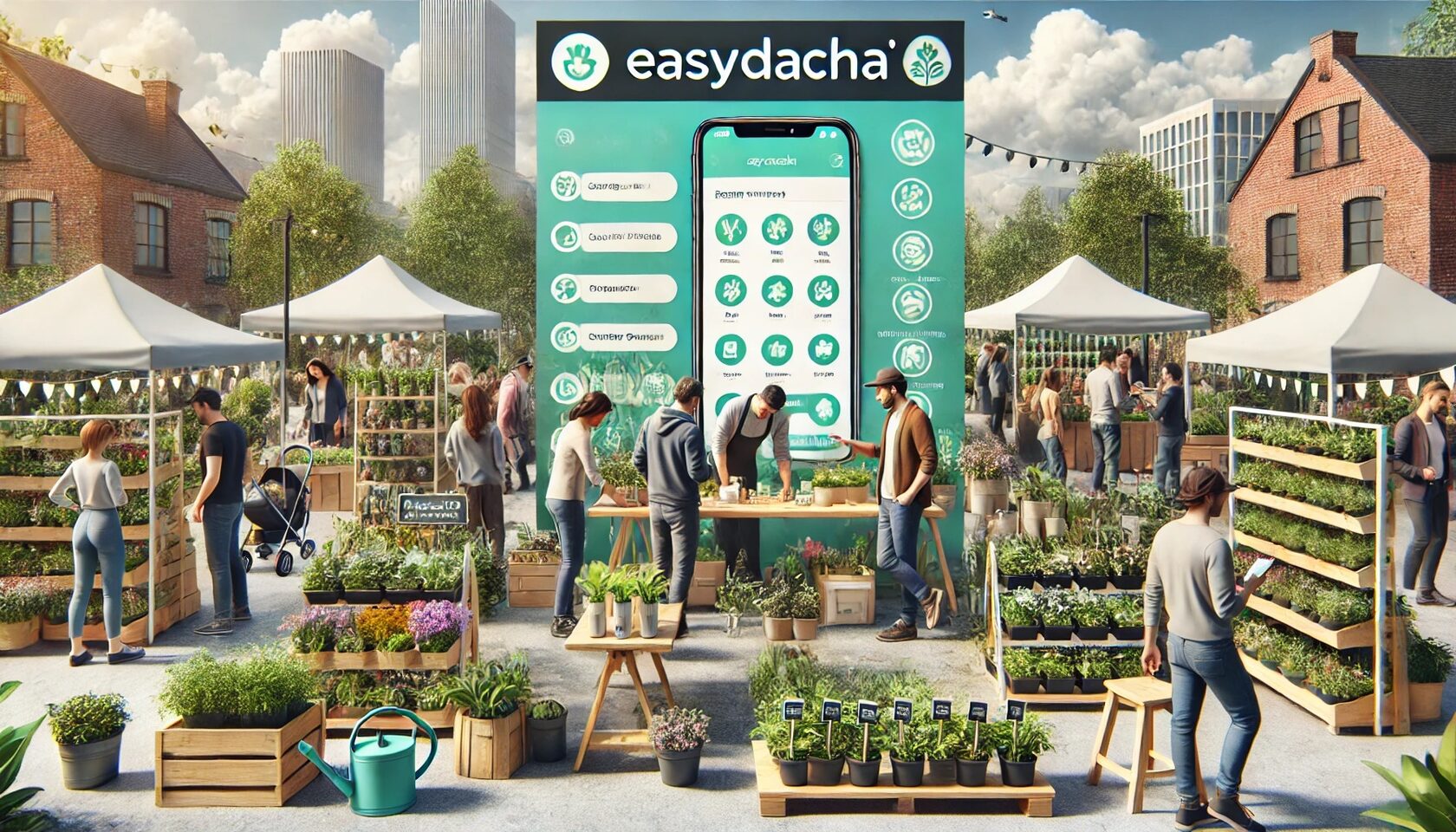
The picture is created by AI
We spoke with beginner gardeners who felt overwhelmed before they even planted their first seed. We also talked to experienced gardeners who struggled to keep track of planting dates, care routines, and past results. Despite years of experience, many relied on scattered notes, photos, or memory. That gap made it clear. The market needed a garden planner app that actually simplified the process instead of adding more complexity.
Our goal was not just to build another gardening tool. We wanted to create a solution that combined planning, plant care guidance, and data tracking in one place. Over time, that vision evolved into what we believe can become one of the best gardening app experiences for both beginners and advanced gardeners.
Our goal was not just to build another gardening tool. We wanted to create a solution that combined planning, plant care guidance, and data tracking in one place. Over time, that vision evolved into what we believe can become one of the best gardening app experiences for both beginners and advanced gardeners.
From Concept to MVP at Denver Startup Week
The first major step toward validating easyDacha happened at Denver Startup Week. We designed an early prototype of the product and applied to present it at Startup Alley. At that stage, the app was not fully built, but the core idea was clear. A visual, structured garden planner app that helps users understand what to do, when to do it, and why it matters.
Presenting the prototype allowed us to speak directly with potential users and early-stage investors. The conversations were honest and extremely valuable. Gardeners immediately recognized their own pain points in the product concept. Many shared how difficult it was to plan planting schedules, track progress, and avoid repeating the same mistakes each season.
This early feedback helped us confirm that the problem was real. It also showed us which features resonated most. Planning, reminders, and clear guidance consistently came up as the most requested elements. That feedback shaped how we continued developing the MVP and how we positioned easyDacha moving forward.
Presenting the prototype allowed us to speak directly with potential users and early-stage investors. The conversations were honest and extremely valuable. Gardeners immediately recognized their own pain points in the product concept. Many shared how difficult it was to plan planting schedules, track progress, and avoid repeating the same mistakes each season.
This early feedback helped us confirm that the problem was real. It also showed us which features resonated most. Planning, reminders, and clear guidance consistently came up as the most requested elements. That feedback shaped how we continued developing the MVP and how we positioned easyDacha moving forward.
Validating easyDacha Through Market Research
To go beyond event feedback, we focused on structured validation. One of the key methods we used was the Wizard of Oz approach. We created a landing page that presented easyDacha as a fully operational garden planner app, even though the backend was still in development.
Visitors could explore the concept and click a “Download App” button. Instead of an actual download, they were redirected to a signup form. This allowed us to measure real interest and calculate customer acquisition cost.
We launched a Google Ads campaign during late fall, which is typically a low-interest season for gardening. Even so, the results exceeded expectations. The campaign delivered a customer acquisition cost of just $0.87. That number was a strong signal. It showed that people were willing to engage with the idea even outside peak gardening season.
This data became a crucial part of our validation story. It demonstrated demand, market fit, and early traction. For potential partners and investors, it was clear evidence that easyDacha was more than just a concept.
Visitors could explore the concept and click a “Download App” button. Instead of an actual download, they were redirected to a signup form. This allowed us to measure real interest and calculate customer acquisition cost.
We launched a Google Ads campaign during late fall, which is typically a low-interest season for gardening. Even so, the results exceeded expectations. The campaign delivered a customer acquisition cost of just $0.87. That number was a strong signal. It showed that people were willing to engage with the idea even outside peak gardening season.
This data became a crucial part of our validation story. It demonstrated demand, market fit, and early traction. For potential partners and investors, it was clear evidence that easyDacha was more than just a concept.
Gardening App Validation Through Surveys and Farmer’s Market
To deepen our understanding, we combined online research with real-world conversations.
Online Surveys in Gardening Communities:
We ran surveys in large gardening groups and forums across social media platforms. These communities included millions of gardeners with different experience levels. The goal was to identify recurring challenges. Planning confusion, inconsistent care routines, and loss of historical data came up repeatedly.
These insights confirmed that gardeners were actively searching for better tools. Many respondents said they would use a garden planner app if it helped them avoid mistakes and saved time.
These insights confirmed that gardeners were actively searching for better tools. Many respondents said they would use a garden planner app if it helped them avoid mistakes and saved time.
In-Person Interviews at the Farmer’s Market
We also conducted in-person interviews at a local farmer’s market. Speaking face-to-face with gardeners provided deeper context. People shared how they managed their gardens season to season, what they tracked, and where things usually broke down.
These conversations reinforced our belief that the right product needed to be simple, visual, and adaptable. The feedback helped refine easyDacha’s feature set and confirmed that the concept could appeal to a broad audience. From beginners planting their first vegetables to experienced growers managing complex gardens.
These conversations reinforced our belief that the right product needed to be simple, visual, and adaptable. The feedback helped refine easyDacha’s feature set and confirmed that the concept could appeal to a broad audience. From beginners planting their first vegetables to experienced growers managing complex gardens.
Building the Team and Securing Funding for easyDacha
With strong validation data and a clear MVP direction, the next step was funding. Early market traction made conversations with investors more confident and focused. We were able to demonstrate real interest, a defined problem, and a growing audience.
Investors were particularly interested in the gardening market itself. Home gardening continues to grow steadily, driven by health, sustainability, and food security trends. easyDacha positioned itself not just as a tool, but as infrastructure for better gardening decisions.
Investors were particularly interested in the gardening market itself. Home gardening continues to grow steadily, driven by health, sustainability, and food security trends. easyDacha positioned itself not just as a tool, but as infrastructure for better gardening decisions.
Securing initial funding allowed us to move from concept to execution. We expanded the team, accelerated development, and began turning the validated idea into a working product designed to compete in the best gardening app category.
Conclusion
Building easyDacha from concept to validation required constant testing, listening, and iteration. Market research, MVP experiments, surveys, and direct conversations all played a role in shaping the product.
The journey is still ongoing. But the early validation showed us something important. When a real problem meets thoughtful design and data-driven decisions, even a complex space like gardening can become simpler.
If you are an entrepreneur working on your own idea, or someone interested in how products are built and validated, the easyDacha story shows the value of listening first and building second.
The journey is still ongoing. But the early validation showed us something important. When a real problem meets thoughtful design and data-driven decisions, even a complex space like gardening can become simpler.
If you are an entrepreneur working on your own idea, or someone interested in how products are built and validated, the easyDacha story shows the value of listening first and building second.
Join our PRE-LAUNCH LIST to be the first to try out our app, designed for beginners and pros alike. Happy gardening!