
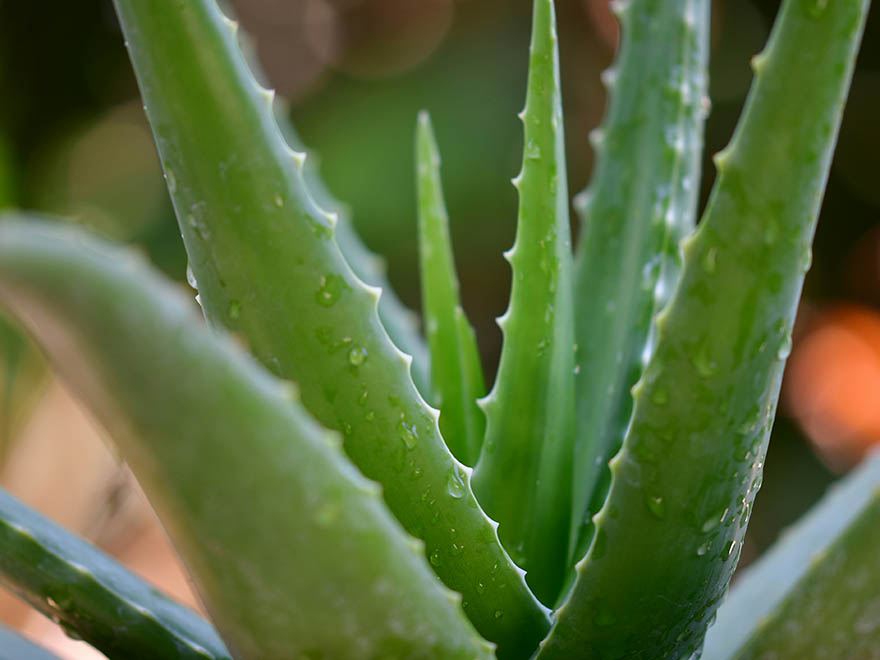
That aloe vera on your kitchen windowsill does more than treat sunburns. The gel inside the leaves contains natural growth hormones, enzymes, and salicylic acid that speed up seed germination, help cuttings root faster, and give transplants a boost when they need it most. This is one of the oldest gardening tricks in the biological gardening playbook, and it costs nothing if you already have the plant. One aloe leaf gives you enough solution for a full tray of seeds.
TL;DR: Aloe vera gel soaked in water creates a natural growth stimulant that speeds up seed germination by 24 to 48 hours, works as a rooting hormone for cuttings, and doubles as a foliar spray for transplants.
The recipe
For 3/4 cup (about 200 ml) of solution:
- 2 tablespoons (30 ml) fresh aloe vera gel, scooped from one medium leaf. Cut a leaf from the base of the plant (the oldest, thickest leaves have the most gel). Slice it open lengthwise and scoop the clear gel with a spoon.
- 3/4 cup (about 200 ml) room-temperature water
Harvest tip: cut aloe leaves in the early morning. Aloe stores malic acid overnight, and concentrations peak at dawn. By afternoon, much of it has converted. Morning-harvested gel is stronger.
Nice addition if you have one:
- Jade plant (Crassula) leaves contain higher concentrations of natural auxins than aloe and work even better for seed germination and root stimulation. Crush 2 to 3 jade plant leaves in 3/4 cup (about 200 ml) of water, let steep for 2 hours, and strain. Use the same way as the aloe solution. If you have both plants, jade plant is the stronger option for seed soaking.
Mix it:
- Scoop 2 tablespoons of gel from the aloe leaf into a blender or jar.
- Add 3/4 cup (about 200 ml) of room-temperature water.
- Blend for 10 seconds, or stir and mash with a fork until the gel dissolves.
- Strain through a fine mesh strainer if any chunks remain. The solution should be slightly cloudy.
Shelf life: use the same day you make it. Aloe gel breaks down quickly once mixed with water.
How to use it: three applications
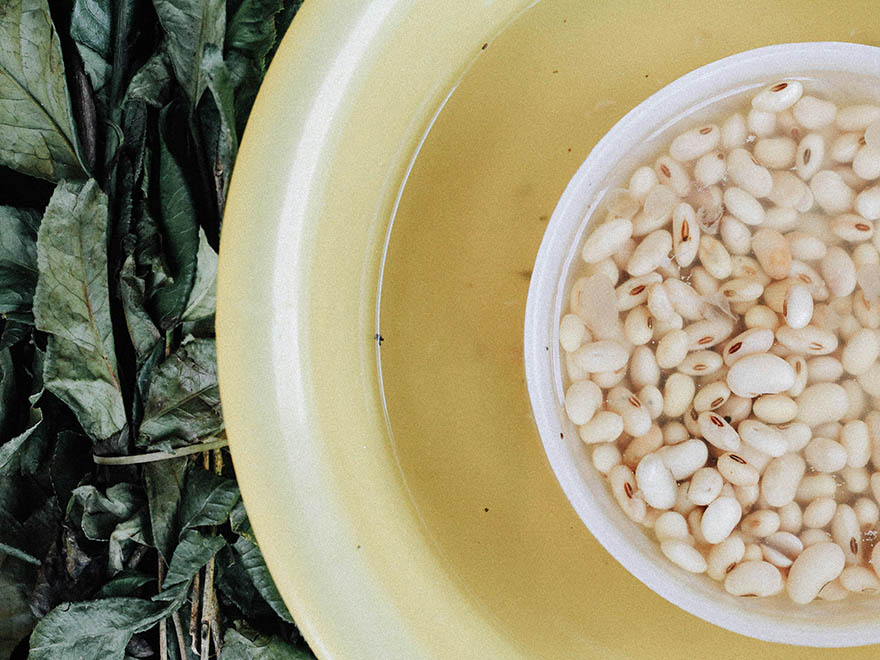
This one recipe serves three purposes. The base solution is the same. What changes is how you apply it.
Seed soak (pre-germination)
Pour the aloe solution into a shallow dish or jar. Drop your seeds in and soak at room temperature. Timing depends on the seed type:
- Tomatoes, cucumbers, lettuce, squash: 24 hours
- Peppers, eggplant: 48 to 72 hours (harder seed coats need more time)
- Herbs (basil, parsley, dill, cilantro): 12 to 24 hours
After soaking, plant seeds directly into your seed-starting mix. No need to rinse. The residual solution on the seed continues to promote germination.
Root dip (transplanting and cuttings)
Dip bare roots or cutting stems into the full-strength aloe solution for 10 to 15 minutes before planting. This works for vegetable transplants, herb cuttings, and rooting houseplant stems. The natural auxins in aloe vera encourage root cell growth the same way synthetic rooting hormone does.
Foliar spray (growth boost)
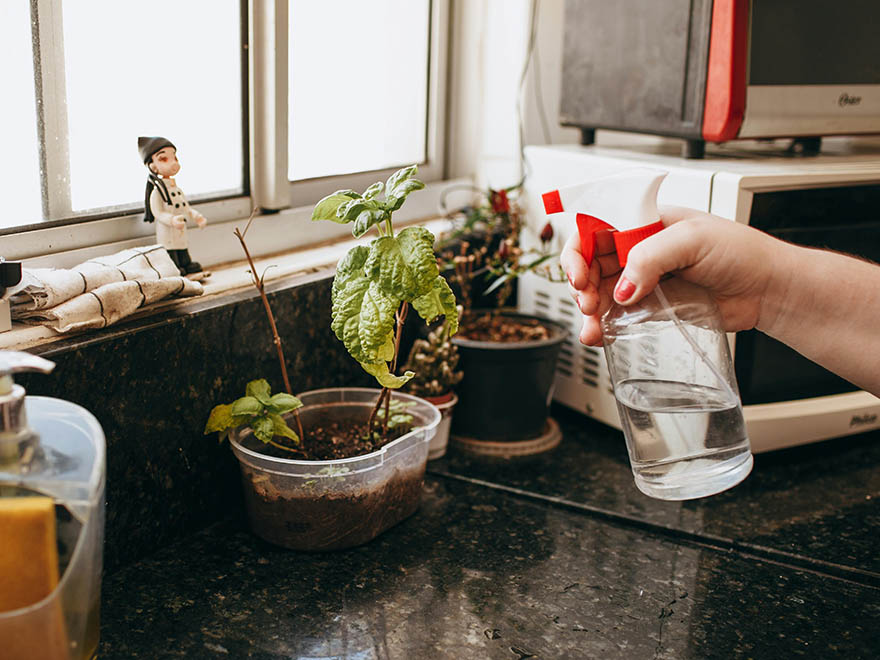
Dilute the solution 1:3 with water (1 part aloe mix, 3 parts water). Pour into a spray bottle and mist the leaves of transplants or young plants. Apply in early morning or evening. Use once a week for the first two to three weeks after transplanting.
Why aloe vera works on seeds and roots
Aloe vera gel contains salicylic acid, auxins, gibberellins, and a group of enzymes that soften seed coats and trigger root cell division. Salicylic acid also activates the plant's own immune response, which is why aloe-treated seedlings tend to resist damping off better than untreated ones.
The auxins are the key player for root growth. They signal cells to elongate and divide, which is exactly what a cutting or transplant needs in its first week. Synthetic rooting hormones (IBA powder) do the same thing, but aloe gives you a gentler, free version from your windowsill.
Jade plant (Crassula) contains even higher auxin concentrations than aloe, which is why the biological gardening tradition considers it the premium choice for seed soaking. But aloe is far more common in US households, and it works well.
Is this safe for all plants?
Yes. Aloe vera solution is gentle enough for every seed, cutting, and transplant. There are no chemicals, no pH issues, and no risk of burning roots or leaves at this dilution.
The only thing to watch: don't soak seeds longer than the recommended times above. Seeds left in any liquid too long can drown or start to rot. Stick to the timing.
What NOT to do
Don't use store-bought aloe vera juice or gel. The aloe from the grocery store (the kind you drink or put on skin) contains preservatives, citric acid, and thickeners. Use fresh gel from a live plant only.
Don't soak seeds for longer than 72 hours. Even peppers and eggplant don't need more than three days. Longer soaks risk waterlogging and seed rot.
Don't use the solution after 24 hours. Fresh aloe gel breaks down fast in water. Make a new batch each time you soak seeds or spray.
Don't skip the dilution for foliar spray. Full-strength solution on leaves can leave a sticky residue. Dilute 1:3 for spraying.
Best for which plants
Aloe vera seed germination works across the board, but some plants respond more noticeably than others.
- Tomatoes, peppers, eggplant — hard-coated seeds that benefit most from pre-soak. Peppers especially show faster emergence.
- Cucumbers, squash, melons — already fast germinators, but aloe makes them more consistent
- Herbs (basil, parsley, cilantro, dill) — parsley and cilantro are notoriously slow. Aloe cuts their germination time noticeably.
- Flower seeds (marigold, zinnia, sunflower) — respond well to a 12 to 24 hour soak
- Cuttings (basil stems, tomato suckers, houseplant stems) — the root dip works as a mild rooting hormone
If you grow on a balcony or in containers, aloe seed soak is especially useful. Faster germination means faster harvests in a short season.
When seeds still won't germinate
If you've soaked seeds in aloe and they're still not coming up after a week, the problem isn't the soak. Check three things. First: soil temperature. Most vegetable seeds need soil between 65°F and 85°F (18°C to 29°C) to germinate. Cold soil stalls everything. Second: seed age. Seeds older than two to three years lose viability regardless of treatment. Third: planting depth. Most seeds go in at twice their diameter, no deeper.
For a full diagnostic guide, see our seed starting troubleshooting article.
FAQ
Does aloe vera really speed up seed germination?
Yes. The salicylic acid and enzymes in aloe vera gel soften seed coats and trigger hormonal signals that speed up germination. In most cases, aloe-soaked seeds emerge 24 to 48 hours earlier than untreated seeds. The effect is strongest on hard-coated seeds like peppers, eggplant, and parsley.
Can I use aloe vera as rooting hormone?
Yes. Aloe vera contains natural auxins that promote root cell division, similar to synthetic rooting powders (IBA). Dip cuttings or bare transplant roots in full-strength aloe solution for 10 to 15 minutes before planting. It's gentler than synthetic hormone but works well for home garden use.
How long should I soak seeds in aloe vera?
Tomatoes, cucumbers, and lettuce: 24 hours. Peppers and eggplant: 48 to 72 hours. Herbs: 12 to 24 hours. Don't exceed 72 hours for any seed type. After soaking, plant directly into seed-starting mix without rinsing.
Is jade plant better than aloe vera for seed soaking?
Jade plant (Crassula) contains higher concentrations of natural auxins and is considered the premium option in biological gardening methods. If you have one, crush 2 to 3 leaves in 3/4 cup (200 ml) water, steep for 2 hours, strain, and use. If you don't, aloe vera works well and is far more common in US homes.
Can I use the bottled aloe vera from the store?
No. Store-bought aloe vera juice and gel contain preservatives, citric acid, and thickeners that interfere with seed germination. Use fresh gel scooped directly from a live aloe vera plant.
Is aloe vera seed soak safe for organic gardening?
Yes. It's fresh plant gel mixed with water. Nothing synthetic, nothing prohibited. Aloe vera is accepted in all organic gardening practices.
Is there a gardening app that tracks seed starting schedules?
Yes. The easyDacha vegetable garden app builds your seed-starting calendar based on your zone and last frost date. It tells you when to soak, when to sow, and when to transplant, all on a 7-day task list. Free 14-day trial at easydacha.com/download.
Know exactly when to start every seed
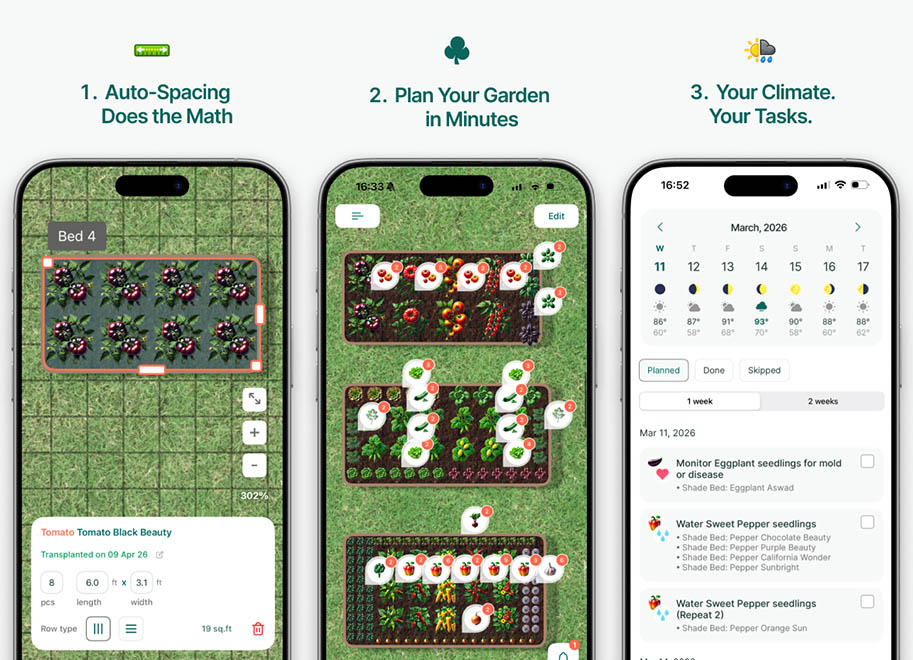
The difference between a great garden and a frustrating one is timing. Start seeds too early and they get leggy indoors. Too late and you lose weeks of growing season.
The easyDacha garden planner app calculates your exact sowing dates from your ZIP code and builds a week-by-week task list: when to soak, when to sow indoors, when to harden off, when to transplant. No guessing, no spreadsheets.
Try easyDacha free for 14 days →. The gardening app that plans your season in 60 seconds. Cancel anytime.
Related reading on easydacha.com
- Seed Starting Troubleshooting: Why Seeds Fail and How to Fix It — when soaking alone isn't enough, this covers every reason seeds fail.
- How to Care for Vegetable Seedlings Indoors — what to do once your seeds germinate: light, water, feeding.
- Seed Starting Tips: When to Soak Seeds and When to Skip It — which seeds benefit from soaking and which don't need it.
- Vegetable Gardening for Beginners: A Step-by-Step Guide — the full beginner guide if you're just getting started.