
That white, powdery coating on your squash leaves isn't dust. It's powdery mildew, a fungal disease that spreads fast in warm, humid conditions. Left alone, it weakens the plant, reduces yields, and jumps to neighboring crops within days. The simplest treatment is already in your kitchen. Baking soda (sodium bicarbonate) raises the pH on the leaf surface above the range where powdery mildew can grow. Mixed with a drop of liquid soap to help it stick, it makes an effective spray you can put together in two minutes. The critical rule: don't use more than 1 teaspoon per quart. Too much burns the leaves.
TL;DR: Mix 1 teaspoon (5 ml) baking soda and 1 teaspoon (5 ml) liquid soap in 1 quart (about 1 L) of water. Spray leaves weekly as a preventive, every 5 days for active mildew. Do not exceed 1 teaspoon of baking soda per quart or you'll damage foliage.
The recipe
One recipe. The concentration matters. Don't adjust it upward.
For 1 quart (about 1 L) of spray:
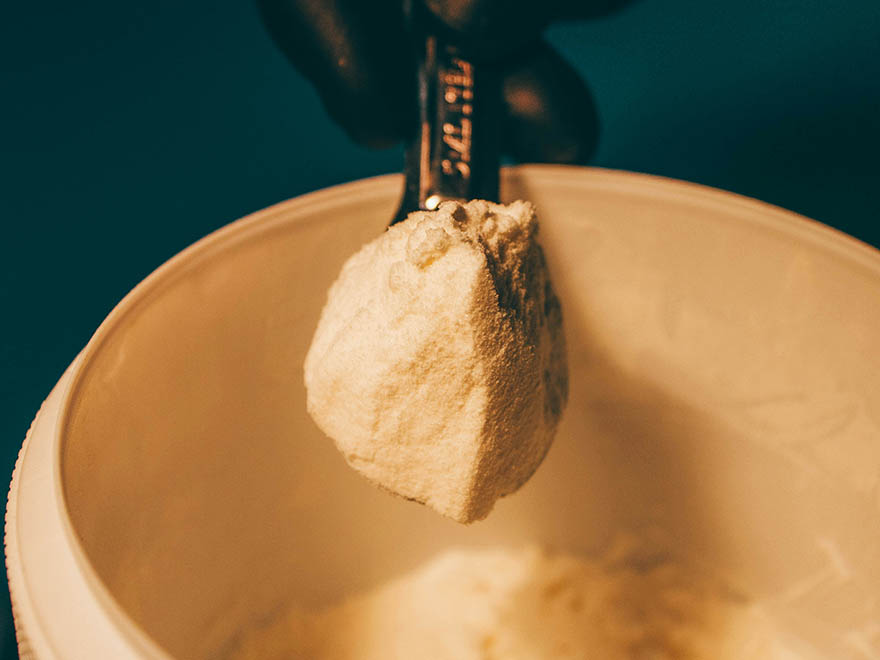
- 1 teaspoon (5 ml) baking soda (sodium bicarbonate). Regular grocery store baking soda. Not baking powder, not washing soda.
- 1 teaspoon (5 ml) liquid dish soap. Plain, unscented. Dawn or any basic dish soap works. Avoid anything with bleach, antibacterial agents, or fragrance oils.
- 1 quart (about 1 L) water
Mix it:
- Pour 1 quart (about 1 L) of water into a spray bottle or garden sprayer.
- Add 1 teaspoon (5 ml) of baking soda.
- Add 1 teaspoon (5 ml) of liquid dish soap.
- Cap and shake gently until the baking soda dissolves. It takes about 30 seconds.
That's it. Ready to spray.
Shelf life: use the same day you mix it. Baking soda starts losing effectiveness in solution over time as it reacts with dissolved CO2. Mix a fresh batch each time.
How to apply
Spray both the tops and undersides of leaves until they're evenly coated but not dripping. Powdery mildew grows on both leaf surfaces, so coverage matters.
Timing:
- Preventive: spray once a week starting when conditions favor mildew (warm days, cool nights, humidity above 60%, poor air circulation).
- Active mildew: spray every 5 days until the white patches stop spreading. You won't erase existing mildew, but you'll stop it from colonizing new leaves.
- After rain: reapply. Rain washes the spray off.
When to spray: early morning or late evening. Never spray in direct midday sun. Water droplets on leaves act like tiny lenses and can cause sunburn spots, and the solution evaporates before it does any good.
What to expect: baking soda spray prevents new mildew growth. It doesn't remove the white patches already on infected leaves. Those leaves are damaged. The goal is to protect the healthy leaves that haven't been hit yet.
Why baking soda works on powdery mildew
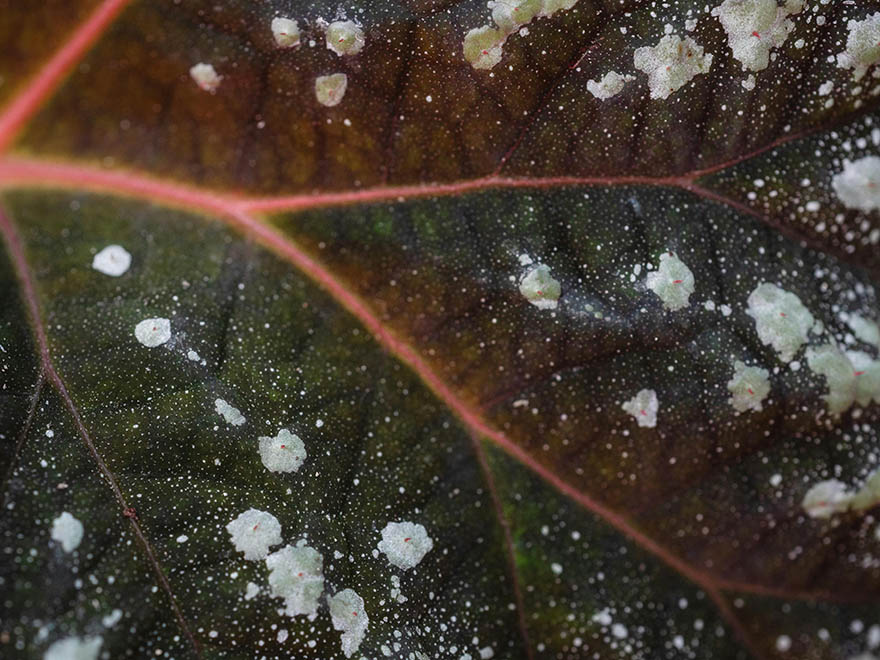
Powdery mildew fungi thrive at a leaf surface pH between 6.0 and 7.0. Baking soda is alkaline (pH around 8.3 in solution). When you spray it onto leaves, it bumps the surface pH above the range where mildew spores can germinate and spread. The fungus can't establish on an alkaline surface.
The liquid soap has two jobs. First, it breaks the surface tension of water so the spray spreads evenly across the waxy leaf surface instead of beading up. Second, it helps the baking soda solution cling to the leaf long enough to work.
This is a contact treatment. It only works where it lands. That's why full coverage on both sides of the leaf matters, and why you need to reapply after rain.
The concentration warning (read this)
Do not use more than 1 teaspoon of baking soda per quart of water. This is the most common mistake people make with this recipe.
At 1 teaspoon per quart, the spray is effective against mildew and safe for foliage. At 2 teaspoons or more, sodium buildup on the leaves causes leaf burn. You'll see brown, crispy edges and spots that look worse than the mildew itself.
Sodium bicarbonate leaves sodium on the leaf and in the soil. In small amounts, it's harmless. In large or repeated heavy doses, sodium accumulates and can damage plants. Stick to the recipe. More is not better.
If you want a stronger option, see the note on potassium bicarbonate below.
Potassium bicarbonate: the upgrade
Potassium bicarbonate works the same way as baking soda but is more stable in solution and doesn't leave sodium on your plants. It leaves potassium instead, which plants actually use. Some university extension programs recommend it over baking soda for exactly this reason.
Use the same recipe: 1 teaspoon (5 ml) potassium bicarbonate plus 1 teaspoon (5 ml) liquid soap per quart (about 1 L) of water. Apply the same way.
Potassium bicarbonate costs more ($8 to $12 per pound versus pennies for baking soda) and you won't find it in the baking aisle. Look for it at garden supply stores or online. For a small garden, baking soda works fine. For frequent spraying on large plantings, the potassium version is worth the upgrade.
Is baking soda spray safe for all plants?
Safe for most plants at the correct concentration. Squash, cucumbers, melons, roses, zinnias, tomatoes, peppers, and most vegetables tolerate it well.
A few plants are more sensitive to sodium. If you're spraying delicate herbs, young transplants, or plants already stressed by heat or drought, test on a few leaves first. Wait 24 hours and check for brown spots before spraying the whole plant.
The soap can also cause issues on very tender foliage. If you see leaf damage after the first application, reduce the soap to half a teaspoon per quart.
What NOT to do
Don't increase the baking soda. 1 teaspoon per quart. Not 2, not "a heaping teaspoon," not "a little extra for a bad case." Higher concentrations burn leaves and deposit excess sodium.
Don't spray in direct sun. Midday sun plus wet leaves equals burn spots. Spray in early morning or late evening.
Don't expect it to cure infected leaves. Baking soda prevents new mildew growth on healthy leaves. Leaves already covered in white patches are damaged. Pick off heavily infected leaves and throw them in the trash (not the compost).
Don't mix it ahead of time. Baking soda loses effectiveness in water within hours. Mix fresh each time you spray.
Don't confuse baking soda with baking powder or washing soda. Baking powder contains acids and starches that make the spray useless. Washing soda (sodium carbonate) is far more alkaline and will burn plants. Use plain baking soda (sodium bicarbonate) only.
Best for which plants
Powdery mildew hits certain plants harder than others. These are the ones where baking soda spray makes the biggest difference.
- Squash, zucchini, pumpkin — powdery mildew attacks cucurbits harder than almost anything else. Start spraying preventively when you see the first true leaves.
- Cucumbers and melons — same family, same vulnerability. Once one vine gets it, the rest follow fast.
- Roses — a classic mildew target, especially in humid climates with poor air circulation.
- Zinnias and phlox — the two most mildew-prone annual flowers.
- Tomatoes and peppers — less common than on cucurbits, but mildew appears in crowded, humid conditions.
For all of these, start spraying before you see symptoms. Once mildew appears, you're managing the spread, not preventing it.
When baking soda spray isn't enough
If you're spraying weekly and mildew keeps spreading, the problem is environmental. Powdery mildew thrives in three conditions: poor air circulation, humidity above 60%, and warm days followed by cool nights.
Fix the environment first. Space plants farther apart. Prune for airflow. Water at the base, not overhead. Remove the lowest leaves on vining crops so air moves through the canopy.
If mildew is severe and baking soda isn't holding it back, switch to potassium bicarbonate for a stronger treatment. For plants that get mildew every single year, look into resistant varieties next season. Most modern squash, cucumber, and melon varieties are bred with powdery mildew resistance.
For a full pest and disease control overview, see our homemade organic pesticide guide.
FAQ
Does baking soda really kill powdery mildew?
Baking soda doesn't kill existing mildew. It prevents new mildew spores from germinating by raising the leaf surface pH above 8.0, outside the range where powdery mildew fungi can grow. Spray it on healthy leaves to protect them. Leaves already covered in white patches are damaged and should be removed.
How often should I spray baking soda for powdery mildew?
Once a week as a preventive. Every 5 days if you already see active mildew spreading. Reapply after any rain since water washes the spray off. Always spray in early morning or evening, never in direct midday sun.
Can I use more baking soda for a stronger spray?
No. Do not exceed 1 teaspoon (5 ml) per quart (about 1 L) of water. Higher concentrations leave excess sodium on leaves, causing leaf burn: brown, crispy edges and spots. More baking soda does not mean more protection. It means damaged foliage.
Is potassium bicarbonate better than baking soda for mildew?
Yes, slightly. Potassium bicarbonate is more stable in solution and leaves potassium on the leaf surface instead of sodium. Plants use potassium. They don't use sodium. Same recipe, same application. Potassium bicarbonate costs more ($8 to $12 per pound) and isn't available in grocery stores, but it's a better option for frequent spraying.
Can I use baking soda spray on squash and cucumbers?
Yes. Squash, cucumbers, melons, and pumpkins are the #1 targets for powdery mildew and the #1 reason gardeners search for this recipe. Start spraying preventively when you see the first true leaves on your cucurbits. Don't wait for white patches to appear.
Should I remove leaves that already have powdery mildew?
Yes. Heavily infected leaves won't recover. The white patches are fungal colonies that produce spores spreading to nearby leaves. Remove infected leaves, bag them, and throw them in the trash. Don't compost mildew-infected foliage.
Is there a gardening app that reminds me when to spray?

Yes. The easyDacha garden planner app builds spray schedules into your 7-day task list, tied to your actual beds and plants. It tells you when to spray and when to reapply. Download the app at easydacha.com/download.
Never forget a spray day again
Mildew spreads between treatments. Miss one week and you're back to square one. The hard part isn't mixing the spray. It's remembering the schedule.
The easyDacha gardening app builds spray schedules into your weekly task list, tied to your actual garden beds. Each treatment lands on the right day. No guessing, no missed windows.
Try easyDacha app →. The garden planner app that plans your season in 60 seconds. Cancel anytime.
Related reading on easydacha.com
- Homemade Organic Pesticide for the Vegetable Garden — more DIY recipes for pest and disease control.
- Vegetable Gardening for Beginners: A Step-by-Step Guide — the full beginner guide covering soil, timing, and planning.
- Companion Planting Guide: Double Your Harvest Naturally — plant combinations that improve airflow and reduce disease pressure.
- Seed Starting Troubleshooting: Why Seeds Fail and How to Fix It — diagnosing seedling problems before they reach the garden.