
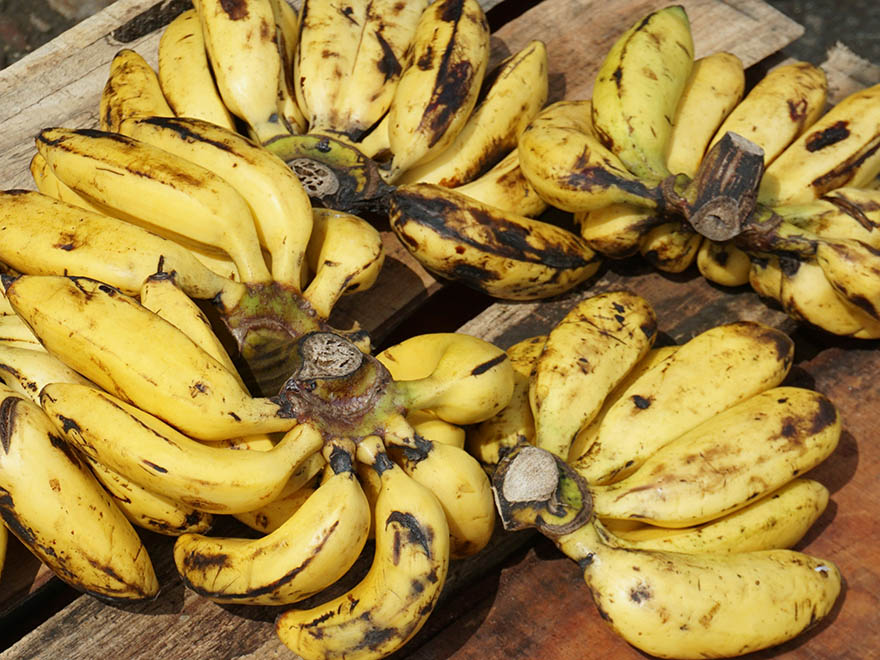
Every banana you eat leaves behind a peel that's roughly 42% potassium by dry weight. Potassium is the nutrient that drives flowering, fruit set, and root strength. Most synthetic fertilizers deliver it as potassium chloride or sulfate. Banana peels deliver it for free, from your kitchen counter. You can soak the peels in water for a slow extraction or blend them into a concentrate for a stronger batch. Either way, you end up with a mild liquid potassium feed that fruiting plants love.
TL;DR: Banana peel fertilizer is a free potassium source for fruiting and flowering plants. Soak 3 peels in 1 quart (about 1 L) of water for 48 hours, or blend peels with water and strain. Dilute 1:5 before applying. Use within 3 days.
The recipes
Two methods. The cold brew takes longer but involves zero mess. The blended version is stronger and ready faster.
Method 1: Cold brew (48-hour soak)
The hands-off method. Drop peels in water, wait, pour.
For 1 quart (about 1 L) of concentrate:
- 3 banana peels, roughly chopped
Mix it:
- Chop 3 banana peels into 1-inch (2.5 cm) pieces. Smaller pieces mean more surface area and faster extraction.
- Drop the pieces into a jar or pitcher.
- Add 1 quart (about 1 L) of room-temperature water.
- Cover loosely and let sit at room temperature for 48 hours.
- Remove the peels and discard them (compost if you can).
The water will turn light brown. That's the potassium and other minerals leaching out of the peels.
Before using: dilute 1:5 with water. One part banana peel concentrate to five parts water. This is important. Full-strength concentrate is too rich and can cause salt buildup in the soil.
Method 2: Blended concentrate (stronger, faster)
A thicker brew with more nutrients extracted. Takes 10 minutes instead of 2 days.
For 1 quart (about 1 L) of concentrate:
- 2 to 3 banana peels
- 2 cups (about 500 ml) water
Mix it:
- Tear 2 to 3 banana peels into chunks.
- Add the chunks and 2 cups (about 500 ml) of water to a blender.
- Blend on high for 30 seconds until smooth.
- Strain through cheesecloth, a fine mesh strainer, or an old t-shirt into a jar.
- Add enough water to bring the total volume to 1 quart (about 1 L).
Before using: dilute 1:5 with water, same as the cold brew. The blended version is more concentrated, so the dilution step matters even more here.
Shelf life for both methods: use within 3 days. Banana peel water ferments fast at room temperature. If it starts to smell sour or fizzy, toss it and make a fresh batch. Mold on the surface means it's gone.
How to apply
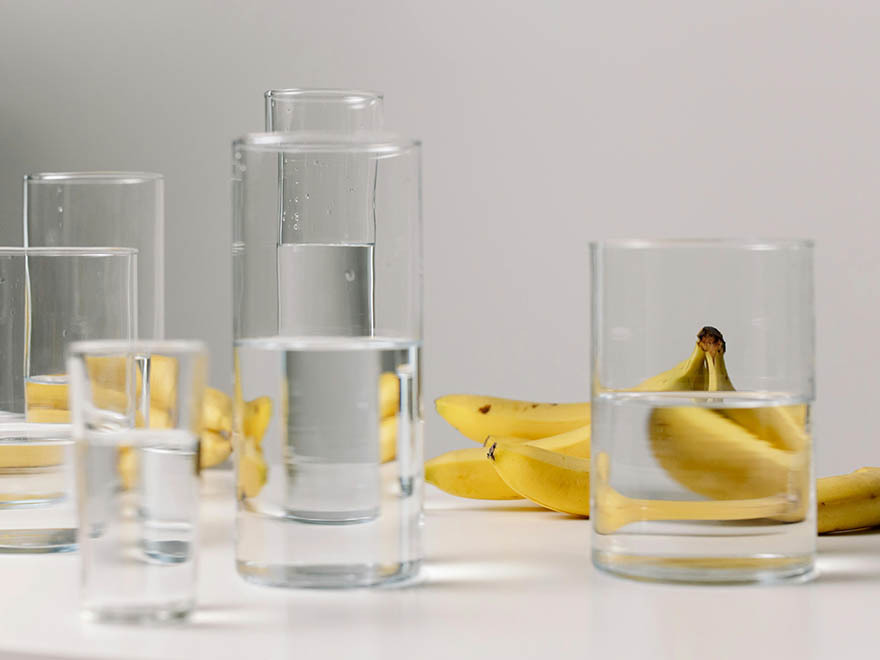
Pour 1 cup (about 240 ml) of the diluted solution at the base of each plant as a soil drench. Water the soil, not the leaves. Wet banana residue on foliage attracts fruit flies and can encourage fungal spots.
Frequency: once every 2 weeks during the growing season. Start when plants begin flowering and continue through fruit set. That's the period when potassium demand peaks.
For containers, use the same 1 cup per plant, but water with plain water in between feedings. Potassium salts can accumulate faster in pots than in garden beds.
Why banana peels work as fertilizer
Banana peels contain potassium, phosphorus, calcium, and magnesium. Potassium is the star. It regulates water movement inside plant cells, activates enzymes involved in photosynthesis, and strengthens the plant's ability to resist drought and disease.
When you soak or blend peels in water, the soluble minerals dissolve out of the peel tissue and into the liquid. The cold brew extracts less total nutrient than the blended version, because blending breaks open more cell walls. Both methods give you a mild, balanced feed. Think of it as a light supplement, not a replacement for your main fertilizer program.
The NPK ratio of banana peel water is roughly 0-0.5-2.5 (very low nitrogen, moderate phosphorus, high potassium). That potassium-heavy profile is exactly what flowering and fruiting plants need once they stop putting energy into leaf growth and start setting fruit.
Is this safe for all plants?
Yes. Banana peel fertilizer at 1:5 dilution is gentle enough for every plant in the garden. It won't burn roots, won't affect soil pH, and won't interfere with other fertilizers.
It's especially useful for plants in the fruiting and flowering stage. Tomatoes, peppers, squash, roses, and flowering annuals all respond well to the extra potassium.
Seedlings don't need it. Young plants need nitrogen for leaf growth, not potassium for fruiting. Save the banana peel water for mature plants that are flowering or setting fruit.
What NOT to do
Don't skip the dilution. Full-strength banana peel concentrate can cause potassium salt buildup in the soil, especially in containers. Always dilute 1:5 before applying.
Don't keep it longer than 3 days. Banana peel water ferments quickly. Fermented solution attracts gnats, smells terrible, and can introduce harmful bacteria to your soil. If it's fizzy, cloudy, or smells off, pour it out.
Don't pour it on leaves. Banana residue on foliage is a magnet for fruit flies and can promote fungal growth. Drench the soil at the base of the plant only.
Don't use it as your only fertilizer. Banana peel water is a potassium supplement, not a complete feed. Plants also need nitrogen and phosphorus in balanced amounts. Use it alongside your regular fertilizer program, not instead of it.
Best for which plants
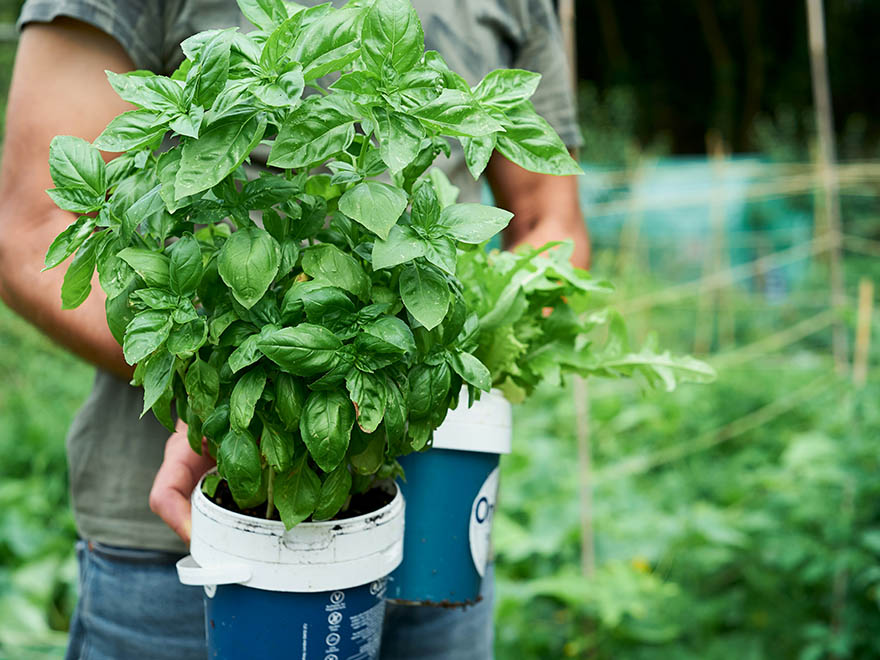
Banana peel fertilizer is best for plants that are actively flowering or fruiting.
- Tomatoes — the classic match. Extra potassium during fruiting improves fruit quality and helps prevent thin-skinned, watery tomatoes.
- Peppers and eggplant — same high potassium demand once flowering begins.
- Squash, cucumbers, melons — heavy feeders that set large fruit. Potassium keeps the fruit firm.
- Roses and flowering annuals — potassium drives flower production. Rose growers have used banana peel water for decades.
- Container herbs in bloom (basil, cilantro going to flower) — a light potassium boost extends the productive period before bolting.
Skip for: seedlings, leafy greens focused on vegetative growth, and newly transplanted plants that need nitrogen first.
When banana peel water isn't working
If you're feeding with banana peel water and plants still look weak during fruiting, the issue is probably elsewhere. Check three things. First: are you feeding nitrogen too? Banana peels are almost zero nitrogen. Fruiting plants still need some. Second: soil moisture. Potassium uptake drops in dry soil. Keep watering consistent. Third: timing. Start banana peel feedings when the first flowers open, not before. Early-season plants need nitrogen and phosphorus, not potassium.
For a full feeding schedule by growth stage, see our vegetable gardening beginner guide.
FAQ
Does banana peel water really work as fertilizer?
Yes. Banana peels contain roughly 42% potassium by dry weight, plus phosphorus and calcium. Soaking or blending peels in water extracts these minerals into a mild liquid feed. It's a light potassium supplement, not a complete fertilizer, so use it alongside a balanced feeding program for best results.
How often should I use banana peel fertilizer?
Every 2 weeks during the flowering and fruiting stage. Apply 1 cup (about 240 ml) of diluted solution per plant as a soil drench. Don't use it on seedlings or plants still in vegetative growth. Potassium matters most once flowers open.
What's the difference between soaking and blending banana peels?
Soaking (cold brew) takes 48 hours and extracts minerals gently through the peel surface. Blending breaks open more cell walls and releases more nutrients into the water, producing a stronger concentrate in 10 minutes. Both work. The blended version just delivers a heavier dose per batch.
Can banana peel fertilizer burn plants?
Not at 1:5 dilution. Full-strength concentrate can cause potassium salt buildup in the soil over time, especially in containers. Always dilute one part concentrate to five parts water before applying.
Is banana peel water good for tomatoes?
Yes. Tomatoes are heavy potassium feeders once they start setting fruit. Banana peel fertilizer delivers exactly the nutrient profile tomatoes need during fruiting: high potassium, some phosphorus, almost no nitrogen. Apply every 2 weeks from first flower through harvest.
Can I use banana peel fertilizer on indoor plants?
You can, but use it sparingly. Indoor plants grow more slowly and need less feeding. Dilute 1:5 and apply once a month at most. Watch for gnats. If the solution smells at all off, don't bring it indoors.
Is there a gardening app that schedules plant feedings?
Yes. The easyDacha vegetable garden app builds a feeding schedule for every plant in your garden, timed to each growth stage. Seedling, vegetative, flowering, fruiting. Each feeding task lands on the right day. Download the app at easydacha.com/download.
Feed at the right time, every time
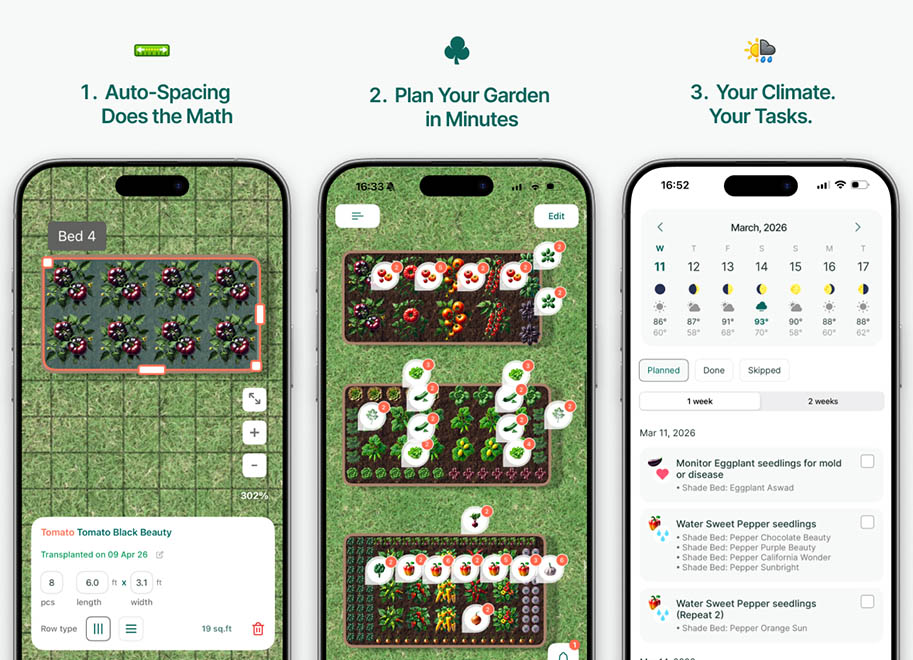
Potassium at fruiting, nitrogen at transplant, phosphorus at root set. Every stage needs something different, and the window matters more than the product.
The easyDacha garden planner app schedules feeding tasks by growth stage for every plant in your garden. Each task tells you what to feed and when. No guessing, no spreadsheets.
Try easyDacha app →. The gardening app that plans your season in 60 seconds. Cancel anytime.
Related reading on easydacha.com
- Vegetable Gardening for Beginners: A Step-by-Step Guide — the full beginner guide including soil, feeding, and first-year planning.
- Homemade Organic Pesticide for the Vegetable Garden — more DIY recipes for garden pest control.
- Seed Starting Troubleshooting: Why Seeds Fail and How to Fix It — diagnosing every reason seedlings die.
- Companion Planting Guide: Double Your Harvest Naturally — which plants grow better together.