
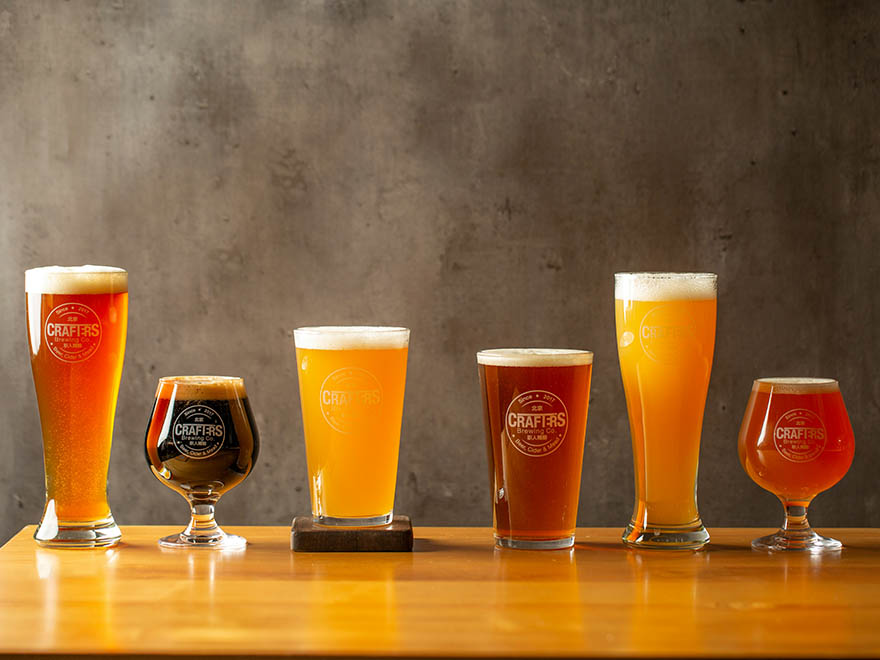
Slugs and snails are attracted to the smell of fermenting yeast. Beer is full of it. Bury a small container of cheap beer in your garden so the rim sits at soil level. Slugs smell the yeast, crawl in, and drown. It's the oldest trick in the slug control playbook, and it works. A single trap won't clear an entire garden. But a grid of 3 to 5 traps in a problem area will drop the slug population fast. The setup takes five minutes. The maintenance takes two: empty and refill every 2 to 3 days.
TL;DR: Bury a jar or cup in the soil so the rim is level with the surface. Fill with about 1 cup (240 ml) of cheap beer. Slugs are attracted by the yeast smell, fall in, and drown. Place 3 to 5 traps per 12 square yards (about 10 m²). Empty and refill every 2 to 3 days.
The setup
No recipe to mix. Just beer and a container.
You need:
- Small containers: yogurt cups, mason jars, tuna cans, or any smooth-sided container about 3 to 4 inches (8 to 10 cm) deep
- Cheap beer. Any brand. The cheapest lager at the store works perfectly.
Set it up:
- Dig a hole in the soil where you've seen slug damage. The hole should be deep enough that the rim of your container sits level with the soil surface. Not above it, not below it. Level.
- Place the container in the hole. Pack soil around the outside to hold it steady.
- Fill the container about two-thirds full with beer. About 1 cup (240 ml) for a standard jar or yogurt cup.
- Leave it overnight. Slugs are most active after dark and in early morning hours.
That's the whole setup. Check it in the morning.
Why the rim must be at soil level: slugs crawl along the ground. If the rim sticks up above the soil, slugs have to climb over it, and many won't bother. If the rim is too low, rain washes soil into the trap and dilutes the beer. Level is the target.
Placement and how many traps you need
One trap catches the slugs near it. A grid of traps covers an area.
Spacing: place 3 to 5 traps per 12 square yards (about 10 m²) of garden bed. Space them roughly evenly across the area. Slugs won't travel far for a beer smell. Each trap has an effective range of about 3 feet (1 m) in every direction.
Where to place them:
- Near plants that slugs love most: hostas, lettuce, strawberries, young seedlings, marigolds.
- Along the edges of raised beds where slugs climb up from surrounding soil.
- In shaded, moist spots where slugs hide during the day (under mulch, near stones, along fence lines).
- Between rows in the vegetable garden, not directly against plant stems. You want to intercept slugs on their way to your plants, not at the plants themselves.
Avoid placing traps: in the middle of open, sunny, dry ground. Slugs don't travel across dry exposed soil. Put the traps where the slugs already are.
Which beer to use
The cheapest lager you can find. Slugs are attracted to the yeast and fermentation byproducts, not the hops or flavor profile. There is no reason to use good beer.
Store-brand lager, whatever's on sale, leftover flat beer from a party. All work. Studies have tested different beer types and found no significant difference between brands or styles for slug attraction.
Non-alcoholic beer also works. The yeast compounds are still present. If you don't buy alcohol, this is a fine substitute.
A DIY yeast alternative: dissolve 1 teaspoon (5 ml) of sugar and 1/4 teaspoon (about 1 g) of active dry yeast in 1 cup (240 ml) of warm water. Let it sit for an hour until it starts to foam. This yeast-water attracts slugs the same way beer does. It costs almost nothing and avoids the beer purchase entirely.
Maintenance
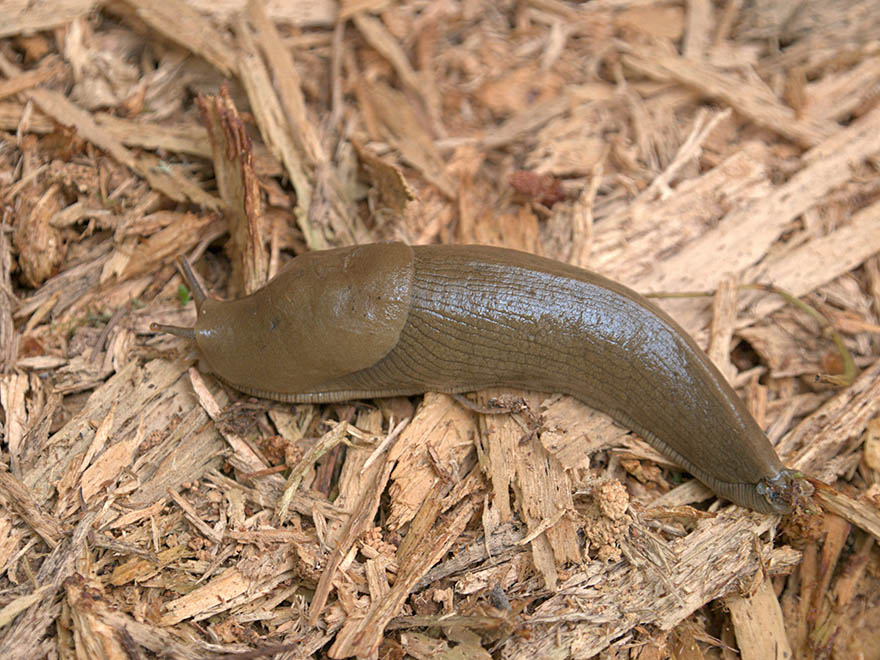
Beer traps are not set-and-forget. They need regular attention.
Empty and refill every 2 to 3 days. Dead slugs accumulate and the beer loses its yeast smell as it goes flat and dilutes from dew. Dump the contents onto the compost pile or into the trash. Refill with fresh beer.
After rain: check all traps. Heavy rain dilutes the beer and can flood the containers with soil runoff. Dump, clean, and refill after any significant rainfall.
In hot weather: beer evaporates faster. You may need to top off traps daily in midsummer. The smell also dissipates faster in heat.
Slug disposal: the drowned slugs in the trap are safe to compost. They break down quickly. If the sight bothers you, dump the trap contents into a plastic bag and throw it in the trash.
When to set traps (seasonal timing)
Slugs are most active in cool, moist conditions. That means spring and fall are peak seasons.
Spring: set traps as soon as the soil thaws and nights stay above 40°F (4°C). This is when slugs emerge from overwintering spots and start feeding on new growth and seedlings. Early trapping reduces the population before they breed.
Summer: slug activity drops during hot, dry weather. Traps are less effective when the ground is baked. Focus traps in shaded, irrigated areas where moisture persists.
Fall: slug activity peaks again as temperatures cool and rain returns. Set traps to reduce the population that will overwinter and emerge next spring.
Remove traps in winter when the ground freezes. Slugs go dormant below 40°F (4°C).
Why beer traps work (and their limits)
The yeast in beer produces carbon dioxide and ethanol as it ferments. Slugs detect these compounds from several feet away and move toward the source. The smooth sides of the container and the liquid surface mean that once a slug enters, it can't climb back out. It drowns.
Beer traps are effective at reducing slug numbers in a targeted area. They are not effective at eliminating slugs from an entire property. Slugs reproduce constantly in moist conditions, and new ones migrate in from surrounding areas.
Think of beer traps as population control, not eradication. They protect a specific bed or planting area by intercepting slugs before they reach your crops. For severe infestations, combine traps with other methods: hand-picking at dusk, crushed eggshell barriers, copper tape around raised beds, or iron phosphate bait.
What NOT to do
Don't set the rim above soil level. Slugs crawl. They won't climb a wall to reach the beer. The rim must be flush with the surrounding soil surface.
Don't use deep containers. A 3 to 4 inch (8 to 10 cm) depth is plenty. Deeper containers are harder to bury and harder to empty. Wide and shallow catches more slugs than narrow and deep.
Don't leave traps for a week. Stale, flat beer loses its attractant. Dead slugs decompose and create a smell that repels rather than attracts. Every 2 to 3 days, empty and refill.
Don't place traps right against plant stems. You'll draw slugs toward the plants you're protecting. Set traps between rows or 1 to 2 feet (30 to 60 cm) away from high-value plants. Intercept them in transit.
Don't use wine, liquor, or soda. Wine and liquor lack the yeast compounds that attract slugs. Soda attracts ants, not slugs. Beer (or the yeast-water alternative) is the only liquid that works.
Best for which areas
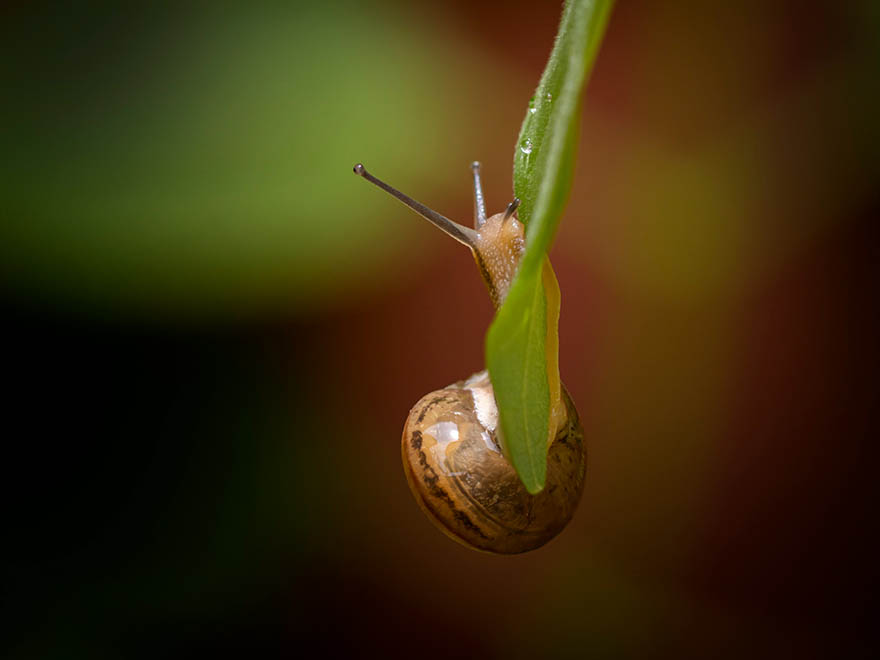
Beer traps work anywhere slugs are active. Some spots get more value than others.
- Lettuce and salad beds — slugs eat tender lettuce overnight. Traps around the bed perimeter protect the crop.
- Seedling areas — young transplants are the most vulnerable. Set traps the night you transplant.
- Hosta beds — the #1 ornamental slug target. A grid of traps through the hosta planting keeps damage down.
- Strawberry patches — slugs eat ripening fruit at ground level. Traps between rows intercept them.
- Raised bed edges — slugs climb the sides of raised beds from the surrounding soil. Set traps at the base of the bed walls.
- Shaded, moist garden corners — slug habitat. Traps here catch the highest numbers.
How do you get rid of slugs in the garden?
The fastest control is a beer trap: sink a shallow cup to its rim near the damaged plants and fill it with beer. The yeast smell draws slugs in and they drown overnight. For bigger problems, combine traps with hand-picking after dark with a flashlight, when slugs feed, and reduce damp hiding spots by thinning heavy mulch. Iron phosphate pellets are a pet-safe option for serious infestations.
FAQ
Does the beer trap for slugs really work?
Yes. Slugs are attracted to the yeast and fermentation byproducts in beer. They crawl into the container and drown. A grid of 3 to 5 traps per 12 square yards significantly reduces slug damage in the trapped area. Beer traps are population control, not eradication. Combine with other methods for severe infestations.
What kind of beer works best for slug traps?
The cheapest lager you can find. Slugs are attracted to yeast compounds, not flavor or brand. Store-brand lager, flat leftover beer, and non-alcoholic beer all work equally well. Studies show no significant difference between beer types.
How deep should I bury a beer slug trap?
Bury the container so the rim is exactly level with the soil surface. Not above it (slugs won't climb over) and not below it (rain washes soil in). The container itself should be 3 to 4 inches (8 to 10 cm) deep. Wide and shallow works better than narrow and deep.
How often do I need to empty and refill beer traps?
Every 2 to 3 days. Dead slugs accumulate, the beer goes flat, and the yeast smell fades. Dump the contents, rinse the container, and refill with fresh beer. Also empty and refill after any significant rain.
How many beer traps do I need per garden bed?
Three to five traps per 12 square yards (about 10 m²). Each trap has an effective range of about 3 feet (1 m). Space them evenly across the area. Place them near slug-prone plants and in shaded, moist spots where slugs hide.
Can I use something besides beer for a slug trap?
Yes. Dissolve 1 teaspoon of sugar and 1/4 teaspoon of active dry yeast in 1 cup (240 ml) of warm water. Let it foam for an hour. This yeast-water mixture attracts slugs the same way beer does and costs almost nothing. Don't use wine, soda, or juice.
What is the fastest way to kill slugs overnight?
A beer trap. Set it in the evening and empty it in the morning.
Do coffee grounds or eggshells stop slugs?
They help a little as a barrier but will not fix a real infestation. Traps and hand-picking work better.
Is there a gardening app that reminds me to check slug traps?
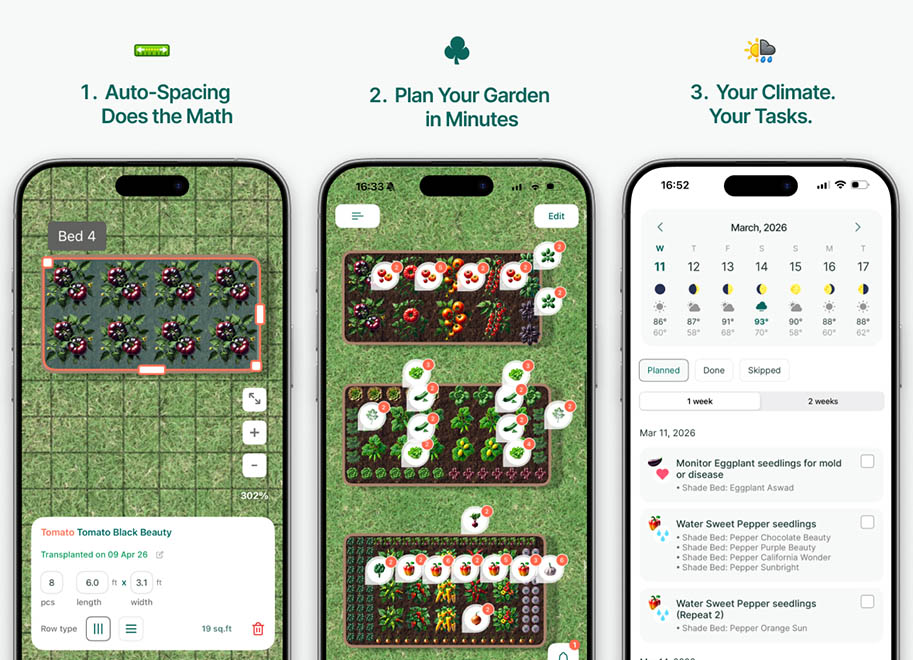
Yes. The easyDacha garden planner app builds pest control tasks into your weekly schedule, tied to your actual beds and plants. Try the App at easydacha.com/download.
Protect your seedlings tonight
Slugs do their worst damage overnight, to the plants you just put in the ground. A few jars of cheap beer are all that stands between them and your lettuce.
The easyDacha gardening app builds pest control tasks into your 7-day task list, tied to your actual garden beds. Trap checks, spray schedules, feeding reminders. Each task lands on the right day.
Try easyDacha app →. The garden planner app that plans your season in 60 seconds. Cancel anytime.
Related reading on easydacha.com
- Homemade Organic Pesticide for the Vegetable Garden — more DIY pest control methods.
- Vegetable Gardening for Beginners: A Step-by-Step Guide — the full beginner guide covering soil, timing, and planning.
- Caring for Transplanted Seedlings: First 2 Weeks Critical Care Guide — protecting seedlings during the most vulnerable window.
- Companion Planting Guide: Double Your Harvest Naturally — plant combinations that support garden health.