
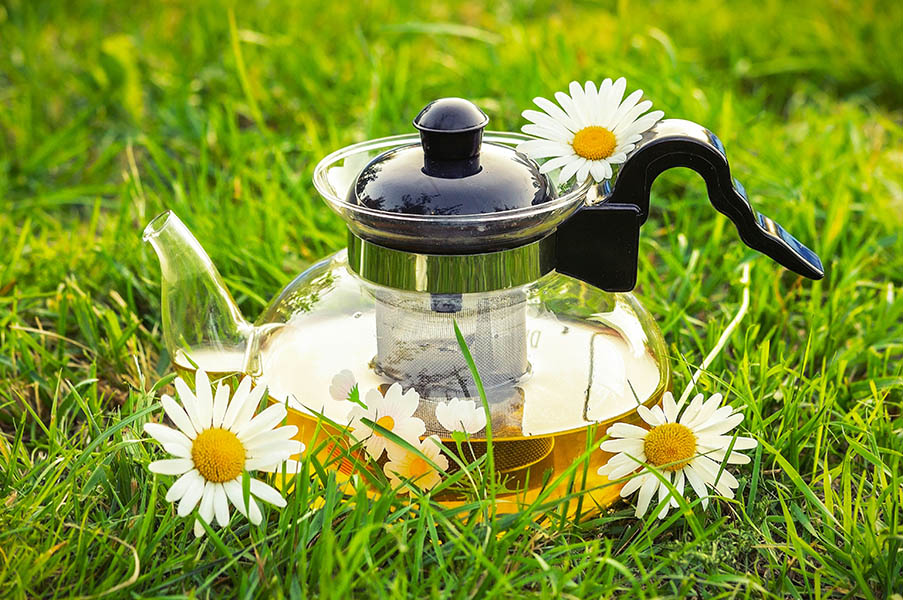
You start seeds indoors, everything looks perfect for a week, and then one morning half your seedlings are flopped over at the soil line like someone pinched them. That's damping off. It's a fungal infection that moves through wet soil and kills seedlings before they ever get a real root system. By the time you see it, those seedlings are dead. Chamomile tea for seedlings works because it stops the fungus before it gets a grip. One brew, one drench, and your seed trays are protected for almost nothing.
TL;DR: Chamomile tea for seedlings is a simple antifungal drench that prevents damping off by suppressing the soil fungi that kill young plants at the base, using dried chamomile flowers steeped in boiling water.
The recipe
For 1 cup (240 ml) of boiling water:
- 1 tablespoon dried chamomile flowers, or 3 chamomile tea bags. Look for plain chamomile at any grocery store tea aisle. Loose dried flowers work best and cost less in bulk. A 1-ounce (28 g) bag from the spice section or Amazon runs about $3-5 and makes dozens of batches.
Mix it:
- Pour boiling water over the chamomile in a heat-safe jar or mug.
- Cover and steep for 15 minutes.
- Strain through a fine mesh strainer (or remove tea bags).
- Cool completely to room temperature.
- Dilute 1:1 with cool water. You now have about 2 cups (480 ml) of working solution.
Shelf life: brew fresh and use within 24 hours. There are no preservatives in this. Old chamomile tea grows its own mold, which defeats the purpose.
How to apply
Chamomile tea works as a soil drench, not a foliar spray. Pour about 1/4 cup (60 ml) of the diluted tea around each seedling or into each cell of a seed tray. The goal is to wet the top inch (2.5 cm) of soil where damping-off fungi live.
The best time to drench is right after sowing seeds and again when seedlings first break the surface. Those are the two highest-risk moments for damping off.
You can also mist the soil surface lightly between waterings if conditions are humid or your seed trays are in a closed dome. Remove the dome once seedlings emerge to improve airflow.
Repeat once a week until seedlings have their first set of true leaves. At that point, stems thicken and the damping-off risk drops sharply. Most seedlings need two or three treatments total.
Why chamomile tea prevents damping off
Chamomile flowers contain bisabolol and chamazulene. Both are antifungal. They suppress Pythium and Rhizoctonia, the two fungi behind most damping-off kills in home seed trays.
The tea doesn't sterilize your soil. It tips the balance against the fungi that attack stems at the soil line. The organisms are still there, but they can't get established as easily on a drenched tray.
This is preventive, not curative. If a seedling has already flopped over, chamomile tea won't bring it back. Pull the dead one, drench the neighbors, and get a fan on the tray.
Is this safe for seedlings?
Yes. It's diluted herbal tea. There are no chemicals, no soap, and no risk of root burn at this concentration.
It works on vegetable, herb, and flower seedlings alike. Safe for organic gardens. Won't affect germination, won't shift soil pH.
The only rule: make sure the tea is fully cooled before you pour it on your seed tray. Room temperature or slightly cool is what you want.
What NOT to do
Don't pour hot tea on seedlings. Boiling or warm water kills roots and cooks young stems. Always cool the tea completely before using it.
Don't overwater. Soggy soil is the #1 cause of damping off. Chamomile tea helps, but it can't fix a tray that's sitting in standing water. Good drainage matters more than any treatment.
Don't use old tea. If it's been sitting for more than 24 hours, dump it and brew a fresh batch. Old herbal tea grows mold.
Don't wait for symptoms. By the time you see seedlings falling over, those plants are dead. Start the chamomile drench at sowing, before any problems appear.
Best for which plants
All seedlings are vulnerable to damping off, but some lose more than others.
- Tomatoes, peppers, eggplant — the nightshade family is especially vulnerable during the first two weeks
- Basil — notorious for damping off in cool, wet conditions
- Lettuce, spinach, brassicas (broccoli, kale, cabbage) — cool-season crops started indoors in humid trays
- Marigolds, zinnias, petunias — flower seedlings are just as susceptible
- Herbs from seed (parsley, cilantro, dill) — slow germinators that sit in moist soil longer, giving fungi more time
If you're starting seeds in a greenhouse or humidity dome, chamomile tea is especially worth the effort. Warm, enclosed air with moist soil is exactly where damping-off fungi thrive.
When damping off keeps happening
If you've drenched with chamomile tea and seedlings are still dying, check three things. First: airflow. A small fan on low, pointed at your seed trays, makes a bigger difference than any treatment. Stagnant air above wet soil is the perfect damping-off environment. Second: watering frequency. Water from the bottom when possible and let the soil surface dry slightly between waterings. Third: your potting mix. Reused soil or garden dirt carries more fungal spores than fresh sterile seed-starting mix.
For a full guide to seed-starting failures and how to fix them, see our seed starting troubleshooting guide.
FAQ
Does chamomile tea really prevent damping off?
Yes. The active compounds in chamomile (bisabolol and chamazulene) have proven antifungal activity against Pythium and Rhizoctonia. It won't eliminate every loss, but weekly drenches cut damping-off rates noticeably. Cornell Cooperative Extension and several other programs list chamomile tea as a low-cost preventive for home seed starting.
Can I use chamomile tea bags instead of loose flowers?
Yes. Use 3 standard tea bags per 1 cup (240 ml) of boiling water. Make sure the tea bags are plain chamomile with no added flavors, sweeteners, or other herbs. Loose flowers are cheaper in bulk, but tea bags work the same way.
How often should I drench seedlings with chamomile tea?
Once a week is enough for most setups. Start with a drench right after sowing, again when seedlings emerge, and once more a week later. Three treatments usually carry seedlings past the high-risk stage. In very humid conditions or closed domes, you can mist the soil surface between drenches.
What does damping off look like?
The stem pinches and darkens right at the soil line. The seedling falls over and lies flat on the soil. It happens overnight. By morning, healthy-looking seedlings from the day before are lying down and won't recover. The speed is what shocks most first-time growers.
Is chamomile tea safe for organic gardening?
Yes. Chamomile tea is just dried flowers steeped in water. It contains no synthetic chemicals, and dried chamomile is widely available as OMRI-listed or certified organic. There's nothing in this recipe that disqualifies your garden from organic practices.
Can I use chamomile tea on established plants in the garden?
You can, but it's most effective on seedlings. Once plants are past the seedling stage, their stems are thick enough that damping-off fungi can't penetrate them. Chamomile tea for seedlings targets the vulnerable window between germination and the first true leaves.
Is there an app that helps with seedling care schedules?

Yes. The easyDacha vegetable garden app builds a care plan for your seedlings from sowing through transplant, including when to water, feed, and treat. You set your seed starting date, and the app schedules each task on your 7-day calendar automatically. Download at apps.apple.com/app/easydacha.
Take the guesswork out of seed starting
Seed starting has a lot of moving parts. When to sow, when to water, when to feed, when to treat, when to harden off, when to transplant. Miss one and the whole tray pays for it.
The easyDacha garden planner app turns that into a 7-day task list tied to your actual seed trays and beds. Sow tomatoes indoors on March 1, and the app puts your chamomile drench, first feeding, hardening-off window, and transplant date on the calendar. All based on your zone and last frost date.
Try easyDacha app →. The gardening app that plans your season in 60 seconds. Cancel anytime.
Related reading on easydacha.com
- Seed Starting Troubleshooting: Why Seeds Fail and How to Fix It — covers all the reasons seedlings die, not just damping off.
- How to Care for Vegetable Seedlings Indoors — watering, lighting, and feeding for indoor seed starting.
- Vegetable Gardening for Beginners: A Step-by-Step Guide — the pillar guide for first-time growers.
- Homemade Organic Pesticide for the Vegetable Garden — more DIY recipes for pest and disease control.