
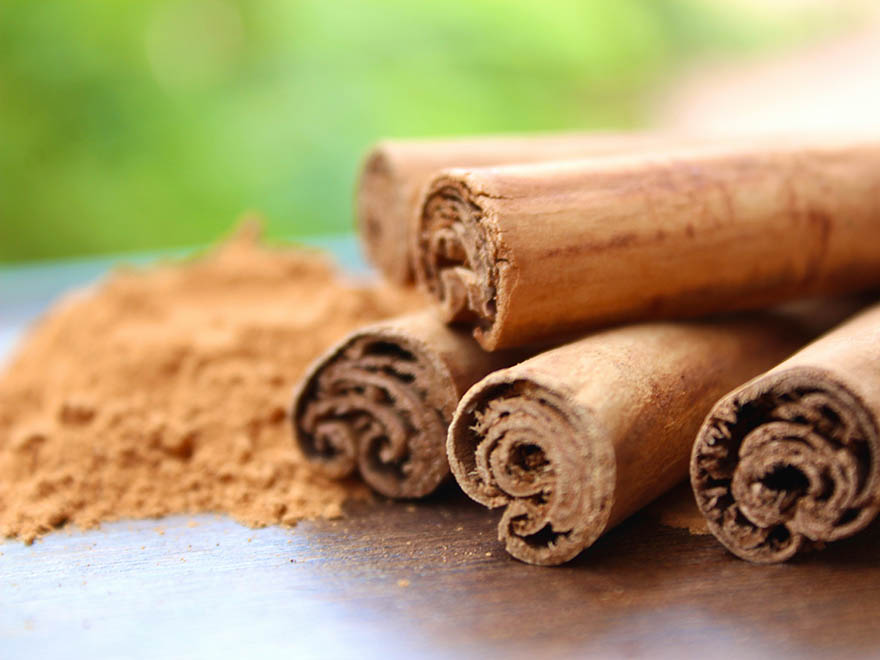
You open the humidity dome on your seed tray and there's white fuzz creeping across the soil. Or worse, half your seedlings flopped over at the base overnight. Both are fungal problems, and the fix is already in your kitchen spice rack. Cinnamon contains cinnamaldehyde, a natural antifungal compound that kills mold on contact and suppresses the soil fungi that cause damping off. You can dust it straight onto the soil or brew it into a spray. Either way, it works within days and costs almost nothing.
TL;DR: Cinnamon for seedlings works as a natural antifungal: dust it on soil to kill white mold and prevent damping off, or brew it into a spray and treat seed trays every 5 to 7 days.
The recipes
Two methods, same ingredient. Use whichever fits your situation.
Method 1: Dry cinnamon dust (fastest, simplest)
No mixing. No steeping. Just sprinkle.
- Ground cinnamon from the spice aisle. Regular grocery store cinnamon works fine. Ceylon or Cassia, either type. A standard 2-ounce (57 g) jar costs about $2 and treats dozens of seed trays.
How to apply:
- Sprinkle a thin, even dusting of ground cinnamon across the soil surface of your seed tray. One pinch per cell is enough.
- If you already see white mold, dust directly on the mold. It dies within a day or two.
- For cuttings: dip the cut end in dry cinnamon before planting. It seals the wound and prevents fungal infection at the cut site.
When to use it: at sowing time as a preventive, any time you see white mold on the soil surface, or when seedlings start showing signs of damping off.
Method 2: Cinnamon spray (for larger trays and repeat treatments)
For 1 cup (240 ml) of hot water:
- 1 teaspoon (about 2.5 g) ground cinnamon
Mix it:
- Bring water to a boil, then let it cool for one minute (hot, not boiling).
- Stir in the cinnamon.
- Cover and steep for 1 hour.
- Strain through a coffee filter or fine mesh strainer into a spray bottle.
- Let it cool to room temperature before using.
Application: mist the soil surface of your seed trays lightly. Don't drench. Repeat every 5 to 7 days as a preventive.
Shelf life: keeps up to 3 days in the refrigerator. After that, brew a fresh batch.
How to apply
The dust method is best for spot treatment. You see white mold, you sprinkle cinnamon on it. Done. It also works well at sowing time: dust the soil right after planting seeds and before closing the humidity dome.
The spray method is better for ongoing prevention. One misting every 5 to 7 days keeps fungal growth from establishing. Spray the soil surface, not the seedlings themselves. There's no need to wet the leaves.
For both methods, improve airflow at the same time. Remove humidity domes once seedlings emerge. Point a small fan at your seed trays on low. Stagnant air plus moist soil is where damping off thrives. Cinnamon helps, but air circulation does the heavy lifting.
Why cinnamon works as an antifungal
Cinnamaldehyde is the compound that gives cinnamon its smell. It also ruptures fungal cell membranes on contact. Studies from agricultural research programs have shown it to be effective against Pythium, Rhizoctonia, and Botrytis, the three fungi behind most seedling losses.
The dust form works by direct contact. When mold or fungal hyphae touch the cinnamon particles, the cinnamaldehyde breaks down their cell walls. The spray form distributes the compound across the entire soil surface, creating a thin antifungal barrier.
Both Cassia cinnamon (the common, cheaper kind) and Ceylon cinnamon ("true cinnamon") contain cinnamaldehyde. Cassia actually has a higher concentration, so the $2 jar from the grocery store is the better choice for garden use.
Is this safe for seedlings?
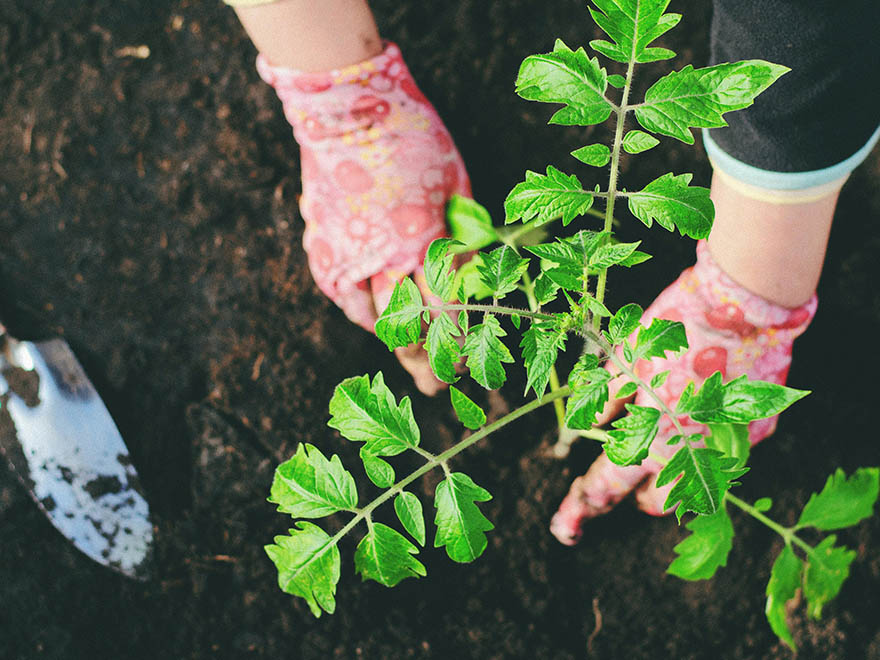
Yes. Ground cinnamon at this concentration is harmless to seeds and seedling roots. It won't affect germination rates, soil pH, or nutrient availability.
The dust sits on the soil surface. It doesn't contact the roots. The spray is extremely dilute. Neither will burn leaves or stems.
One thing to avoid: don't pack a thick layer of cinnamon onto the soil. A light dusting is all you need. A heavy coat can crust over and block water from reaching the seeds below.
What NOT to do
Don't use cinnamon essential oil. Essential oil is concentrated and can burn seedlings. Use ground cinnamon powder only.
Don't pile it on thick. A thin, even dusting does the job. A heavy layer crusts up and blocks water absorption. Less is more.
Don't skip the airflow fix. Cinnamon treats the symptom. Stagnant air and overwatering are the cause. Use a fan, remove domes once seedlings emerge, and let the soil surface dry between waterings.
Don't rely on it once seedlings are falling over. If damping off has already killed several seedlings, remove the dead ones, dust the survivors, and improve conditions fast. Cinnamon slows the spread but can't save a seedling that's already collapsing.
Best for which plants
Cinnamon for seedlings works on everything you start from seed indoors.
- Tomatoes, peppers, eggplant — the nightshade family is especially prone to damping off in warm, humid trays
- Basil — notorious for fungal problems in seed-starting conditions
- Lettuce, brassicas (broccoli, kale, cabbage) — cool-season crops that often sit in moist soil for long germination periods
- Flower seedlings (marigold, zinnia, petunia) — same vulnerability as vegetable seedlings
- Cuttings — dip the cut end in dry cinnamon before planting to seal the wound and prevent stem rot
Works equally well in cell trays, peat pots, soil blocks, and larger containers. If you're starting seeds on a balcony or windowsill with limited airflow, cinnamon is especially useful.
When the fungus keeps coming back
If you're dusting cinnamon and still seeing mold within days, the problem is environmental. Check three things. First: humidity. If the dome is still on after seedlings have emerged, remove it. Domes trap moisture and create fungal paradise. Second: watering. Switch to bottom watering and let the top of the soil dry between sessions. Third: sterile mix. If you're reusing soil from last season, it carries fungal spores. Fresh seed-starting mix starts clean.
Why do seedlings fall over and die at the base?
That is damping off, a soil fungus that attacks stems at the soil line, usually overnight. It is caused by overwatering and poor airflow. You cannot save a collapsed seedling, so the whole game is prevention: use fresh sterile seed-starting mix, water from the bottom and let the surface dry, run a small fan for airflow, and dust the soil surface with cinnamon, a natural antifungal.
For a full diagnostic on seedling problems, see our seed starting troubleshooting guide.
FAQ
Does cinnamon really kill mold on seed trays?
Yes. Cinnamaldehyde, the active compound in cinnamon, ruptures fungal cell membranes on contact. White mold on the soil surface typically dies within one to two days after dusting. For ongoing prevention, the cinnamon spray applied every 5 to 7 days keeps mold from returning.
Which type of cinnamon works best?
Both Cassia and Ceylon cinnamon work. Cassia (the common grocery store type) actually has higher cinnamaldehyde content and costs less. The $2 jar from the spice aisle is the best option for garden use.
Can I use cinnamon and chamomile tea together?
Yes. They complement each other. Chamomile tea works as a soil drench that suppresses fungi below the surface. Cinnamon dust works on the surface. Using both gives you two layers of protection. Apply the chamomile drench first, then dust cinnamon on top after the soil absorbs the liquid.
How much cinnamon should I put on each cell?
One pinch per cell. Enough to see a light, even dusting across the soil surface. You should still be able to see the soil through it. If the cinnamon forms a solid layer, you've used too much.
Will cinnamon hurt my seeds or seedlings?
No. At dusting or spray concentrations, cinnamon does not affect germination, root growth, or seedling health. Just avoid packing on a thick layer that could crust over and block water.
Can I use cinnamon on outdoor garden soil?
You can, but it's most effective indoors where conditions are controlled. Outdoors, rain washes the dust away and wind disperses the spray. For outdoor fungal problems, a targeted soil drench like chamomile tea holds up better.
Is there a gardening app that helps with seedling care?
Yes. The easyDacha garden planner app builds your seed-starting schedule from sowing through transplant. It puts watering, feeding, and treatment tasks on a 7-day calendar tied to your actual trays and beds. Download at easydacha.com/download.
Can you stop damping off once it starts?
You cannot save affected seedlings, but you can protect the rest by cutting watering and adding airflow immediately.
Is cinnamon really effective against damping off?
Yes as a preventive, it has antifungal compounds. It will not revive a dead seedling.
Take the guesswork out of seed starting

Healthy seedlings need the right timing: when to sow, when to water, when to treat, when to transplant. Miss one window and the whole tray suffers.
The easyDacha garden planning app builds a week-by-week task list for your seedlings based on your zone and last frost date. Each task lands on the right day. No guessing, no spreadsheets.
Try easyDacha app →. The gardening app that plans your season in 60 seconds. Cancel anytime.
Related reading on easydacha.com
- Seed Starting Troubleshooting: Why Seeds Fail and How to Fix It — full diagnostic for every reason seedlings die.
- How to Care for Vegetable Seedlings Indoors — light, water, and feeding for indoor seed starting.
- Homemade Organic Pesticide for the Vegetable Garden — more DIY recipes for pest and disease control.
- Vegetable Gardening for Beginners: A Step-by-Step Guide — the pillar guide for first-time growers.