
Clonostachys rosea is a beneficial fungus that fights late blight (Phytophthora) from inside the plant. Unlike surface sprays that wash off in the rain, Clonostachys enters plant tissues and works as an endophyte. It colonizes roots and stems internally, producing antifungal compounds that suppress Phytophthora, Fusarium, and Botrytis before they can take hold. You can culture it at home in potato broth. The process takes 7 to 10 days and costs almost nothing after the initial starter purchase. If late blight wipes out your tomatoes or potatoes every summer, this is the biological tool built for that exact problem.
TL;DR: Boil 7 oz (200 g) diced potatoes in 1 quart (1 L) water for 20 minutes. Strain, cool to room temperature. Add Clonostachys rosea starter. Adjust pH to 3.5 to 5.5 with citric acid (a pinch on the tip of a knife, test with pH strips). Keep in a warm, bright location for 7 to 10 days until a pink or salmon-colored colony appears. Dilute about 7 tablespoons (100 ml) per plant as a soil drench or foliar spray every 7 to 14 days.
What is Clonostachys rosea
Most gardeners have never heard of this organism. Here is what it does and why it matters.
Clonostachys rosea is a fungus, not a bacterium. Its older scientific name is Gliocladium roseum, which still appears on some product labels. It works differently from Trichoderma or Bacillus subtilis. Those organisms fight disease on plant surfaces and in the root zone. Clonostachys goes further. It enters the plant through the roots and lives inside the tissues as an endophyte. From inside, it produces compounds that suppress fungal pathogens before they can establish.
This endophytic action is what makes Clonostachys valuable against late blight. Phytophthora infestans spreads fast in wet conditions. Surface sprays wash off. Clonostachys is already inside the plant, working regardless of rain.
Clonostachys applied to tomatoes can produce visible results within one hour against active Phytophthora pressure. That speed comes from the internal colonization. The fungus is already in position when the pathogen arrives.
The recipe
One recipe. The pH adjustment is the critical step. Don't skip it.
For about 1 quart (1 L) of culture:
- About 7 oz (200 g) potatoes, diced into roughly 1-inch (2 to 3 cm) cubes. Any potato variety works. Leave the skin on.
- 1 quart (about 1 L) water
- Clonostachys rosea starter (granules or powder from a biological control supplier)
- Citric acid powder (available at grocery stores in the canning section or online). You need a tiny amount.
- pH test strips (range 3 to 6). Available at garden centers, homebrew shops, or online for a few dollars.
Make it:
- Dice about 7 oz (200 g) of potatoes. No need to peel them.
- Bring 1 quart (about 1 L) of water to a boil. Add the diced potatoes.
- Boil for 20 minutes. The water will turn starchy and slightly cloudy.
- Strain the broth through a fine mesh strainer. Discard the potato pieces (or eat them). You want the liquid only.
- Let the broth cool to room temperature. Do not add the starter to hot liquid. Heat kills the fungus.
- Add the Clonostachys rosea starter per the product's label directions.
- Adjust the pH to 3.5 to 5.5 with citric acid. Start with a tiny pinch on the tip of a knife. Stir, then test with a pH strip. Add more citric acid only if the pH is above 5.5. The target range is 3.5 to 5.5. Clonostachys grows best in mildly acidic conditions.
- Cover the jar loosely. Place it in a warm, bright location. Not direct sun, but bright indirect light. Clonostachys develops stronger colonies in light than in darkness.
- Wait 7 to 10 days. Check daily. You are looking for a pink or salmon-colored colony forming on the surface or along the sides of the jar. That pink color is your confirmation that Clonostachys is growing.
How to tell it worked: a healthy Clonostachys culture is pink to salmon in color. If you see green, that is likely Trichoderma (not harmful but not what you want here). If you see black, orange, or foul-smelling growth, the culture is contaminated. Discard it and start over with clean equipment.
Storage: use the culture within a few days of the colony appearing. Clonostachys is alive and active at the colony stage. For longer storage, refrigerate and use within 1 week. The fungal population declines after that.
How to apply
Dilute the culture before applying.
Dilution rate: about 7 tablespoons (100 ml) of culture liquid per plant. You can apply it straight from the jar at this volume or dilute it into a larger watering container for even distribution across a bed.
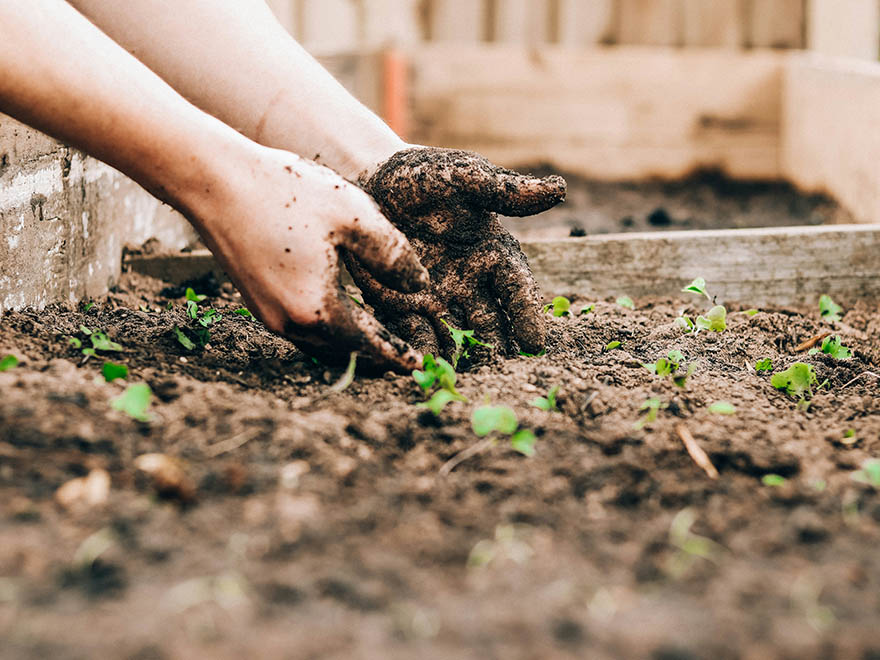
Soil drench: pour the culture at the base of each plant. Water the root zone directly. Clonostachys enters through the roots, so root contact is essential. About 7 tablespoons (100 ml) per plant for tomatoes and potatoes. For seedlings, use half that amount.
Foliar spray: strain the culture through cheesecloth first to prevent clogging spray nozzles. Mist both sides of leaves. The foliar route provides surface protection while root drenching provides internal colonization. Use both methods for maximum coverage.
Frequency: every 7 to 14 days during the growing season. For active late blight pressure, apply every 7 days. For prevention, every 14 days. Start applications 1 to 2 weeks after transplanting.
Emergency use: when late blight appears on neighboring gardens or on your potato plants, apply immediately. Do not wait for your next scheduled application. Clonostachys works fast once inside the plant, but it needs time to colonize. The sooner you apply, the better.
Rotation with other biologicals: Clonostachys is compatible with Trichoderma. You can mix them in the same application or alternate weeks. Clonostachys is NOT compatible with Bacillus subtilis. Apply them on separate days, at least 3 to 5 days apart. The two organisms interfere with each other when applied together.
Why it works (endophytic action)
Most biological fungicides sit on the plant surface. They wash off in rain and degrade in UV light. Clonostachys rosea is different.
Clonostachys is an endophyte. It enters the plant through the root system and colonizes internal tissues. Once inside, it produces antifungal compounds that suppress pathogens from within. This means the protection continues through rain, wind, and UV exposure. The fungus is inside the plant, not on it.
Against Phytophthora (late blight), this internal defense is critical. Phytophthora spreads through water splash and airborne spores. It infects plants rapidly in cool, wet weather. Surface treatments wash off precisely when you need them most. Clonostachys is already in position.
The potato broth medium provides the nutrients and starch that Clonostachys needs to multiply. The acidic pH (3.5 to 5.5) favors Clonostachys growth while inhibiting competing bacteria and fungi. This selective environment is what makes home cultivation reliable. Without the pH adjustment, contaminating organisms outcompete the Clonostachys.
The pH step explained
The pH adjustment is the one step that separates success from failure. Here is how to get it right.
Potato broth straight off the stove has a pH around 6.0 to 6.5. That is too high. Clonostachys rosea prefers acidic conditions between 3.5 and 5.5. Citric acid drops the pH into that range.
How much citric acid: start with a tiny pinch on the tip of a knife. This is roughly 1/8 teaspoon or less. Stir it into the cooled broth and test with a pH strip. If the strip reads above 5.5, add another tiny pinch. Test again. Repeat until you reach the 3.5 to 5.5 range. It usually takes 1 to 3 small additions.
Why pH strips, not litmus paper: litmus paper tells you acid or alkaline. You need a number. pH strips with a 3 to 6 range give you the precision required. They cost $5 to $8 for 100 strips online or at a homebrew shop.
What happens if pH is wrong: above 5.5, bacteria and mold contaminants outgrow the Clonostachys. Below 3.0, even Clonostachys struggles. The 3.5 to 5.5 window gives it the competitive advantage it needs.
What NOT to do
Don't skip the pH adjustment. This is the most common failure point. Without acidifying the broth, contaminating organisms outcompete the Clonostachys. Use citric acid and pH strips every time.
Don't add the starter to hot broth. Cool to room temperature first. Heat kills the fungal spores. Wait until the broth is comfortable to touch.
Don't incubate in the dark. Clonostachys develops stronger, more physiologically active colonies in bright indirect light. A windowsill or a shelf near a window works. Complete darkness produces weaker cultures.
Don't mix with Bacillus subtilis. These two organisms are incompatible when applied together. Space applications at least 3 to 5 days apart. Clonostachys and Trichoderma can be mixed or alternated freely.
Don't use contaminated cultures. If the colony is black, bright orange, or smells foul, discard it. Pink or salmon is correct. Green is likely Trichoderma (harmless but not the target). Start over with clean equipment if contamination occurs.
Don't expect instant results on heavily infected plants. Clonostachys is a preventive and early-intervention tool. Plants already covered in late blight lesions are too far gone. Remove those plants. Apply Clonostachys to the healthy plants that remain.
Which diseases it fights
Clonostachys rosea targets a specific set of plant diseases, with late blight as the primary use case.
- Phytophthora (late blight) — the #1 target. The disease that destroys tomatoes and potatoes in cool, wet summers. Clonostachys fights it from inside the plant tissues.
- Fusarium wilt — a soil-borne fungus that blocks water transport in stems. Soil drenches suppress Fusarium in the root zone.
- Botrytis (gray mold) — attacks fruit and flowers in humid conditions. Both soil drench and foliar spray provide protection.
- Whiteflies — Clonostachys parasitizes whitefly eggs. Apply as a foliar spray to the undersides of leaves where whiteflies lay eggs.
- Thrips — foliar applications reduce thrip populations through direct parasitism.
- Root-knot nematodes — soil drenches suppress nematode activity in the root zone.
FAQ
What is Clonostachys rosea and how does it fight late blight?
Clonostachys rosea is a beneficial fungus that enters plant tissues through the roots and works as an endophyte. It produces antifungal compounds inside the plant that suppress Phytophthora (late blight) before it can establish. Unlike surface sprays, it works through rain and wet weather because it lives inside the plant, not on it.
How do I culture Clonostachys rosea at home?
Boil 7 oz (200 g) diced potatoes in 1 quart (1 L) water for 20 minutes. Strain, cool to room temperature. Add the starter and adjust pH to 3.5 to 5.5 with citric acid. Keep in a warm, bright spot for 7 to 10 days until a pink or salmon colony forms. Apply about 7 tablespoons (100 ml) per plant as a soil drench.
Why is the pH adjustment important for Clonostachys culture?
Clonostachys rosea grows best in acidic conditions between pH 3.5 and 5.5. Without citric acid, the potato broth sits around pH 6.0 to 6.5, which allows contaminating bacteria and mold to outcompete the Clonostachys. The pH adjustment gives Clonostachys the competitive advantage it needs to colonize the broth.
Can I use Clonostachys rosea with Trichoderma?
Yes. Clonostachys and Trichoderma are compatible. You can mix them in the same application or alternate them weekly. They work through different mechanisms and complement each other. Clonostachys is NOT compatible with Bacillus subtilis. Apply those two at least 3 to 5 days apart.
How do I know if my Clonostachys culture worked?
Look for a pink or salmon-colored colony forming in the jar after 7 to 10 days. That color confirms healthy Clonostachys growth. Green growth is likely Trichoderma (not harmful but not the target). Black, orange, or foul-smelling growth means contamination. Discard and start over.
Where can I buy Clonostachys rosea starter?
Clonostachys rosea products are available from biological control suppliers online. Look for products listing Clonostachys rosea or Gliocladium roseum as the active ingredient. Arbico Organics and specialty biocontrol retailers carry it. Prices range from $15 to $30 for a starter that lasts many batches.
Is there a gardening app that schedules biological treatments?
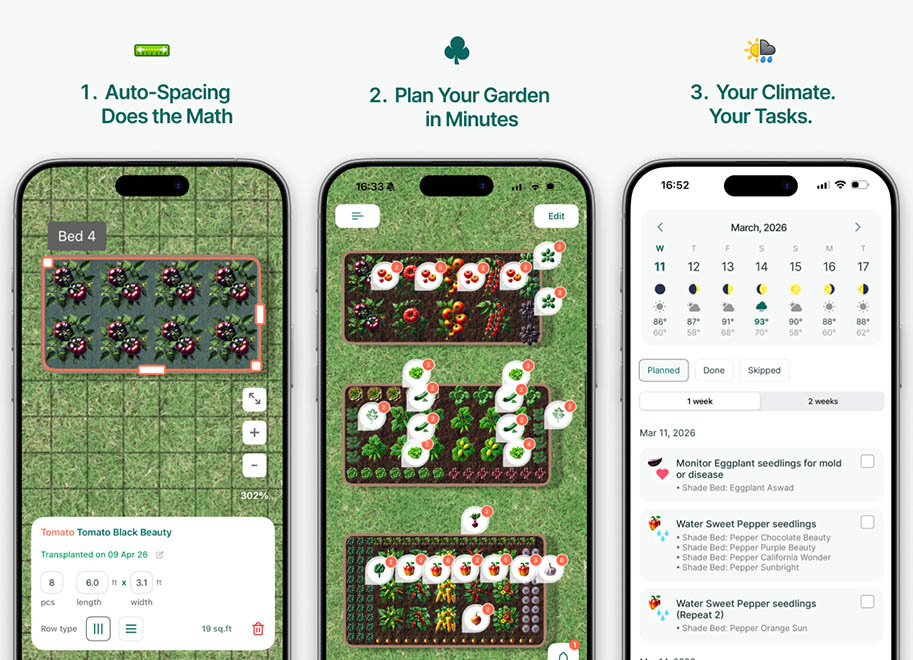
Yes. The easyDacha garden planner app schedules disease prevention and spray tasks by growth stage for every plant in your garden. It tells you when to apply and when to rotate. Download the app at easydacha.com/download.
The biological weapon against late blight
Late blight has wiped out tomato and potato harvests for centuries. Clonostachys rosea fights it from the inside, where rain can't wash it away. A jar of potato broth, a pinch of citric acid, and 10 days of patience.
The easyDacha gardening app schedules biological treatments, feeding, and spray tasks by growth stage. Each task tells you what to apply and when. No guessing, no spreadsheets.
Try easyDacha and get 7-days care plan for free →. The garden planner app that plans your season in 60 seconds. Cancel anytime.
Related reading on easydacha.com
- Homemade Organic Pesticide for the Vegetable Garden — more DIY pest and disease recipes.
- Vegetable Gardening for Beginners: A Step-by-Step Guide — the full beginner guide covering soil, timing, and planning.
- Companion Planting Guide: Double Your Harvest Naturally — plant combinations that reduce disease pressure.
- Why You Shouldn't Plant Tomatoes in the Same Spot as Last Year — crop rotation for disease management.