
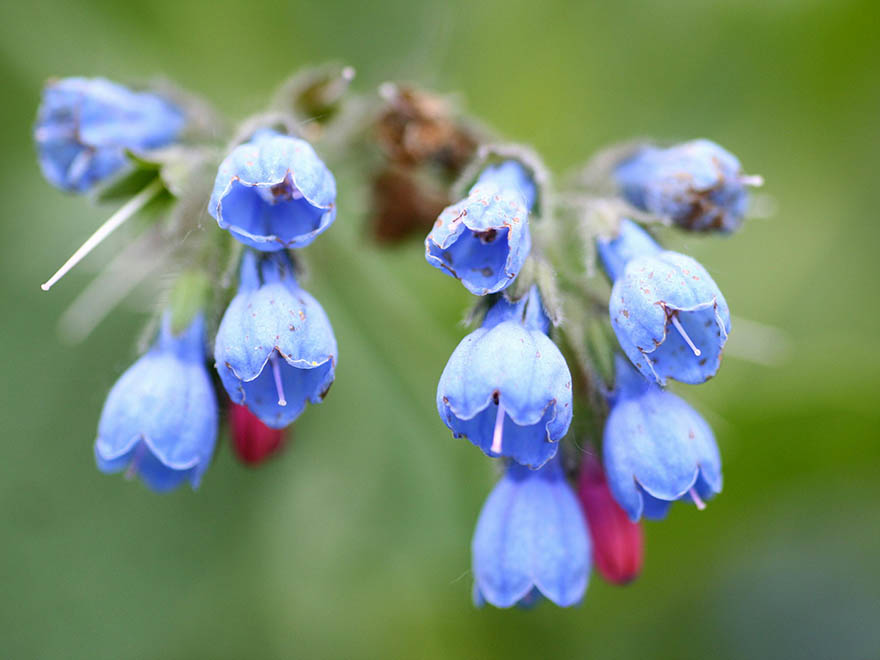
Comfrey is the gardener's potassium factory. The deep taproots of this perennial pull minerals up from layers of subsoil that shallow-rooted vegetables can't reach. Cut the leaves, steep them in water, and those minerals dissolve into a dark, potassium-rich liquid feed. The NPK ratio of comfrey tea runs roughly 1.8-0.5-5.3, which means it's heavy on potassium and light on nitrogen. That profile is exactly what tomatoes, peppers, and squash want once they start flowering and setting fruit. You can brew the slow way (3 to 6 weeks) for a strong concentrate, or blend fresh leaves for a lighter batch in 10 minutes.
TL;DR: Comfrey liquid fertilizer is a free, potassium-rich feed brewed from comfrey leaves. Steep leaves in water for 3 to 6 weeks for a concentrate, or blend fresh leaves with water for a fast version. Dilute 1:10 to 1:20 before applying to fruiting plants.
The recipes
Two methods. The standard steep produces a stronger concentrate that stores well. The blended version is weaker but ready the same day.
Method 1: Standard steep (3 to 6 weeks)
The classic comfrey tea. Strong, smelly, and effective.
You need:
- A bucket or large jar with a lid
- Fresh comfrey leaves, enough to pack the container about two-thirds full
Brew it:
- Cut comfrey leaves from the base of the plant. Harvest the largest, oldest leaves first. A mature comfrey plant can be cut 3 to 4 times per season.
- Chop or tear the leaves roughly and pack them into a bucket or large jar, filling it about two-thirds full.
- Fill with water to the top. Use any water. Chlorine doesn't matter here since you're not culturing microbes.
- Cover with a lid. This will smell. Badly. Keep it outdoors and covered.
- Let it steep for 3 to 6 weeks. The leaves will break down into a thick, dark brown liquid. Stir once a week if you remember.
- Strain out the remaining leaf mush. Squeeze the solids through an old cloth or mesh bag to get every drop.
Before using: dilute 1:10 to 1:20 with water. The concentrate is far too strong to use straight. Start with 1:10 for established plants and 1:20 for younger ones or containers.
Storage: the strained concentrate keeps up to 1 month in a sealed, dark bottle. The smell won't improve with age.
Method 2: Blended (fast, same-day use)
When you need comfrey feed now and don't have weeks to wait.
For about 1 quart (1 L) of concentrate:
- 3.5 ounces (about 100 g) fresh comfrey leaves
- 2 cups (about 500 ml) water
Mix it:
- Tear 3.5 ounces (about 100 g) of fresh comfrey leaves into pieces.
- Add the leaves and 2 cups (about 500 ml) of water to a blender.
- Blend on high for 30 seconds until you get a thick green slurry.
- Strain through cheesecloth, fine mesh, or an old t-shirt into a jar.
- Add water to bring the total volume up to 1 quart (about 1 L).
Before using: dilute 1:5 with water. The blended version is weaker than the steeped concentrate, so it needs less dilution.
Shelf life: use within 3 days. The blended version doesn't keep like the steeped concentrate.
How to apply
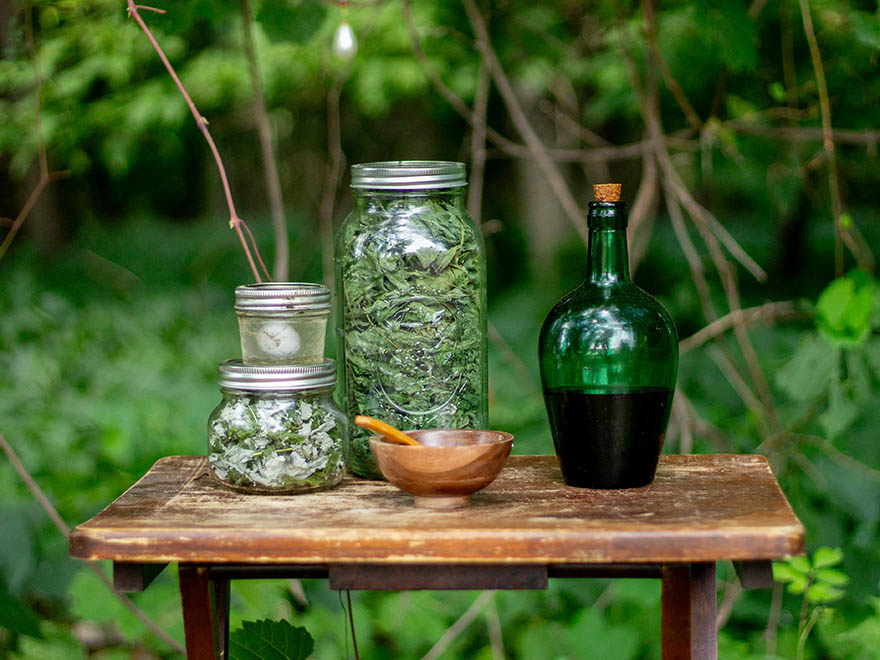
Pour 2 cups (about 500 ml) of the diluted solution at the base of each plant. Water the soil, not the leaves. Comfrey tea is a root feed, not a foliar spray. The residue can stain and stick to foliage.
Frequency: once every 1 to 2 weeks during flowering and fruiting. That's the growth stage when potassium demand is highest. Start feeding when the first flowers appear and continue through harvest.
For containers, use the more dilute ratio (1:20 for steeped, 1:5 for blended). Salts concentrate faster in pots. Water with plain water between feedings.
Why comfrey makes such good fertilizer
Comfrey (Symphytum) has taproots that grow 6 to 10 feet (1.8 to 3 m) deep. Those roots pull potassium, phosphorus, calcium, and trace minerals from subsoil layers that most garden plants can't access. The leaves store those minerals at high concentrations. When you steep or blend the leaves in water, the nutrients dissolve into solution.
The result is a liquid feed with an NPK ratio around 1.8-0.5-5.3. That potassium-heavy profile is what makes comfrey tea so popular with tomato growers. Potassium drives flower production, fruit quality, and disease resistance. Nitrogen is low enough that the tea won't push excessive leaf growth at the expense of fruit.
Comfrey also contains allantoin, a compound that promotes cell growth in plants (and in wound healing products for humans). Some growers add chopped comfrey leaves directly to planting holes as a slow-release amendment for the same reason.
A note about the smell
Steeped comfrey tea smells awful. There's no way around it. The 3 to 6 week anaerobic fermentation produces sulfur compounds and organic acids that smell like rotting vegetation, which is exactly what it is.
Keep the steeping bucket outdoors, far from windows and seating areas. Cover it tightly. Warn anyone who shares your garden. The blended version smells much milder because it hasn't fermented, but it still isn't pleasant.
The smell fades within a day of application. It doesn't linger in the soil.
Is comfrey tea safe for all plants?
Yes, at proper dilution. Comfrey liquid fertilizer diluted 1:10 to 1:20 is safe for all vegetables, herbs, flowers, and fruit.
Undiluted concentrate will burn roots and kill plants. Always dilute.
The tea is best suited for plants in the flowering and fruiting stage. Seedlings and young transplants need nitrogen for leaf growth, not potassium for fruiting. Save the comfrey tea for mature plants. For seedlings, use a balanced fertilizer or compost tea instead.
What NOT to do
Don't use the concentrate undiluted. Steeped comfrey concentrate is extremely strong. Pouring it straight onto plants will burn roots and damage soil biology. Always dilute: 1:10 to 1:20 for the steep, 1:5 for the blended version.
Don't steep longer than 6 weeks. After 6 weeks, the useful nutrients are fully extracted and the liquid just gets more anaerobic. Strain it and start a new batch.
Don't spray it on leaves. Comfrey tea is a soil drench. The dark liquid stains foliage, clogs spray nozzles, and can promote leaf fungus in humid conditions. Pour it at the base.
Don't feed seedlings with it. Comfrey tea is a potassium-heavy feed meant for mature, fruiting plants. Young plants need nitrogen first. Wait until flowers appear before switching to comfrey.
Best for which plants
Comfrey liquid fertilizer is built for plants that fruit, flower, or set tubers.
- Tomatoes — the #1 use case. Potassium improves fruit flavor, firmness, and disease resistance. Feed weekly from first flower through harvest.
- Peppers and eggplant — same potassium demand as tomatoes during fruiting.
- Squash, cucumbers, melons — heavy feeders that respond well to potassium once fruit starts sizing up.
- Potatoes — potassium drives tuber formation and starch content. Feed every 2 weeks after flowering.
- Roses and flowering perennials — potassium supports bloom production and overall plant vigor.
- Fruit trees and berry bushes — a comfrey drench 2 to 3 times per season supports fruiting and winter hardiness.
Skip for: leafy greens like lettuce, spinach, and kale. They need nitrogen, not potassium. Comfrey tea would push them to bolt faster.
Growing your own comfrey
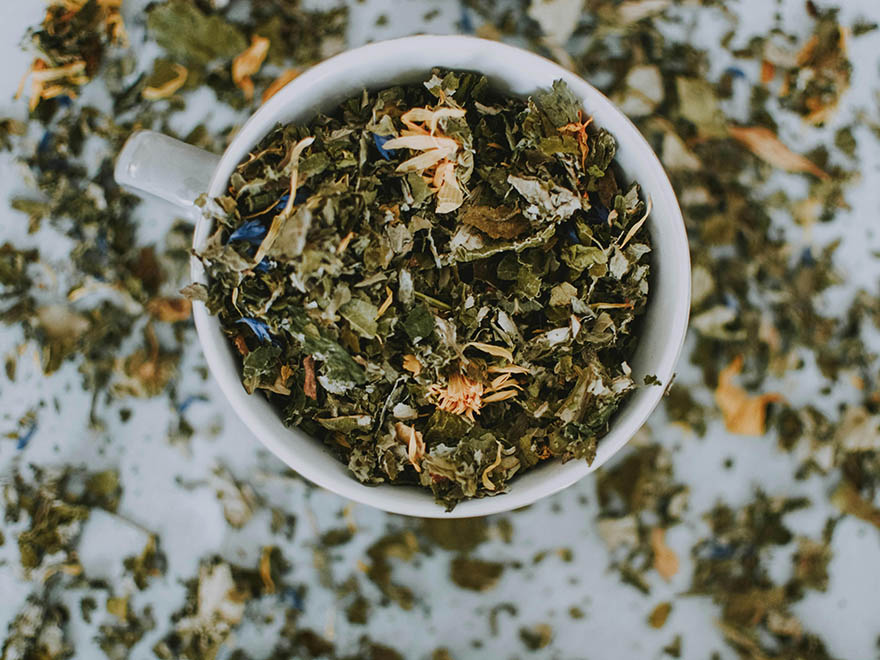
If you don't already have comfrey, it's worth planting. One plant gives you a permanent, free supply of fertilizer leaves.
Plant Bocking 14, a sterile variety of Russian comfrey (Symphytum x uplandicum). It doesn't self-seed, so it stays where you put it. Regular comfrey spreads aggressively and is nearly impossible to remove once established.
Buy root cuttings online (usually $2 to $5 each). Plant them 2 inches (5 cm) deep in any soil, in partial to full sun. Comfrey tolerates poor soil and drought once established. The plant grows fast. You can start harvesting leaves 12 to 16 weeks after planting and cut 3 to 4 times per season after that.
One mature Bocking 14 plant produces 4 to 5 pounds (1.8 to 2.3 kg) of leaves per cut. Three plants are enough to supply comfrey tea for a small vegetable garden all season.
When comfrey tea isn't enough
If you're feeding with comfrey tea and plants still drop flowers or produce small fruit, the issue may be nitrogen rather than potassium. Comfrey tea has very little nitrogen (NPK 1.8-0.5-5.3). Plants that are pale, slow-growing, or yellowing from the bottom up need nitrogen first. Use a balanced fertilizer or compost alongside comfrey tea, not instead of your regular feeding.
Also check watering. Potassium travels through soil water. In dry soil, even a well-fed plant can't move potassium to where it's needed. Keep moisture consistent.
For a full feeding schedule by growth stage, see our vegetable gardening beginner guide.
FAQ
What is the NPK of comfrey tea?
Comfrey liquid fertilizer has an approximate NPK of 1.8-0.5-5.3, making it a potassium-heavy feed with low nitrogen. This profile is ideal for fruiting and flowering plants that need potassium to set and ripen fruit. It's not a complete fertilizer, so use it alongside a nitrogen source for balanced feeding.
How long does comfrey tea take to brew?
The standard steep method takes 3 to 6 weeks. Pack a container with comfrey leaves, fill with water, cover, and wait. For a faster option, blend 3.5 ounces (about 100 g) of fresh leaves with 2 cups (about 500 ml) of water, strain, and dilute. The blended version is ready in 10 minutes.
How much should I dilute comfrey fertilizer?
For the steeped concentrate, dilute 1:10 to 1:20 with water (1 part concentrate to 10 or 20 parts water). For the blended version, dilute 1:5. Undiluted concentrate burns roots. Start with the weaker dilution (1:20) if you're unsure.
Does comfrey tea smell bad?
Yes. The steeped version smells like rotting vegetation because that's exactly what it is. Keep the bucket outdoors, covered, and away from living areas. The blended version smells milder. Either way, the smell fades within a day after applying to soil.
Can I use comfrey tea on tomatoes?
Yes. Tomatoes are the #1 use case for comfrey liquid fertilizer. The high potassium content supports flower production, fruit quality, and disease resistance. Start feeding when the first flowers appear and continue weekly through harvest. Dilute 1:10 for established tomato plants.
Is comfrey tea better than store-bought fertilizer?

Comfrey tea is a free, potassium-rich supplement, not a replacement for complete fertilizer. It excels at delivering potassium during the fruiting stage. For balanced feeding throughout the season, pair comfrey tea with a nitrogen source and compost. The advantage of comfrey: it costs nothing once the plant is established, and you can harvest it 3 to 4 times per year.
Is there a gardening app that schedules feeding by growth stage?
Yes. The easyDacha vegetable garden app builds a feeding schedule for every plant in your garden, timed to each growth stage: seedling, vegetative, flowering, fruiting. It tells you when to feed and what to apply. Download at easydacha.com/download.
Feed the right nutrient at the right time
Potassium at fruiting. Nitrogen at transplant. Phosphorus for roots. Every stage asks for something different, and the timing matters more than the product.
The easyDacha garden planner app schedules feeding tasks by growth stage for every plant in your garden. Seedling through harvest. Each task tells you what to apply and when. No guessing, no spreadsheets.
Try easyDacha app →. The gardening app that plans your season in 60 seconds. Cancel anytime.
Related reading on easydacha.com
- Vegetable Gardening for Beginners: A Step-by-Step Guide — soil, timing, feeding, and first-year planning.
- Homemade Organic Pesticide for the Vegetable Garden — more DIY garden recipes.
- Companion Planting Guide: Double Your Harvest Naturally — which plants grow better together.
- How to Care for Vegetable Seedlings Indoors — what seedlings need before they're ready for comfrey feedings.