
Compost tea isn't fertilizer in the traditional sense. It's a microbial inoculant. You're taking a handful of finished compost, suspending it in water, and pumping air through it for 24 hours. That multiplies the bacteria, fungi, and protozoa living in the compost. The result is a living liquid you pour onto your soil. Those microbes break down organic matter, suppress disease, and make nutrients available to roots in forms they can actually absorb. The catch: you need an aerator, and you need to use the tea within hours of brewing. Skip either step and you get a smelly bucket of anaerobic sludge instead.
TL;DR: Aerated compost tea multiplies beneficial soil microbes from finished compost using 24 hours of continuous bubbling. Brew with 1 cup compost in 1 gallon (3.8 L) of non-chlorinated water and an aquarium pump. Use within 4 hours of turning off the pump.
The recipe
For 1 gallon (3.8 L) of compost tea:
- 1 cup (about 240 ml) finished compost. Must be fully decomposed — dark, crumbly, earthy smell. If it still has recognizable food scraps or smells sour, it's not done.
- 1 gallon (3.8 L) non-chlorinated water. If you're on city water, fill the bucket and let it sit uncovered for 24 hours before brewing. That lets the chlorine gas off. Or use well water, rain water, or filtered water.
Equipment:
- A 5-gallon (19 L) bucket (gives room for bubbling)
- An aquarium air pump with an airstone. A basic setup costs $10 to $15 at any pet store. This is the one piece of equipment that makes the whole thing work.
Brew it:
- Fill the bucket with 1 gallon (3.8 L) of non-chlorinated water.
- Drop the airstone to the bottom of the bucket and turn on the pump.
- Add 1 cup (about 240 ml) of finished compost to the water.
- Let it brew for 24 hours with the pump running continuously. Don't turn it off. The whole point is to keep oxygen levels high so aerobic microbes multiply.
- After 24 hours, turn off the pump.
- Strain the liquid through cheesecloth, burlap, or an old pillowcase to remove solids.
- Use immediately.
Timing is everything: once you turn off the pump, you have about 4 hours before the aerobic bacteria start dying off. Oxygen drops, anaerobic bacteria take over, and the tea turns from a beneficial inoculant into something you don't want on your plants. Brew in the morning, strain by mid-morning, apply before lunch.
How to apply
Pour 1 to 2 cups (about 240 to 475 ml) of strained compost tea at the base of each plant as a soil drench. Water the root zone, not the leaves.
You can also use compost tea as a foliar spray. Pour the strained tea into a spray bottle and mist leaves in the early morning, before the sun gets hot. Foliar application coats leaves with beneficial microbes that compete with disease organisms for space. But soil drenching is the primary use.
For seedlings: dilute 1:2 with water (one part tea, two parts water). Full-strength tea is too rich for very young plants.
Frequency: once every 2 to 4 weeks during the growing season. Compost tea is a soil builder, not a quick feed. You're improving the microbial ecosystem over time, not dumping nutrients.
Why aeration matters (and why skipping it is a problem)
This is the most important thing about compost tea: you are brewing a living culture of aerobic microorganisms. Aerobic means they need oxygen to survive and multiply. The aquarium pump and airstone keep dissolved oxygen high in the water for 24 hours straight. That's what allows the beneficial bacteria, fungi, and protozoa in the compost to reproduce rapidly.
Without aeration, the oxygen in the water gets consumed within a few hours. Anaerobic bacteria take over. These produce compounds like hydrogen sulfide, butyric acid, and alcohols. The tea smells rotten. Worse, some anaerobic organisms can actually harm plant roots and introduce pathogens into your soil.
You'll see recipes online for "non-aerated compost tea" that tell you to just soak compost in a bucket for a few days and stir occasionally. That's not compost tea. That's compost water. It leaches some soluble nutrients out of the compost, but it doesn't multiply microbes. And if it sits long enough without oxygen, it goes anaerobic and does more harm than good.
If you don't have an aquarium pump, don't try to make compost tea. Just top-dress your beds with a thin layer of finished compost and water it in. You'll get the same microbes into your soil, just more slowly.
What makes good compost for tea
Not all compost is equal. The quality of your tea depends entirely on the quality of your compost.
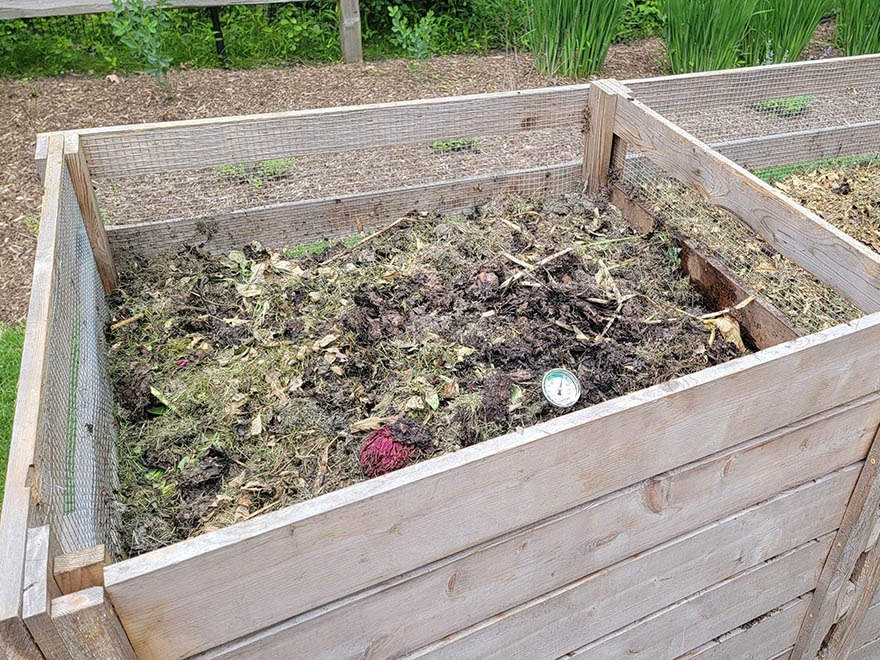
Good compost is fully finished: dark brown or black, crumbly texture, smells like forest floor. You can't identify any of the original ingredients. It's been decomposing for at least 3 to 6 months and has cooled down completely.
Bad compost for tea: anything that still smells sour or like ammonia, has visible food scraps, or feels hot inside the pile. Immature compost contains pathogens and will brew a tea full of organisms you don't want near your vegetables.
Worm castings (vermicompost) make excellent tea. They're already fully processed by worms and are loaded with diverse, beneficial microbes. If you have a worm bin, use a cup of castings instead of regular compost. The tea will be even richer.
Is compost tea safe for all plants?
Yes. Properly aerated compost tea is safe for every plant at every stage, including seedlings (diluted 1:2). It's not a chemical input. It's living organisms.
The only risk is from improperly brewed tea. If the tea smells bad, looks slimy, or sat for more than 4 hours after the pump was turned off, don't use it. Pour it on the compost pile instead and start a new batch.
A good brew smells earthy and clean, like fresh forest soil. If it smells like swamp, sewage, or sour milk, something went wrong.
What NOT to do
Don't brew without an aerator. Stirring the bucket a few times a day is not enough. You need continuous aeration from a pump and airstone for 24 hours straight. No pump, no real compost tea.
Don't use unfinished compost. If your compost still has recognizable scraps, smells sour, or feels warm, it's not ready. Immature compost contains pathogens that will multiply in the brew.
Don't store compost tea. Use it within 4 hours of turning off the pump. There is no way to extend the shelf life. The aerobic microbes die once oxygen drops. Every hour of delay reduces the value of the tea.
Don't add molasses or sugar to the brew. Some old recipes call for adding sugar to "feed the microbes." This can cause explosive bacterial growth that burns through all the oxygen, crashing the tea into anaerobic territory. Finished compost has everything the microbes need. Keep it simple.
Best for which plants
Compost tea benefits everything in the garden, but some situations show the biggest improvement.
- Tomatoes, peppers, squash — heavy feeders that benefit from active soil biology to unlock nutrients through the season.
- Transplants — a compost tea drench at planting time inoculates the root zone with beneficial microbes right when the plant needs them most.
- Beds with tired soil — if you've grown in the same beds for years without adding compost, a tea drench kickstarts microbial life.
- Container gardens — potting mix is sterile out of the bag. Compost tea adds the living biology that outdoor soil has naturally.
- Perennial borders and fruit trees — a drench 2 to 3 times per growing season supports long-term soil health around permanent plantings.
When compost tea doesn't seem to help
Compost tea improves soil biology. It doesn't fix structural problems. If your plants are struggling and compost tea isn't making a visible difference, check three things. First: soil drainage. Waterlogged soil suffocates the same aerobic microbes you just brewed. Fix drainage before adding biology. Second: pH. Extreme acidity or alkalinity limits microbial activity regardless of what you inoculate. Test your soil. Third: organic matter. Microbes need food. If your soil is sandy or depleted, add compost as a top-dress first, then follow with tea. The microbes need something to eat once they're in the ground.
For a full soil and feeding overview, see our vegetable gardening beginner guide.
FAQ
Does compost tea really work?
Yes. Aerated compost tea multiplies the beneficial bacteria, fungi, and protozoa already present in finished compost and delivers them as a liquid inoculant to your soil. Research from the Soil Food Web Institute shows that properly brewed ACT increases microbial diversity in the root zone. It's not a fertilizer. It's a biological soil amendment that helps plants access nutrients already in the ground.
Can I make compost tea without a bubbler?
You can soak compost in water without aeration, but that produces compost extract, not compost tea. Without continuous oxygen, the brew goes anaerobic within hours. Anaerobic bacteria produce harmful compounds and the liquid can introduce pathogens. If you don't have an aquarium pump, skip the tea and top-dress your beds with finished compost instead.
How long does compost tea last after brewing?
About 4 hours. Once you turn off the aerator, dissolved oxygen drops rapidly and the aerobic microbes start dying. Brew in the morning and apply before lunch. There is no way to store or extend the life of finished compost tea.
How often should I apply compost tea?
Every 2 to 4 weeks during the growing season. Compost tea builds soil biology over time, so consistency matters more than concentration. One application won't transform your soil, but regular drenches through the season will.
Can I use compost tea on seedlings?
Yes, but dilute it 1:2 (one part tea, two parts water). Full-strength tea is safe for established plants but too microbially rich for very young seedlings. Apply as a gentle soil drench, not a foliar spray, on seedlings.
What does good compost tea smell like?
Good compost tea smells earthy and clean, like forest soil after rain. If it smells like sewage, rotten eggs, or sour milk, the brew went anaerobic. Don't use it. Pour it on the compost pile and start over with better aeration and fresh compost.
Is there a gardening app that tracks soil care schedules?
Yes. The easyDacha garden planner app schedules feeding and soil care tasks for every bed in your garden. It tells you when to drench, when to feed, and when to amend, all on a 7-day task list. Download the easyDacha app at easydacha.com/download.
Healthy soil does the heavy lifting

You can buy every fertilizer on the shelf and still grow weak plants if your soil biology is dead. The microbes in healthy soil break down organic matter, fight pathogens, and deliver nutrients in forms roots can use.
The easyDacha gardening app schedules feeding and soil care tasks by growth stage for every plant in your garden. Compost tea, top-dressing, amendments. Each task lands on the right day. No guessing, no spreadsheets.
Try easyDacha app →. The garden planner app that plans your season in 60 seconds. Cancel anytime.
Related reading on easydacha.com
- Vegetable Gardening for Beginners: A Step-by-Step Guide — soil, timing, feeding, and first-year planning from scratch.
- Homemade Organic Pesticide for the Vegetable Garden — DIY pest control recipes that pair well with healthy soil biology.
- Companion Planting Guide: Double Your Harvest Naturally — plant combinations that support soil health and pest balance.
- Caring for Transplanted Seedlings: First 2 Weeks Critical Care Guide — how to support transplants during the critical root establishment window.