
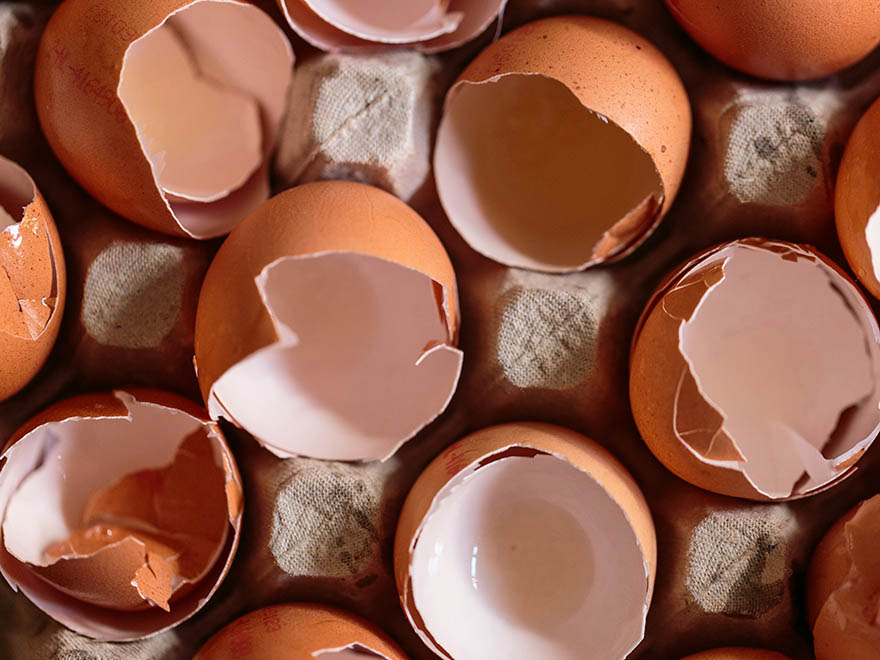
Those eggshells in your breakfast bowl are one of the most useful things you can save for the garden. Eggshells are roughly 95% calcium carbonate, the same compound in agricultural lime. Dried and ground into powder, they add slow-release calcium to the soil. Boiled into a quick tea, they deliver calcium faster when plants need it mid-season. You can also crush them into sharp pieces and scatter them around plants as a slug barrier. One ingredient, zero cost.
TL;DR: Eggshell powder mixed into transplant holes adds slow-release calcium to soil; boiled eggshell tea delivers calcium faster mid-season. Crushed shells scattered around plants also deter slugs and snails.
The recipes
Two methods, same ingredient. Use the powder for long-term feeding and the tea when plants need calcium fast.
Method 1: Eggshell powder (slow-release calcium)
Save shells from 10 to 12 eggs. That gives you enough powder for a full row of transplants.
Prep:
- Rinse eggshells to remove any egg white. No need to scrub, just a quick rinse.
- Spread shells on a baking sheet in a single layer.
- Dry in the oven at 250°F (120°C) for 2 hours. This kills any bacteria and makes the shells brittle enough to grind.
- Let shells cool completely.
- Grind in a blender, coffee grinder, or mortar and pestle until you get a fine powder. The finer the grind, the faster the calcium breaks down in soil.
How to apply:
- Mix 1 to 2 tablespoons of eggshell powder into each transplant hole at planting time.
- As a top-dress: sprinkle 1 tablespoon around the base of each plant and scratch it lightly into the top inch of soil.
- For containers: mix 1 tablespoon per gallon (3.8 L) of potting mix when filling pots.
Storage: eggshell powder keeps indefinitely in a dry, airtight jar. Make a big batch and store it in your pantry or garden shed.
Method 2: Eggshell tea (faster calcium delivery)
For 1 gallon (3.8 L) of water:
- 10 eggshells, roughly crushed by hand
Mix it:
- Crush 10 eggshells into small pieces. You don't need a fine grind here. Just break them up with your hands or the back of a spoon.
- Bring 1 gallon (3.8 L) of water to a boil.
- Add the crushed shells to the boiling water.
- Boil for 5 minutes.
- Remove from heat, cover, and let cool to room temperature.
- Strain out the shell pieces.
Application: water plants at the base with the tea, undiluted. Use the full gallon across 3 to 4 plants. Repeat every 2 weeks during the growing season.
Shelf life: use within 48 hours. After that, brew a fresh batch.
How to apply
Powder goes in at planting time. Mix it into the transplant hole and it feeds the roots all season. It takes weeks to break down, which is why you want it in the ground early. Top-dressing works too, but calcium reaches the root zone more slowly from the surface.
Tea is your mid-season tool. Use it when you see signs of calcium deficiency. Blossom end rot on tomatoes, peppers, and squash is the most common signal. Dark, sunken spots on the bottom of the fruit mean calcium isn't reaching the developing cells fast enough. Tea puts soluble calcium into the root zone within days.
Ideally, use both. Powder at planting. Tea every two weeks once fruiting starts.
Bonus: eggshell slug barrier
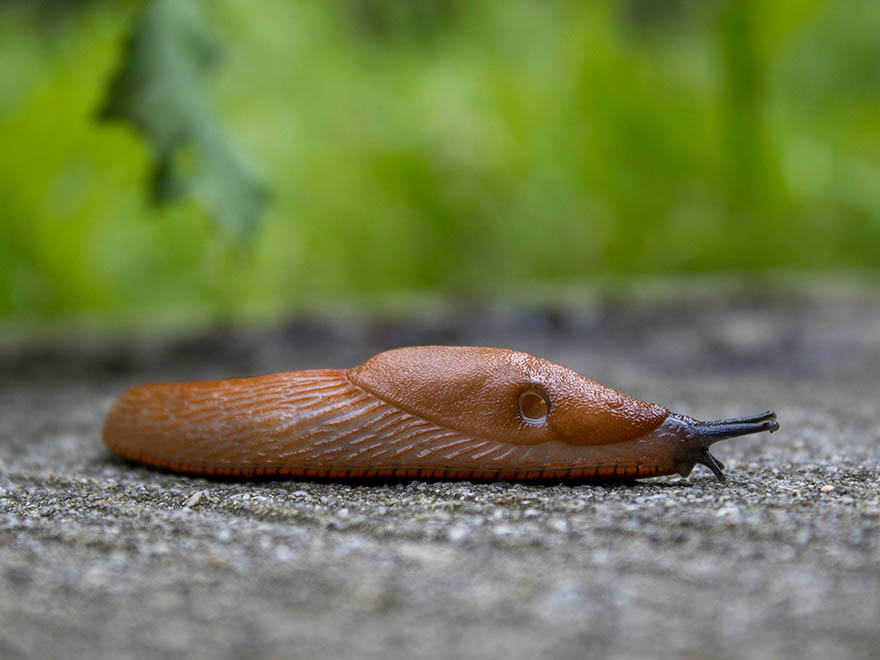
Crush eggshells into rough, jagged pieces (not powder). Spread a ring of crushed shell about 2 inches (5 cm) wide around the base of each plant. The sharp edges cut into the soft body of slugs and snails, so they avoid crossing.
Works best when the shells stay dry. Rain softens the edges over time, so refresh the ring every few weeks or after a downpour. For serious slug problems, combine the shell ring with evening garden checks. Go out after dark with a flashlight and pick off any slugs you see.
Why eggshells work as fertilizer
Eggshells are about 95% calcium carbonate (CaCO3). Mixed into soil, they dissolve slowly as soil acids and microbes break them down, releasing calcium ions that roots absorb.
Grind size matters. A coarse crush can sit in the soil for months doing very little. A fine powder starts releasing calcium within weeks. This is why the coffee grinder step is worth the effort.
The boiled tea works differently. Heat pulls a small amount of soluble calcium out of the shells and into the water. It's a lighter dose than powder, but the calcium is available right away. That makes tea the better pick when plants already show deficiency symptoms.
Calcium is most critical for fruiting crops. It holds cell walls together in developing fruit. When calcium supply can't keep up with fast growth, cells collapse and you get blossom end rot. Consistent watering matters here too, because calcium travels to fruit through water uptake. Shells plus steady moisture is the combination that prevents BER.
Is this safe for all plants?
Yes. Eggshell powder and tea are safe for every vegetable, herb, and flower. Calcium carbonate is mildly alkaline, but at these amounts it won't shift your soil pH.
Fruiting crops get the biggest benefit. Tomatoes, peppers, eggplant, squash, and cucumbers all burn through calcium when setting fruit.
One exception: acid-loving plants like blueberries, azaleas, and rhododendrons prefer acidic soil and don't need the extra calcium. Skip the eggshell treatment for those.
What NOT to do
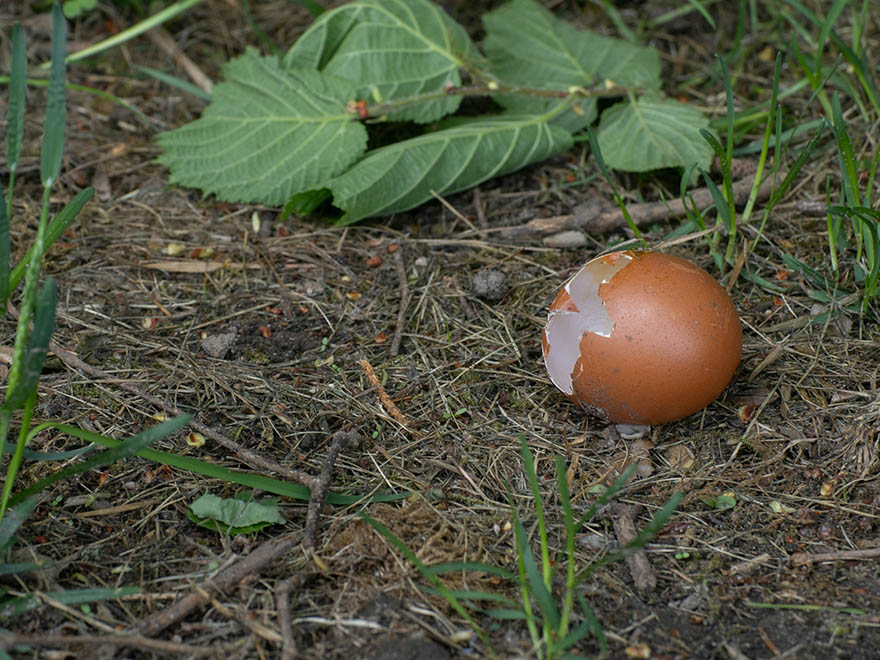
Don't toss whole shells into the garden. Whole or half shells take years to break down. They just sit on top of the soil and do nothing. Grind them into powder or at least crush them into small pieces.
Don't expect instant results from powder. Eggshell powder is a slow-release amendment. If your tomatoes have blossom end rot right now, use the tea for a faster calcium boost. The powder prevents the problem next season.
Don't skip the drying step. Raw, wet shells grow mold and smell bad. Always oven-dry before grinding. The 2-hour bake at 250°F (120°C) solves both problems.
Don't pile on too much. More is not better. One to two tablespoons per plant is plenty. Excess calcium carbonate can lock up other nutrients like magnesium and iron in the soil.
Best for which plants
Eggshell fertilizer works on everything, but some plants respond more noticeably.
- Tomatoes — the #1 candidate. Calcium prevents blossom end rot, the most common tomato frustration for beginners.
- Peppers and eggplant — same family as tomatoes, same calcium demand during fruiting.
- Squash, cucumbers, melons — heavy feeders that set large fruit fast. Calcium keeps cell walls strong.
- Lettuce, spinach, brassicas (broccoli, kale, cabbage) — benefit from calcium for strong leaf structure and tip burn prevention.
- Container plants — potting mix has no natural mineral reserves. Eggshell powder mixed in at planting gives containers a calcium baseline.
Skip for: blueberries, azaleas, and other acid-loving plants that don't want extra alkalinity.
When eggshells aren't enough
If you're adding eggshell powder and still seeing blossom end rot, the problem is almost always water, not calcium. Inconsistent watering disrupts calcium transport from roots to fruit. The soil may have plenty of calcium, but the plant can't move it where it's needed if moisture levels spike and drop.
Check three things. First: water consistently. A deep soak every 2 to 3 days beats daily light sprinkles. Second: mulch around plants to hold soil moisture steady. Third: don't over-fertilize with nitrogen. Too much nitrogen pushes fast leaf growth and starves fruit of calcium.
For a complete feeding schedule by growth stage, see our guide on how to fertilize a vegetable garden.
FAQ
Do eggshells really add calcium to garden soil?
Yes. Eggshells are about 95% calcium carbonate, the same compound in agricultural lime. Ground into a fine powder, they release calcium slowly as soil microbes break them down. For faster results, boil crushed shells in water for 5 minutes to make a calcium tea you can water directly onto plants.
Can eggshells prevent blossom end rot on tomatoes?
Yes, but timing matters. Eggshell powder mixed into the transplant hole at planting time adds calcium before the plant needs it. If blossom end rot has already appeared, use eggshell tea for a faster calcium boost. Also check your watering schedule. Inconsistent watering is the #1 cause of blossom end rot, even when soil calcium is adequate.
How fine should I grind eggshells for the garden?
As fine as possible. A coffee grinder or blender gives the best results. Fine powder breaks down in weeks. Coarse chunks take months or longer. If shells are still in visible pieces after grinding, run them through the grinder again.
Do eggshells really keep slugs away?
Crushed eggshells create a sharp, jagged barrier that slugs and snails prefer not to cross. Spread a 2-inch (5 cm) ring around each plant. The barrier works best when shells stay dry. Refresh after heavy rain, and combine with evening slug picking for the best control.
How many eggshells do I need for a garden?
About 10 to 12 shells make enough powder for one row of transplants (1 to 2 tablespoons per plant). Save shells in a bowl on your counter as you cook. Once you have a dozen, oven-dry and grind them in one batch. A full season for a small garden takes 50 to 60 shells.
Can I use eggshells in container gardens?
Yes. Mix 1 tablespoon of eggshell powder per gallon (3.8 L) of potting mix when filling containers. Potting mix has no natural mineral content, so the added calcium gives container plants a baseline they wouldn't have otherwise. Top-dress with a sprinkle of powder every 4 to 6 weeks.
Is there a gardening app that tracks feeding schedules?
Yes. The easyDacha garden planner app schedules feeding tasks by growth stage for every plant in your garden. It tells you when to feed, what to apply, and how much. Download at easydacha.com/download.
Feed at the right time, every time
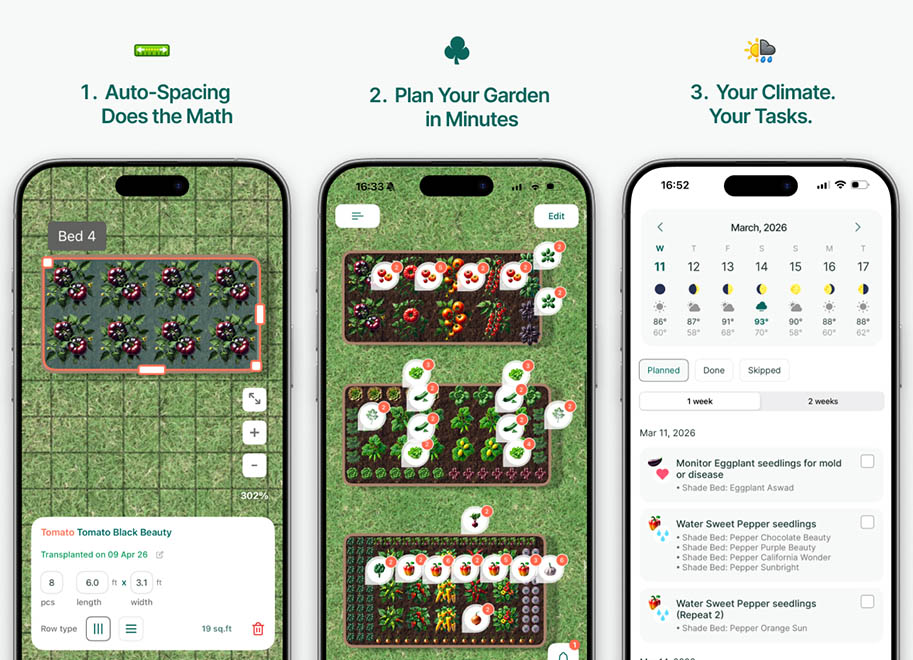
Calcium is just one part of the feeding schedule. Your tomatoes need different nutrients at transplant, at flowering, and at fruiting. Miss the window and you either waste product or stress the plant.
The easyDacha gardening app builds a feeding schedule tied to each plant's growth stage. Seedling, vegetative, flowering, fruiting. Each task lands on the right day. No guessing, no spreadsheets.
Try easyDacha app →. The garden planner app that plans your season in 60 seconds. Cancel anytime.
Related reading on easydacha.com
- Vegetable Gardening for Beginners: A Step-by-Step Guide — the full beginner guide covering soil, timing, and first-year planning.
- Homemade Organic Pesticide for the Vegetable Garden — more DIY recipes for pest and disease control.
- Seed Starting Troubleshooting: Why Seeds Fail and How to Fix It — diagnosing every reason seedlings fail.
- How to Care for Vegetable Seedlings Indoors — light, water, and feeding for indoor seed starting.