
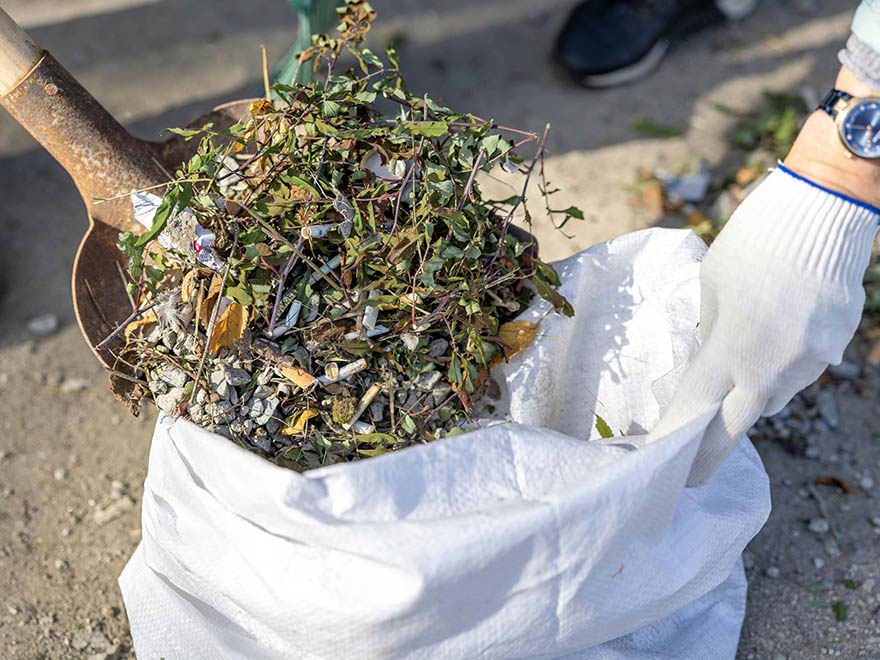
Every time you pull weeds from your garden, you're holding free fertilizer. Those plants pulled the same nutrients from your soil that your vegetables need. Ferment them in a bucket of water for two weeks. Those nutrients dissolve back into a liquid feed you can pour right on your beds. It's the simplest closed loop in gardening. You don't need a specific plant. Any combination of green weeds works. The mix of different plants actually gives you a more balanced nutrient profile than a single-plant tea like nettle or comfrey. The one rule: no weeds with seeds. Everything else goes in the bucket.
TL;DR: Fill a bucket with fresh weeds (no seeds), cover with water, ferment 10 to 14 days, strain, dilute 1:10. Apply 1 quart (about 1 L) of diluted solution per square yard (about 1 m²) of garden bed. Concentrate keeps 2 months sealed.
The recipe
One method. Use whatever weeds you pulled today.
You need:
- A 5-gallon (19 L) bucket with a loose-fitting lid
- Fresh green weeds, enough to fill the bucket. No seeds on any of them (see "Which weeds to avoid" below).
Brew it:
- Gather fresh weeds after weeding your garden. Leave the soil on the roots. The soil adds beneficial microbes to the fermentation.
- Chop or tear the weeds roughly. Smaller pieces break down faster.
- Pack the weeds into the bucket. Fill it as full as you can.
- Add water to cover the weeds completely. Leave 2 to 3 inches (5 to 8 cm) of headspace.
- Place a lid loosely on top. Don't seal it tight. Gas needs to escape.
- Set the bucket outdoors, away from the house. This will smell.
- Stir once a day with a stick. Stirring introduces oxygen and speeds up the breakdown.
- Ferment for 10 to 14 days. Warm weather (above 75°F / 24°C) speeds things up. Cool weather slows it down. The tea is ready when it turns dark brown and the weeds have mostly dissolved into mush.
- Strain through burlap, old cloth, or a mesh bag. Squeeze out as much liquid as you can.
- Compost the leftover solids.
Before using: dilute 1:10 with water. One part weed concentrate to ten parts water.
Storage: the strained concentrate keeps up to 2 months in a sealed container in a cool, dark place.
Which weeds work best
The beauty of fermented weed tea is that almost everything goes. Different weeds bring different nutrients, so a mixed batch gives the most balanced feed.
High-value weeds to look for:
- Lamb's quarters (Chenopodium) — high in nitrogen, calcium, and phosphorus. One of the most nutrient-dense weeds in any garden.
- Chickweed — rich in potassium and phosphorus. Breaks down fast in the bucket.
- Clover — nitrogen-fixer. Adds more nitrogen to the tea than most other weeds.
- Plantain (broadleaf) — high in calcium and silica. Deep taproot pulls minerals from subsoil.
- Grass clippings — add bulk and a quick nitrogen boost. Mix with broadleaf weeds for balance.
You don't need to identify every weed. If it's green, leafy, and seedless, throw it in.
Which weeds to avoid
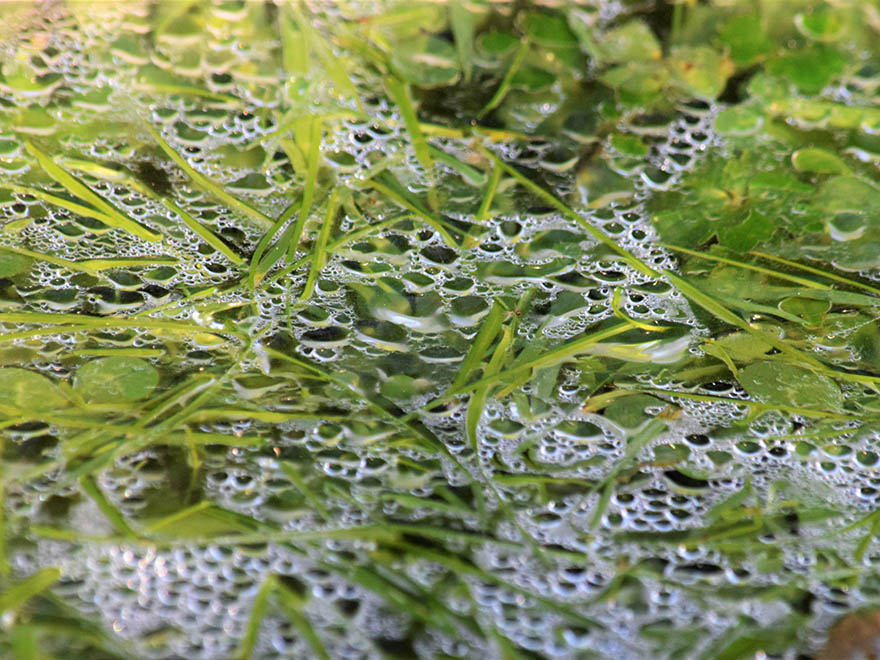
This is the critical filter. Some weeds will cause problems in the bucket or in your garden after application.
No weeds with mature seeds. Seeds can survive fermentation. If you pour seedy weed tea on your beds, you're planting weeds. This rules out dandelions in flower or gone to seed, thistle with seed heads, grasses with seed stalks, and any weed that's past flowering.
No invasive runners with viable root nodes. Bermuda grass, bindweed, and quackgrass can regenerate from tiny root fragments. Fermentation doesn't always kill these. If root pieces survive in the solids and end up in your compost, they'll regrow.
No diseased plants. Weeds showing signs of fungal disease (spots, mildew, rust) can carry spores through fermentation. Keep them out of the bucket and out of your compost.
When in doubt: if a weed has any visible seed head or flower, leave it out. Pull it and bag it for the trash instead.
How to apply
Pour 1 quart (about 1 L) of diluted weed tea per square yard (about 1 m²) of garden bed as a soil drench. Water the soil, not the leaves.
Frequency: once every 2 weeks during the growing season. Weed tea is a mild, balanced feed. It won't burn or overfeed at this rate.
Foliar option: dilute to 1:20 (weaker) and spray leaves in early morning. Foliar application gives a lighter nutrient boost through leaf absorption. Use the stronger 1:10 dilution for soil drenching only.
Best timing: start in spring once soil has warmed above 60°F (15°C) and continue through fall. Soil microbes need warmth to process the nutrients in the tea.
Why fermented weed tea works
Weeds are nutrient accumulators. They've spent their entire lives pulling nitrogen, phosphorus, potassium, calcium, and trace minerals out of your soil. When you ferment them in water, bacteria break down the plant cells and release all of those nutrients back into solution.
The fermentation process also produces organic acids and microbial byproducts that improve nutrient availability. These compounds help dissolve minerals that are locked up in the soil, making them accessible to plant roots. It's the same principle behind nettle tea and comfrey tea, but with a wider range of starting nutrients because you're using a mix of plants.
The NPK ratio of mixed weed tea varies depending on what you put in. A typical batch lands somewhere around 1.5-0.5-1.5, which is a mild, relatively balanced profile. Not as nitrogen-heavy as pure nettle tea, not as potassium-heavy as comfrey. Think of it as a general-purpose organic liquid feed.
Managing the smell
Fermented weed tea smells bad. Not as bad as pure nettle tea, but bad enough that your neighbors will notice if the bucket is near the fence line.
Keep it far from the house. Back corner of the garden, downwind from any seating areas.
Lid stays on between daily stirrings. Each stir releases a burst of odor.
A handful of rock dust (azomite, glacial rock dust) added to the bucket can reduce sulfur smell. Some gardeners also add a few drops of EM (effective microorganisms) or a splash of molasses to promote more aerobic fermentation, which smells less than fully anaerobic.
Once strained and sealed, the concentrate smells much less than the open bucket. The worst period is days 3 through 10.
After application, the smell on your soil fades within a day.
Is weed tea safe for all plants?
Yes, at 1:10 dilution. Fermented weed tea is a mild, balanced feed that's safe for vegetables, herbs, flowers, fruit trees, and containers.
The mixed nutrient profile makes it useful at any growth stage. Nettle tea is nitrogen-heavy and best for vegetative growth. Comfrey tea is potassium-heavy and best for fruiting. Weed tea is the all-rounder you can apply from spring through fall without pushing the wrong nutrient at the wrong time.
For seedlings, dilute to 1:20 rather than 1:10. Young plants are more sensitive to concentrated feeds.
What NOT to do
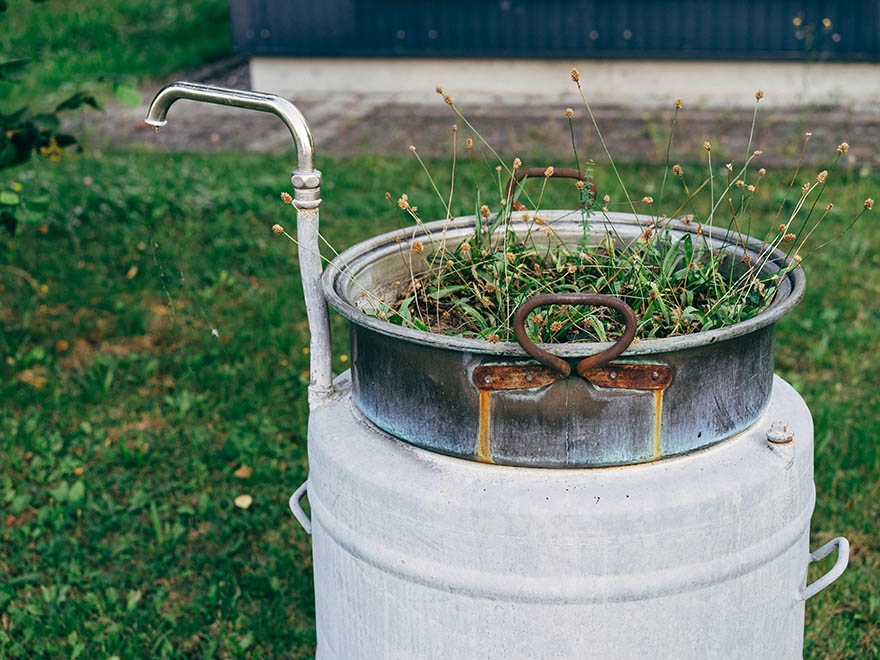
Don't use weeds with seeds. This is the #1 rule. Seeds survive fermentation. If the weed has any visible seed head, flower cluster, or fluffy seed dispersal structure, keep it out of the bucket.
Don't seal the lid tight. Fermentation produces gas. A sealed bucket builds pressure and can pop open. Keep the lid loose or use a cloth held down with a bungee cord.
Don't ferment longer than 14 days. Past two weeks, useful nutrients are fully extracted. Longer steeping just produces more anaerobic bacteria and intensifies the smell.
Don't use undiluted. The concentrate is too strong for direct application. It will burn roots and damage soil biology. Always dilute 1:10 for drenching, 1:20 for foliar spray.
Don't pour it near compost bins. Fermented tea residue can attract slugs. Apply to garden beds and containers, away from composting areas.
Best for which plants
Fermented weed tea is a general-purpose feed. Everything benefits, but some situations get more value from it.
- Established vegetable beds — a biweekly drench keeps soil biology active and nutrients cycling through the season.
- Raised beds — raised beds lose nutrients faster than in-ground beds through drainage. Weed tea replaces what washes out.
- Transplants (2 weeks after planting) — a diluted drench (1:20) gives transplants a gentle nutrient boost as roots establish.
- Perennial borders and fruit trees — 2 to 3 applications per season support long-term soil health.
- Container gardens — containers have no natural nutrient cycling. Weed tea adds both nutrients and microbial life.
- Cover crop beds between seasons — drench beds after cutting cover crops to speed decomposition and nutrient release.
When weed tea isn't enough
Fermented weed tea is a mild, general feed. If plants need heavy nutrition (tomatoes during fruiting, corn during tasseling, brassicas in rapid growth), weed tea alone may not deliver enough. Pair it with targeted feeds. Use comfrey tea for potassium during fruiting, nettle tea for extra nitrogen during vegetative growth, or a balanced organic granular fertilizer for heavy feeders.
Weed tea works best as a maintenance feed. It keeps soil biology humming and nutrients cycling. For heavy lifting, combine it with specific supplements.
For a complete feeding schedule by growth stage, see our vegetable gardening beginner guide.
FAQ
Does fermented weed tea really work as fertilizer?
Yes. Weeds accumulate the same nutrients your vegetables need. Fermenting them in water for 10 to 14 days breaks down plant cells. The process releases nitrogen, phosphorus, potassium, calcium, and trace minerals into a liquid feed. The NPK is mild (roughly 1.5-0.5-1.5 for a mixed batch), making it a balanced, general-purpose organic fertilizer.
Which weeds should I avoid putting in weed tea?
Any weed with mature seeds, visible flower heads, or seed dispersal structures. Seeds survive fermentation and will sprout in your garden. Also avoid invasive runners (bermuda grass, bindweed, quackgrass) since root fragments can regenerate. Leave out any weed showing signs of fungal disease.
How long does fermented weed tea take?
Ten to fourteen days at outdoor temperatures. Warm weather above 75°F (24°C) speeds fermentation. Cool weather slows it. The tea is ready when it turns dark brown and the weeds have mostly dissolved. Stir once daily during fermentation.
Does weed tea smell bad?
Yes, though less than pure nettle tea. The anaerobic fermentation produces sulfur compounds. Keep the bucket far from the house with a loose lid. Adding rock dust or EM reduces the worst odors. The smell is strongest during days 3 through 10 and fades after straining and sealing.
Can I use grass clippings in weed tea?
Yes. Grass clippings add nitrogen and break down quickly. Mix them with broadleaf weeds for a more balanced nutrient profile. Make sure the grass hasn't been treated with herbicides or chemical lawn fertilizers within the past 2 weeks.
How is weed tea different from nettle tea or comfrey tea?
Nettle tea is nitrogen-heavy (NPK roughly 2.0-0.5-1.5), best for leafy growth. Comfrey tea is potassium-heavy (roughly 1.8-0.5-5.3), best for fruiting. Weed tea from mixed plants falls in the middle with a more balanced profile (roughly 1.5-0.5-1.5). It's the general-purpose option you can use all season.
Is there a gardening app that tracks feeding schedules?

Yes. The easyDacha vegetable garden app builds a feeding schedule for every plant in your garden, timed to each growth stage. It tells you when to feed, what type of feed to use, and when to switch. Download at easydacha.com/download.
Every weed is future fertilizer
Once you start seeing pulled weeds as free plant food, you'll never throw them away again. But feeding is just one piece of the season. Every plant needs different care at different stages.
The easyDacha garden planner app builds a week-by-week task list for every plant in your garden. Feeding, watering, spraying, harvesting. Each task lands on the right day. No guessing, no spreadsheets.
Try easyDacha app →. The gardening app that plans your season in 60 seconds. Cancel anytime.
Related reading on easydacha.com
- Vegetable Gardening for Beginners: A Step-by-Step Guide — the full beginner guide covering soil, timing, and planning.
- Homemade Organic Pesticide for the Vegetable Garden — DIY pest and disease recipes.
- Companion Planting Guide: Double Your Harvest Naturally — plant combinations that support garden health.
- Why You Shouldn't Plant Tomatoes in the Same Spot as Last Year — crop rotation basics for soil health.