
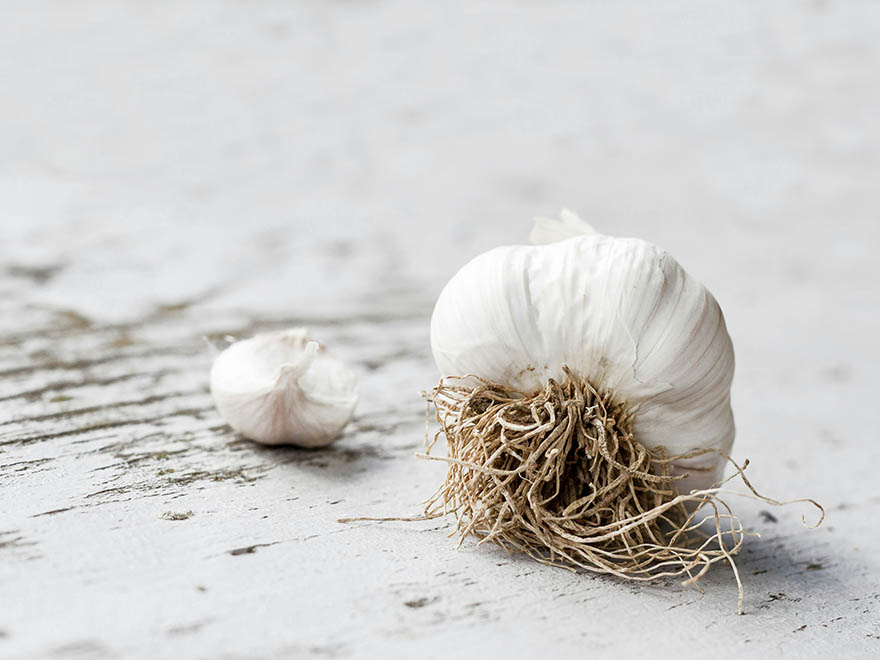
Garlic contains allicin, a sulfur compound that insects avoid. Crush garlic, soak it in water, and the allicin dissolves into a spray. It repels aphids, spider mites, thrips, whiteflies, and most soft-bodied insects on contact. It also deters deer, rabbits, and squirrels. The smell is the mechanism. Pests detect the sulfur compounds and move to something that doesn't reek of garlic. Two recipes here. The simple soak uses garlic cloves and water overnight. The garlic-ginger concentrate is stronger, stores in the fridge for two weeks, and covers more ground per batch.
TL;DR: Quick soak: mince 4 to 6 garlic cloves, soak in 2 cups (500 ml) water for 8 to 12 hours, strain, dilute with 1 quart (1 L) water, add a drop of dish soap. Stronger version: blend 3.5 ounces (100 g) garlic with 1.75 ounces (50 g) ginger in 1 quart (1 L) water, strain, refrigerate. Dilute 7 tablespoons (100 ml) per quart (1 L) for spraying. Apply every 5 to 7 days.
The recipes
Two options. The overnight soak is simpler. The garlic-ginger concentrate is stronger and stores longer.
Method 1: Garlic soak (overnight, simple)
The basic version. Kitchen ingredients, ready by morning.
You need:
- 4 to 6 garlic cloves
- 2 cups (about 500 ml) water for soaking
- 1 quart (about 1 L) water for diluting
- 1/4 teaspoon (about 1 ml) plain liquid dish soap
Make it:
- Mince or finely chop 4 to 6 garlic cloves. Crushing releases more allicin than slicing. Smash them with the flat of a knife first, then chop.
- Add the minced garlic to 2 cups (about 500 ml) of water in a jar.
- Cover and let soak for 8 to 12 hours (overnight works).
- Strain through cheesecloth or a fine mesh strainer. Squeeze out all the liquid. Discard the garlic solids.
- Pour the strained liquid into a spray bottle.
- Add 1 quart (about 1 L) of water to dilute.
- Add 1/4 teaspoon (about 1 ml) of plain liquid dish soap. The soap helps the spray stick to leaves and breaks the surface tension so it spreads evenly.
- Shake gently before each use.
Shelf life: use within 2 to 3 days. The allicin breaks down quickly once dissolved in water. Mix a fresh batch each week.
Method 2: Garlic-ginger concentrate (stronger, stores 2 weeks)
A more potent version. The ginger adds its own pest-repelling compounds and extends the effective range against caterpillar eggs and thrips.
For about 1 quart (1 L) of concentrate:
- 3.5 ounces (about 100 g) garlic cloves, peeled
- 1.75 ounces (about 50 g) fresh ginger root, peeled
- 1 quart (about 1 L) water
Make it:
- Peel 3.5 ounces (about 100 g) of garlic cloves and 1.75 ounces (about 50 g) of ginger root.
- Add both to a blender with 1 quart (about 1 L) of water.
- Blend on high for 30 to 60 seconds until you get a smooth, pungent slurry.
- Strain through cheesecloth or a fine mesh bag into a jar. Squeeze hard. You want every drop of liquid.
- Pour the concentrate into a sealed glass jar or bottle.
- Store in the refrigerator. The concentrate keeps for up to 2 weeks chilled.
Before using: dilute 7 tablespoons (about 100 ml) of concentrate in 1 quart (about 1 L) of water. Add 1/4 teaspoon (about 1 ml) of dish soap. Pour into a spray bottle.
How to apply
Spray both the tops and undersides of leaves until evenly coated. Most soft-bodied pests hide on the undersides. Coverage matters more than volume.
Timing: spray in early morning or late evening. Never spray in direct midday sun. Water droplets on leaves in full sun cause burn spots, and the heat breaks down allicin faster. The spray works best when it has time to dry slowly on the leaf surface.
Frequency: every 5 to 7 days as a preventive. If you already see aphids, mites, or other pests, spray every 5 days until the population drops. Then switch to weekly.
After rain: reapply. Rain washes the spray off completely. Garlic spray has no residual once wet.
For deer and rabbits: spray the perimeter of the garden and the outer leaves of border plants. The smell deters browsing animals. Reapply after rain and every 5 to 7 days.
Why garlic spray works
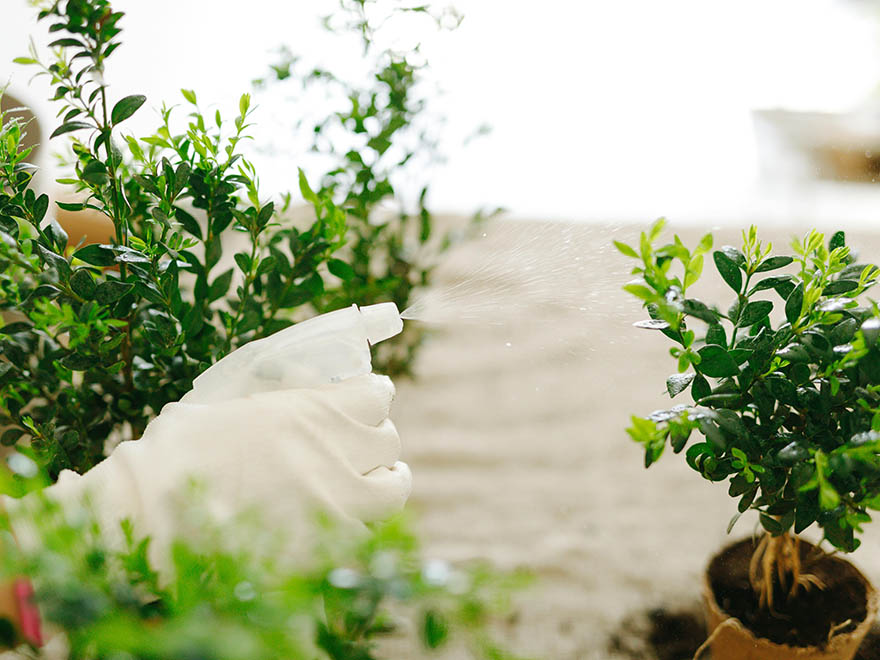
The active compound is allicin, a sulfur-based molecule that garlic produces when its cells are crushed. Allicin is toxic to soft-bodied insects at high concentrations and a strong repellent at lower ones. Aphids, spider mites, whiteflies, and thrips detect the sulfur and avoid treated surfaces.
The dish soap serves two purposes. It breaks the surface tension of water so the spray coats waxy leaf surfaces instead of beading up. It also disrupts the waxy coating on soft-bodied insects, which dehydrates them on contact.
Ginger (in the concentrate version) adds gingerol and shogaol, compounds that are irritants to insects and have their own repellent properties. The combination is more effective than garlic alone against caterpillar eggs and thrips.
Garlic spray is a repellent and contact killer for soft-bodied pests. It does not work on hard-shelled insects like beetles, and it does not kill on a systemic level. Pests need to be hit directly or deterred by the residual smell on treated leaves.
Which pests it works on
Garlic spray is effective against soft-bodied insects and as a scent deterrent for larger animals.
- Aphids — the #1 use case. Garlic spray repels and kills aphids on contact at proper concentration.
- Spider mites — the sulfur compounds deter mites and slow colony growth on treated leaves.
- Whiteflies — spray undersides of leaves where whiteflies cluster.
- Thrips — the garlic-ginger concentrate is more effective against thrips than the simple soak.
- Caterpillar eggs — the concentrate disrupts egg viability on sprayed surfaces. Does not kill adult caterpillars.
- Squash bugs (nymphs) — effective against young, soft-bodied nymphs. Adult squash bugs with hard shells are not affected.
- Deer and rabbits — the sulfur smell deters browsing. Spray garden borders and outer foliage. Reapply after rain.
Not effective against: beetles, adult squash bugs, borers, or any hard-shelled insect. Garlic spray is a soft-body and scent-based tool. For hard-shelled pests, use other methods.
How long does it last after rain?
It doesn't. Garlic spray is a surface treatment with no residual once washed off. A light mist or morning dew won't remove it completely, but any real rain washes it away. Reapply after every rain event. This is the main drawback of garlic spray compared to commercial products. You will spray more often during rainy stretches.
On dry days, the repellent effect lasts 5 to 7 days before breaking down from UV exposure and evaporation. That's why the weekly spray schedule works for prevention.
What NOT to do
Don't spray in direct sun. Midday sun plus wet leaves causes burn spots. The heat also degrades allicin before it can work. Spray in early morning or late evening only.
Don't increase the garlic beyond the recipe. Stronger isn't better. Too much garlic concentrate can burn tender foliage, especially on young transplants and herbs. Stick to the listed amounts.
Don't skip the straining. Garlic bits clog spray nozzles instantly. Strain thoroughly through cheesecloth or fine mesh. Squeeze out every drop and discard the solids.
Don't store the simple soak more than 3 days. Allicin breaks down in water. After 3 days, the spray loses most of its potency. The garlic-ginger concentrate lasts longer in the fridge (up to 2 weeks) but the diluted spray should still be used the same day.
Don't spray near beneficial insects. Garlic spray repels all insects, not just pests. Avoid spraying open flowers where pollinators are active. Spray in the evening after bees have returned to the hive.
Don't expect it to kill beetles or borers. Garlic spray works on soft-bodied insects and as a scent deterrent. Hard-shelled adults are not affected.
Best for which plants
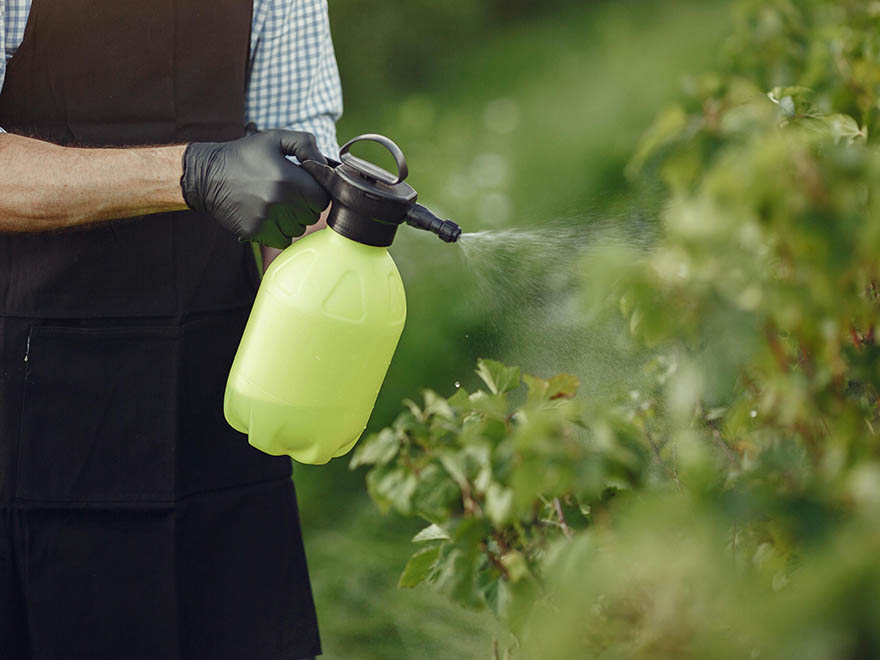
Garlic spray is safe for almost all garden plants at the recommended dilution.
- Squash, cucumbers, melons — aphids and squash bug nymphs are constant problems on cucurbits. Spray weekly as a preventive starting when vines begin to run.
- Roses — aphids love roses. A weekly garlic spray keeps populations low without chemicals.
- Tomatoes and peppers — spider mites and aphids in hot, dry weather. Spray undersides of leaves where mites cluster.
- Brassicas (cabbage, broccoli, kale) — caterpillar eggs and aphids. The garlic-ginger concentrate is the better choice for brassicas.
- Leafy greens — aphids and whiteflies. Use the milder soak version on tender lettuce and spinach.
- Garden borders — spray the perimeter to deter deer and rabbits from browsing.
How do you get rid of aphids on vegetable plants?
Aphids are tiny green, black, or white insects clustered on new growth and leaf undersides. Start with the cheapest fix that works: blast them off with a strong jet of water in the morning. For heavier infestations, spray a soap solution (2 teaspoons dish soap per quart of water) directly on the bugs, which dries them out. Repeat every few days. Avoid spraying open flowers so you do not harm bees.
FAQ
Does garlic spray really work on aphids?
Yes. Allicin, the active sulfur compound in garlic, repels aphids and kills them on contact at proper concentration. Spray both sides of leaves every 5 to 7 days. The simple overnight soak works for light infestations. The garlic-ginger concentrate is better for heavy pressure.
How long does garlic spray last on plants?
Five to seven days on dry foliage before UV and evaporation break down the allicin. Rain washes it off immediately. Reapply after every rain event and on a weekly schedule for prevention.
Will garlic spray hurt my plants?
Not at the recommended dilution. Excessive concentration can burn tender foliage, especially on young transplants and soft herbs. Stick to the recipe amounts. If you're unsure, test on a few leaves and check for damage after 24 hours before spraying the whole plant.
Can I use garlic spray on vegetables I'm about to harvest?
Yes. Garlic spray is food-safe and washes off with water. There's no waiting period before harvest. Rinse vegetables at picking and you won't taste garlic.
Does garlic spray repel deer and rabbits?
Yes. The sulfur smell deters browsing animals. Spray garden borders and the outer leaves of plants deer and rabbits target. Reapply every 5 to 7 days and after rain. The deterrent effect fades as the smell dissipates.
Is the garlic-ginger version better than garlic alone?
The garlic-ginger concentrate is stronger and more effective against thrips and caterpillar eggs. It also stores longer (2 weeks refrigerated vs. 2 to 3 days for the simple soak). For general aphid prevention, the simple soak works fine. For heavier pest pressure, use the concentrate.
What naturally kills aphids fast?
Insecticidal soap or a water blast. Both work in minutes on contact.
Will aphids go away by themselves?
Sometimes, if ladybugs find them. But they multiply fast, so treat early.
Is there a gardening app that schedules spray treatments?
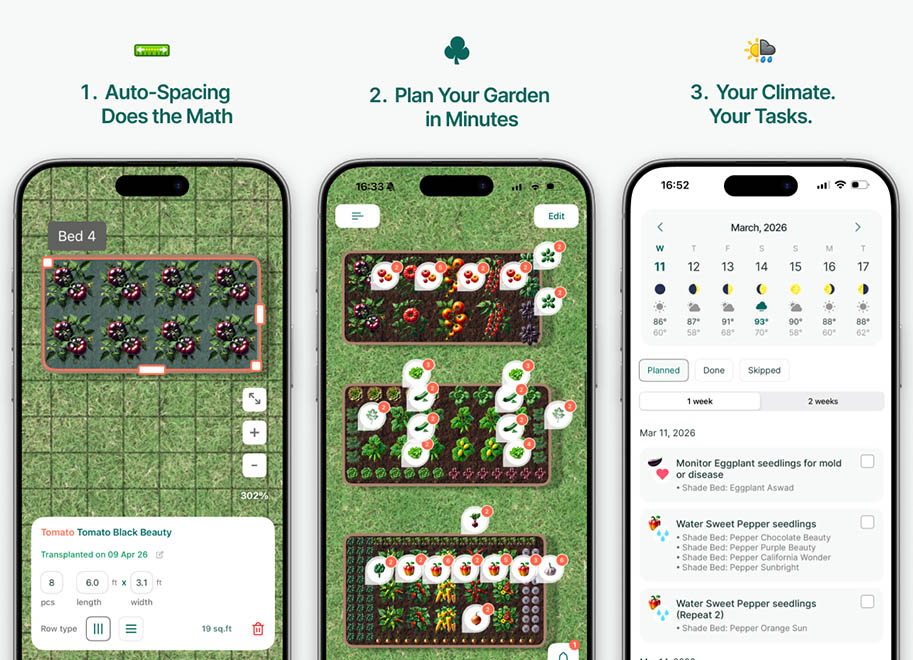
Yes. The easyDacha garden planner app builds spray schedules into your weekly task list, tied to your actual beds and plants. It tells you when to spray and when to reapply. Download at easydacha.com/download.
Keep pests out without keeping track in your head
The hardest part of spraying isn't mixing the recipe. It's remembering to do it again in five days. Miss one cycle and the aphids are back.
The easyDacha gardening app builds spray schedules into your 7-day task list, tied to your actual garden beds. Each treatment lands on the right day. No guessing, no missed windows.
Try easyDacha app →. The garden planner app that plans your season in 60 seconds. Cancel anytime.
Related reading on easydacha.com
- Homemade Organic Pesticide for the Vegetable Garden — more DIY pest and disease recipes.
- Vegetable Gardening for Beginners: A Step-by-Step Guide — the full beginner guide covering soil, timing, and planning.
- Companion Planting Guide: Double Your Harvest Naturally — plant combinations that reduce pest pressure naturally.
- Seed Starting Troubleshooting: Why Seeds Fail and How to Fix It — diagnosing problems before plants reach the garden.