
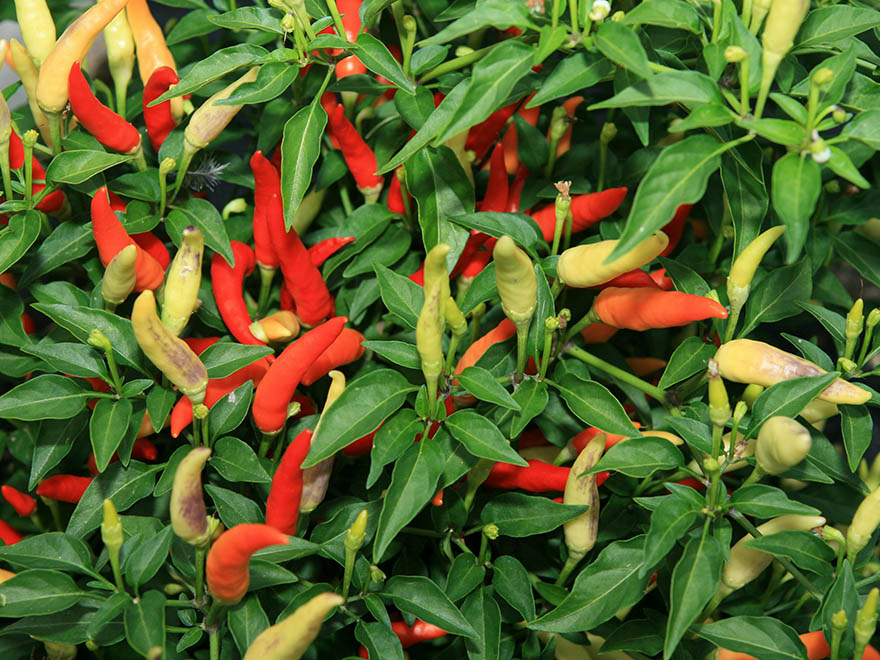
Capsaicin is the compound that makes hot peppers hot. It also makes insects, deer, squirrels, and rabbits want to be somewhere else. A simple pepper spray costs almost nothing to make and works as both an insect repellent and an animal deterrent. Pour boiling water over chopped hot peppers, let it steep until cool, strain, and spray. The capsaicin coats the leaves and the surrounding soil. Insects avoid it on contact. Deer and squirrels learn after one taste that your garden isn't worth the burn. You can use fresh hot peppers from the garden or cayenne powder from the spice aisle. Both work. Fresh peppers are stronger. Cayenne is easier and available year-round.
TL;DR: Pour 1 quart (about 1 L) boiling water over 2 to 3 chopped hot peppers or 1 tablespoon (15 ml) cayenne powder. Steep until cool. Strain, add 1/4 teaspoon (about 1 ml) dish soap. Spray every 5 to 7 days. Refrigerate and use within 1 week. Wear gloves.
The recipe
One recipe, two ingredient options. Use whichever you have.
For 1 quart (about 1 L) of spray:
- 2 to 3 fresh hot peppers (jalapeno, habanero, cayenne, serrano, or any hot variety) OR 1 tablespoon (15 ml) cayenne pepper powder
- 1 quart (about 1 L) boiling water
- 1/4 teaspoon (about 1 ml) plain liquid dish soap
Make it:
- If using fresh peppers: chop them roughly. Leave the seeds in. The seeds and the white pith hold the most capsaicin. Wear gloves for this step. Capsaicin burns skin and is painful if it gets in your eyes.
- Place the chopped peppers (or cayenne powder) in a heat-safe jar, pitcher, or bowl.
- Pour 1 quart (about 1 L) of boiling water over the peppers.
- Cover and let steep until the water cools to room temperature. This takes 2 to 4 hours. The longer it steeps, the stronger the solution.
- Strain through cheesecloth or a fine mesh strainer into a spray bottle. Wear gloves while straining. Squeeze out all the liquid.
- Add 1/4 teaspoon (about 1 ml) of plain dish soap. The soap helps the spray stick to waxy leaf surfaces.
- Shake gently before each use.
Storage: refrigerate in a sealed bottle. Use within 1 week. Capsaicin doesn't break down as fast as allicin (garlic), but the water base grows bacteria after a week. Mix a fresh batch weekly.
Safety first (read this before you start)
Capsaicin is an irritant. It won't cause lasting harm, but it will ruin your afternoon if you get careless.
Wear gloves when handling hot peppers and when straining. Latex, nitrile, or thick rubber kitchen gloves all work. Capsaicin absorbs into skin and no amount of hand washing removes it quickly.
Don't touch your face while handling peppers or the spray. If capsaicin gets in your eyes, flush with cool water for 15 minutes. It's intensely painful but not dangerous.
Work outdoors or in a well-ventilated area. Pouring boiling water over peppers releases capsaicin vapor. Breathing it in causes coughing and throat irritation.
Keep children and pets away from the spray bottle and the steeping mixture. Label the bottle clearly.
Wash all utensils thoroughly after making the spray. Capsaicin residue on cutting boards, knives, or strainers will transfer to food.
How to apply
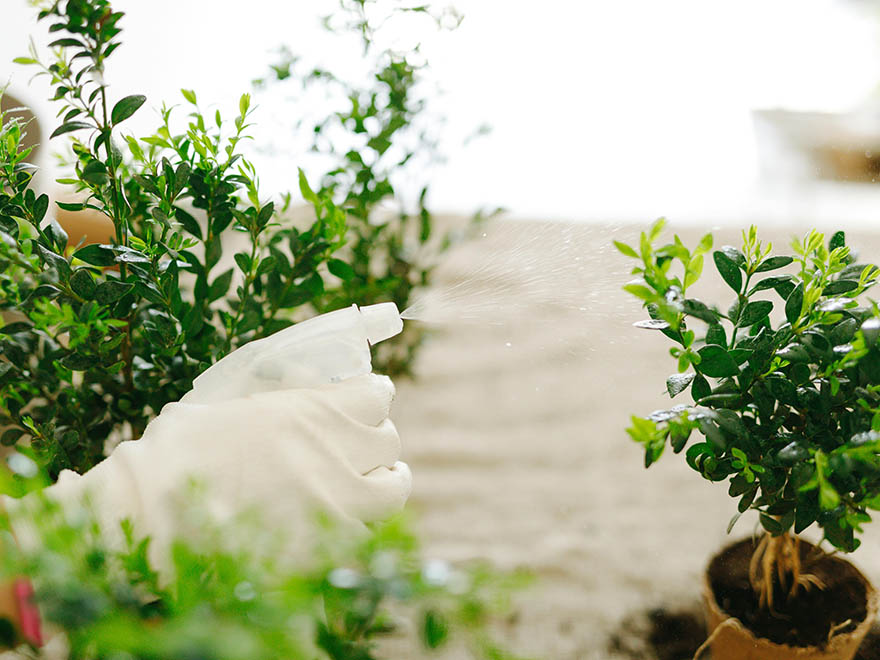
Spray both the tops and undersides of leaves until evenly coated. For animal deterrence, also spray the soil perimeter around the garden and the base of border plants.
Timing: spray in early morning or late evening. Avoid direct midday sun. Wet leaves in full sun burn, and the heat degrades capsaicin faster.
Frequency: every 5 to 7 days as a preventive. For active infestations, spray every 5 days until the problem drops. Then switch to weekly.
After rain: reapply. Rain washes the spray off completely. Hot pepper spray has no residual once it gets wet. During rainy weeks, you may need to spray twice. This is the same limitation as garlic spray. Surface sprays wash off.
For deer and squirrels: spray the outer ring of the garden, fence posts, and the first row of plants. Animals learn fast. After one or two encounters with capsaicin-coated foliage, most deer and squirrels avoid the area for days even after the spray fades.
Why hot pepper spray works
Capsaicin binds to pain receptors in mammals and irritant receptors in insects. It triggers a burning sensation without causing actual tissue damage. This makes it an effective deterrent. Animals and insects associate the burning with the location and avoid returning.
For insects, capsaicin disrupts feeding behavior and repels soft-bodied pests like aphids, whiteflies, and spider mites. It doesn't kill most insects outright. It makes the treated leaves unpleasant enough that pests move to untreated plants.
For deer, squirrels, and rabbits, the mechanism is taste aversion. One bite of pepper-coated foliage is enough. These animals learn quickly and avoid treated areas. The deterrent effect often lasts longer than the spray itself because the memory of the burn persists.
The dish soap breaks surface tension so the spray coats leaves evenly instead of beading up. It also helps the capsaicin adhere to leaf surfaces longer between rains.
Which pests it works on
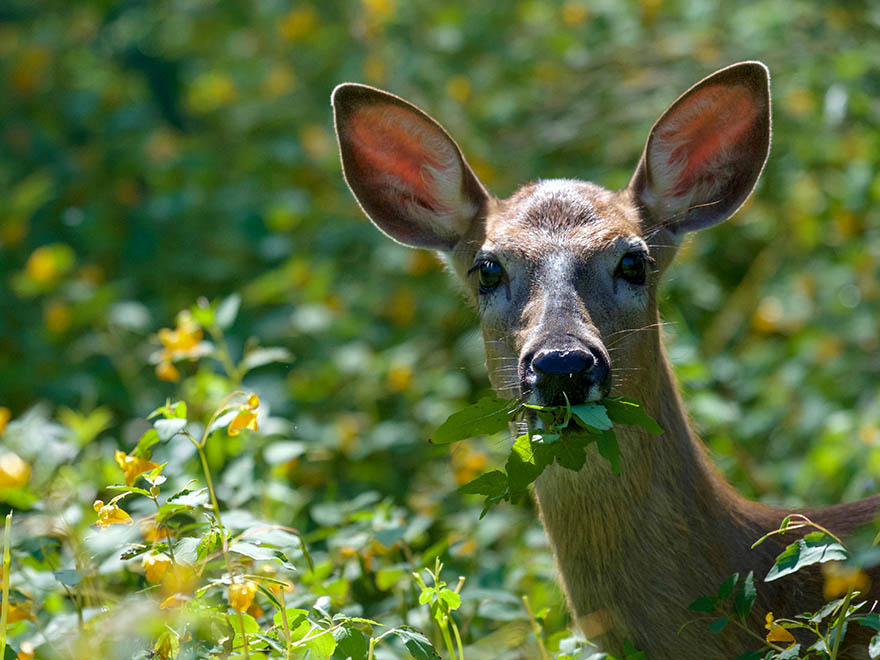
Hot pepper spray is a broad-spectrum repellent. It works on insects, mammals, and some other garden visitors.
- Deer — the #1 use case in the US. Capsaicin is one of the most effective deer deterrents available to home gardeners.
- Squirrels — spray bulb beds, container rims, and bird feeders. Squirrels avoid capsaicin-treated surfaces.
- Rabbits — spray the lower 12 inches of plants and the garden perimeter.
- Aphids and whiteflies — repels soft-bodied insects from treated leaves.
- Spider mites — capsaicin disrupts feeding on sprayed foliage.
- Caterpillars — deters feeding on brassicas and other leafy crops.
- Chipmunks and voles — spray around bulbs and along garden edges.
Not effective against: birds (birds lack capsaicin receptors and are not affected), hard-shelled beetles, borers, or any pest that feeds inside the plant tissue. Pepper spray is a surface and scent deterrent only.
Fresh peppers vs. cayenne powder
Both work. The difference is strength and convenience.
Fresh hot peppers release more capsaicin than dried powder because the oils are intact. Habaneros and ghost peppers produce the strongest spray. Jalapenos and serranos are milder but still effective. Use what you have or what you grow.
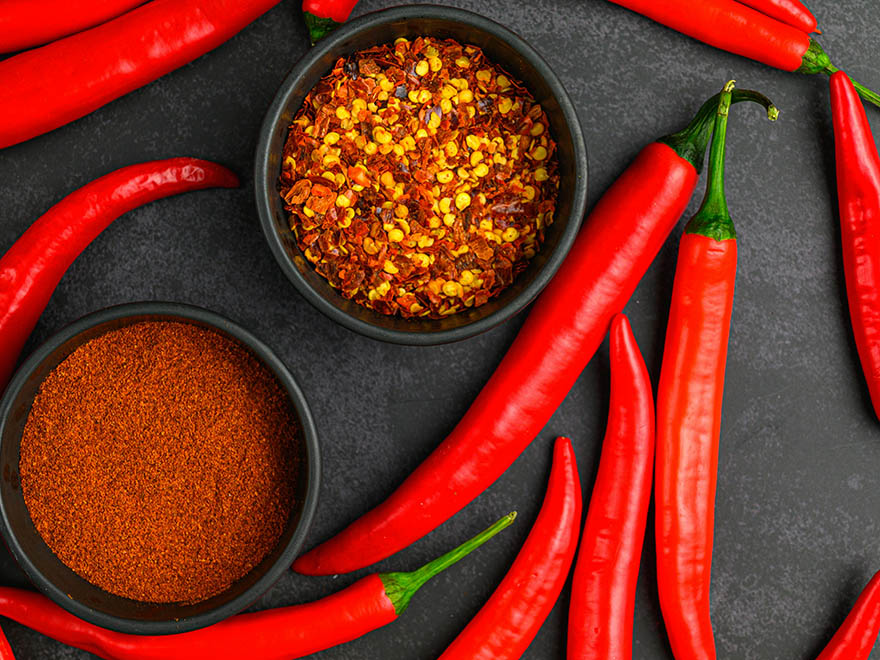
Cayenne powder is available at any grocery store for $2 to $4. It's weaker than fresh peppers but consistent and convenient. One tablespoon per quart makes a solid working concentration. This is the easier option for gardeners who don't grow hot peppers.
Don't use chili flakes or sweet paprika. Chili flakes don't dissolve well and clog spray nozzles. Sweet paprika has almost no capsaicin.
What NOT to do
Don't skip the gloves. Capsaicin absorbs into skin and burning lasts for hours. Even mild peppers like jalapenos can cause skin irritation during chopping and straining.
Don't spray in direct sun. Midday sun plus wet leaves causes burn spots. The heat also breaks down capsaicin faster. Morning or evening only.
Don't spray open flowers. Pepper spray repels pollinators. Spray around flowers, not on them. Apply in the evening after bees have returned to the hive.
Don't store longer than 1 week. The water base grows bacteria even when refrigerated. A week-old batch starts to smell off and loses potency. Mix fresh weekly.
Don't increase the pepper beyond the recipe. More peppers don't mean more protection. Excessive capsaicin can burn tender foliage, especially on young transplants, herbs, and lettuce. Stick to the listed amounts.
Don't use near pets. Dogs are sensitive to capsaicin. If your dog runs through freshly sprayed beds, it can cause eye and nose irritation. Spray in the evening and let it dry before pets access the area.
Best for which plants
Hot pepper spray is safe for most established garden plants at the recommended concentration.
- Hostas and ornamentals — deer magnets. A weekly spray keeps deer from browsing.
- Tulip and bulb beds — squirrels dig bulbs. Spray the soil surface after planting.
- Tomatoes, peppers, squash — aphids, whiteflies, and spider mites during hot weather.
- Brassicas (cabbage, broccoli, kale) — caterpillars and aphids. Spray weekly as a preventive.
- Lettuce and leafy greens — use a milder concentration (half the peppers or powder) on tender leaves.
- Garden perimeter — spray fence lines and border plants for deer and rabbit deterrence.
FAQ
Does hot pepper spray really keep deer away?
Yes. Capsaicin is one of the most effective home-garden deer deterrents. Deer learn after one or two encounters with treated foliage. Spray the garden perimeter and outer row of plants every 5 to 7 days. Reapply after rain. The deterrent effect often outlasts the spray because deer remember the burn.
How often do I need to reapply pepper spray?
Every 5 to 7 days on dry foliage. Rain washes it off completely. During rainy stretches, reapply after every rain event. UV exposure also breaks down capsaicin over the week. A consistent weekly schedule works best for prevention.
Can I use cayenne powder instead of fresh peppers?
Yes. One tablespoon (15 ml) of cayenne powder per quart (about 1 L) of boiling water makes an effective spray. It's weaker than fresh habaneros or ghost peppers but easier and available year-round at any grocery store. Don't use chili flakes (they clog nozzles) or sweet paprika (no capsaicin).
Is hot pepper spray safe for vegetable plants?
Yes, at the recommended concentration. Wash vegetables with water before eating. There's no waiting period. Excessive concentration can burn tender foliage on young transplants and soft herbs. Stick to the recipe amounts and test a few leaves first if unsure.
Will pepper spray hurt bees or beneficial insects?
It repels them. Spray in the evening after pollinators are done for the day. Avoid spraying open flowers directly. The repellent effect fades by morning as the spray dries, reducing impact on daytime pollinators.
Can I combine pepper spray with garlic spray?
Yes. Many gardeners mix the two for a stronger repellent. Use the pepper recipe as your base and add the garlic soak liquid. The combination covers both capsaicin-sensitive and sulfur-sensitive pests. See our homemade organic pesticide guide for more combinations.
Is there a gardening app that schedules spray treatments?
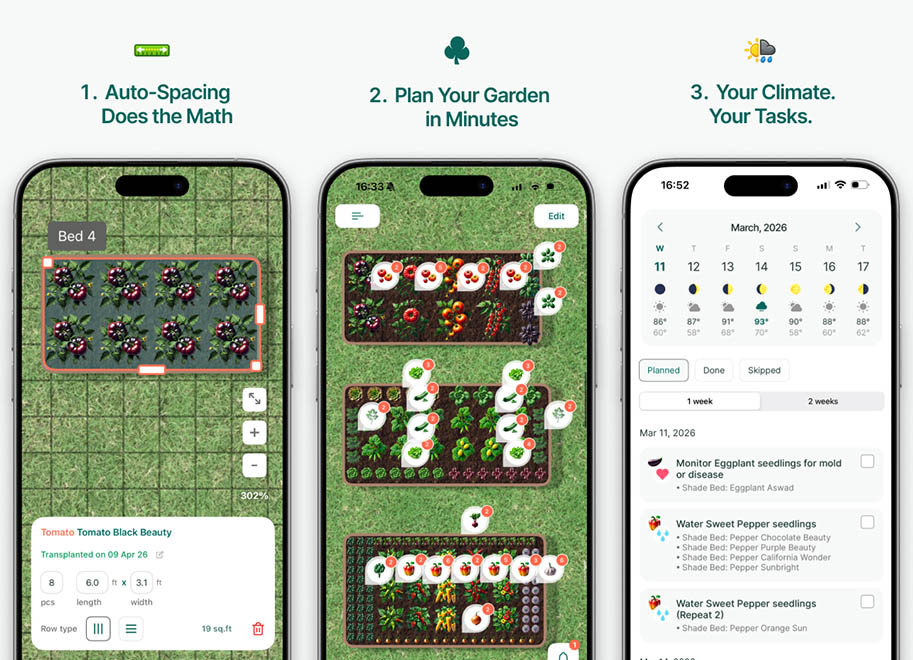
Yes. The easyDacha garden planner app builds spray schedules into your weekly task list, tied to your actual beds and plants. It tells you when to spray and when to reapply. Download at easydacha.com/download.
One spray, fewer visitors
Deer, squirrels, aphids. Capsaicin keeps them all at a distance. The hard part is remembering to spray again after every rain.
The easyDacha gardening app builds spray schedules into your 7-day task list, tied to your actual garden beds. Each treatment lands on the right day. No guessing, no missed windows.
Try easyDacha app →. The garden planner app that plans your season in 60 seconds. Cancel anytime.
Related reading on easydacha.com
- Homemade Organic Pesticide for the Vegetable Garden — more DIY pest and disease recipes.
- Vegetable Gardening for Beginners: A Step-by-Step Guide — the full beginner guide covering soil, timing, and planning.
- Companion Planting Guide: Double Your Harvest Naturally — plant combinations that reduce pest pressure naturally.
- Why You Shouldn't Plant Tomatoes in the Same Spot as Last Year — crop rotation for pest management.